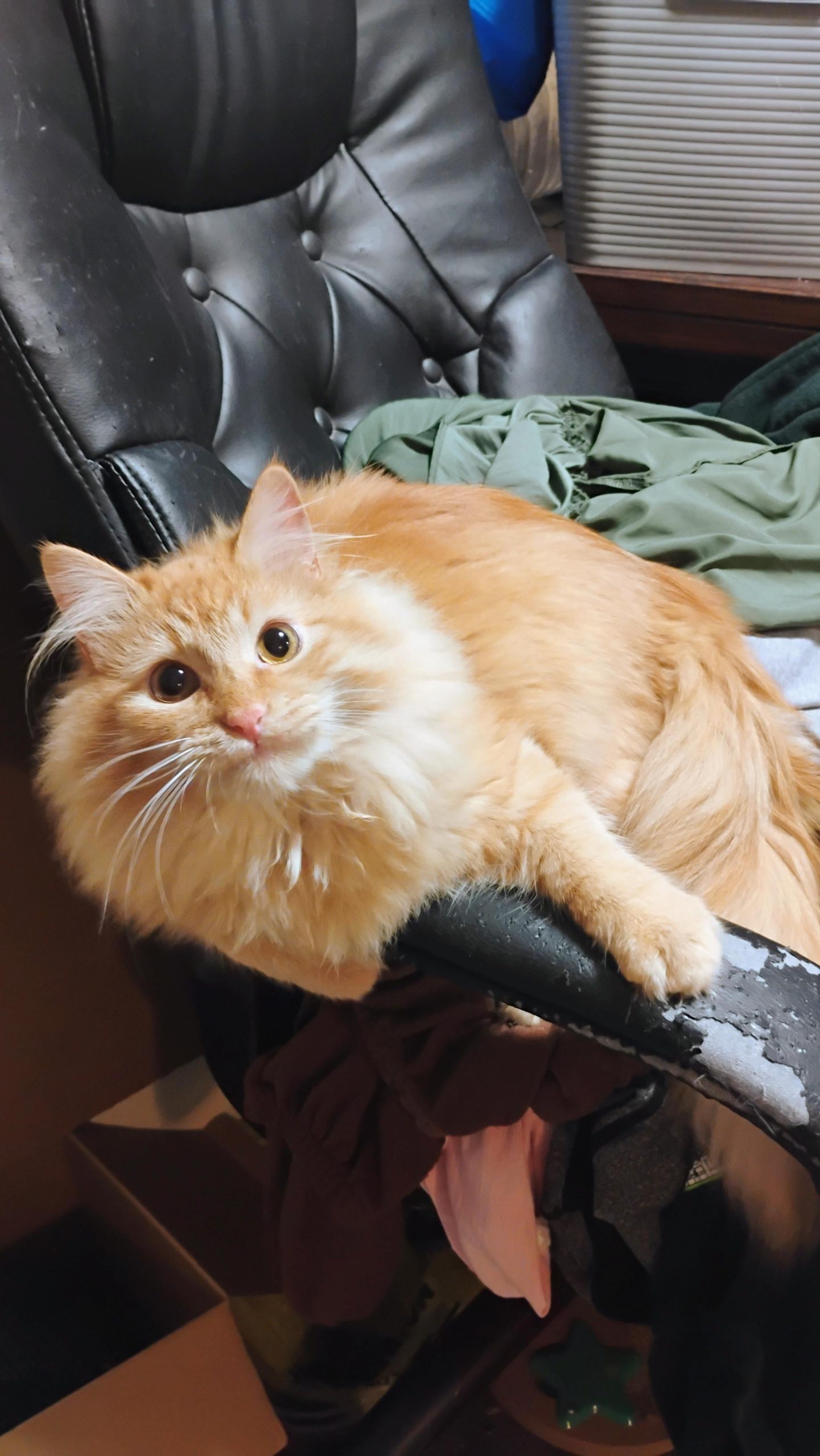
Has your cat’s fur started to look tangled and matted? You’re not alone, and it can be frustrating to see your furry friend uncomfortable.
Matted fur can cause pain and skin problems if left untreated. But don’t worry—you can help your cat feel better with the right grooming steps. You’ll discover simple, effective ways to carefully remove mats and keep your cat’s coat smooth and healthy.
Ready to learn how to make grooming stress-free for both you and your cat? Keep reading to find out!
Signs Of A Matted Cat
Recognizing the signs of a matted cat early can save your furry friend from discomfort and potential health issues. Mats are more than just a cosmetic problem; they can cause pain and restrict your cat’s movement. Knowing what to look for helps you take action before the mats become severe.
Common Causes Of Matting
Matting often starts when your cat’s fur becomes tangled and isn’t brushed out regularly. Cats with long or thick fur are more prone to mats, especially if they groom less due to age or illness.
- Infrequent grooming or brushing
- Skin conditions that cause itching or inflammation
- Outdoor activities that lead to dirt and debris sticking to fur
- Poor nutrition affecting coat health
- Obesity or arthritis making grooming difficult for your cat
Have you noticed your cat spending less time cleaning itself? This is often a red flag that mats could be forming unnoticed.
Health Risks Associated With Mats
Mats don’t just look bad—they can seriously harm your cat’s skin and overall well-being. Tight mats pull on the skin, causing pain and sometimes even cuts or sores underneath.
- Skin irritation and infections
- Restricted movement, leading to stiffness or muscle pain
- Trapped moisture, which can cause fungal infections
- Hiding places for parasites like fleas and ticks
- Stress and anxiety from discomfort
Think about how you feel when your clothes are twisted and tight—your cat experiences similar discomfort. Ignoring mats can turn a simple grooming task into a health emergency.
Tools For Grooming
Grooming a matted cat requires the right tools to make the process smoother and less stressful for both you and your feline friend. Having these tools on hand can help you gently work through tangles without causing pain or damage to your cat’s fur. The right equipment makes a big difference, so it’s worth investing some time to gather what you need before you begin.
Choosing The Right Brushes And Combs
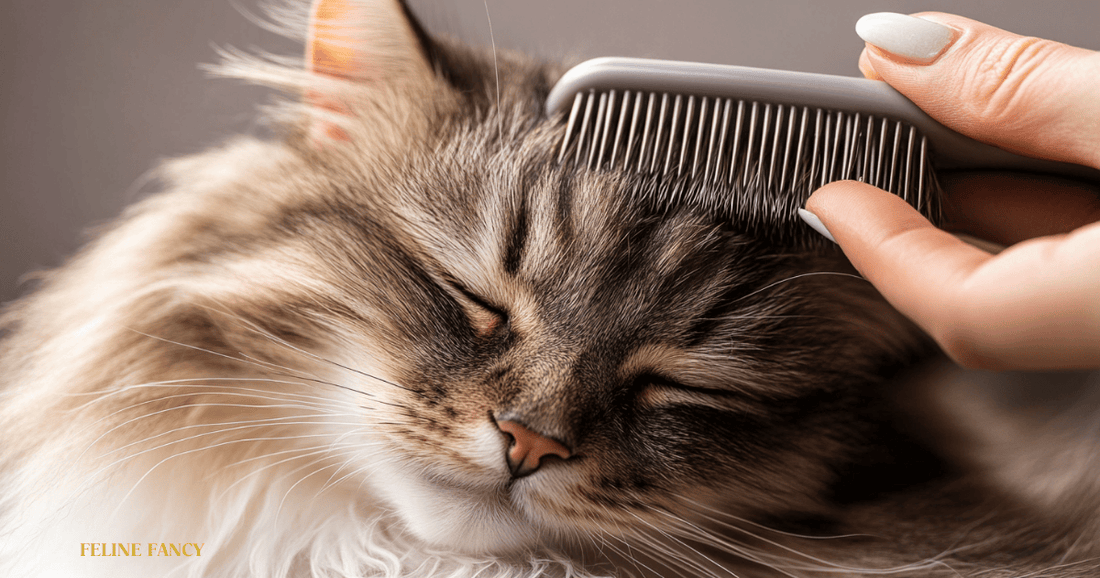
Not all brushes and combs are created equal, especially when dealing with mats. A wide-toothed comb is ideal for loosening mats gently before you use a dematting tool or slicker brush. Look for combs with rounded tips to avoid scratching your cat’s skin.
Slicker brushes with fine, short wires work well to remove loose hair and small tangles. However, use them carefully because too much pressure can hurt your cat. If your cat’s fur is very dense or long, a dematting comb with sharp blades can help cut through mats, but only if you feel confident using it safely.
Additional Supplies Needed
- Detangling spray:A cat-safe detangling spray softens hair and makes mats easier to separate.
- Styptic powder:Keep this on hand in case you accidentally nick your cat’s skin.
- Soft towels:Wrap your cat gently to keep it calm and prevent scratches during grooming.
- Treats:Reward your cat frequently to build a positive association with grooming sessions.
- Scissors with rounded tips:Useful for trimming stubborn mats, but only if you can avoid cutting skin.
Do you have the patience and the right tools to tackle your cat’s mats without causing discomfort? Preparing your grooming station ahead can turn a difficult task into a manageable routine.
Preparing Your Cat
Preparing your cat before grooming is essential for a smooth experience. Cats with matted fur often feel stressed and uncomfortable. Taking time to prepare them helps reduce anxiety and makes grooming safer. Patience and gentle care are key to gaining your cat’s trust. Start by understanding your cat’s mood and behavior. This approach helps avoid sudden reactions and keeps both of you calm.
Creating A Calm Environment
Choose a quiet room without loud noises or distractions. Soft lighting helps your cat feel relaxed. Use a comfortable surface like a towel or mat for your cat to sit on. Speak in a soft, soothing voice. Play gentle music or white noise if it helps your cat stay calm. Keep grooming tools within reach to avoid leaving your cat alone. A peaceful space reduces stress and prepares your cat for grooming.
Handling Techniques For Safety
Handle your cat gently but firmly to prevent sudden movements. Support your cat’s body with one hand while grooming with the other. Use slow, steady motions to avoid causing pain. If your cat struggles, take breaks to let them relax. Avoid pulling on mats harshly; work on small sections at a time. Trim long nails beforehand to reduce scratches. Safe handling protects you and your cat during grooming.
Credit: felinefancy.co.uk
Step-by-step Grooming Process
Grooming a matted cat requires patience and gentle care. The process helps keep your cat comfortable and healthy. Regular grooming can prevent mats from getting worse.
Start by assessing the size and location of the mats. Smaller mats need careful detangling, while larger ones may require extra steps. Knowing when to use clippers ensures safety for your cat.
Detangling Small Mats
Use a wide-tooth comb or a mat splitter. Hold the fur close to the skin to avoid pulling. Gently work through the mat from the edges. Take short breaks to keep your cat calm. Apply a detangling spray to loosen the hair. Avoid forcing the comb through tight knots.
Removing Large Mats Safely
Large mats can cause pain if pulled. Use blunt-ended scissors to cut mats carefully. Slide a comb under the mat to protect the skin. Cut small sections at a time. Keep your cat still with a helper if possible. Stop if your cat shows signs of distress.
When To Use Clippers
Clippers work best for very tight or thick mats. Choose a quiet clipper to reduce stress. Trim the matted area close to the skin without hurting it. Avoid shaving too close to prevent skin irritation. Take frequent breaks to check your cat’s comfort. Clip only if other methods do not work.
Dealing With Difficult Mats
Grooming a matted cat requires patience and care. Use a detangling spray and gently work through the tangles with your fingers. A wide-tooth comb can help loosen stubborn mats without hurting your pet.
Dealing with matted fur on your cat can be a daunting task, especially when faced with stubborn and difficult mats. These pesky tangles not only mar your feline’s beautiful coat but can also cause discomfort and pain if not handled properly. It’s crucial to approach the situation with patience and care to ensure your cat remains calm and stress-free.Avoiding Pain And Injury
Before you start, make sure you have the right tools at hand. A detangling spray, a slicker brush, and a mat comb are essential. Gently hold the mat at the base to avoid pulling on your cat’s skin. Use short, careful strokes to work through the mat. If you encounter resistance, pause and reassess your approach. Never yank or pull, as this can hurt your cat and damage their coat. If the mat is particularly tight, consider using scissors with rounded tips. Carefully snip through the mat, ensuring you don’t cut too close to the skin.Knowing When To Seek Professional Help
Sometimes, despite your best efforts, a mat might be too challenging to tackle on your own. If you notice your cat becoming distressed or if the mat is too close to the skin, it might be time to call in a professional groomer. Groomers have the expertise and tools to safely remove tough mats. They can also give you tips on preventing future mats. In severe cases, a vet may need to be involved, especially if mats are causing skin irritation or infection. Always prioritize your cat’s health and comfort over aesthetics. Have you ever had to deal with a particularly stubborn mat? How did you handle it? Sometimes sharing our experiences can lead to surprising solutions.
Credit: freshlybailey.com
Preventing Future Matting
Preventing future matting in your cat’s fur is essential to keep them comfortable and healthy. Once mats have formed, they can be painful and difficult to remove. By taking proactive steps, you can avoid the stress of dealing with tough tangles and help your cat enjoy a smooth, soft coat every day.
Regular Grooming Schedule
Set a consistent grooming routine that fits your cat’s coat type and lifestyle. Cats with long or thick fur may need daily brushing, while short-haired cats might do well with a few times a week. Pay attention to areas prone to matting like behind the ears, under the legs, and around the collar.
Use the right tools—slicker brushes, wide-toothed combs, and dematting tools can make grooming easier and more effective. Make grooming a bonding time by speaking softly and rewarding your cat with treats. Ask yourself: Are you making grooming a positive experience that your cat looks forward to?
Diet And Health Considerations
Your cat’s diet directly affects the condition of their skin and fur. Foods rich in omega-3 and omega-6 fatty acids promote a healthy, shiny coat that resists tangles. Consider supplements like fish oil after discussing with your vet.
Health issues like skin infections or allergies can cause your cat to scratch excessively, leading to fur damage and mats. Keep an eye on any sudden changes in your cat’s grooming habits or fur texture—they might signal underlying health problems. Have you checked your cat’s overall health as part of your grooming routine?
Professional Grooming Options
Professional grooming can be a lifesaver when your cat’s fur becomes severely matted. Experts have the right tools and experience to handle delicate situations without causing stress or pain to your feline friend. Trusting a professional not only keeps your cat safe but also helps restore their coat’s health effectively.
Choosing A Groomer
Finding the right groomer is crucial. Look for someone with specific experience in handling cats, especially those with matted fur. Don’t hesitate to ask about their training and how they approach matted coats.
Check reviews and get recommendations from your veterinarian or fellow cat owners. Visiting the salon beforehand lets you see the environment and ask about their safety measures. A calm, clean, and cat-friendly space is a good sign.
What To Expect During A Grooming Appointment
Expect the groomer to first assess the mats carefully. They might use special detangling sprays or carefully trim the mats if they can’t be combed out. Your cat’s comfort is the top priority throughout the process.
Grooming sessions can take time, especially with severe mats, so prepare for multiple visits if needed. Professionals often recommend follow-up care tips to prevent mats from returning. Have you considered how regular grooming could change your cat’s behavior and comfort?

Credit: nationalcatgroomers.com
Frequently Asked Questions
How Do I Safely Detangle A Matted Cat?
Start by calming your cat in a quiet space. Use a wide-toothed comb to gently loosen mats. Hold the fur close to the skin to avoid pulling. Work slowly and patiently. If mats are severe, consult a professional groomer or vet.
What Tools Are Best For Grooming A Matted Cat?
Use a wide-toothed comb, slicker brush, and mat splitter. Clippers may be needed for severe mats. Avoid scissors to prevent injury. Choose grooming tools designed for cats to ensure safety and comfort during the grooming process.
How Often Should I Groom A Cat To Prevent Mats?
Groom your cat at least once a week. Long-haired cats may require grooming every 2-3 days. Regular grooming removes loose fur and prevents tangles. Consistent care keeps your cat comfortable and reduces mat formation.
When Should I Seek Professional Help For Matted Cats?
Seek professional grooming if mats are thick, close to the skin, or painful. Avoid cutting mats yourself if unsure; it can harm your cat. A groomer or vet can safely remove mats and check for skin issues.
Conclusion
Grooming a matted cat takes time and patience. Start gently and use the right tools. Regular brushing helps prevent mats from forming again. Always watch your cat’s comfort and stop if it gets stressed. If mats are too tight or painful, seek help from a vet or groomer.
Keeping your cat clean and brushed leads to a happy, healthy pet. Small steps make a big difference in your cat’s well-being. Keep caring with love and kindness.




Leave a Reply