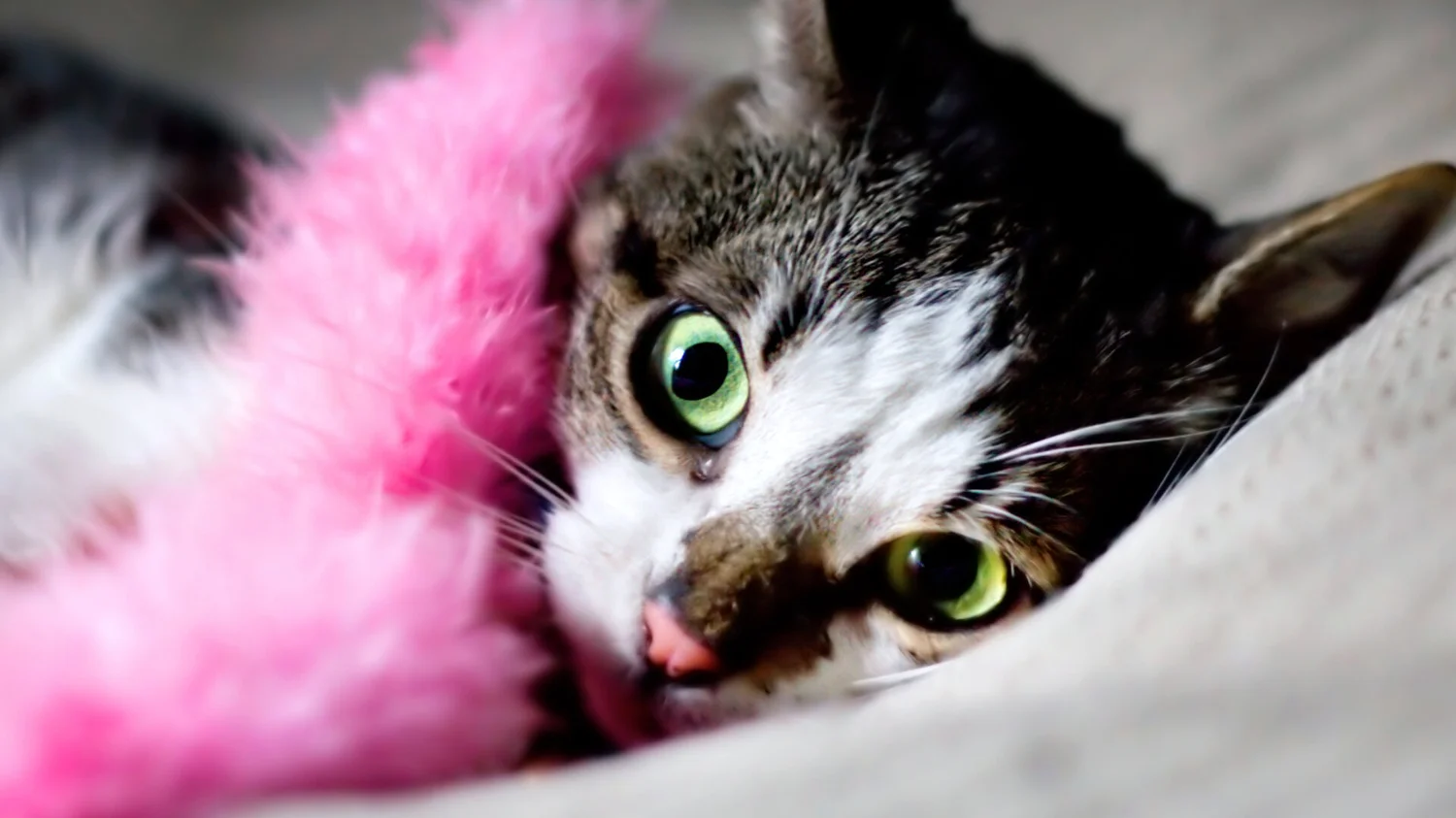
Have you ever caught your cat making strange, melodic sounds while playing with her favorite toy? It’s not just cute—it’s fascinating.
You might wonder, why does your cat sing to her toy? Understanding this behavior can deepen your bond and reveal surprising insights into your furry friend’s mind. Keep reading to discover the reasons behind this charming habit and learn how to respond in a way that makes your cat even happier.
Cat Vocalizations And Communication
Understanding your cat’s vocalizations can change how you connect with her. Cats use a variety of sounds to express feelings, needs, or even to entertain themselves. When your cat “sings” to her toy, she’s communicating in a way that’s both playful and meaningful.
Types Of Cat Sounds
Cats produce many sounds, each with a different meaning. Here are some common ones you might hear:
- Meowing:Often used to get your attention or ask for something.
- Purring:Usually signals contentment, but can also mean your cat is seeking comfort.
- Chirping and Trilling:These sounds often appear when a cat is excited or focused, like when watching birds or playing.
- Hissing and Growling:Clear signs of fear or aggression.
- Yowling:A longer, louder call that may signal distress or mating behavior.
That “singing” sound your cat makes might actually be a mix of chirps and trills. It’s a way she interacts with her environment and expresses excitement.
Purpose Behind Cat Vocalizations
Why does your cat sing to her toy? It’s more than just fun noise. Vocalizing helps her practice hunting skills and express emotions.
When she “sings” to a toy, she might be showing excitement or trying to communicate her playful mood. It’s a way to mimic how she’d call out to prey in the wild.
Have you noticed your cat’s tone changes with different toys or situations? Paying attention to these nuances can help you understand what she’s really saying.

Credit: moderncat.com
Singing Behavior In Cats
Cats are known for many unique behaviors, and singing is one of the most curious. Some cats produce soft, melodic sounds that resemble singing. This behavior puzzles many pet owners. Understanding why cats sing helps us connect better with them. Singing is more than just noise; it is a form of communication and expression.
What Singing Means For Cats
Singing in cats often shows contentment and happiness. It can be a way to express comfort while playing or resting. Cats may sing to attract attention or share their feelings. This vocalization might also mimic their natural hunting calls. In some cases, singing signals bonding with toys or humans. It is a gentle, rhythmic sound that cats use to communicate joy or curiosity.
Common Situations For Cat Singing
Cats often sing during playtime with toys. They may also sing when they feel safe and relaxed. Singing can happen when a cat is exploring or feeling curious. Some cats sing to soothe themselves or reduce stress. It is common during quiet moments or gentle interactions. Watching your cat sing can reveal how it feels at that moment.
Interaction With Toys
Interaction with toys plays a big role in your cat’s daily life and behavior. When your cat “sings” or vocalizes to her toy, it’s more than just play. It reveals how deeply she connects and engages with her surroundings in ways you might not expect.
Why Cats Engage With Toys
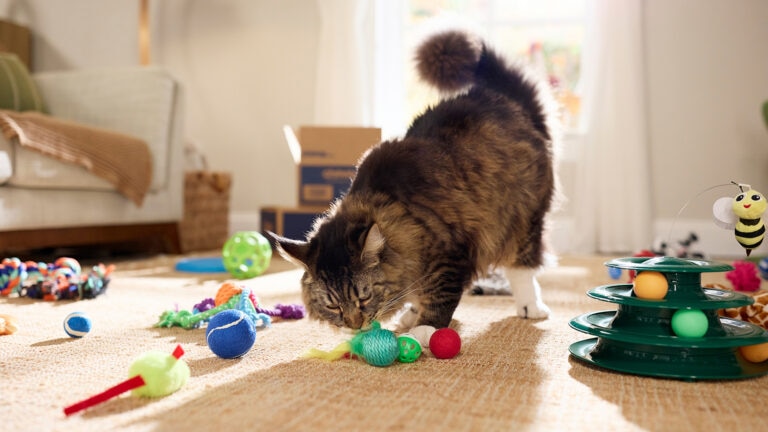
Cats interact with toys to satisfy their natural hunting instincts. Toys mimic prey, so your cat’s attention and vocalization show she’s mentally and physically involved.
Have you noticed your cat’s eyes tracking a moving toy or her paws batting and grabbing it? These are signs she’s fully engaged. Vocalizing, like “singing,” often happens when she’s excited or focused, similar to how she might react to real prey.
This engagement keeps your cat sharp, active, and entertained. Without this, boredom can lead to unwanted behaviors. So, your cat’s vocal play is a positive sign of her mental and physical health.
Emotional Connection To Toys
Some cats form strong emotional bonds with their toys, treating them almost like companions. Your cat’s “singing” might express affection or joy toward her favorite toy.
I once had a cat who would carry her toy everywhere, gently “talking” to it. This behavior showed her comfort and attachment, similar to how humans talk to pets or cherished objects.
Does your cat have a go-to toy she returns to often? This preference reveals her emotional connection. Toys can provide comfort, reduce stress, and even help your cat feel secure when you’re not around.
Reasons Cats Sing To Toys
Cats have unique ways of communicating, and singing to their toys is one of the most curious behaviors you might notice. Understanding why your cat sings to her toy can reveal a lot about her feelings and needs. These reasons range from mimicking natural communication to seeking your attention in a playful way.
Mimicking Communication
Your cat might be trying to imitate the sounds she hears from other cats or even from you. Singing to a toy can be her way of practicing social calls or marking it as part of her “group.”
Have you noticed your cat’s different meows and chirps? Singing to toys can be an extension of this natural behavior, helping her stay connected to her instinctual communication patterns.
Expressing Contentment
When your cat sings to her toy, she could be showing that she feels safe and happy. Just like purring, singing is a sign of contentment and comfort.
Think about the moments when your cat relaxes next to her favorite toy and starts making sweet sounds. It’s her way of saying, “I’m at peace here.”
Seeking Attention
Sometimes, your cat sings to her toy to get your focus. She might want you to join the fun or notice her playful mood.
Have you ever watched your cat sing at her toy and then look directly at you? That’s her subtle way of inviting interaction and bonding with you.
Playful Bonding
Singing can also be part of your cat’s play routine with her toy. It’s a way to build a connection, even if the toy can’t respond.
Think about how cats vocalize during play with other cats or humans. Singing to her toy might be your cat’s way of creating a lively playtime atmosphere.
How To Respond To Your Cat’s Singing
Knowing how to respond to your cat’s singing helps build a stronger bond. Cats use sounds to communicate feelings and needs. Your reaction can encourage good behavior and deepen your connection.
Encouraging Positive Interaction
Join your cat’s playtime by showing interest in her singing. Talk softly or mimic the sounds to keep her engaged. Use toys and treats to reward her happy noises. This makes singing a fun, shared activity. Avoid scolding or ignoring her songs. Positive attention teaches her that singing brings good things.
Identifying Behavioral Changes
Observe if your cat’s singing changes suddenly. More or less singing may signal stress or illness. Watch for other signs like hiding, loss of appetite, or aggression. Keep a journal of these changes for your vet. Early notice helps keep your cat healthy and happy.
Credit: www.chewy.com
When To Consult A Veterinarian
Cats may sing to their toys out of joy or to express curiosity. Visit a veterinarian if your cat shows sudden behavior changes or seems stressed.
When your cat starts serenading her toy, it can be an adorable sight. However, there are times when this behavior might signal something more than just playful antics. It’s essential to know when this vocalization could indicate an underlying issue that requires a veterinarian’s attention. By recognizing specific signs, you can ensure your feline friend stays healthy and happy.Signs Of Stress Or Discomfort
Cats might sing to their toys due to stress or discomfort. Notice if your cat seems more anxious or if her usual routine is disrupted. Look for other signs like hiding, reduced appetite, or changes in grooming habits. Stress can manifest in different ways, and vocalization might be one of them. Has there been a recent change in your household? New pets, moving homes, or changes in schedules can all contribute to stress. If stress or discomfort seems to be the cause, it’s worth discussing with your vet. They can provide guidance and suggest solutions to help your cat feel more at ease.Unusual Vocalization Patterns
Pay attention to any changes in the pattern of your cat’s singing. Is she more vocal than usual, or is the pitch and frequency different? A cat that suddenly starts singing to her toy excessively or in a distressed manner might be trying to communicate something more serious. It’s not just about the amount of noise, but the type of noise as well. Could this new vocalization be a sign of pain or illness? If the singing is accompanied by other symptoms like lethargy or changes in behavior, it’s time to make that vet appointment. Being proactive can make all the difference. Trust your instincts and ensure your furry companion gets the care she deserves.
Credit: moderncat.com
Frequently Asked Questions
Why Does My Cat Sing To Her Toy Often?
Cats sing to toys as a form of play and communication. It mimics hunting behavior and strengthens their bond with the object. This singing shows excitement and curiosity, helping cats express emotions in a safe, playful way.
What Does Cat Singing To Toys Mean Emotionally?
Singing to toys indicates your cat feels happy and engaged. It’s a sign of comfort and joy. The behavior shows your cat’s playful nature and emotional well-being, reflecting trust and contentment in their environment.
Can Cat Singing To Toys Indicate Stress?
Usually, cat singing to toys is a positive sign, not stress. However, if combined with other unusual behaviors, it might signal anxiety. Monitor your cat’s overall behavior to ensure they feel safe and relaxed.
How Can I Encourage My Cat To Sing To Toys?
Provide interactive, engaging toys that stimulate your cat’s senses. Use toys that mimic prey sounds or movements. Praise and play with your cat to make the experience enjoyable and rewarding.
Conclusion
Cats sing to their toys to show joy and curiosity. This behavior helps them practice hunting skills safely. It also shows their strong bond with the toy. Singing can mean your cat feels happy and playful. Watching this can bring you closer to your pet.
Enjoy these moments; they reveal your cat’s unique personality. Keep giving your cat toys to keep her entertained. This simple act makes your cat feel loved and cared for.



Leave a Reply