Have you noticed your older cat suddenly stopping their usual grooming routine? It might seem like a small change, but it can tell you a lot about your furry friend’s health and happiness.
When your cat stops cleaning themselves, it’s not just about looking messy—it could be a sign that something important is going on. Understanding why this happens can help you take better care of your cat and keep them comfortable. Keep reading to discover what it really means when old cats stop grooming themselves, and what you can do to help.

Credit: pennypaws.com
Grooming Habits In Older Cats
Understanding the grooming habits of older cats can reveal a lot about their health and well-being. Grooming is more than just keeping clean; it’s a key behavior that helps cats regulate their body temperature, reduce stress, and maintain their skin and coat. If you notice changes in your senior cat’s grooming routine, it’s worth paying close attention.
Normal Grooming Behavior
Cats are known for their fastidious grooming habits. They spend a significant part of their day licking their fur, cleaning their paws, and even grooming their face and ears. This keeps their coat shiny and free of dirt, parasites, and dead hair.
Older cats usually maintain these habits but might do so at a slower pace. You might see them take longer breaks between grooming sessions or focus more on certain areas. This is normal as long as their coat looks healthy and they don’t develop bald patches or skin problems.
Changes With Age
As cats age, several factors can affect their ability to groom properly. Arthritis or dental issues can make it painful or difficult for them to reach certain spots. You might notice your cat’s fur becoming matted or greasy, which signals a grooming problem.
Sometimes, a decline in grooming can indicate deeper health concerns like kidney disease, hyperthyroidism, or cognitive decline. Have you ever seen your older cat stop cleaning themselves and wondered if it was just laziness or something more serious? This change should prompt a vet visit to rule out medical causes.
To help your aging cat, you can assist with regular brushing, especially in hard-to-reach areas. Keeping an eye on their grooming habits can be one of the easiest ways to catch health issues early and keep your furry friend comfortable.
Reasons For Grooming Decline
Older cats often stop grooming themselves due to several reasons. These causes can affect their ability or desire to clean their fur. Understanding why grooming declines helps in caring for senior cats properly.
Physical Limitations
As cats age, their bodies grow weaker. Arthritis and joint pain make it hard to reach certain areas. Stiffness slows their movements, so grooming becomes difficult. Some cats lose flexibility, especially around the neck and hips. This limits their ability to clean themselves well.
Health Issues
Health problems often reduce grooming behavior. Dental pain can stop a cat from licking its fur. Skin conditions or infections may cause discomfort during grooming. Illnesses like kidney disease or diabetes affect energy levels. Low energy means less motivation to groom regularly.
Emotional Factors
Stress and anxiety impact grooming habits. Older cats may feel confused or scared in new environments. Loss of a companion can cause sadness, leading to neglect of grooming. Depression in cats shows through lack of self-care. Emotional struggles reduce the desire to stay clean.
Common Health Problems Linked To Grooming
When your older cat suddenly stops grooming, it’s a clear sign something might be wrong. Grooming is more than just cleanliness; it reflects your cat’s overall health and comfort. Several common health issues can cause this change, and recognizing them early can make a big difference in your cat’s quality of life.
Arthritis And Mobility
Arthritis is a frequent cause of grooming difficulties in senior cats. Joint pain and stiffness make it hard for them to reach certain areas like their back or belly. You might notice your cat avoiding jumping or moving less, which can signal arthritis affecting their grooming habits.
Have you seen your cat struggle to stretch or twist their body like they used to? This discomfort often stops them from keeping themselves clean. Helping your cat with gentle massages or providing ramps can ease their movement and encourage grooming again.
Dental Pain
Dental problems can also lead to reduced grooming. If your cat’s mouth hurts, they might avoid licking their fur because it causes discomfort. Bad breath, drooling, or difficulty eating are signs that dental pain could be behind the grooming change.
Regular dental check-ups are essential, especially for aging cats. You might even try offering softer food or dental treats to see if it helps them feel more comfortable. Could your cat’s grooming issues be a silent cry for dental care?
Skin Conditions
Skin problems like allergies, infections, or parasites often cause cats to stop grooming. Your cat might have itchy, inflamed, or painful skin, making grooming unbearable. Look for redness, bald patches, or scabs as clues.
Sometimes, skin issues are subtle and easy to miss. A quick visit to the vet can identify the problem and provide treatments that relieve discomfort. Would you notice if your cat’s skin wasn’t as healthy as usual?
Internal Illnesses
Serious internal illnesses such as kidney disease, diabetes, or hyperthyroidism can also affect grooming habits. These conditions drain your cat’s energy and motivation, leaving grooming low on their priority list. Weight loss, increased thirst, or changes in appetite often accompany these illnesses.
Pay attention to any sudden grooming changes combined with other symptoms. Early diagnosis and treatment can help your cat feel better and return to their grooming routine. How closely do you watch for these subtle health signals in your aging cat?

Credit: weareallaboutcats.com
Behavioral And Emotional Indicators
When old cats stop grooming themselves, it often signals changes in their behavior and emotions. Grooming is a natural habit that shows a cat feels well and calm. A drop in grooming can reveal stress, anxiety, or deeper health issues. Observing these signs helps understand what your cat might be feeling.
Stress And Anxiety
Stress can make cats stop grooming. Loud noises, new environments, or changes in routine upset them. Cats may hide, refuse to eat, or avoid cleaning themselves. Stress affects their mood and behavior quickly. Grooming less shows they feel uneasy or scared.
Cognitive Decline
Older cats can suffer from brain changes similar to dementia. This condition is called cognitive decline. It causes confusion, forgetfulness, and less interest in self-care. Cats may forget grooming habits or find it hard to clean hard-to-reach spots. Their behavior becomes irregular and less active.
Depression In Cats
Depression can reduce grooming in cats. Loss of a companion, illness, or boredom often triggers sadness. Depressed cats appear lethargic and lose appetite. They stop playing or exploring. Grooming stops as they lose interest in themselves and their surroundings.
Signs To Watch For
When older cats stop grooming themselves, it can signal health issues. Grooming is a natural behavior for cats. A decline in this activity often indicates underlying problems. Watch for specific signs to understand your cat’s condition.
Mattes And Unkempt Fur
Old cats with grooming issues often have matted fur. Their coat may appear tangled or dirty. This happens because they can’t clean themselves properly. You might notice more shedding or clumps of fur. Regular grooming helps prevent these issues.
Odor And Skin Irritations
Unkempt cats may start to smell bad. This odor comes from dirt and oils on their skin. Skin irritations might also develop. Look for redness or sore spots. These signs suggest a lack of grooming. They can lead to infections if not addressed.
Changes In Activity Level
Reduced grooming can accompany changes in activity. An older cat may seem less energetic. They might sleep more than usual. These changes can affect their overall health. Be observant of any shifts in behavior or routine.
When To Seek Veterinary Help
Noticing your older cat has stopped grooming can be worrying. It’s a clear sign that something might be wrong, but how do you know when it’s time to call the vet? Understanding when to seek veterinary help can make a big difference in your cat’s health and comfort.
Assessment And Diagnosis
When your cat stops grooming, a vet will first perform a thorough physical exam. They’ll check for dental problems, skin infections, arthritis, or other hidden health issues that might cause discomfort.
Diagnostic tests such as blood work or X-rays might be needed to identify underlying conditions. Have you noticed any other changes in your cat’s behavior or appetite? Sharing these details helps the vet make a more accurate diagnosis.
Treatment Options
Treatment depends on the cause of your cat’s grooming change. If dental pain is the issue, dental cleaning or extractions might be necessary.
For skin conditions, medicated shampoos or antibiotics can help. Sometimes, simple pain relief for arthritis improves mobility, allowing your cat to groom again.
Ask your vet about the best approach and how to monitor progress at home.
Managing Chronic Conditions
Some cats develop long-term problems that affect grooming, like arthritis or diabetes. Managing these conditions requires a combination of medication, diet changes, and supportive care.
Regular vet check-ups become vital to adjust treatments and keep your cat comfortable. Have you considered ways to help your cat groom, like gentle brushing or spot cleaning?
Working closely with your vet ensures your aging cat stays happy and healthy despite chronic issues.
Supporting Your Senior Cat’s Grooming
Supporting your senior cat’s grooming helps keep them healthy and comfortable. Older cats may stop grooming due to pain, arthritis, or other health issues. Helping your cat maintain a clean coat can improve their wellbeing and prevent skin problems. Small daily efforts make a big difference for your cat’s happiness and health.
Regular Brushing
Brushing your senior cat removes loose fur and dirt. It prevents mats that can cause pain and skin infections. Use a soft brush designed for cats. Brush gently to avoid hurting sensitive skin. Regular brushing also helps you check for lumps or wounds early. Aim for short, calm sessions to keep your cat relaxed.
Comfortable Environment
Create a quiet and warm space for grooming sessions. Older cats may feel stressed or scared easily. Use soft towels or blankets to make them comfortable. Choose a spot with good lighting and few distractions. Keep grooming tools nearby to avoid long breaks. A calm setting encourages your cat to enjoy grooming time.
Diet And Hydration
Good nutrition supports healthy skin and fur. Feed your senior cat a balanced diet made for older cats. Proper nutrients help maintain coat shine and thickness. Make fresh water available at all times. Hydration keeps skin soft and less prone to dryness. Monitor eating and drinking habits to catch problems early.
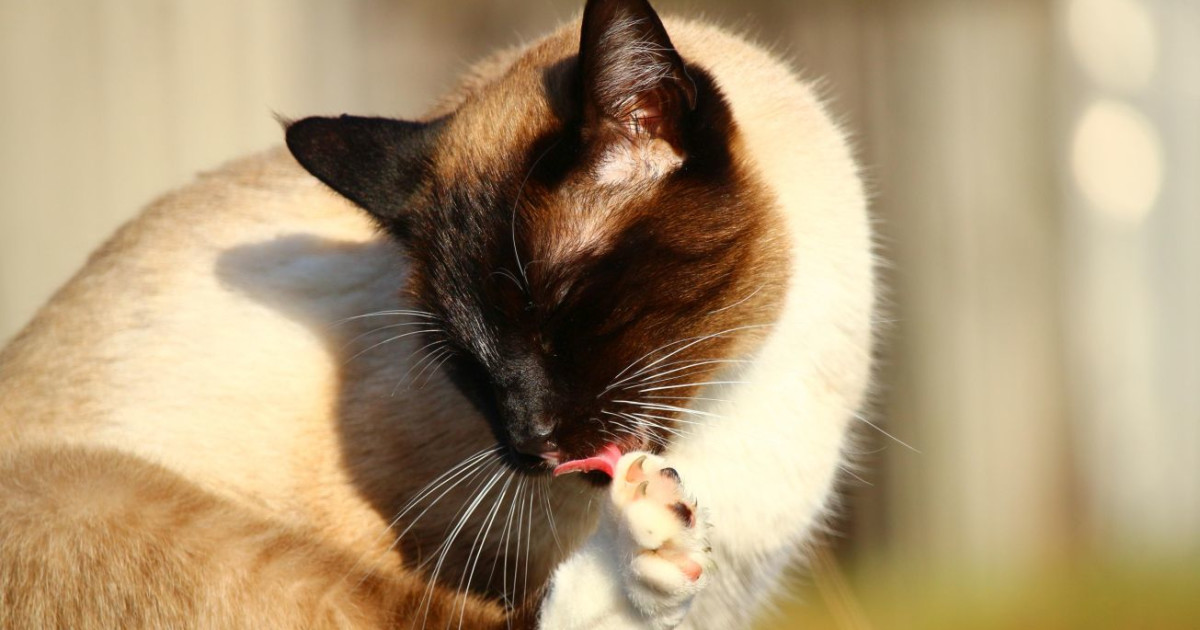
Credit: pethelpful.com
Preventive Measures For Healthy Aging
Old cats that stop grooming may have health or mobility problems. Regular checks and gentle care help keep them comfortable and clean. Supporting their well-being encourages healthy aging and a better quality of life.
Preventive measures help ensure a cat’s health in its golden years. Old cats may stop grooming due to various reasons. Taking steps to maintain their health can prevent this.Routine Vet Checkups
Regular vet visits catch health issues early. Schedule checkups at least twice a year. Vets can detect problems that might affect grooming. Early detection can lead to better treatment options.Exercise And Enrichment
Keep your cat active to promote overall health. Simple toys can encourage movement. Create a stimulating environment to maintain their interest. Regular exercise supports both physical and mental well-being.Monitoring Behavior Changes
Observe any changes in your cat’s behavior. Note if they groom less or act differently. Sudden changes can indicate health issues. Quick action can address potential problems early.Frequently Asked Questions
Why Do Old Cats Stop Grooming Themselves?
Older cats may stop grooming due to arthritis, dental pain, or reduced mobility. These issues make self-cleaning difficult and uncomfortable. Grooming is also linked to their overall health, so a decline can signal medical problems requiring veterinary attention.
How Does Lack Of Grooming Affect Senior Cats?
When senior cats stop grooming, their fur becomes matted and dirty. This can cause skin infections and discomfort. Poor grooming also indicates underlying health issues, making timely vet visits essential for proper diagnosis and treatment.
Can Health Problems Cause Grooming Loss In Old Cats?
Yes, health problems like arthritis, dental disease, or kidney issues often cause grooming loss. These conditions reduce a cat’s ability or motivation to clean themselves. Early diagnosis and treatment can improve their grooming habits and overall well-being.
What Should I Do If My Old Cat Stops Grooming?
If your old cat stops grooming, observe for other symptoms like lethargy or weight loss. Schedule a vet visit promptly to diagnose potential health issues. Regular grooming assistance at home can also help maintain their coat and comfort.
Conclusion
Old cats stopping grooming often show health or comfort issues. Watch for signs like fur mats, weight loss, or changes in behavior. Helping your cat means checking with a vet for proper care. Gentle brushing and a calm environment can support their needs.
Small actions can improve your pet’s quality of life. Stay patient and observant; your cat depends on you. Caring for aging cats requires love and attention every day.



Leave a Reply