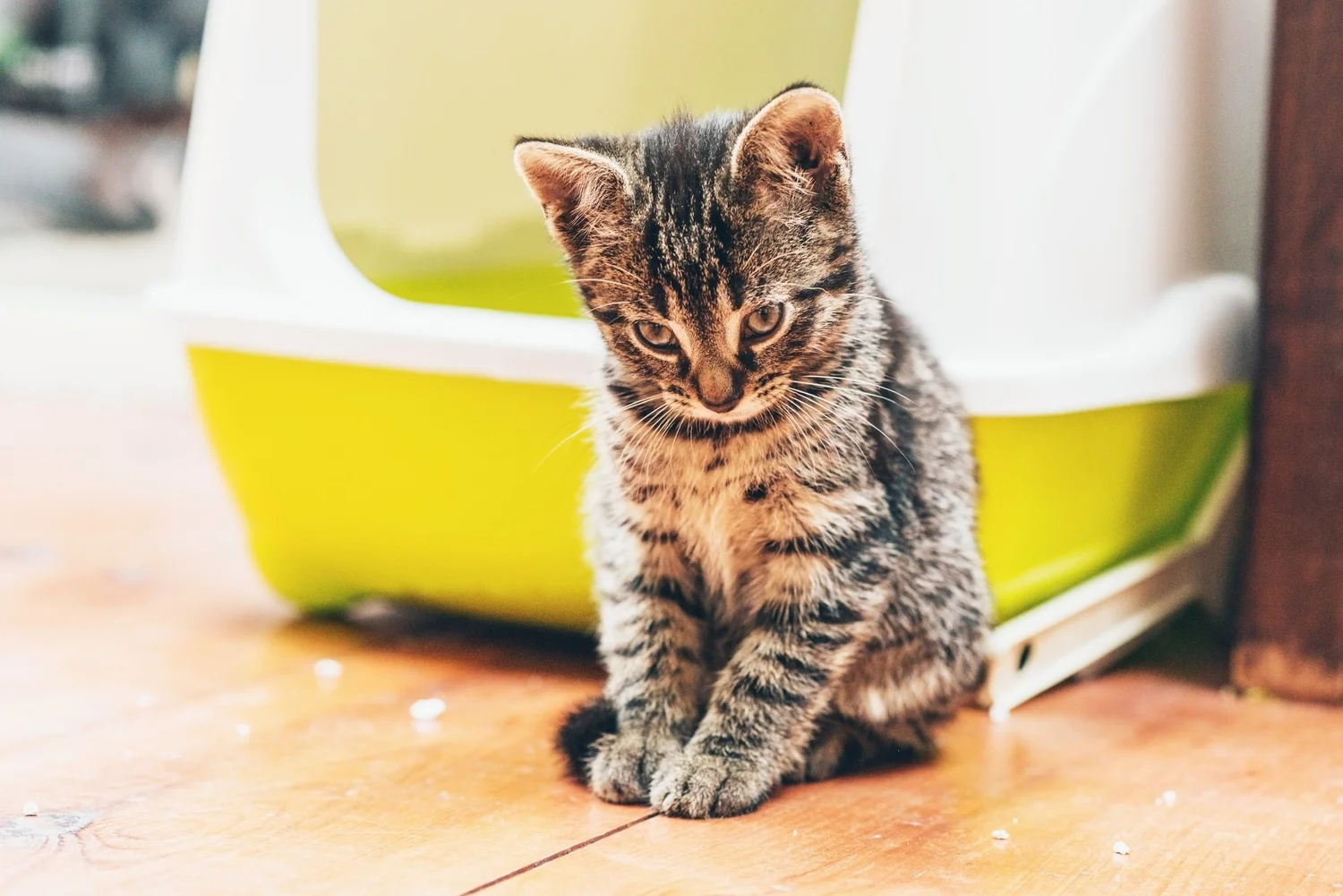
Have you ever found your cat peeing on his toys and wondered why? It’s confusing and frustrating to see something like this happen in your home.
You love your cat and want him to be happy and healthy, but this behavior can leave you scratching your head. Understanding why your cat is doing this can help you fix the problem quickly. Keep reading to discover the surprising reasons behind this behavior and what you can do to stop it for good.
Your cat’s comfort—and your peace of mind—depend on it.
Common Reasons Cats Pee On Toys
Noticing your cat peeing on their toys can be puzzling and frustrating. This behavior often signals underlying issues that need your attention. Understanding the common reasons behind this habit helps you address the root cause and keep both your cat and your home happy.
Medical Issues To Consider
Health problems can cause cats to urinate outside their litter box, including on toys. Urinary tract infections or bladder stones create discomfort, leading your cat to avoid the litter box.
If your cat suddenly starts peeing on toys, watch for signs like frequent urination, blood in urine, or licking their genitals. These symptoms mean a vet visit is necessary to rule out or treat medical issues.
Stress And Anxiety Factors
Cats are sensitive creatures, and changes in their environment can trigger stress. New pets, loud noises, or moving furniture can make your cat anxious, causing them to pee on toys for comfort or as a coping mechanism.
Have you recently introduced a new family member or changed your cat’s routine? Try adding calming products like pheromone diffusers or creating quiet spaces to reduce stress and see if the behavior improves.
Territorial Marking Behavior
Marking territory is a natural instinct, especially in unneutered or unspayed cats. Peeing on toys might be your cat’s way of claiming their belongings in the home.
Consider whether other cats are nearby or if your cat feels threatened by new scents. Neutering or spaying can reduce marking, but providing multiple litter boxes and cleaning toys thoroughly can also help manage this behavior.
Credit: www.chewy.com
How Toys Become Targets
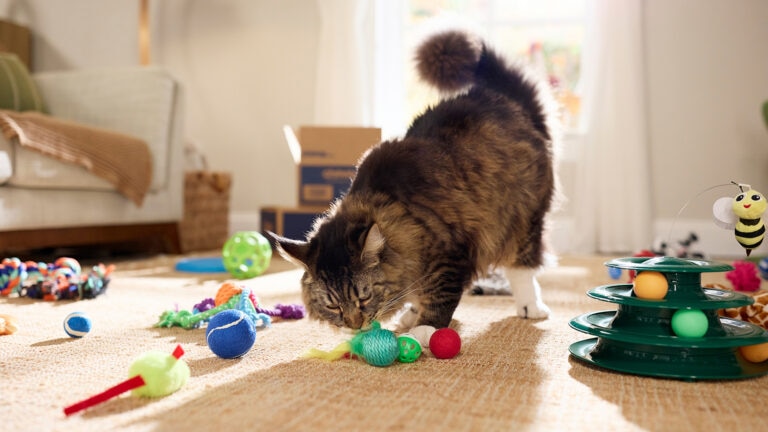
Cats often mark their territory by peeing on objects they find important. Toys can become these targets for several reasons. Understanding why toys attract your cat’s attention helps address this behavior. The way cats see and use their toys plays a big role.
Scent And Familiarity
Toys carry your cat’s scent after playtime. This scent makes the toys familiar and comforting. Cats may pee on toys to reinforce their smell. It tells other cats this toy belongs to them. Sometimes, if a toy smells like another animal, your cat may mark it to claim ownership.
Location And Accessibility
Toys placed in quiet, private spots invite marking. Cats prefer to mark objects they can reach easily. Toys left in places where your cat spends time are more likely targets. If a toy is in a hidden corner, your cat might feel safe to pee there. Accessibility and location make toys easy targets for marking behavior.
Behavioral Triggers
Behavioral triggers can often explain why your cat chooses to pee on his toys. These actions usually signal stress, confusion, or a way for your cat to communicate discomfort. Understanding these triggers can help you address the root cause and prevent this behavior from continuing.
Changes In Environment
Cats are creatures of habit and can react strongly to changes in their surroundings. Moving furniture, new scents, or even different cleaning products can unsettle them.
One cat I know started peeing on his favorite toy right after we switched to a new air freshener. It was his way of marking something familiar amidst the unfamiliar smells.
Have you noticed any recent changes at home? Even small shifts can make your cat feel insecure and lead to unwanted behaviors like this.
Interaction With Other Pets
The arrival of a new pet or changes in the dynamics between your pets can trigger anxiety or territorial behavior.
Your cat might pee on his toys to mark his scent and claim ownership, especially if he feels threatened or overshadowed.
Think about the last time a new animal was introduced or if there’s tension between your pets. How does your cat usually react to these situations?
Preventing Toy Urination
Preventing your cat from peeing on toys takes patience and smart care. Cats use urination to mark territory or show stress. Toys often become targets if they carry scents or stay in stressful spots. Keeping toys clean and managing your cat’s environment helps avoid this problem. Here are some key ways to stop toy urination.
Cleaning And Toy Maintenance
Wash your cat’s toys regularly to remove urine smells. Use mild soap and warm water for cleaning. Avoid harsh chemicals that can harm your cat. Dry toys completely before giving them back. Replace old or damaged toys to keep things fresh. Clean toys reduce the chance your cat marks them again.
Creating A Stress-free Space
Stress causes many cats to urinate outside the litter box. Give your cat a quiet, safe place to relax. Use soft bedding and cozy hiding spots. Play with your cat daily to reduce anxiety. Keep noise and sudden changes low. A calm environment lowers stress and marking behaviors.
Litter Box Management Tips
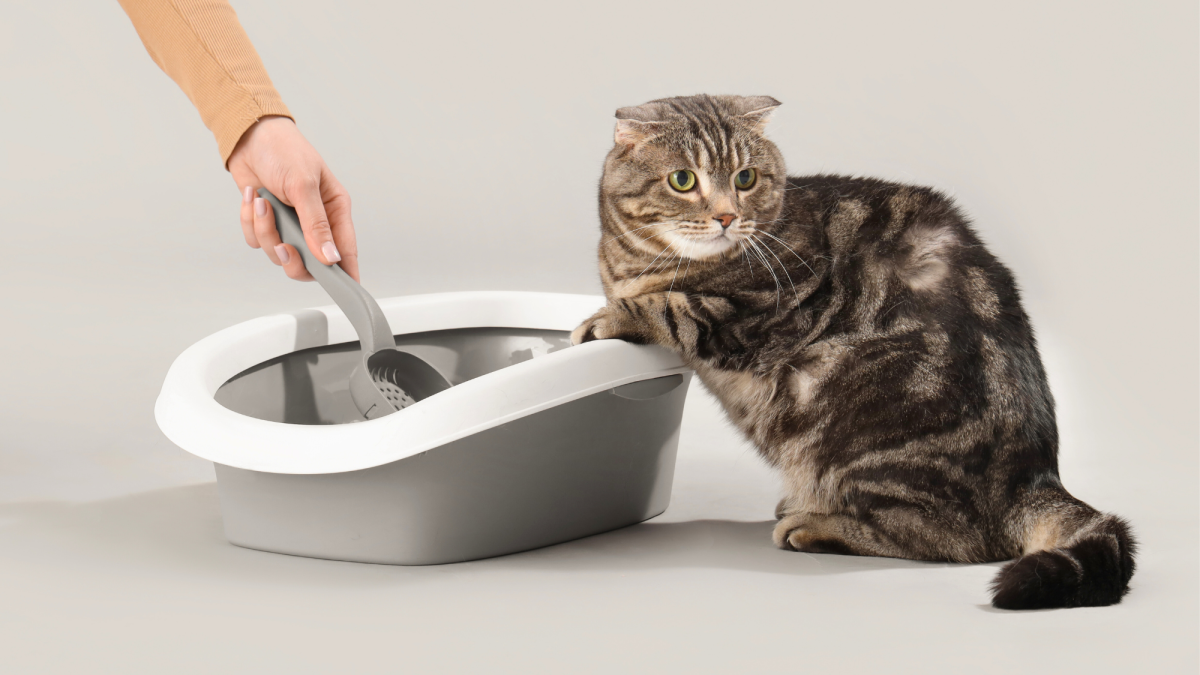
- Place litter boxes in quiet, easy-to-access spots.
- Use unscented, clumping litter to encourage use.
- Clean litter boxes daily to keep them fresh.
- Provide one litter box per cat plus one extra.
- Change litter and clean boxes weekly with mild soap.
Good litter box care helps your cat feel secure. It lowers chances of urinating on toys or elsewhere.
When To See A Vet
When your cat pees on his toys, it might seem puzzling. This behavior could signal a health problem. Knowing when to see a vet is crucial. Cats can’t tell us they’re unwell, so we must watch for signs. Early vet visits can prevent serious issues.
Recognizing Warning Signs
Look for changes in your cat’s behavior. Is he peeing outside the litter box often? Does he show discomfort while peeing? Notice any blood in the urine? These could be warning signs. Increased thirst or appetite changes are also red flags. These symptoms might indicate a urinary tract infection or other health issues.
Diagnostic Tests And Treatments
Vets use various tests to diagnose the problem. A urinalysis checks for infections or crystals. Blood tests reveal kidney or liver issues. An ultrasound might be needed to check for blockages. Treatment depends on the diagnosis. Antibiotics treat infections. Special diets help dissolve crystals. In severe cases, surgery might be necessary.

Credit: www.reddit.com
Credit: pethelpful.com
Frequently Asked Questions
Why Does My Cat Pee On His Toys Repeatedly?
Cats may pee on toys to mark territory or express stress. It can also signal a medical issue like a urinary tract infection. Observe behavior and consult a vet if it persists to rule out health problems.
Can Stress Cause My Cat To Pee On Toys?
Yes, stress triggers inappropriate urination in cats. Changes in environment, new pets, or loud noises can cause anxiety. Providing a calm space and using pheromone diffusers can help reduce stress-related behaviors.
How Can I Stop My Cat From Peeing On Toys?
Clean soiled toys thoroughly to remove odor. Provide enough litter boxes and maintain cleanliness. Offer new toys and positive reinforcement for using the litter box. Consult a vet to exclude medical causes.
Is My Cat’s Urination On Toys A Health Concern?
Inappropriate urination may indicate health issues like bladder infection or stones. If your cat pees outside the litter box frequently, a vet visit is necessary. Early diagnosis prevents complications and ensures proper treatment.
Conclusion
Cats pee on toys for many reasons, such as stress or marking territory. Understanding their behavior helps you find the right solution. Clean the toys well and watch for changes in your cat’s habits. Giving your cat enough attention and a clean litter box can reduce this problem.
Keep observing your cat closely to keep them happy and healthy. Small changes can make a big difference in your cat’s comfort. Stay patient and caring to help your furry friend feel safe.



Leave a Reply