Have you ever wondered what happens if you try to groom a cat’s tongue? It might sound strange, but understanding this can help you take better care of your feline friend.
Your cat’s tongue is unique, covered in tiny, hook-like structures that do more than just help them eat. Knowing how these work and what happens when they are groomed can keep your cat healthy and happy. Keep reading, and you’ll discover surprising facts that can change the way you care for your cat’s mouth and fur.
Don’t miss out on these important tips!

Credit: catsofcapetown.com
Cat Tongue Anatomy
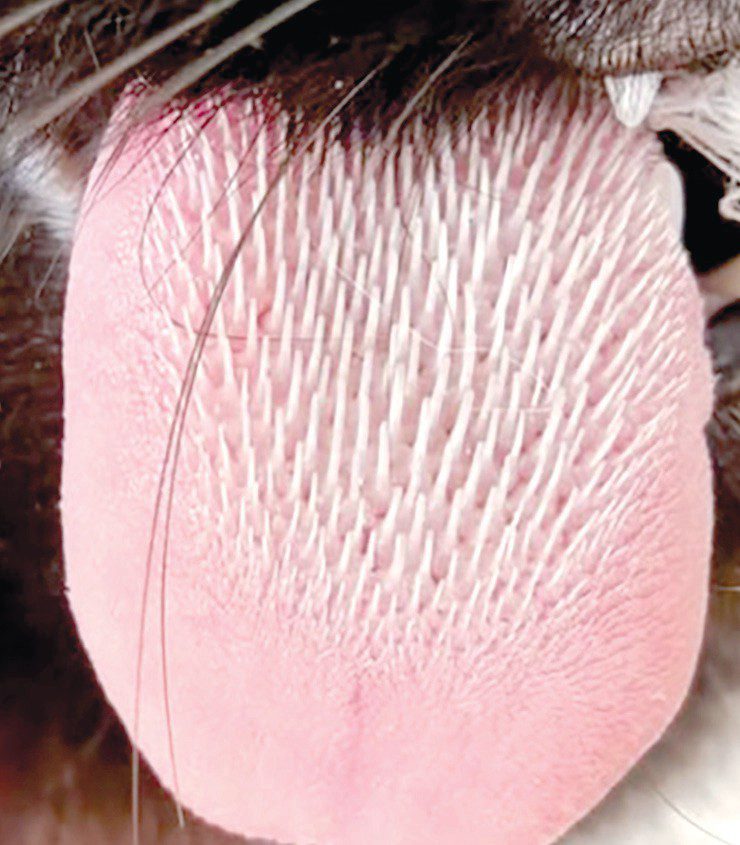
The anatomy of a cat’s tongue is a fascinating blend of form and function. Understanding its unique structure helps you appreciate why grooming a cat tongue requires special care. The tongue isn’t just a soft muscle; it has features designed for survival and hygiene that differ greatly from ours.
Unique Texture Features
Cat tongues are covered with tiny, hook-shaped structures called papillae. These hooks give the tongue a rough texture, almost like sandpaper. This texture helps cats clean their fur effectively and remove loose hair and dirt.
Because of this roughness, grooming your cat’s tongue directly can be uncomfortable or even harmful. Imagine running your hand over fine sandpaper—it’s designed to scrape, not to be touched gently.
Have you ever noticed how your cat’s tongue feels when it licks you? That rough sensation is the papillae at work, not just a quirky trait but a vital grooming tool.
Role Of Papillae
Papillae are made of keratin, the same material as human fingernails. They point backward, which helps cats pull loose fur and dirt from their coat. This design also aids in holding onto prey and drinking water.
These tiny hooks play a key role in your cat’s hygiene and health. They remove dead skin and stimulate natural oil production, keeping the coat shiny and healthy.
When you try to groom the tongue itself, these papillae can cause irritation or damage. So, knowing their role can help you understand why it’s better to focus on external grooming instead.

Credit: paw-swing.com
Purpose Of Grooming In Cats
Cats spend a lot of time grooming themselves. Grooming is more than just keeping clean. It helps cats stay healthy and comfortable. Understanding why cats groom can explain what happens if you groom a cat’s tongue.
Self-cleaning Mechanism
Cats use their tongues to clean fur and skin. Their tongues have tiny, hook-like structures. These hooks remove dirt and loose hair. Grooming also spreads natural oils across their coat. This keeps fur smooth and shiny.
Temperature Regulation
Grooming helps cats cool down. When they lick their fur, saliva evaporates. This evaporation lowers their body temperature. It works like natural air conditioning. Grooming is important during hot days.
Stress Relief
Grooming calms cats. It reduces anxiety and tension in their bodies. Cats often groom more when they feel nervous. This behavior gives them comfort. It helps them relax and feel safe.
Effects Of Grooming A Cat Tongue
Grooming a cat’s tongue can lead to several effects that impact the cat’s health and behavior. The tongue has a unique texture and plays a key role in a cat’s daily grooming routine. Understanding the effects helps in caring for cats properly.
Physical Impact On The Tongue
The cat’s tongue is covered with tiny, hook-like structures called papillae. Grooming or manipulating the tongue can cause irritation or damage to these papillae. This may result in:
- Swelling or soreness on the tongue surface
- Difficulty eating or drinking due to discomfort
- Possible infections if the skin breaks
- Changes in the texture or sensitivity of the tongue
Damage to the tongue can affect a cat’s ability to clean itself effectively. This may lead to poor coat condition and hygiene issues.
Behavioral Changes In Cats
A cat with tongue discomfort may show signs of stress or anxiety. Behavioral changes can include:
- Reduced grooming, leading to a messy coat
- Avoidance of food or water due to pain
- Increased irritability or aggression
- Lethargy or withdrawal from social interaction
Observing these changes early helps in seeking veterinary care. Proper care prevents long-term issues and keeps cats comfortable.
Potential Risks And Concerns
Grooming a cat’s tongue poses several risks. The tongue is delicate and covered with tiny, sharp papillae. Handling it incorrectly can cause harm and lead to health issues. Understanding these risks helps protect your cat from pain and complications.
Injury To The Tongue
The cat’s tongue has rough textures that can easily tear or scratch. Applying too much pressure during grooming can cause cuts or bruises. These injuries can be painful and make eating difficult. Even gentle grooming needs caution to avoid hurting sensitive tissues.
Infection Possibilities
Open wounds on the tongue increase infection risk. Bacteria from the mouth or environment can enter these wounds. Infection can cause swelling, redness, and discomfort. Untreated infections may lead to serious health problems. Maintaining cleanliness and avoiding injury reduces infection chances.
How Cats Respond To Tongue Grooming
Grooming a cat’s tongue can surprise both you and your pet. Cats may lick or pull away, showing curiosity or discomfort. Their reaction depends on comfort and trust with the person grooming them.
Cats are known for their meticulous grooming habits. Their tongues play a key role in this ritual. If you groom a cat’s tongue, their responses can vary. Understanding these reactions helps in bonding with your feline friend.Signs Of Discomfort
Cats may show signs of discomfort during tongue grooming. Look for subtle cues. They might pull away suddenly. Ears may flatten against their head. Hissing can also occur as a warning. Watch for these signs to ensure their comfort.Adaptation Over Time
Some cats adapt to tongue grooming over time. They may start to enjoy it. This requires patience and gentle handling. Gradual exposure helps them feel safe. Positive reinforcement encourages their acceptance. Stay calm and consistent for best results.Alternatives To Grooming A Cat Tongue
Grooming a cat’s tongue is not only unnecessary but can also be uncomfortable and potentially harmful for your feline friend. Instead of attempting to groom their tongues directly, there are safer and more effective ways to support your cat’s oral health and overall grooming needs. Let’s look at some alternatives that protect your cat’s delicate tongue while keeping them clean and healthy.
Safe Grooming Practices
Your cat’s tongue is covered in tiny, hook-like structures called papillae, designed to help them clean their fur. Trying to groom or brush their tongue can cause pain or injury. Instead, focus on grooming their coat regularly using tools designed for cats, like soft brushes or grooming gloves.
Brush your cat gently to remove loose fur and prevent matting. This reduces the chance of hairballs without needing to touch their tongue. You can also use damp cloths or pet-safe wipes to clean around their mouth if needed.
- Use a soft-bristled brush suitable for your cat’s fur type
- Gently wipe the corners of their mouth with a clean, damp cloth
- Encourage self-grooming by maintaining a stress-free environment
Have you noticed how your cat licks themselves to stay clean? Trust their natural grooming instincts and focus your efforts on supporting them rather than interfering with their tongue.
Veterinary Recommendations
If you’re concerned about your cat’s oral health or grooming habits, consulting a veterinarian is the best step. Vets can check for dental issues or infections that might affect your cat’s tongue and recommend appropriate treatments.
They may suggest professional dental cleanings or prescribe special diets and oral care products that support healthy teeth and gums. Avoid trying to clean or groom your cat’s tongue at home, as improper handling can lead to pain or injury.
- Schedule regular dental check-ups with your vet
- Ask about oral rinses or gels safe for cats
- Follow vet advice for any oral health concerns
Remember, your vet is your best resource when it comes to your cat’s health. Have you talked to your vet about your cat’s grooming needs recently?
Credit: catsofcapetown.com
Frequently Asked Questions
What Happens If You Groom A Cat Tongue?
Grooming a cat tongue can remove dirt and loose cells. However, it may cause irritation due to the tongue’s rough texture. Always be gentle and use a soft cloth or brush. Avoid excessive grooming to prevent discomfort or injury to the tongue.
Can You Safely Clean A Cat’s Tongue?
Yes, you can safely clean a cat’s tongue with care. Use a damp, soft cloth to gently wipe the tongue’s surface. Avoid harsh tools or chemicals. If your cat resists, consult a vet to prevent stress or damage during cleaning.
Why Does A Cat’s Tongue Feel Rough When Groomed?
A cat’s tongue feels rough due to papillae, tiny backward-facing spines. These help with grooming and eating. When groomed, the roughness can cause slight discomfort. Understanding this helps you handle the tongue gently during cleaning or examination.
Is Grooming A Cat’s Tongue Necessary?
Grooming a cat’s tongue is usually unnecessary. Cats naturally clean their tongues while grooming themselves. Manual cleaning is only needed if there is excessive dirt or medical issues. Consult a vet before attempting to groom a cat’s tongue.
Conclusion
Grooming a cat’s tongue is a curious idea, but it’s not safe or helpful. Cats use their tongues to clean fur and skin naturally. Trying to groom their tongues can cause harm or stress. Instead, focus on regular brushing and vet care.
Remember, cats know how to take care of themselves best. Respect their natural habits for a happy, healthy pet. Simple care goes a long way in keeping your cat comfortable and clean.



Leave a Reply