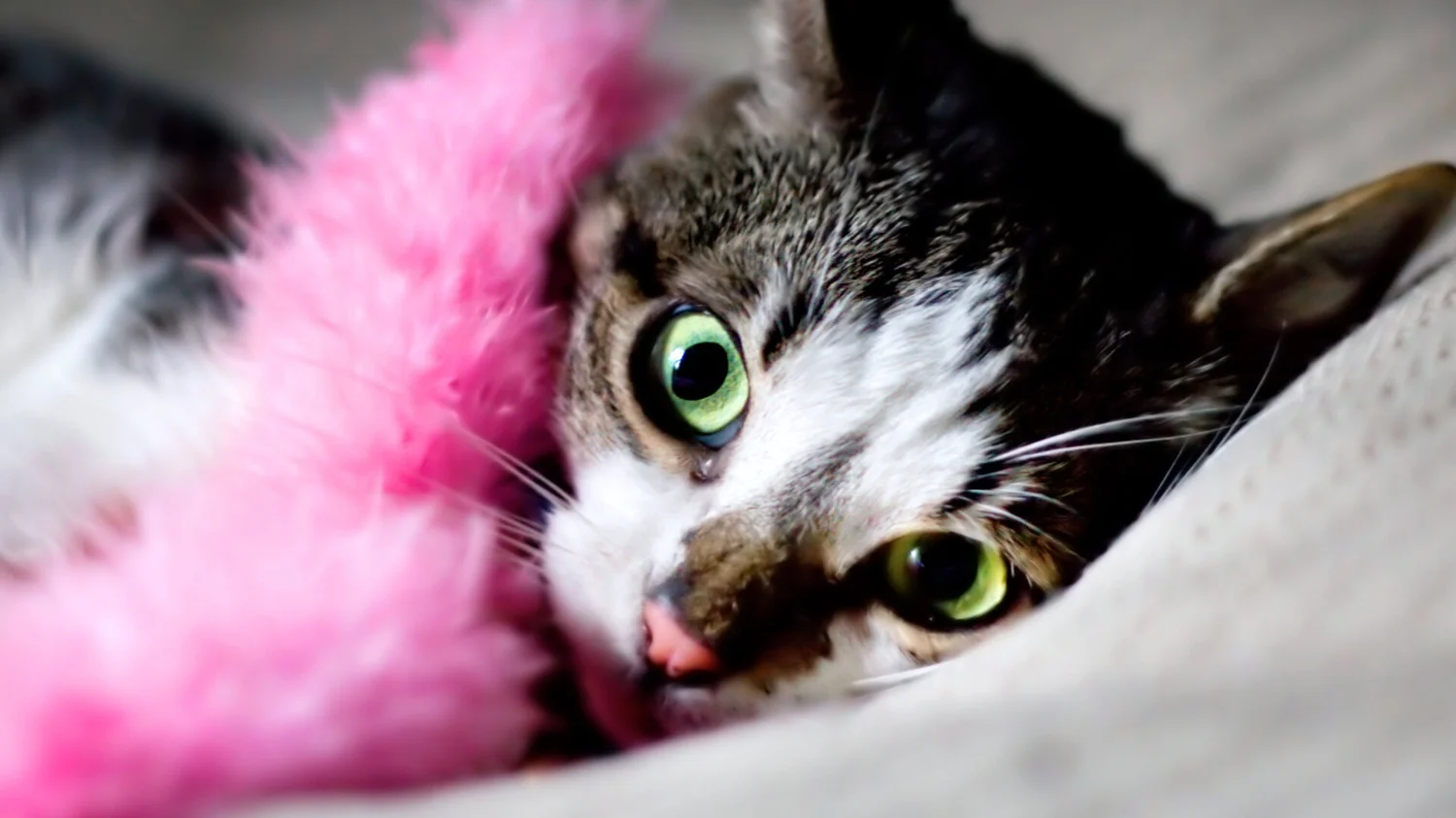
Have you ever noticed your cat crying while playing with a toy and wondered why? It can be confusing and a little surprising to hear those soft meows mixed with playtime.
Your furry friend isn’t just making noise for no reason. There’s a deeper story behind those cries that reveals what your cat is really feeling. Understanding this can help you connect with your pet on a whole new level. Keep reading to discover the surprising reasons why your cat cries with a toy—and what it means for your bond.
Cat Communication Through Tears
Have you ever noticed your cat’s eyes watering while playing with a toy? It might seem strange, but those tears can be a subtle part of how cats communicate. Understanding why your cat cries with a toy can help you connect better with their feelings and needs.
Emotional Signals In Cats
Cats don’t cry tears like humans do when they feel sad, but their eyes can still send emotional signals. Sometimes, tearing up while playing shows excitement or intense focus. Your cat might be so engaged with the toy that their body responds with watery eyes, similar to how you might tear up during a thrilling moment.
Have you noticed your cat’s eyes getting teary during a playful pounce or an intense chase? This can indicate a high level of emotional arousal. It’s your cat’s way of expressing how much they’re enjoying or concentrating on the activity.
Physical Causes Of Eye Tearing
Not all tears come from emotions. Physical reasons often cause eye watering, especially when your cat interacts with toys. Dust, small particles, or the texture of certain toys can irritate your cat’s eyes and trigger tear production.
Sometimes, a toy’s scent or material can cause mild allergies or sensitivity. Watch for other signs like redness or pawing at the eyes to know if your cat needs a break or a vet check. Keeping toys clean and safe can reduce these physical irritations and make playtime more comfortable.

Credit: moderncat.com
Toys And Cat Behavior
Toys play a key role in shaping cat behavior. They provide more than just fun. Toys help cats express their natural instincts and emotions. Understanding how cats react to toys reveals why they sometimes cry with them. This behavior links closely to a cat’s interaction and emotional response to its toys.
How Cats Interact With Toys
Cats treat toys as if they are real prey. They stalk, chase, and pounce on toys. This mimics their hunting behavior in the wild. Some cats carry toys in their mouth. Others bat or toss them in the air. Interaction varies based on the cat’s personality and mood.
Toys also offer mental and physical exercise. They keep cats engaged and reduce boredom. Cats use toys to practice skills like stalking and grabbing. This makes toys an important part of their daily routine.
Toys Triggering Emotional Responses
Toys can stir strong feelings in cats. Some toys remind cats of prey, sparking excitement and focus. This intensity may cause vocalizations, including crying sounds. Cats might cry to express frustration if they can’t catch the toy.
Other times, crying happens from joy or attention-seeking. Cats use sounds to communicate with their owners. They may want help or invite playtime. Toys become a bridge for emotional expression, helping cats share feelings without words.
Stress And Anxiety Factors
Cats often express stress and anxiety in subtle ways, and crying while playing with a toy can be one of them. Understanding these stress and anxiety factors helps you respond better to your feline friend’s needs. It’s not just about the toy itself but what emotions the toy might be triggering.
Separation Anxiety And Toys
Have you noticed your cat crying when left alone with a favorite toy? This can signal separation anxiety. Toys sometimes act as a comfort object, but they can also remind your cat of your absence.
Your cat may cry because the toy is a substitute for your presence. This shows how deeply bonded your pet is to you. To help ease this, try leaving toys that carry your scent or rotate different toys to keep your cat engaged and less focused on your absence.
Overstimulation During Play
Crying can also happen when your cat becomes overstimulated during playtime. This often occurs if the play session is too intense or too long. Overstimulation can cause frustration or discomfort, leading to vocal outbursts.
Watch your cat’s body language closely. Signs like tail flicking or sudden pauses can indicate that it’s time to slow down. Short, frequent play sessions often reduce stress and prevent crying linked to overstimulation.
Credit: www.rd.com
Health Issues Linked To Crying
Cats crying with toys may signal health problems. Their tears or vocal sounds often show discomfort or pain. Understanding these health issues helps protect your cat’s well-being. Observing your cat closely can prevent serious conditions.
Eye Infections And Irritation
Toys can carry dirt and bacteria that irritate a cat’s eyes. This irritation may cause redness, tearing, or swelling. Cats might cry because their eyes hurt or feel itchy. Eye infections need quick treatment to avoid lasting damage. Watch for signs like squinting or pawing at the eyes.
Allergies Caused By Toy Materials
Certain toy fabrics or fillings can trigger allergic reactions in cats. Allergies cause itching, redness, and watery eyes. Cats often cry to express their discomfort or stress. Synthetic or cheap materials may worsen these symptoms. Choosing hypoallergenic toys reduces the risk of allergies and crying.
Attention-seeking Behavior
Cats have unique ways of communicating with their owners. One such behavior is crying with a toy. This behavior often stems from their need for attention. Cats are social creatures who enjoy interaction. They might use their toys to get noticed by their human companions.
Crying To Get Owner’s Focus
Cats may cry with a toy to capture their owner’s attention. The sound of their cry can be quite distinct. It serves as a call for interaction. Some cats might carry a favorite toy around while crying. This behavior often happens when the cat feels ignored. They believe that bringing a toy will encourage you to engage. The toy becomes a tool for communication.
Learning From Owner Reactions
Cats are observant animals. They learn from their owner’s reactions. If crying with a toy brings attention, they’ll repeat it. This behavior can become a pattern. Your response plays a key role. When you react positively, the cat feels rewarded. They start associating the toy with getting noticed. This reinforces their crying behavior.
Preventing And Managing Crying
Managing your cat’s crying during playtime can improve both your pet’s happiness and your peace of mind. Understanding how to prevent and address this behavior helps you create a safer, more enjoyable environment for your furry friend. Let’s look at practical ways to keep playtime fun without the tears.
Choosing Safe Toys
Not all toys are created equal. Selecting toys made from non-toxic materials and without small parts that can be swallowed reduces the risk of injury and discomfort. Soft, plush toys or sturdy rubber balls often work well for cats who like to carry or bite their toys.
Think about your cat’s play style. Does your cat prefer to chase, pounce, or carry toys? Picking toys that match their natural instincts can keep them engaged and less likely to cry out of frustration. Have you noticed certain toys causing more vocal reactions? Swap those out quickly.
Monitoring Playtime Behavior
Keep a close eye on how your cat interacts with their toys. If you notice your cat starts crying during play, pause and check if the toy might be causing discomfort or if your cat is overstimulated. Sometimes, cats cry because they get anxious or frustrated.
Try to set regular, short play sessions rather than long, exhausting ones. This approach helps prevent stress and keeps playtime positive. Ask yourself: Is your cat getting enough breaks, or are they pushing themselves too hard?
When To Consult A Vet
If your cat’s crying persists despite changing toys and adjusting playtime, it may signal an underlying health issue. Pain or discomfort from dental problems, arthritis, or injuries can make play painful. Don’t ignore these signs—your vet can help diagnose and treat any problems.
Also, sudden changes in behavior, like increased crying or aggression during play, should prompt a vet visit. Your cat’s well-being depends on more than just fun—they need to feel safe and healthy to enjoy their toys fully.

Credit: moderncat.com
Frequently Asked Questions
Why Does My Cat Cry When Playing With Toys?
Cats may cry while playing to express excitement or frustration. Vocalizing helps them communicate feelings during intense play sessions.
Is Crying Normal Behavior During Cat’s Playtime?
Yes, crying can be normal. Cats use sounds to show emotions like joy, stress, or a desire for attention while playing.
Can A Cat’s Tears Mean It’s Hurt By A Toy?
Tears usually don’t mean injury. However, if your cat shows discomfort, check the toy for sharp edges or rough materials.
Does Cat Crying Mean It Wants More Interactive Play?
Often, yes. Crying can signal a cat’s need for more engagement or a different type of play to satisfy its instincts.
Conclusion
Cats cry with toys to express feelings or get attention. They may feel excited, frustrated, or want to play more. Watching your cat’s behavior helps you understand its needs better. Giving your cat time and toys can keep it happy.
Remember, crying is a way cats talk to us. Paying attention builds a stronger bond with your furry friend. Every cat is different, so observe what makes yours unique. Caring for your cat means listening closely to its little voices.



Leave a Reply