Have you ever noticed your cat licking or gently nibbling you and wondered, “Is this a sign of love?” Cats have their own unique ways of showing affection, and grooming is one of the most common behaviors. But what does it really mean when your furry friend starts grooming you?
Understanding this simple act can deepen the bond between you and your cat. Keep reading to discover why cats groom, what it says about their feelings, and how you can respond to strengthen your connection. Your cat’s next lick might mean more than you think.

Credit: www.aol.com
Why Cats Groom Each Other
Cats grooming each other is more than just cleaning. It is a natural behavior with deep meaning. This act helps cats connect and communicate. Understanding why cats groom each other reveals their social nature.
Social Bonding Through Grooming
Grooming strengthens friendships among cats. It creates a feeling of closeness and trust. Cats that groom each other often live peacefully together. This shared activity helps them stay connected.
Mutual grooming shows care and affection. It is a way cats say, “You are important to me.” This behavior is common in cats that share space.
Establishing Hierarchy And Trust
Grooming also helps set social order. Cats use it to show respect and acceptance. Higher-ranking cats may groom lower-ranking ones to show dominance gently.
Trust grows as cats allow others to groom sensitive spots. This act shows confidence in each other. Grooming helps avoid fights and keeps harmony.
Comfort And Stress Relief
Grooming calms cats and reduces stress. It releases feel-good hormones in their bodies. This helps them relax and feel safe.
Cats often groom each other during tense moments. It acts as a comfort tool. Grooming soothes nerves and builds a peaceful environment.
Credit: animals.howstuffworks.com
Grooming As A Sign Of Affection
Cats use grooming to show care and build bonds. It is more than just cleaning. Grooming creates trust and comfort between cats or with humans. It is a gentle and quiet way cats say, “I like you.”
Mutual Grooming Between Cats
Cats often groom each other to strengthen friendships. This behavior is called allogrooming. It helps keep their fur clean and free of pests. More importantly, it shows trust and closeness. Cats groom hard-to-reach spots like the head and neck. This act is a clear sign of love and acceptance.
Grooming Directed Toward Humans
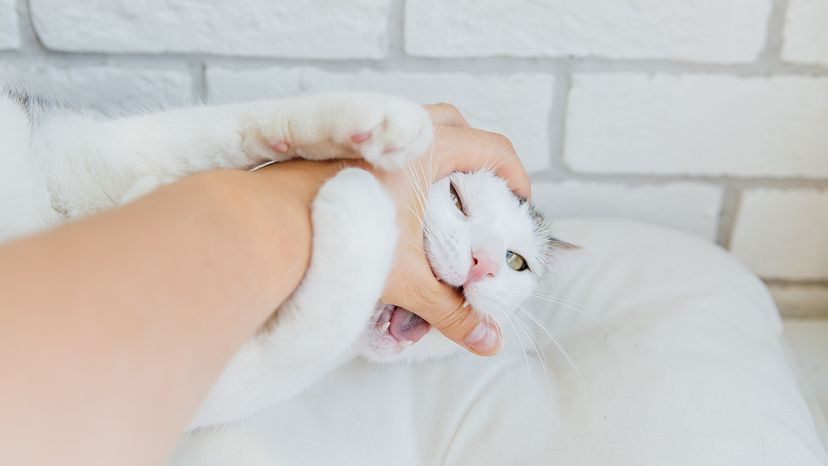
Some cats lick their owners as a sign of affection. This licking mimics how they groom other cats. It shows the cat feels safe and connected. Sometimes, cats gently nibble or lick hands and faces. This behavior means the cat is comfortable and bonded with you.
Body Language During Grooming
- Relaxed posture
- Slow blinking
- Soft purring sounds
- Tail held low or gently waving
- Eyes half-closed
These signs show the cat is calm and happy. Grooming is often done in quiet places. The cat trusts the surroundings and the one it grooms. Watching these clues helps understand your cat’s feelings.
Different Grooming Behaviors And Their Meanings
Cats show love through different grooming behaviors. Each type of grooming has its own meaning. Understanding these helps us connect better with our pets. Cats use grooming to communicate trust, comfort, and affection.
Licking Versus Nibbling
Licking is a gentle way cats show care. It means they feel safe and want to comfort you. Nibbling is softer than biting. It can mean playfulness or a deeper bond. Sometimes nibbling helps cats mark you as part of their family.
Grooming Frequency And Intensity
Frequent grooming means strong affection. Cats groom more when they feel close to someone. Intense grooming can show extra love or stress relief. Light grooming may signal casual friendliness. Watch how often and how hard your cat grooms you.
Grooming Spot Preferences
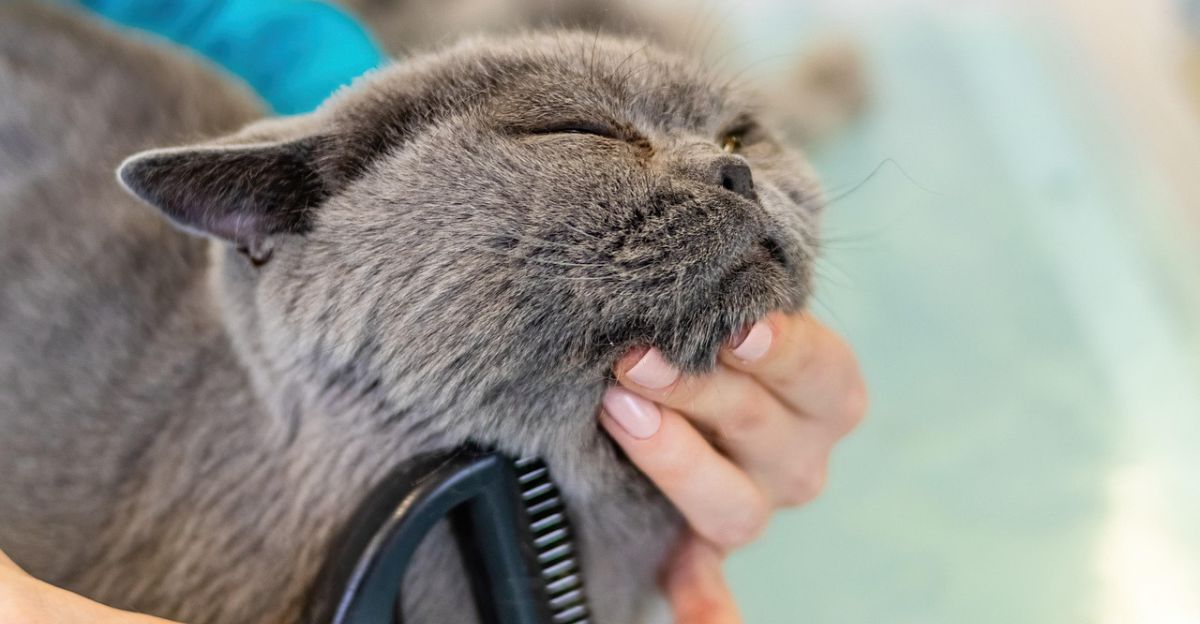
Cats prefer certain spots for grooming. Common areas include the head, neck, and ears. These spots are hard for cats to reach themselves. Grooming these areas shows trust and care. If your cat grooms a special spot often, it means they feel safe there.
Credit: tryfurgo.com
How Grooming Strengthens The Feline Bond
Grooming is more than just a cleaning routine for cats; it’s a vital social tool that helps build and maintain strong bonds. When cats groom each other, they’re communicating trust and affection. This behavior creates a foundation for peaceful coexistence and deeper relationships within their social groups.
Reducing Aggression And Conflict
Grooming lowers tension between cats. When your cat licks or cleans another, it sends a calming message that reduces chances of fights. This simple act can prevent aggression before it starts, helping your cats live together more peacefully.
Have you noticed how your cats often groom after a disagreement or a tense moment? That’s their way of smoothing things over. Encouraging grooming can be a natural way to ease conflicts in multi-cat households.
Building Long-term Relationships
Regular grooming sessions deepen trust over time. Cats who groom each other often form close, lasting bonds that can feel like genuine friendships. This behavior helps them feel secure and connected, which benefits their emotional health.
If your cats groom each other, it’s a clear sign they value their relationship. You can support this by providing cozy spaces where they can relax together and feel safe enough to groom.
Grooming And Group Harmony
In groups, grooming acts as a social glue. It helps balance relationships and maintains harmony among all members. Each cat’s participation in grooming rituals contributes to the overall peace and cooperation within the group.
Think about your own cats or cats you’ve seen in groups. The ones that groom each other tend to have fewer disputes and more calm interactions. Promoting grooming can help your feline family stay united and happy.
When Grooming Signals Health Or Stress Issues
Cats grooming often shows care and affection, but excessive licking may signal stress or health problems. Observing changes in grooming helps understand your cat’s feelings and well-being.
When cats groom themselves, it’s often a sign of love. It shows contentment and care. But sometimes, grooming can signal health or stress issues. Understanding these signals is crucial. Let’s explore how grooming changes can indicate problems.Overgrooming And Its Causes
Cats may groom excessively due to stress or allergies. This can lead to bald spots and skin irritation. Overgrooming might stem from boredom or anxiety. It could also indicate fleas or skin infections. Recognizing these signs helps in addressing the root cause.Lack Of Grooming As A Warning Sign
A cat neglecting grooming may be unwell. Illness can cause a cat to stop grooming. Arthritis or obesity might make grooming difficult. This change can signal dental problems or pain. Paying attention is important for their health.How To Respond To Grooming Changes
Observing grooming habits is key. Visit a vet if changes occur. Keep your cat’s environment stress-free. Provide toys to reduce boredom. Regular check-ups ensure health issues are addressed. Simple steps maintain your cat’s well-being.Tips For Encouraging Grooming Between Cats
Encouraging grooming between cats helps build trust and strengthen bonds. Cats groom each other to show affection and care. Creating the right setting makes cats feel safe and relaxed. This encourages them to groom each other more often. Small changes can make a big difference in their interactions.
Creating A Comfortable Environment
Provide quiet, cozy spaces where cats can relax. Soft bedding and warm spots invite calmness. Keep food and water bowls separate to avoid competition. Ensure litter boxes are clean and in quiet areas. A peaceful home reduces stress and encourages grooming behavior.
Introducing New Cats Slowly
Give cats time to get used to each other’s scent first. Swap bedding or toys between them daily. Allow brief, supervised meetings at first. Gradually increase their time together as they show comfort. Slow introductions reduce fear and help form bonds.
Using Positive Reinforcement
Reward cats with treats or gentle praise after grooming each other. Use calm voices and soft petting to encourage friendly behavior. Avoid punishment, as it can cause fear and stress. Positive rewards help cats associate grooming with good feelings.
Frequently Asked Questions
Why Do Cats Groom Their Owners?
Cats groom their owners as a sign of affection and bonding. It mimics their natural grooming behavior with other cats. This action helps strengthen social connections and shows trust and comfort with their human companion.
Is Grooming A Sign Of Love In Cats?
Yes, grooming is a clear sign of love in cats. It indicates they feel safe and connected. Grooming also helps cats express care and maintain social bonds within their group, including their human family.
Can Cats Groom Without Affection?
Cats may groom for hygiene or stress relief, but frequent grooming of others usually shows affection. If a cat grooms you often, it reflects trust and emotional attachment, rather than just self-cleaning behavior.
How Does Grooming Affect Cat-human Relationships?
Grooming deepens the bond between cats and humans. It builds trust and a sense of security. Regular grooming interactions create positive feelings and reinforce the cat’s love and loyalty towards their owner.
Conclusion
Cats grooming each other or you shows trust and care. It is their way to say they feel safe and love. This behavior helps build strong bonds between cats and people. Pay attention to these moments; they reveal deep feelings.
Understanding cat grooming helps you connect with your pet better. It’s a small act with a big meaning. Every lick or gentle nibble can mean affection. Cats express love in quiet, gentle ways. Appreciate these signs for a happier pet relationship.

Leave a Reply