Have you ever wondered how a cat with only three legs manages to keep itself clean and well-groomed? If you’re curious about your furry friend’s amazing ability to adapt, you’re in the right place.
Understanding how a three-legged cat grooms itself not only shows their incredible resilience but also helps you care for your pet better. Keep reading to discover the surprising ways your special cat stays fresh and tidy every day.
Unique Challenges For Three-legged Cats
Three-legged cats face special challenges when grooming. Losing a limb changes how they clean themselves. These cats adapt, but some tasks become harder. Their grooming habits show resilience and clever ways to stay clean and healthy.
Impact Of Limb Loss On Grooming
Missing a leg affects balance and reach. Cats use their front paws to clean their face and head. Without one paw, they may struggle to reach certain areas. This can slow down grooming and make it less thorough. Their body movements change to compensate.
Grooming requires flexibility. Three-legged cats often twist their bodies more. They use their tongue more to clean spots their paws cannot reach. These cats develop unique ways to keep their fur neat despite the challenge.
Common Grooming Obstacles
- Difficulty reaching behind the ears and neck
- Limited ability to clean the chest and front legs
- Struggling to remove dirt or loose fur from hard-to-reach spots
- Balancing while grooming with fewer paws
- Increased risk of matting in areas they can’t reach easily
Owners should watch for signs of poor grooming. Regular brushing helps prevent mats. It also supports cats that cannot clean themselves fully. Understanding these obstacles helps keep three-legged cats comfortable and healthy.

Credit: www.reddit.com
Physical Adaptations In Grooming
Physical adaptations play a crucial role in how a three-legged cat manages to groom itself effectively. These cats adjust their movements and use their bodies differently to maintain cleanliness and comfort. Understanding these changes can give you a deeper appreciation of their resilience and intelligence.
Enhanced Flexibility And Balance
Without one limb, a three-legged cat often becomes more flexible than you might expect. It learns to twist and stretch its body in new ways to reach spots that would normally be easier to clean. This increased flexibility helps maintain grooming habits despite the physical challenge.
Balance also improves significantly. The cat shifts its weight carefully, using its core muscles to stay steady while grooming. You might notice it standing on two legs or leaning against surfaces to keep itself stable during the process.
Use Of Remaining Limbs And Tongue
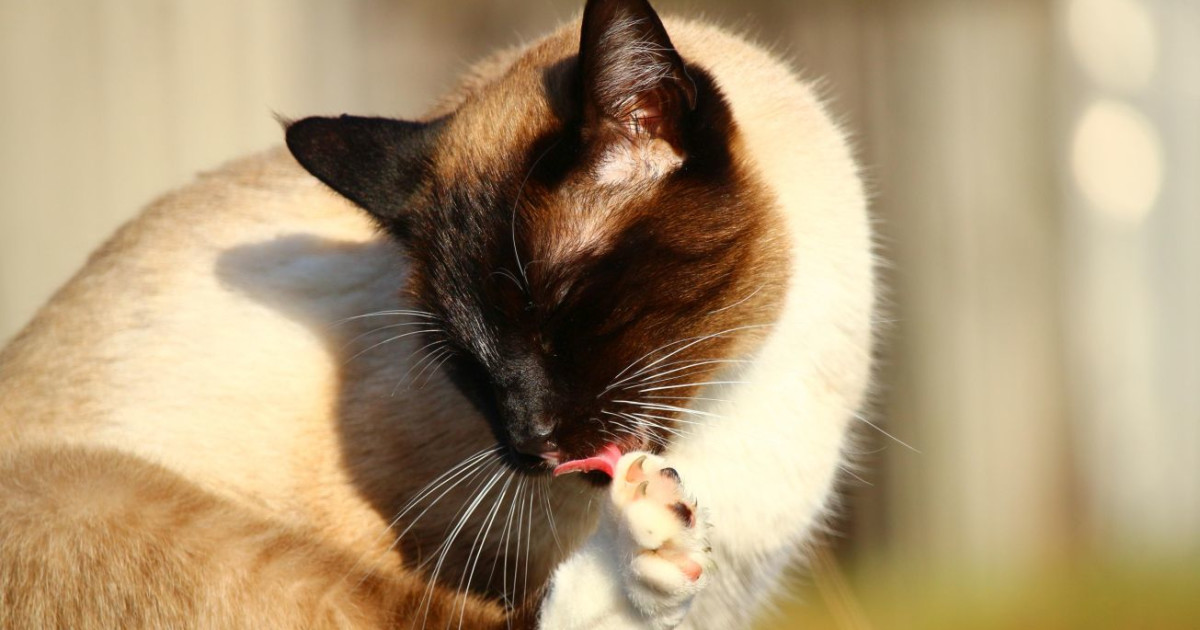
The remaining limbs take on extra responsibility. A three-legged cat uses its two front legs and one back leg with greater coordination to reach different parts of its body. Sometimes, it even relies more on its tongue to cover areas that are hard to reach with paws alone.
Watching a three-legged cat groom shows how it cleverly combines licking with pawing motions. This teamwork between limbs and tongue ensures thorough cleaning, even without the full set of legs. Have you ever noticed how resourceful animals can be when faced with challenges?
Behavioral Adjustments
Three-legged cats show remarkable behavior changes to keep themselves clean. Losing a limb affects their usual grooming habits. These cats find new ways to stay tidy and comfortable. Their behavior adjusts to match their physical abilities.
Modified Grooming Techniques
Three-legged cats adapt by using their remaining limbs more skillfully. They may rely heavily on their tongue to reach hard spots. They twist and bend their bodies in different ways. Some cats use their front paws to clean areas usually handled by the missing leg. These changes help them maintain good hygiene despite the challenge.
Increased Rest Periods
Grooming takes more effort for three-legged cats. They often take extra breaks during grooming sessions. Rest helps reduce fatigue and prevents stress on their limbs. These pauses allow them to groom longer without discomfort. Rest periods also help them stay calm and focused on cleaning.
Credit: pethelpful.com
Support From Environment And Caregivers
Support from the environment and caregivers plays a key role in helping a three-legged cat groom itself. These cats face unique challenges due to their missing limb. Caregivers can make daily grooming easier by providing help and modifying the cat’s surroundings. A safe and comfortable space encourages the cat to stay clean and healthy.
Role Of Owner Assistance
Owners can assist their three-legged cat by gently brushing hard-to-reach areas. Regular brushing prevents mats and tangles. Help with nail trimming is also important. Use soft tools that do not hurt the cat. Watching for skin issues or wounds is critical. Prompt care keeps the cat comfortable and healthy.
Offering affection during grooming builds trust. Calm, patient handling reduces stress. Small grooming sessions throughout the day work best. Praise and treats motivate the cat to cooperate. This support strengthens the bond between owner and pet.
Adapting Living Spaces
Adjusting the home environment helps a three-legged cat groom itself better. Soft bedding and non-slip rugs provide grip and comfort. Low entry points to favorite resting spots ease movement. Place grooming tools within easy reach for quick use.
Clear pathways free of obstacles prevent accidents. Elevated perches with gentle ramps allow safe climbing. These changes give the cat confidence and freedom. A well-adapted space supports the cat’s independence and wellbeing.
Health Considerations For Grooming
When caring for a three-legged cat, grooming requires special attention. Their unique needs demand thoughtful health considerations. Ensuring their well-being is essential during grooming sessions. Let’s explore these crucial health aspects.
Preventing Skin Issues
Three-legged cats may experience uneven pressure on their skin. This can lead to skin irritation or sores. Regularly check for any redness or swelling. Use a soft brush to gently groom their fur. Avoid harsh tools that can scratch their skin. Keep their environment clean to reduce allergens. A balanced diet supports skin health too.
Regular Veterinary Checks
Routine vet visits are vital for three-legged cats. Vets can spot potential skin or health issues early. They offer advice on specific grooming needs. Regular checks ensure your cat’s skin and coat remain healthy. Vets can also recommend suitable grooming products. Always follow their guidance for optimal care.

Credit: www.shutterstock.com
Frequently Asked Questions
How Does A Three-legged Cat Groom Itself Effectively?
A three-legged cat adapts by using its remaining limbs to reach most areas. It relies more on tongue and head movements for grooming. Cats are naturally flexible, helping them maintain cleanliness despite the missing leg.
Can A Three-legged Cat Clean Hard-to-reach Places?
Yes, three-legged cats adjust their grooming techniques. They use their tongue and teeth to clean hard-to-reach spots. Their flexibility and determination help them stay clean even with limited mobility.
Do Three-legged Cats Need Human Help For Grooming?
Sometimes, yes. While many groom independently, some may struggle with certain areas. Owners should assist with brushing and checking for dirt or mats to keep them comfortable.
Is Grooming Behavior Different In Three-legged Cats?
Grooming may be slower or more effortful but remains consistent. These cats adapt well, maintaining their hygiene with modified movements. Their instinct to stay clean remains strong despite physical challenges.
Conclusion
A three-legged cat adapts well to grooming itself. It uses its remaining legs and tongue with great skill. These cats stay clean and healthy like others. Their balance and flexibility help them reach most areas. Patience and care from owners also support their grooming.
Seeing their determination is truly inspiring. Such cats show how animals adjust and thrive. They remind us that challenges can be overcome. Caring for a three-legged cat means understanding its unique needs. This helps keep them happy and comfortable every day.

Leave a Reply