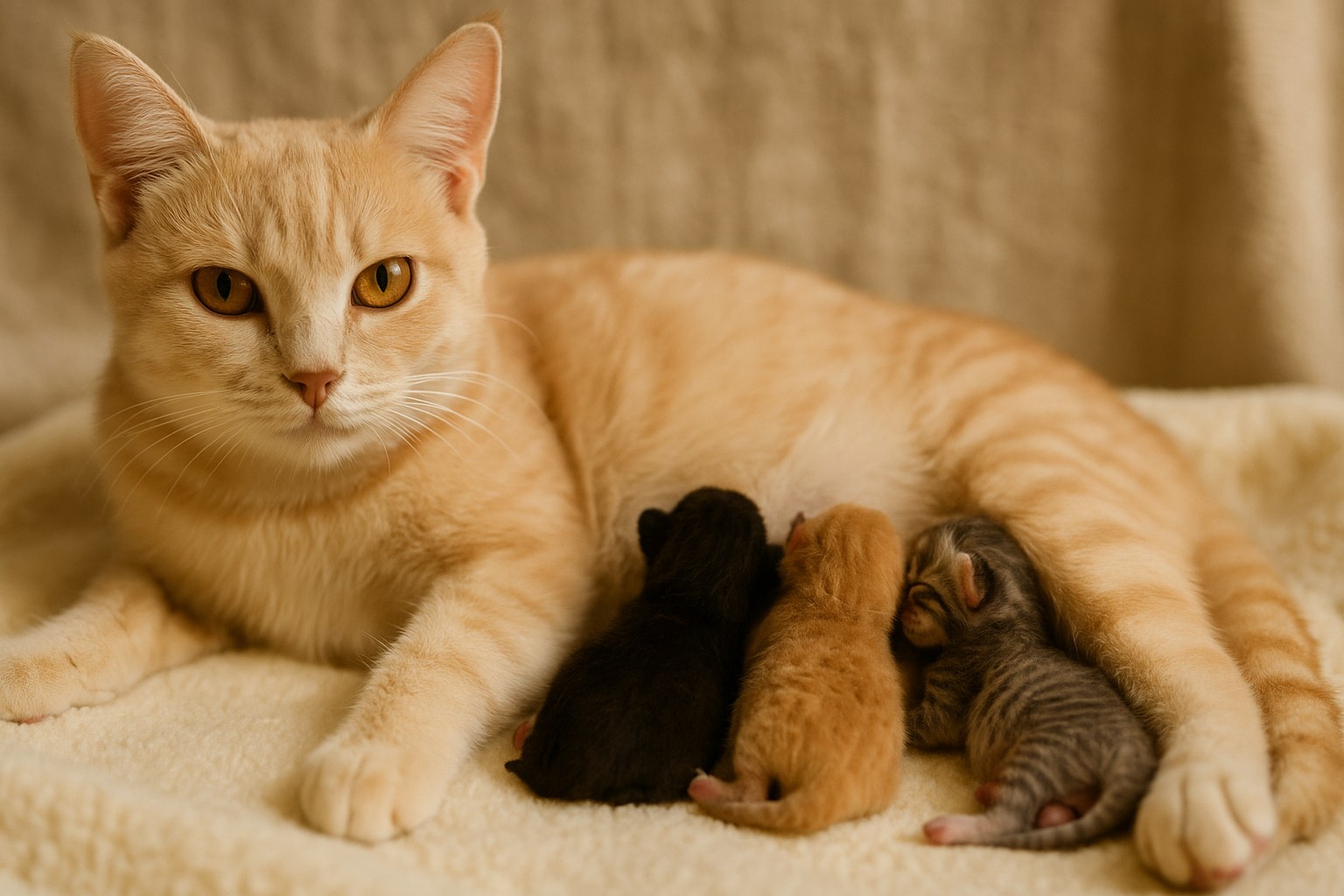
Have you ever wondered why female cats used for breeding are called “queens”? It might seem like a simple term, but there’s an interesting story behind how and when this name became popular.
If you’re a cat lover or breeder, understanding the origins of this special title can give you a deeper appreciation for the feline world. Keep reading, and you’ll discover the surprising history and reasons behind calling breeding cats “queens. ” This knowledge will change the way you think about your furry friends forever.
Origins Of Cat Breeding Terms
The language of cat breeding has evolved over time. Breeders needed clear terms to describe cats and their roles. The term “queen” for a breeding female cat is a part of this history.
Understanding the origins of these terms helps us appreciate cat breeding better. It shows how breeders communicated and shared knowledge.
Early Cat Breeding Practices
Cat breeding began thousands of years ago. Early humans valued cats for hunting and companionship. Breeding was mostly natural, not planned by humans.
People noticed differences in cat behavior and appearance. They started selecting cats with good traits to mate. This selection was the first step toward organized breeding.
Terminology Before ‘queen’
Before “queen” became common, breeders used simple words. Female cats were often called “mother cats” or just “female cats.”
There was no special term for breeding females in early records. Breeders focused more on the cat’s role than on formal names.
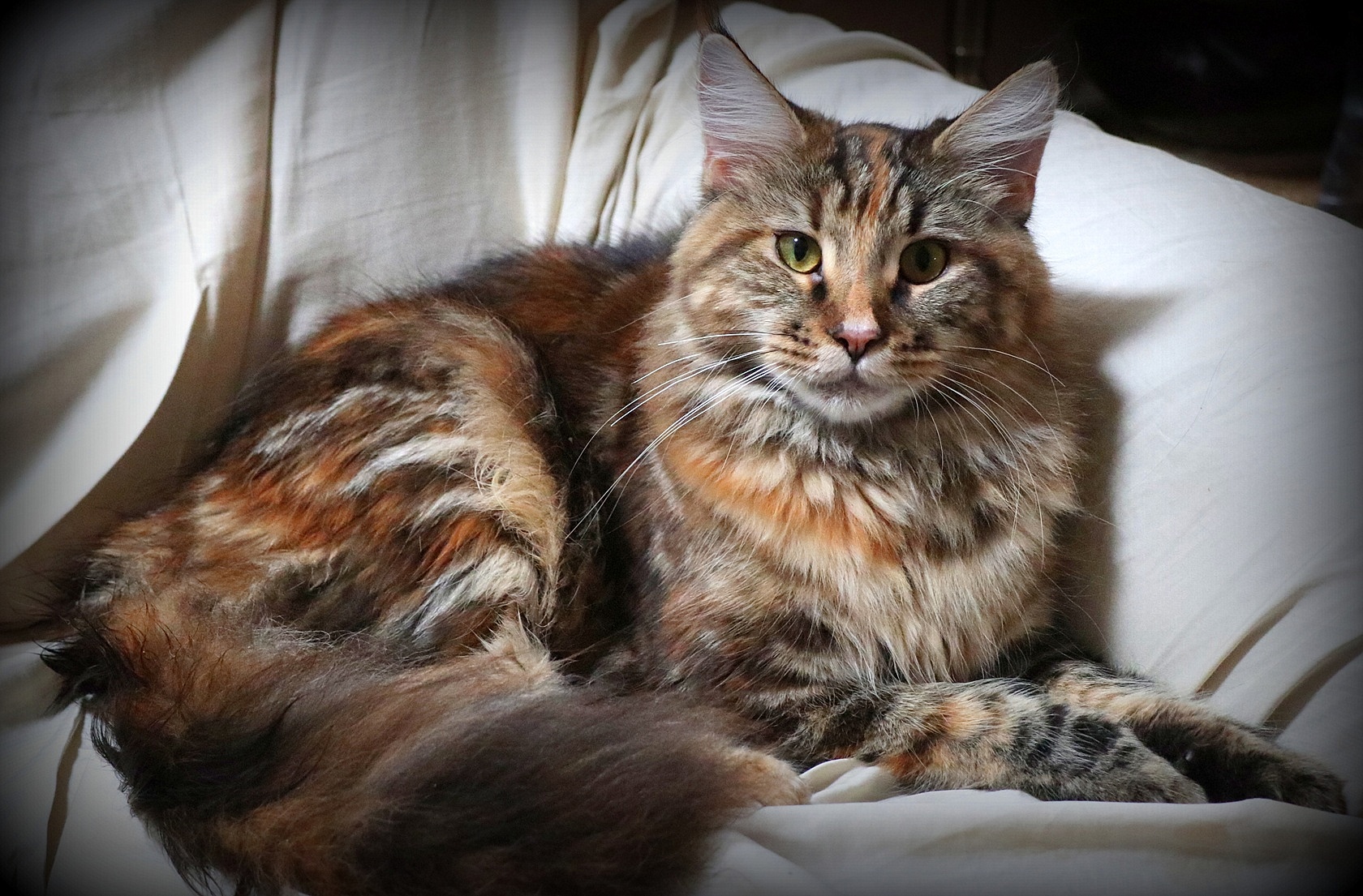
The word “queen” came later to give respect to the female cat’s role. It showed her importance in producing healthy kittens.
Credit: yendorcats.com
Emergence Of The Term ‘queen’
The term “queen” for breeding cats has a unique history. It did not always describe female cats used for reproduction. Over time, this word gained a special meaning in cat breeding circles. Understanding how “queen” emerged helps us appreciate cat breeding culture better.
First Recorded Uses
The earliest records of calling a female cat a “queen” date back to the 19th century. Cat fanciers used the term to honor the cat’s role in producing kittens. The word “queen” suggested nobility and respect for the mother cat.
In old cat breeding books, “queen” appeared as a formal title. It helped distinguish breeding females from pet or show cats. This naming practice became standard among breeders worldwide.
Cultural Influences On The Term
The use of “queen” reflects cultural ideas about royalty and motherhood. Many cultures link queens with power, fertility, and care. Calling a breeding cat a “queen” highlights her importance in continuing the lineage.
Language also played a role. English-speaking cat breeders adopted “queen” because of its strong, clear meaning. The term spread through cat clubs and breeding guides. It remains popular because it honors the female cat’s vital role.
Meaning Behind ‘queen’ In Cat Breeding
The term “queen” in cat breeding carries more meaning than just a fancy title. It reflects a specific role and status that female cats hold within the breeding community. Understanding why female breeding cats are called queens can help you appreciate the history and respect behind the term.
Connection To Female Cats
The word “queen” specifically refers to a female cat that is actively breeding or has the potential to produce kittens. It distinguishes her from other female cats who are pets or spayed. This label helps breeders quickly identify the reproductive status of the cat.
Female cats in heat show strong maternal instincts and behaviors that set them apart. Calling them queens acknowledges their natural role in continuing the lineage. Have you noticed how a queen cat often has a calm but commanding presence around her kittens?
Symbolism And Status
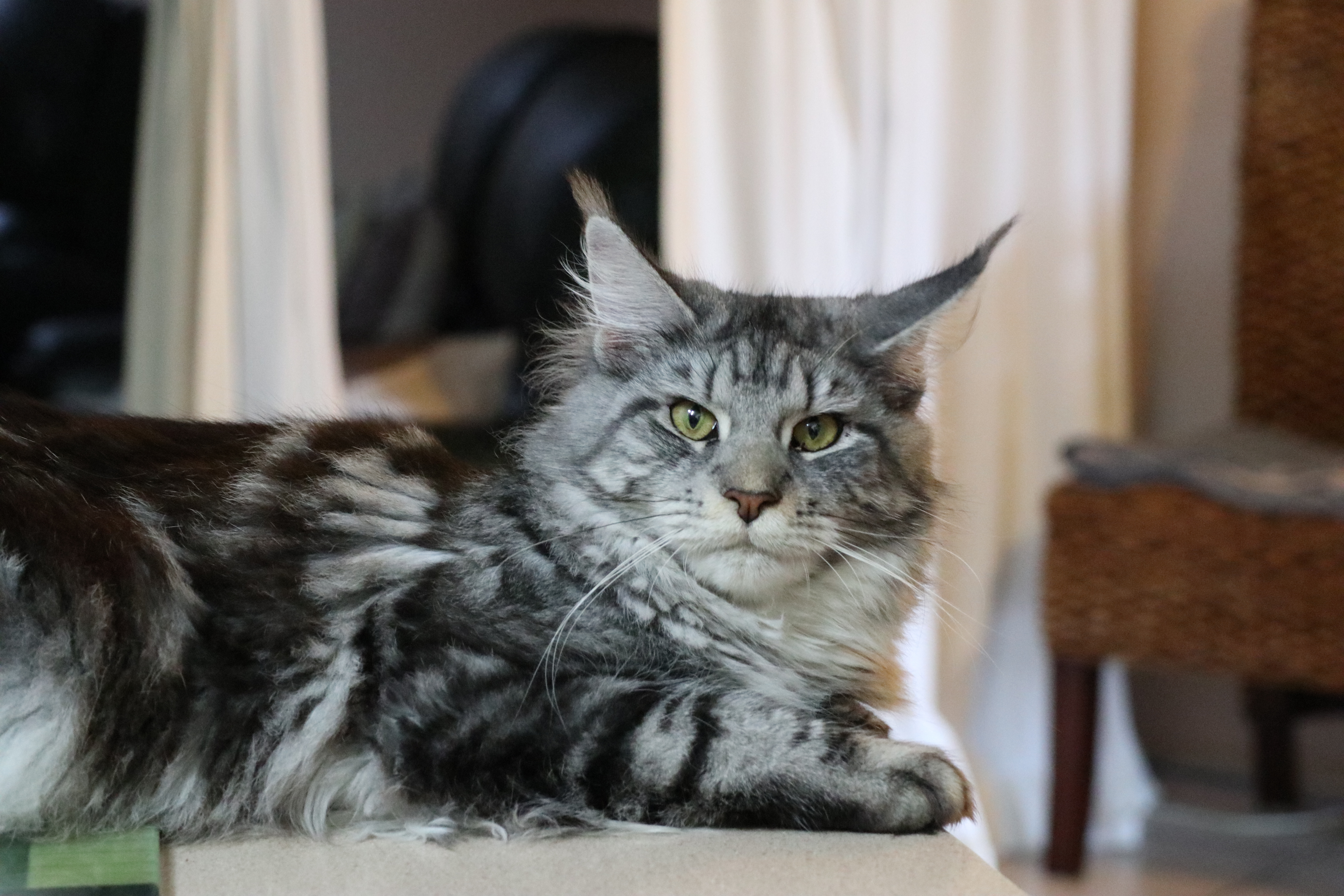
In cat breeding, calling a female cat a “queen” elevates her status, symbolizing dignity and respect. The term suggests she is the matriarch of her line, responsible for passing on desirable traits to future generations.
Breeders often celebrate a queen’s qualities like health, temperament, and appearance because they directly impact the breed’s quality. This title also reminds you that breeding involves responsibility and care, not just producing kittens.
Credit: yendorcats.com
Evolution Of Cat Breeding Language
The language used in cat breeding has evolved significantly over the years. Terms that breeders and enthusiasts use today often have deep historical roots or regional influences. Understanding how these words changed helps you connect better with the community and the practices behind cat breeding.
Changes Over Time
Originally, cat breeders used simple terms like “dam” and “sire” to describe the mother and father cats. The term “queen” to refer specifically to a breeding female cat started gaining popularity in the mid-20th century. This shift reflected a need for more precise language as breeding became more organized and formalized.
Interestingly, early breeders didn’t always use “queen.” It was sometimes reserved for female cats with certain qualities or statuses within a breeding program. As cat shows and registries developed, consistent terminology became crucial, and “queen” became the standard term for any breeding female.
Regional Variations
Language differences appear not only over time but also across regions. In the United States, “queen” is widely accepted, but in some parts of Europe, breeders might still use terms like “brood” or simply “female.”
These regional preferences often depend on local traditions, the influence of cat fancier clubs, and even translations from other languages. If you’re communicating internationally, knowing these variations can save you from confusion and help you engage more effectively with breeders worldwide.
Impact Of ‘queen’ On Modern Cat Breeding
The term ‘Queen’ transformed cat breeding. It brought elegance and respect. Breeders began using ‘Queen’ to denote female cats. This term added a regal touch. It emphasized the role of the female cat.
Breeders’ Adoption
Breeders quickly embraced the term ‘Queen’. It helped differentiate female cats from males. It also elevated the status of breeding females. ‘Queen’ highlighted their essential role in producing quality litters.
Using ‘Queen’ showed respect for the cat’s breeding capabilities. Breeders found it easier to discuss breeding plans. It streamlined communication within the community.
Role In Cat Shows And Registries
‘Queen’ became a standard term in cat shows. It was used in registries to classify female cats. This standardization helped in organizing events. It made it simpler for judges and participants.
Cat registries adopted ‘Queen’ to list breeding females. It ensured clarity in records and pedigrees. This consistency improved the breeding process. It helped maintain high standards in cat shows.
Comparing ‘queen’ With Other Animal Breeding Terms
Understanding the term “queen” in cat breeding opens a window to animal breeding language. Different animals have unique names for their breeding females. These terms carry history and reflect specific traits or roles. Comparing “queen” with other breeding terms helps clarify its special meaning in the animal world.
Terminology In Dog Breeding
In dog breeding, the female breeder is called a “bitch.” This term has a long history in the dog world. It refers specifically to a female dog used for mating and producing puppies. The male counterpart is called a “stud.”
Unlike “queen,” the word “bitch” often causes confusion outside dog breeding circles. It simply means a female dog in breeding contexts. Dog breeders use this term professionally and without negative connotations.
Breeding Terms Across Species
Other animals have their own special breeding names. For example:
- Horses: Female breeders are called “mares.”
- Cattle: Female breeders are called “cows.”
- Rabbits: Female breeders are called “does.”
- Chickens: Female breeders are called “hens.”
Each term reflects the animal’s nature and breeding role. “Queen” specifically describes a female cat used for breeding. It highlights the cat’s regal role in producing kittens.

Credit: www.petforums.co.uk
Frequently Asked Questions
When Did The Term “queen” For Breeding Cats Originate?
The term “queen” for breeding cats started around the 19th century. It was popularized by cat breeders to distinguish female cats used for reproduction. The name reflects the cat’s important role in producing litters and maintaining breed lineage. It remains widely used in cat breeding today.
Why Are Female Breeding Cats Called Queens?
Female breeding cats are called queens because the term symbolizes their reproductive role. The word “queen” denotes authority and importance, fitting for a cat producing kittens. This terminology helps breeders easily identify and manage breeding females within catteries and cat shows.
How Did Cat Breeding Influence The Term “queen”?
Cat breeding formalized terms like “queen” to describe breeding females. As selective breeding grew, clear terminology became necessary for communication. “Queen” became the standard term among breeders to reflect a female cat’s reproductive status and significance in pedigree maintenance.
Is “queen” Used For All Female Cats Or Only Breeders?
The term “queen” specifically refers to female cats actively used for breeding. It is not used for all female cats. Only those involved in producing kittens within breeding programs or catteries are called queens to highlight their special role.
Conclusion
The term “queen” for breeding cats has a long history. It shows respect for the female cat’s role. This name helps cat lovers and breeders communicate clearly. Knowing this term makes cat care easier to understand. Words matter in the pet world.
Using the right names helps us connect with animals better. Keep this term in mind when talking about breeding cats. It’s more than just a word—it’s tradition and respect combined.

Leave a Reply