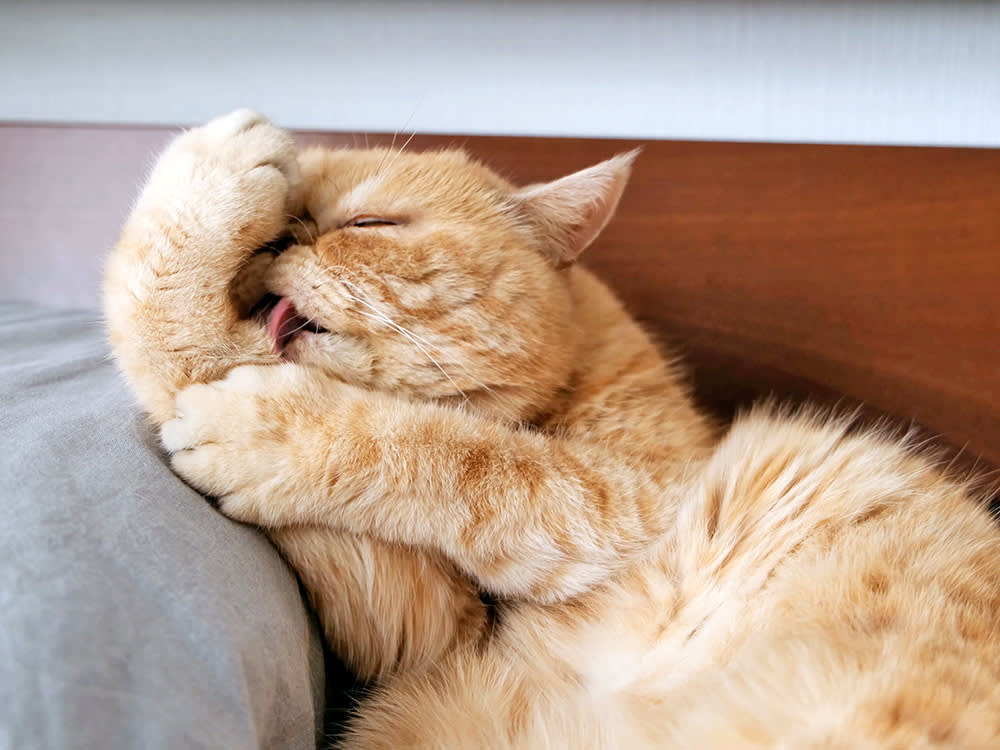
Have you ever watched your cat spend hours licking their fur and wondered, “Why does my cat keep grooming themselves?” It might seem like just a normal habit, but when your furry friend grooms constantly, it can be a sign of something more.
Understanding why your cat does this can help you keep them happy and healthy. Keep reading to discover the surprising reasons behind your cat’s grooming and what you should watch out for.
Credit: pethelpful.com
Normal Grooming Habits
Cats are known for their fastidious grooming habits, and it’s completely normal for them to spend a significant part of their day cleaning themselves. Understanding these habits helps you recognize when your cat is just being healthy or if something might be amiss. Your cat’s grooming routine is more than just about looking good—it serves important functions that keep them feeling their best.
Daily Cleaning Routine
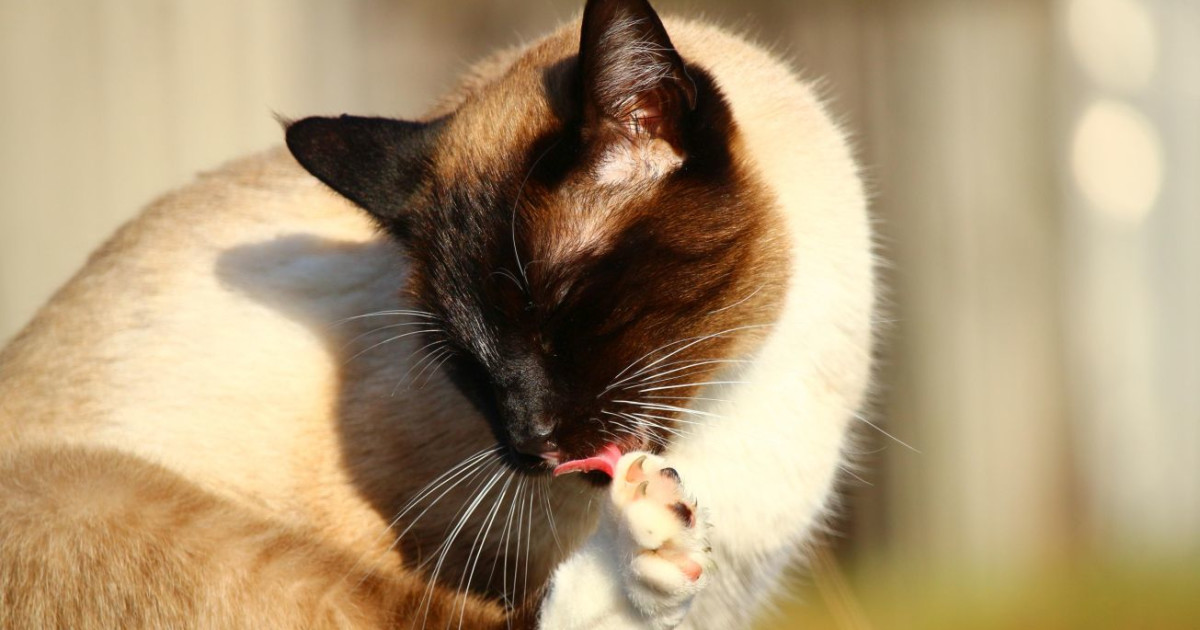
Your cat’s grooming is a daily activity that often happens several times a day. They use their tongue, which is covered with tiny, hook-like structures, to remove dirt, loose fur, and even parasites from their coat.
Grooming sessions can last from a few minutes to almost an hour, depending on how active they’ve been or if they’re dealing with shedding. Have you noticed your cat pausing between licks to clean their paws and then use them to wipe their face? This is a common behavior that helps them reach tricky spots.
Benefits Of Grooming
- Keeps Fur Clean and Healthy:Regular grooming removes dirt and loose hair, preventing mats and tangles.
- Controls Body Temperature:Grooming helps distribute natural oils, which can cool or warm your cat depending on the weather.
- Reduces Stress:Grooming releases endorphins, which calm your cat and help them relax.
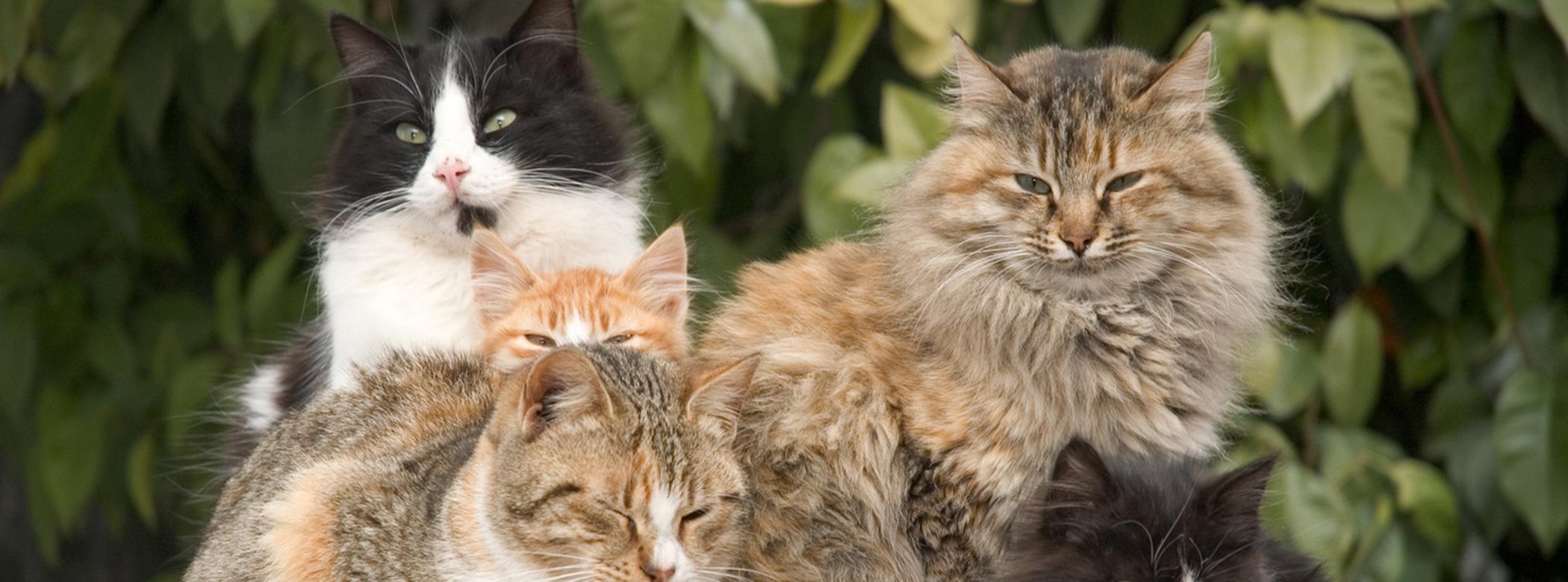
- Promotes Social Bonds:Cats often groom each other to strengthen social ties and show affection.
Have you observed how your cat’s grooming slows down when they’re stressed or unwell? This is a clue that their grooming is tied to their emotional and physical health. Paying attention to these details can help you spot changes early and keep your cat happy and healthy.

Credit: medium.com
Stress And Anxiety
Stress and anxiety can significantly affect your cat’s behavior, especially their grooming habits. Excessive grooming is often a way cats try to soothe themselves when they feel overwhelmed or uneasy. Understanding the role of stress in your cat’s grooming can help you address the root cause and improve their well-being.
Signs Of Stress Grooming
Stress grooming is more than just regular cleaning. If your cat licks or chews one spot repeatedly, it might be a sign of anxiety. You may notice bald patches, red skin, or even wounds where the grooming is intense.
Other signs include:
- Sudden increase in grooming frequency
- Restlessness or pacing
- Avoidance of people or other pets
- Changes in appetite or sleep patterns
Have you seen your cat cleaning the same area over and over? This could be their way of coping with stress, not just a hygiene habit.
Common Triggers
Identifying what stresses your cat is key to helping them. Changes in the environment, like moving to a new home or new pets, can trigger anxiety. Loud noises, unfamiliar visitors, or even changes in your daily routine might make your cat feel insecure.
Other triggers include:
- Lack of mental stimulation or play
- Conflicts with other pets
- Health problems causing discomfort
- Separation anxiety when you’re away
Think about recent changes in your cat’s life—could any of these be causing stress? Sometimes, even small things matter a lot to your feline friend.
Health Issues
Cats groom themselves to stay clean and comfortable. Excessive grooming can signal health problems. It is important to watch for signs that your cat grooms too much. Health issues often cause this behavior. Understanding these problems can help you care for your cat better.
Skin Allergies
Skin allergies make cats itchy and irritated. They may groom to relieve the itch. Allergies can come from food, pollen, or dust. Cats with allergies often lick or scratch specific spots. You might see redness or bumps on their skin. Treating allergies reduces discomfort and stops over-grooming.
Parasite Infestations
Parasites like fleas or mites cause intense itching. Cats groom to remove these pests. Flea bites can lead to sore and inflamed skin. Mites cause irritation and hair loss. Parasites spread quickly and worsen the problem. Regular check-ups and treatments keep parasites away.
Pain Or Discomfort
Cats may groom to soothe pain or discomfort. Injuries, arthritis, or internal pain make them lick certain areas. Grooming is a way to cope with stress or pain. Notice if grooming targets one spot or causes bald patches. Veterinary care can identify and treat the pain source.
Credit: hellopetsinc.com
Environmental Factors
Changes in weather or a dirty environment can make cats groom more to stay clean and comfortable. Stress from loud noises or new surroundings also causes extra grooming.
Cats are known for their meticulous grooming habits, often spending a significant portion of their day cleaning themselves. While grooming is a natural behavior, sometimes environmental factors can lead to an increase in this activity. Understanding these factors can help you ensure your cat remains comfortable and healthy.Changes At Home
Cats are creatures of habit, and any alteration in their home environment can cause stress, leading them to groom more frequently. Have you recently moved furniture, introduced a new pet, or had guests over? These changes can make your cat feel anxious, triggering more grooming as a coping mechanism. Consider maintaining a familiar routine and providing a safe, quiet space for your cat to retreat to. Observing your cat’s behavior during these changes can offer insights into their comfort levels.Temperature And Weather
The climate inside your home and the weather outside can also impact your cat’s grooming habits. During warmer months, cats may groom more to cool down, as the saliva on their fur helps regulate their body temperature. On the flip side, in colder weather, they might groom to fluff up their coat for added warmth. Ensure your home environment is comfortable for your cat, with access to cooler spots in the heat and cozy areas when it’s chilly. Is your home’s temperature affecting your cat’s grooming routine? Monitoring how they respond to different temperatures can guide you in creating a more comfortable environment for them. Understanding these environmental factors can empower you to make small changes that enhance your cat’s wellbeing. Keep an eye on your furry friend and notice how they react to their surroundings—your attention can make all the difference.Behavioral Causes
Cats groom themselves for many reasons beyond cleanliness. Behavioral causes often explain why a cat grooms too much or in unusual ways. Understanding these behaviors helps identify if grooming is normal or a sign of stress.
Boredom And Loneliness
Cats need mental and physical stimulation. When bored, they may groom excessively to pass time. Grooming becomes a way to relieve stress and anxiety.
Lonely cats also groom more. They might feel isolated without a companion or enough attention. Grooming offers comfort and fills the void.
Attention-seeking Grooming
Some cats use grooming to get their owner’s attention. They know excessive licking or grooming leads to a reaction.
This behavior can increase if the cat feels ignored. Grooming becomes a tool to connect and gain care.
When To Seek Help
Knowing when to seek help for your cat’s grooming habits is important. Grooming is normal, but too much can signal problems. Watching your cat’s behavior closely helps catch issues early. Some signs mean a vet visit is needed. Acting fast can protect your cat’s health and comfort.
Signs Of Excessive Grooming
Excessive grooming can cause skin damage. Look for:
- Bald patches or thinning fur
- Red, irritated, or raw skin
- Constant licking or biting one area
- Scabs or sores on the body
- Changes in mood or activity levels
These signs suggest your cat is uncomfortable. It may indicate allergies, parasites, or stress.
Veterinary Consultation
Visit the vet if grooming is excessive or damaging skin. The vet will:
- Check for fleas, mites, or infections
- Assess allergies or skin conditions
- Discuss your cat’s behavior and environment
- Recommend treatments or medications
- Suggest ways to reduce stress if needed
Early vet care helps your cat feel better fast. Don’t wait if grooming seems harmful.
Frequently Asked Questions
Why Does My Cat Groom Excessively?
Excessive grooming may indicate stress, allergies, or skin problems. Cats groom to clean, but too much can signal discomfort or health issues.
How Often Should Cats Groom Themselves?
Cats usually groom several times daily to stay clean. Normal grooming lasts about 30-50% of their waking hours.
Can Grooming Behavior Indicate Health Problems?
Yes, changes in grooming can show pain, parasites, or skin infections. Watch for bald spots or sores during grooming.
Is Grooming A Sign Of Cat Stress?
Yes, cats groom to self-soothe when anxious or stressed. Excessive licking may indicate emotional discomfort or environmental changes.
Conclusion
Cats groom themselves to stay clean and healthy. This behavior also helps them feel calm and safe. Sometimes, grooming too much can mean stress or health problems. Watching your cat’s habits can tell you if something is wrong. Regular grooming is normal, but sudden changes need attention.
Understanding why your cat grooms helps you care for them better. Keep an eye on your pet’s behavior and comfort. Caring for your cat means noticing small changes early. Healthy cats are happy cats.

Leave a Reply