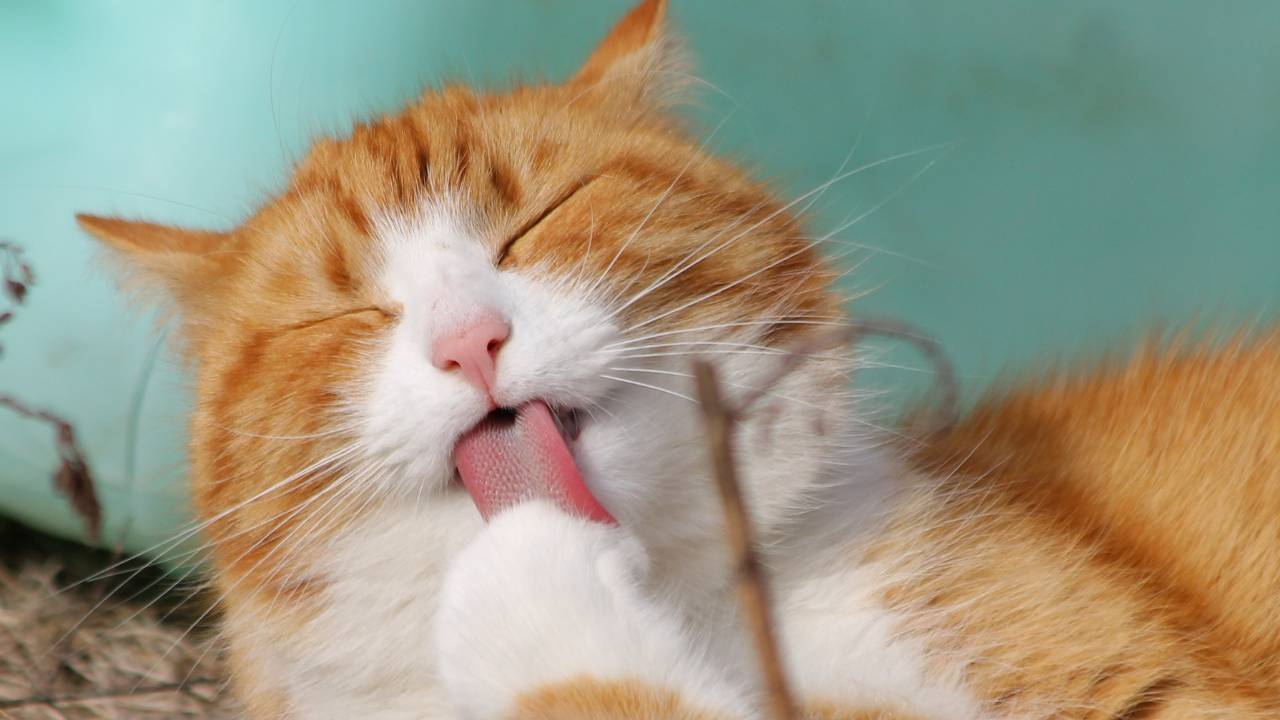
Have you ever watched your cat carefully grooming herself, only to notice her biting her own paws? It might make you wonder, “Is this normal?” or “Should I be worried?” Understanding why your cat bites her paws during grooming can help you keep her happy and healthy.
You’ll discover the surprising reasons behind this behavior and learn what signs to watch for to ensure your furry friend is comfortable. Keep reading—your cat’s well-being depends on it!
Common Grooming Habits
Cats have many grooming habits that keep them clean and comfortable. Grooming is a natural behavior seen in all healthy cats. It helps remove dirt, loose fur, and parasites. Grooming also calms cats and strengthens bonds with their owners or other cats. Paw biting is one grooming habit that might puzzle cat owners. Understanding common grooming habits can explain why cats bite their paws during grooming.
Typical Cat Grooming Behavior
Cats lick their fur to clean and smooth it. They use their tongues to reach many body parts. Cats also nibble or bite gently at their fur. This helps remove tangled hair and dirt. Using their paws, cats wash their faces by moistening them with saliva. They scratch and bite their paws to clean hard-to-reach spots or remove debris.
Grooming happens several times a day. It is part of their daily routine. Cats often pause and lick their paws before rubbing their face. This sequence is common and shows careful cleaning. Grooming also helps cats cool down and relax.
Purpose Of Paw Biting
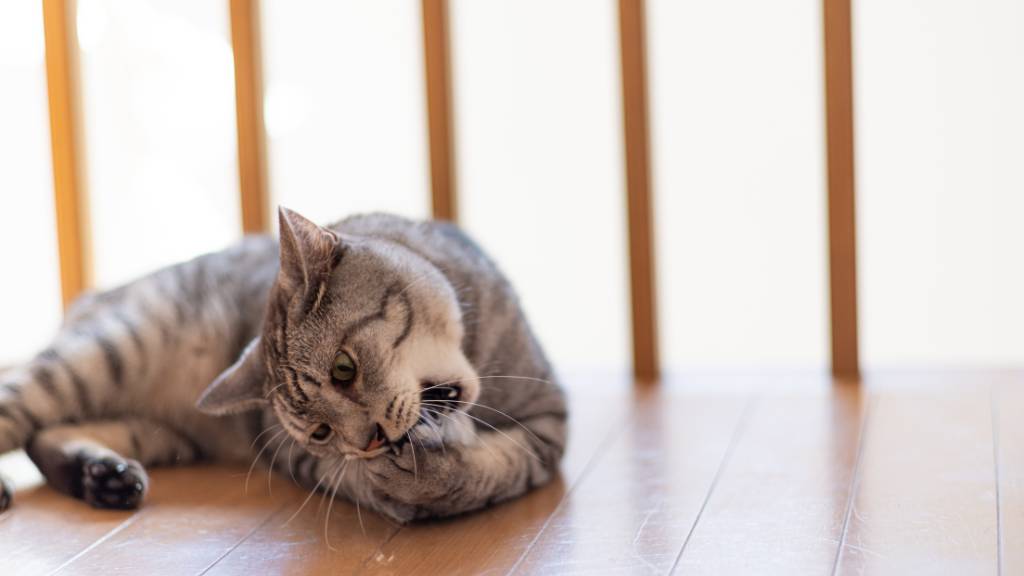
Paw biting helps cats clean their paws thoroughly. Cats use their paws to touch many surfaces. Dirt, sticky substances, or small objects can stick to their paws. Biting removes these unwanted materials. It also helps trim the fur between their toes.
Sometimes cats bite their paws to soothe irritation. Allergies, insect bites, or minor injuries can cause discomfort. Biting offers relief and helps cats check their paws for problems. If paw biting is frequent or aggressive, it may signal a health issue.
Signs Of Discomfort
Cats biting their paws during grooming can signal discomfort. This behavior often means irritation or pain. Paying attention to signs of discomfort helps catch problems early. Understanding these signs supports your cat’s health and well-being.
Identifying Irritation Or Pain
Look closely at your cat’s paws for redness or swelling. Small cuts, bumps, or scabs may appear. Your cat might lick or bite the same spot repeatedly. Notice if the paw feels warm or painful when touched. These signs suggest irritation or injury in the paw area.
Behavioral Changes To Watch
Changes in your cat’s behavior may indicate discomfort. Watch for restlessness or sudden grooming changes. Your cat might avoid walking or favor one paw. Increased irritability or hiding can also occur. These behaviors signal your cat may be in pain or distress.
Health Issues Behind Paw Biting
When your cat bites her paws during grooming, it might seem like a harmless habit at first. However, persistent paw biting can signal underlying health problems that need your attention. Understanding these health issues can help you take the right steps to keep your feline friend comfortable and healthy.
Allergies And Skin Conditions
Allergies often cause itching and irritation in a cat’s paws. Your cat might be reacting to food ingredients, pollen, or chemicals in her environment. This constant irritation leads to biting as she tries to soothe the discomfort.
Skin conditions like eczema or dermatitis can also make paws inflamed and sore. If you notice redness, swelling, or hair loss around the paws, it’s a sign to check with your vet. Ignoring these symptoms can worsen your cat’s condition over time.
Parasites And Infections
Fleas, ticks, or mites can hide in your cat’s fur and cause intense itching. Biting the paws is a way for cats to try to remove these unwanted pests. It’s important to regularly check your cat for signs of parasites, especially if she spends time outdoors.
Infections, whether bacterial or fungal, often follow after persistent biting damages the skin. These infections can make the paws painful and worsen the biting behavior. You might notice a foul smell or discharge, which means it’s time for a vet visit.
Injuries And Wounds
Sometimes paw biting stems from an injury you might not easily see. Cuts, splinters, or thorn pricks can cause pain and discomfort. Your cat may bite the area to try to relieve the pain or clean the wound.
Keep an eye on your cat’s paws for any limping or sensitivity when touched. If your cat continues to bite the same spot, a thorough check or professional exam is necessary to prevent infection or complications.
Credit: americanpaws.club
Stress And Anxiety Factors
Stress and anxiety can greatly influence your cat’s grooming habits, especially when you notice her biting her paws. These behaviors often signal that your feline friend is trying to manage emotions she can’t express otherwise. Understanding the root causes can help you provide the right support to ease her discomfort.
How Stress Affects Grooming
Stress can trigger overgrooming, where your cat bites her paws more than usual. This behavior is a way to self-soothe, similar to how humans might bite their nails when nervous.
You might see patches of missing fur or redness on her paws, which are signs of excessive biting. It’s important to observe when this happens—is it after a loud noise, a vet visit, or a change in routine?
Have you noticed if your cat becomes more clingy or hides more often? These changes often accompany stress-related grooming issues.
Environmental Triggers
Changes in your cat’s environment can lead to anxiety and cause her to bite her paws. New pets, visitors, or even rearranged furniture can disrupt her sense of safety.
Sometimes, subtle triggers like strong household cleaners or unfamiliar scents can make her uneasy. Cats have sensitive noses, and these small changes might stress her out more than you expect.
Think about your cat’s daily surroundings—are there any recent changes that might be causing her discomfort? Reducing or gradually introducing new elements can help her adjust without stress.
When To See A Vet
Knowing when to take your cat to the vet is crucial if you notice her biting her paws during grooming. Some paw biting is normal, but excessive or aggressive biting can signal an underlying issue that needs professional attention. Ignoring these signs might cause discomfort or worsen your cat’s health.
Critical Symptoms
Watch closely for symptoms like:
- Redness, swelling, or sores on the paws
- Constant licking or biting that lasts more than a day or two
- Visible hair loss or scabs on the paws
- Signs of pain such as limping or avoiding putting weight on the paw
- Behavioral changes like irritability or hiding
If you notice any of these, it’s time to seek veterinary advice. These symptoms might indicate infections, allergies, or even parasites.
Diagnostic Approaches
At the vet, several tests help identify the cause of paw biting:
- Physical examination:The vet will inspect your cat’s paws and overall health.
- Skin scrapings or cytology:Samples may be taken to check for mites, bacteria, or yeast.
- Allergy testing:To determine if environmental or food allergies are the trigger.
- Blood tests:These can uncover underlying health problems affecting your cat’s skin.
Early diagnosis can prevent your cat’s discomfort from escalating. Think about when you last saw your cat grooming—did her behavior suddenly change? That could be a vital clue to share with your vet.
Credit: americanpaws.club
Preventive Measures
Preventing your cat from biting her paws during grooming starts with understanding the root causes and taking proactive steps. You can help her avoid discomfort and keep her paws healthy by focusing on care routines and creating a calm environment. Let’s look at practical ways to achieve this.
Maintaining Healthy Skin And Paws
Healthy skin and paws reduce the urge for your cat to bite or lick excessively. Regularly check her paws for cuts, redness, or swelling. If you spot anything unusual, consult your vet promptly.
Keep her nails trimmed to prevent accidental scratching that might cause irritation. Using a gentle paw balm can soothe dry or cracked skin, especially in colder months. You might be surprised how much a little extra moisture helps her feel comfortable.
Consider her diet as well; foods rich in omega-3 fatty acids support skin health. Have you noticed your cat’s coat shine up after a diet change? That’s a sign of improved skin condition, which often means less biting.
Reducing Stress For Your Cat
Stress can trigger your cat to bite her paws as a coping mechanism. Make sure she has a quiet space where she feels safe and undisturbed. Cats often hide their stress, but you can watch for signs like restlessness or changes in appetite.
Interactive play sessions help release energy and improve her mood. Simple toys like feather wands or laser pointers can keep her engaged. You might find that a few minutes of play daily can reduce her paw biting significantly.
Try to keep her routine consistent—cats thrive on predictability. Changes in the household, new pets, or loud noises can increase her stress levels. Have you noticed if her biting worsens after such events? If yes, addressing the source of stress can make a big difference.
Home Remedies And Treatments
Cats often bite their paws during grooming to remove dirt or parasites. It can also relieve itchiness or irritation. Regular checks ensure your cat’s paws stay healthy and free from issues.
Cats often bite their paws while grooming. This behavior can seem puzzling. Thankfully, you can try home remedies and treatments. These solutions can help your furry friend feel better.Safe At-home Care Tips
Start with a gentle paw inspection. Check for any visible signs of irritation. Use warm water to clean the paws. It can soothe minor irritations. Dry the paws thoroughly after cleaning. Moist environments can lead to infections. If you notice any foreign objects, gently remove them. Use a soft cloth to ensure safety. Provide your cat with a balanced diet. It helps maintain healthy skin and fur. Ensure your cat has access to fresh water. Dehydration can worsen skin issues.Products To Avoid
Some products can harm your cat. Avoid using human skincare products. They often contain chemicals unsafe for cats. Stay away from essential oils. Cats can be sensitive to these substances. Do not use harsh soaps. They can dry out your cat’s skin. Avoid over-the-counter creams without vet approval. They might not be suitable for feline use. Always consult your vet before introducing new products. Your vet can guide you to safe options.
Credit: www.mewcats.com
Frequently Asked Questions
Why Does My Cat Bite Her Paws During Grooming?
Cats bite their paws to clean hard-to-reach spots and remove dirt. It helps maintain paw hygiene and comfort. Sometimes, it also soothes irritation or dryness on their paws.
Is Paw Biting A Sign Of Cat Anxiety?
Yes, excessive paw biting can indicate stress or anxiety. Cats may bite paws to self-soothe during anxious moments. Observing other behaviors helps confirm if anxiety is the cause.
Can Paw Biting Cause Health Problems In Cats?
Frequent or aggressive paw biting can lead to sores or infections. It may cause swelling or discomfort if untreated. Consult a vet if biting seems excessive or harmful.
How Can I Stop My Cat From Biting Her Paws?
Provide regular grooming and keep paws clean to reduce biting. Use toys and playtime to distract and relieve stress. Consult a vet if biting persists or worsens.
Conclusion
Cats bite their paws during grooming for many simple reasons. Sometimes, they clean dirt or soothe itchy spots. Other times, it helps them relax or feel safe. Watch for signs of pain or redness, as these might mean a problem.
Keeping your cat’s paws clean and healthy is important. Understanding this behavior helps you care for your furry friend better. Every cat is unique, so pay attention to what yours needs. Caring for your cat’s paws keeps her happy and comfortable.


Leave a Reply