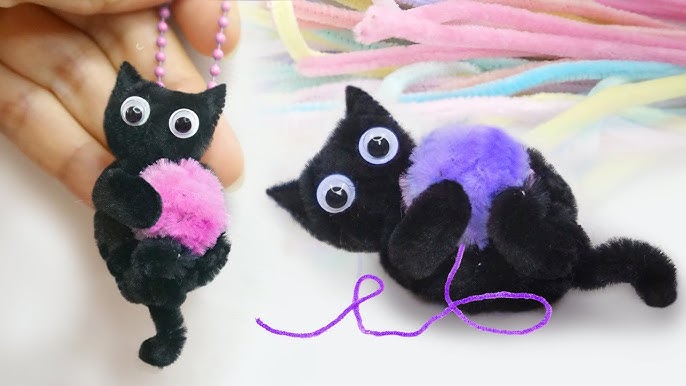
Looking for a fun and easy way to keep your cat entertained? You’re in the right place.
Making a cat toy on a stick is simple, affordable, and a great way to bond with your furry friend. Imagine your cat’s eyes lighting up as they chase, pounce, and play with a toy you created just for them.
Keep reading, and you’ll discover how to make this exciting toy step-by-step, using materials you probably already have at home. Your cat will love it, and you’ll love how easy it is!

Credit: goodsellerpet.en.made-in-china.com
Materials Needed
Gathering the right materials sets the stage for creating a cat toy on a stick that your feline friend will love. You want items that are safe, durable, and stimulating. Let’s break down exactly what you’ll need to bring this fun project to life.
Choosing The Right Stick
The stick acts as the handle and the base for your toy. Look for something lightweight but sturdy, like a wooden dowel or a bamboo skewer. Avoid sticks that splinter easily or have sharp edges to keep playtime safe.
Have you ever noticed how your cat’s interest fades if the stick is too heavy or awkward? Picking the right length—around 12 to 18 inches—gives you enough control without tiring your arm quickly.
Selecting Toy Components
These are the parts that will attract your cat’s attention. Common choices include feathers, bells, pom-poms, or small plush pieces. Make sure each piece is securely attached and large enough to prevent choking.
I once used bright-colored feathers combined with a small bell, and my cat was instantly hooked. Consider textures and sounds your cat prefers—soft fur-like materials or crinkly paper can also work wonders.
Optional Decorative Items
Adding a few decorative touches can personalize the toy and make it visually appealing. Try colorful ribbons, strips of fabric, or non-toxic paint to brighten the stick. Just remember, decorations shouldn’t interfere with the toy’s safety or function.
What fun colors or patterns could you add to make your toy stand out? Sometimes, a little sparkle or a splash of color is all it takes to grab your cat’s curiosity and keep playtime exciting.

Credit: www.amazon.com
Preparing The Stick
Preparing the stick is a crucial step when making a cat toy on a stick. The right stick ensures safety and durability during play. Taking the time to clean, smooth, and cut it properly will make your toy more enjoyable for your cat and easier for you to handle.
Cleaning And Smoothing
Start by selecting a natural wooden stick, free from chemicals or paint. You want something sturdy but lightweight, like a small branch or dowel.
Wash the stick thoroughly with warm water and mild soap to remove dirt and any potential pests. After drying it completely, use sandpaper to smooth out rough edges and splinters. This step prevents your cat from getting hurt and keeps your hands safe while playing.
Cutting To Size
Consider how long you want the stick to be. A length between 12 and 18 inches usually works well for most cats—it’s long enough to keep your hand at a safe distance but short enough to control easily.
Use a small saw or sturdy scissors to cut the stick to your desired size. If the stick has any sharp or uneven ends, sand them down again after cutting. This makes sure every part of the stick is smooth and safe for both you and your cat during playtime.
Creating The Toy Attachment
Creating the toy attachment is where your cat toy on a stick truly comes to life. This part lets you get creative and tailor the toy to what your cat loves. Think about textures, sounds, and movement that will catch your cat’s eye and keep them engaged for hours.
Using Feathers And Strings
Feathers are a classic choice for cat toys because they mimic the fluttering of birds, which naturally attracts cats. Tie a few colorful feathers to the end of a strong string, then securely fasten the string to the stick. You can add multiple feathers to create different shapes and lengths, giving your cat more to chase and pounce on.
Strings add extra fun because they move unpredictably when you wave the stick. Try using strings of different thicknesses and colors. Have you noticed how your cat reacts differently to a thin, wobbly string versus a thick, sturdy one? Experiment to find out what excites your furry friend the most.
Incorporating Bells And Pom-poms
Add a small bell to your toy for an auditory surprise. The jingling sound can pique your cat’s curiosity and encourage playful stalking. Make sure the bell is securely tied so it doesn’t come loose during playtime.
Pom-poms offer a soft, bouncy texture that many cats love to bat around. You can attach one or several pom-poms alongside a bell to combine sound and softness. Watch how your cat responds—do they prefer chasing the noisy bell or the squishy pom-pom?
Attaching Fabric Or Felt Pieces
Using scraps of fabric or felt lets you add bold colors and interesting textures to your toy. Cut small strips or shapes and attach them to the string or directly to the stick with strong glue or stitching. Cats enjoy the gentle flutter of fabric during play, which can mimic the movement of small prey.
Try layering different fabrics, like soft fleece with crinkly felt, to create a multi-textured toy. Have you noticed your cat’s preference for certain materials? This can guide you in customizing your toy to keep them coming back for more.
Assembling The Toy
Assembling your cat toy on a stick is where creativity meets practicality. This stage transforms simple materials into an exciting plaything your cat will love. Paying attention to how you attach parts and ensuring everything stays safe and strong will make all the difference.
Securing Attachments To The Stick
Start by choosing a sturdy stick, like a wooden dowel or a thick bamboo skewer. It needs to hold up under your cat’s playful tugs without snapping.
Attach your toy elements—feathers, fabric strips, bells, or pom-poms—by wrapping thin but strong string or fishing line tightly around both the stick and the toy piece.
- Double knot the string to prevent slipping.
- Use a dab of non-toxic glue on knots for extra security.
- Consider using small zip ties if the string feels too loose.
Have you noticed your cat prefers toys that dangle and move unpredictably? Securing attachments loosely enough to allow gentle swinging but tight enough to avoid falling off can keep your cat endlessly entertained.
Ensuring Safety And Durability
Safety must come first. Avoid small parts that can be chewed off and swallowed. Check every knot and glue spot to make sure nothing is loose or sharp.
Test your toy by gently pulling and shaking it yourself before letting your cat play. If anything feels fragile or falls apart, reinforce it before the first use.
- Trim any excess string or sharp edges on the stick.
- Use non-toxic, pet-safe materials only.
- Replace worn parts quickly to prevent accidents.
Have you ever thought about how long your toy lasts under your cat’s claws? Building durability into your design saves you time and keeps your furry friend safe and happy.
Customizing Your Toy
Choose a stick and attach colorful feathers or small toys to its end. Secure with string or glue for safety. This simple craft keeps cats active and happy.
Customizing your cat toy can make it more appealing to your feline. Personal touches keep your cat interested and engaged. Let’s explore ways to customize your cat toy on a stick.Adding Catnip
Catnip can excite your cat and make playtime more fun. Sprinkle some dried catnip on the toy’s fabric. You can also sew a small pouch filled with catnip. Attach this pouch securely to the toy. This will give your cat a delightful surprise.Varying Colors And Textures
Cats love colorful and textured toys. Use bright fabrics like red, blue, and green. These colors catch a cat’s eye. Mix different textures like soft felt and rough burlap. This variety stimulates your cat’s senses. You can also add shiny ribbons or crinkly paper. These additions make the toy more intriguing. A well-customized toy ensures your cat stays entertained longer.
Credit: www.yahoo.com
Tips For Playtime
Playtime with a cat toy on a stick can bring joy to both you and your pet. These toys keep cats active and sharp. Simple tips help make playtime safe and fun. Focus on your cat’s reactions and energy levels to keep them interested. Use the following advice for the best play sessions.
Engaging Your Cat
Move the toy slowly at first. Let your cat watch and plan their pounce. Use quick, small movements to mimic prey. Change the toy’s direction to keep your cat guessing. Notice when your cat loses interest and pause the game. Speak softly to encourage your cat to play more. Play sessions should last about 10 to 15 minutes. End playtime before your cat gets tired or bored.
Storing The Toy Safely
Keep the toy out of reach after play. Store it in a closed box or drawer. This prevents your cat from chewing or swallowing parts. Check the toy for damage before each play. Replace or fix any broken pieces quickly. Clean the toy regularly with mild soap and water. Dry it completely to avoid bacteria growth. Safe storage extends the toy’s life and protects your cat.
Frequently Asked Questions
What Materials Are Needed To Make A Cat Toy On A Stick?
You need a wooden stick, string, feathers or fabric, glue, and scissors. Use safe, non-toxic materials to protect your cat.
How Long Does It Take To Make A Cat Toy On A Stick?
Making a cat toy on a stick typically takes 15 to 30 minutes. It is a quick, fun DIY project.
Can Homemade Cat Toys On Sticks Keep Cats Entertained?
Yes, homemade cat toys mimic prey movements. They stimulate hunting instincts and encourage active play, keeping cats mentally and physically engaged.
How Do I Ensure The Toy Is Safe For My Cat?
Avoid small parts that can be swallowed. Secure attachments firmly and use pet-safe materials to prevent choking or poisoning.
Conclusion
Making a cat toy on a stick is simple and fun. You only need a few materials and a little time. Your cat will enjoy chasing and playing with it. It helps keep your cat active and happy. Plus, it saves money compared to store-bought toys.
Try different colors and shapes to see what your cat likes best. Creating toys at home also builds a stronger bond with your pet. Give it a try and watch your cat enjoy every moment!

Leave a Reply