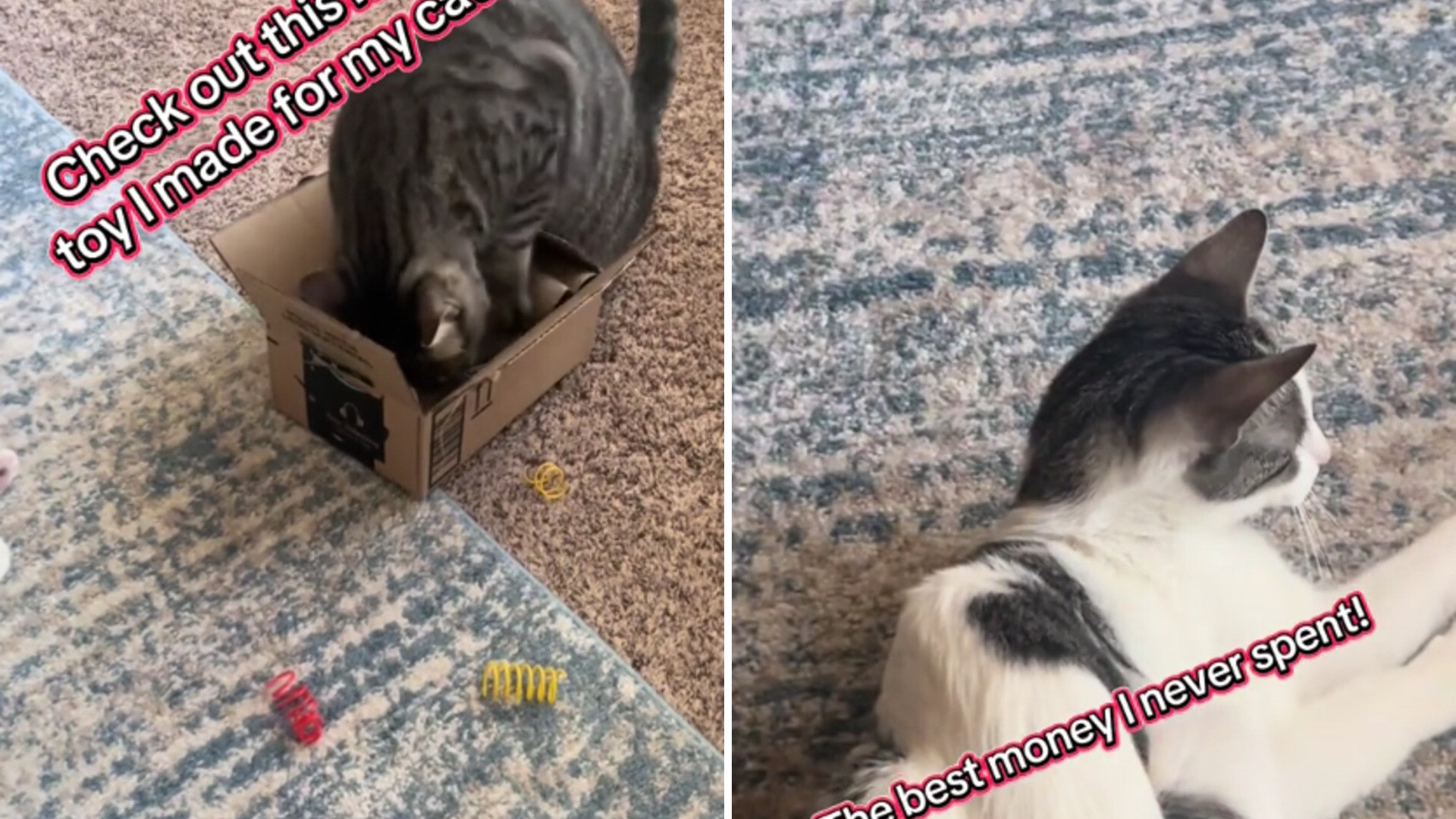
Are you looking for a fun and affordable way to keep your cat entertained? Making your own cat toys out of cardboard is easier than you think, and your furry friend will love them!
Not only will you save money, but you’ll also create safe, creative toys tailored just for your pet’s play style. Keep reading to discover simple steps and clever ideas that will turn ordinary cardboard into exciting toys your cat won’t be able to resist.
Why Cardboard Works For Cat Toys
Cardboard is more than just a simple material—it’s a perfect choice for making cat toys that your feline will love. Its unique texture and lightweight nature tap into your cat’s natural instincts, keeping them entertained for hours. But why exactly does cardboard work so well for cat toys? Let’s dive into the benefits that make it a top pick for both you and your cat.
Benefits For Cats
Cats love cardboard because it offers a variety of sensory experiences. The rough edges satisfy their urge to scratch, which helps keep their claws healthy and strong.
Its lightweight quality makes it easy for cats to bat around and carry, encouraging active play. Cardboard also provides a safe space for hiding or pouncing, feeding their hunting instincts.
Have you noticed how cats often curl up in cardboard boxes? That shows how comfortable and secure they feel around this material, making toys made from cardboard naturally appealing.
Eco-friendly And Affordable
Using cardboard for cat toys is a smart choice for your wallet and the planet. You can reuse old boxes or packaging material, reducing waste and saving money at the same time.
Unlike plastic or synthetic toys, cardboard breaks down easily in the environment, so it won’t contribute to pollution. This means you can feel good about providing fun for your cat without adding to landfill problems.
Do you keep those old boxes from packages? Instead of tossing them, think about turning them into a creative and budget-friendly toy your cat will adore.
Materials You’ll Need
Creating cat toys from cardboard is simple and fun. Gathering the right materials helps make the process smooth. Most items come from around the house or can be bought cheaply. Basic supplies cover the main tools and cardboard pieces. Optional decorative items add color and texture to the toys. Prepare these before starting to save time and avoid interruptions.
Basic Supplies
- Cardboard sheets or boxes
- Scissors or a craft knife
- Non-toxic glue or tape
- Ruler or measuring tape
- Pencil or marker for drawing shapes
- String or yarn for attaching parts
Optional Decorative Items
- Colored paper or fabric scraps
- Child-safe paint or markers
- Small bells or beads (ensure safe size)
- Feathers or soft pom-poms
- Catnip for extra attraction
Simple Cardboard Toy Ideas
Creating simple cardboard toys for your cat is a fun way to keep them entertained without spending much money. These DIY projects are easy to make and can be customized to suit your cat’s preferences. You’ll find that your cat enjoys toys that challenge their instincts, like scratching, hunting, and hiding.
Scratching Pads
Scratching pads made from cardboard are a hit with many cats. You can stack layers of cardboard horizontally or vertically and glue them together to form a thick pad. Adding a bit of catnip on top will make it even more appealing.
Try shaping the pad into different forms—round, square, or even curved—to see what your cat prefers. I once made a simple rectangular pad, and my cat instantly chose it over the store-bought one. What shape do you think your cat would enjoy scratching the most?
Interactive Puzzle Toys
Turn cardboard into a puzzle by cutting holes and creating compartments to hide treats or small toys. Your cat will use their paws and nose to fish out the goodies, stimulating their mind and body. You don’t need fancy tools—just a box cutter or scissors will do.
Try varying the hole sizes and hiding spots to keep your cat curious. Watching them figure out how to get to the treats is incredibly rewarding and shows how clever they really are. How can you make your puzzle toy more challenging next time?
Hide-and-seek Boxes
Simple cardboard boxes can become exciting hideouts for your cat. Cut multiple entrances and exits in different spots to create a mini playground. Adding soft fabric or a few toys inside makes it even cozier.
My cat loves darting in and out of her cardboard fortress, especially when I toss a ball inside. It’s a great way to encourage exercise and play. Could your cat’s favorite box become their new favorite toy?

Credit: wamiz.co.uk
Step-by-step Toy Assembly
Creating your own cat toys from cardboard is fun and rewarding. The assembly process is simple and allows you to customize toys your cat will love. Follow clear steps to turn plain cardboard into playful shapes and textures. Safety is key to keep your pet happy and healthy.
Cutting And Shaping Cardboard
Start by selecting sturdy cardboard sheets. Use scissors or a craft knife to cut pieces in fun shapes like circles, triangles, or rectangles. Create holes or slits for interest and to attach other parts. Trim edges smoothly to avoid sharp points. Experiment with layers for thicker toys that last longer.
Adding Textures And Features
Textures attract cats and keep them curious. Glue small strips of fabric, yarn, or paper to the cardboard surface. Use corrugated cardboard sections to add rough areas for scratching. Attach feathers or small bells safely for extra play value. Vary materials to stimulate your cat’s senses.
Ensuring Safety
Check all glued parts are secure and dry before giving toys to your cat. Avoid small pieces that can be swallowed. Use non-toxic glue and materials. Smooth all edges and corners carefully. Supervise your cat’s first play sessions to ensure the toy is safe and strong.
Customizing Toys For Your Cat
Creating toys for your cat offers a chance to customize them. Each cat has its own unique preferences. Tailor toys to match your cat’s personality and play style. With cardboard, the possibilities are endless. Let’s explore some ways to make these toys special for your feline friend.
Incorporating Catnip
Catnip can make toys irresistible. Sprinkle some inside cardboard toys. Use it sparingly to prevent over-excitement. You can also glue a sachet of catnip within the toy. This keeps the scent fresh and engaging.
Adjusting Sizes And Shapes
Cats have different size preferences. Some love small toys, while others prefer larger ones. Cut cardboard into various sizes to find what your cat enjoys. Shapes matter too. Try circles, squares, or triangles. Observe which shapes captivate your cat’s attention.
Personalizing Designs
Add personal touches to your cat’s toys. Use markers or crayons to add colors. Draw patterns or your cat’s name on the toy. Make sure all materials are safe and non-toxic. Personalization makes the toy uniquely theirs.

Credit: thangs.com
Maintaining And Refreshing Toys
Maintaining and refreshing cardboard cat toys keeps them safe and fun for your pet. Toys can wear out quickly with scratching and biting. Regular care helps extend their life and keeps your cat interested. Simple steps can make a big difference in how long the toys last.
Cleaning Tips
Clean toys often to remove dust and dirt. Use a damp cloth with mild soap. Avoid soaking the cardboard to prevent damage. Let toys dry completely before giving them back. This keeps germs away and your cat happy.
Replacing Worn Parts
Check toys for torn or loose pieces. Replace damaged parts to avoid choking hazards. Cut new pieces from fresh cardboard. Attach securely with non-toxic glue or tape. This keeps toys safe and enjoyable for your cat.
Rotating Toy Options
Switch toys regularly to keep your cat interested. Store unused toys in a box. Rotate them every few days. This makes old toys feel new again. Your cat stays curious and playful longer.
Encouraging Playtime With Diy Toys
Encouraging playtime with DIY toys keeps your cat active and happy. Homemade cardboard toys offer new textures and shapes for curious paws. They spark interest and invite exploration. Cats enjoy toys that challenge their hunting instincts and stimulate their minds.
Introducing New Toys
Introduce new cardboard toys slowly to your cat. Place the toy near their favorite resting spot. Let your cat sniff and explore it at their own pace. Move the toy gently to catch their attention. Praise your cat when they interact with the toy. Rotate toys regularly to keep their interest high.
Combining With Other Play Methods
Use cardboard toys alongside other play activities. Try waving the toy to mimic prey movements. Combine with feather wands or laser pointers for varied fun. Encourage your cat to chase and pounce on the toys. Mix solo and interactive play for a balanced routine. This variety helps prevent boredom and improves your cat’s mood.

Credit: www.youtube.com
Frequently Asked Questions
What Materials Do I Need For Cardboard Cat Toys?
You need clean cardboard, scissors, non-toxic glue, and safe decorations. Avoid sharp or small parts that can harm your cat. Simple household items like string or feathers can enhance the toy. Always prioritize your cat’s safety when choosing materials.
How To Make Cardboard Cat Toys Safe For Cats?
Use non-toxic glue and avoid small parts that could be swallowed. Ensure edges are smooth by trimming rough spots carefully. Monitor your cat’s play to catch wear and tear early. Regularly inspect toys and replace damaged ones promptly.
Can Cardboard Toys Keep Cats Entertained Long-term?
Yes, cardboard toys stimulate your cat’s curiosity and play instincts. Changing shapes or adding new elements keeps toys interesting. Rotate toys regularly to maintain your cat’s engagement. Homemade toys are affordable and customizable to your cat’s preferences.
How Often Should I Replace Homemade Cardboard Cat Toys?
Replace toys when they show signs of wear like tears or loose parts. Frequent play may require replacement every few weeks. Regular checks ensure your cat’s safety and continued interest. Fresh toys prevent boredom and maintain your cat’s health.
Conclusion
Making cat toys from cardboard saves money and reduces waste. It also keeps your cat active and happy. You only need a few simple tools and materials. Creativity makes each toy special and fun. Spend time with your cat while crafting.
Watch them enjoy your homemade toys every day. Start small and try different shapes or designs. Cardboard toys are safe and easy to replace. Keep your cat entertained with simple, homemade fun.


Leave a Reply