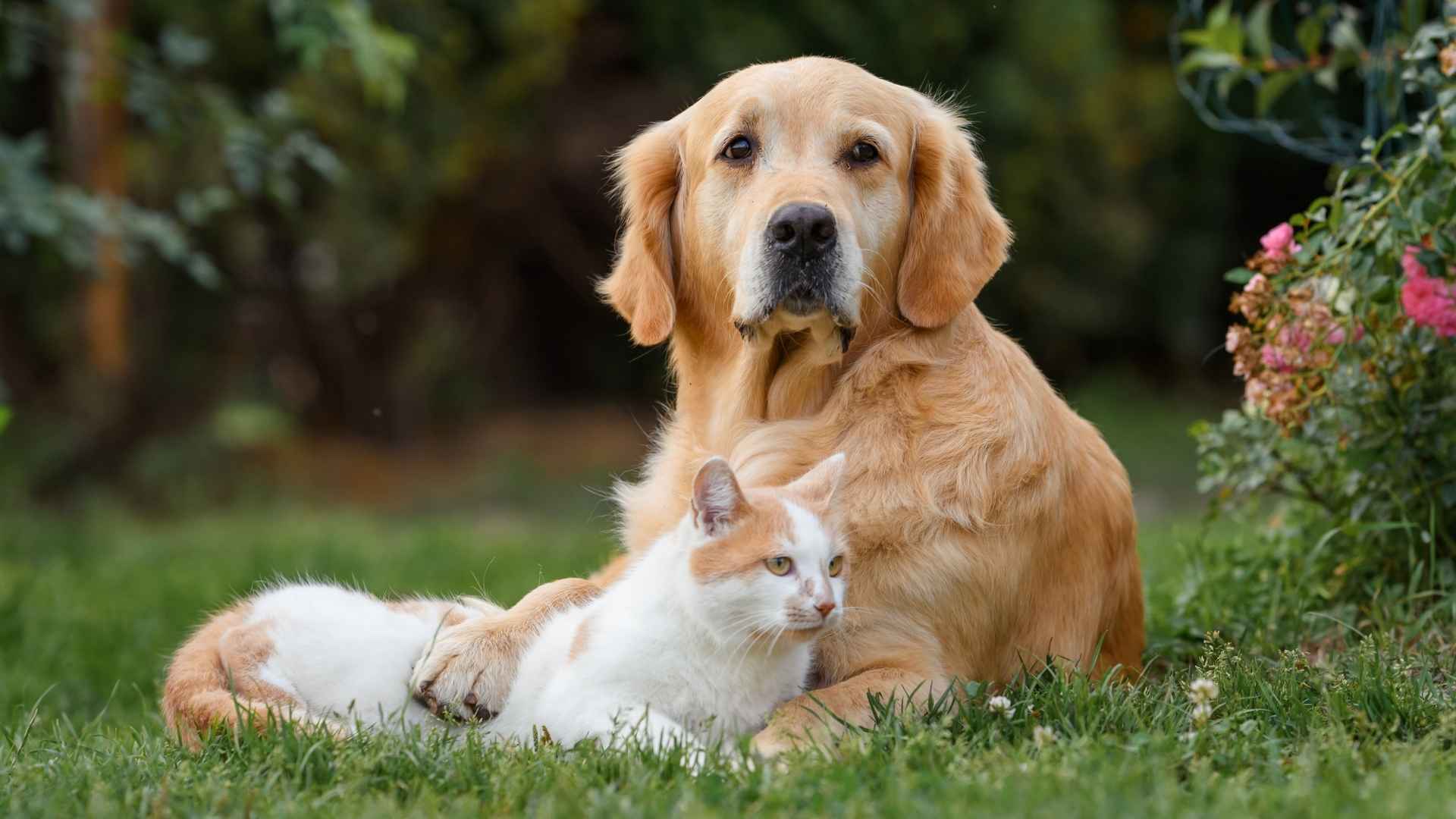
Are you thinking about adding a dog to your home but worried about how your cat will react? Finding the right dog breed that gets along well with cats can make all the difference.
You want a furry friend who fits smoothly into your family without causing stress or tension. You’ll discover which dog breeds are known for their friendly, gentle nature around cats. Keep reading to learn how to create a peaceful, happy home where both your dog and cat can thrive together.

Credit: rockykanaka.com
Traits That Help Dogs Get Along With Cats
Dogs that live peacefully with cats often share key personality traits. These traits help them accept a cat’s presence calmly. Understanding these traits guides in choosing the right dog breed for a home with cats.
Temperament Matters
A dog’s calm and gentle nature makes cat companionship easier. Friendly and patient dogs adapt well to a cat’s slower pace. Dogs that show less prey drive tend to be safer around cats. Avoid breeds with aggressive or overly dominant traits. A balanced temperament reduces stress for both pets.
Energy Levels And Compatibility
Matching energy levels between dogs and cats helps them bond. Active dogs may overwhelm shy or older cats. Low to medium energy dogs fit well with relaxed cats. Dogs that enjoy quiet play respect a cat’s space. Energy compatibility prevents conflicts and builds trust.
Socialization And Training
Early socialization teaches dogs to accept cats as family. Dogs introduced to cats young are more likely to be friendly. Training commands like “leave it” improve safety and control. Consistent training helps dogs manage impulses around cats. Socialized and trained dogs create a peaceful home environment.
Top Dog Breeds Friendly To Cats
Choosing a dog breed that gets along well with cats can make a huge difference in your home’s harmony. Some dogs naturally have a calm and friendly attitude toward feline friends. Knowing which breeds tend to be more cat-friendly helps you create a peaceful multi-pet household without constant stress or conflict.
Golden Retriever
Golden Retrievers are known for their gentle and tolerant nature. They usually accept cats as part of the family quickly and with little fuss. Their patience and easygoing personality make them one of the best choices if you want a dog that can live happily alongside cats.
Beagle
Beagles are curious and social dogs that often enjoy the company of other animals. Their playful spirit can match well with a cat’s energy, especially if they grow up together. However, their hunting instincts mean you should supervise early interactions to ensure they respect your cat’s space.
Cavalier King Charles Spaniel
This breed is affectionate and loves companionship, making them great companions for cats. Cavaliers tend to be calm and non-aggressive, which helps reduce tension around feline friends. Their smaller size also makes them less intimidating to cats who prefer gentle playmates.
Basset Hound
Basset Hounds have a laid-back attitude that suits homes with cats. They are not overly energetic or aggressive, which helps prevent chasing or rough play. Their calm demeanor encourages cats to feel safe and relaxed around them.
Pug
Pugs are friendly and sociable dogs that often get along well with cats. Their charming and somewhat goofy nature can win over even the most cautious feline. If your cat is a bit shy, a pug’s gentle persistence might help build a lasting friendship.
Maltese
The Maltese is a small and affectionate dog that usually coexists peacefully with cats. Their quiet and gentle temperament means they won’t overwhelm your cat. This breed adapts well to indoor living, making them ideal companions for feline family members.
Breeds To Approach With Caution
Choosing a dog breed that fits well with your cat requires careful thought. Some breeds naturally have traits that can make living with a cat challenging. Understanding which dogs you need to approach with caution can save you from future headaches and help create a peaceful home for both pets.
High Prey Drive Dogs
Dogs with a strong prey drive often see cats as something to chase rather than companions. Breeds like Greyhounds, Whippets, and some Terriers fall into this category. If you have a cat, these dogs might struggle to control their instincts, leading to stressful encounters.
Think about whether you can provide constant supervision and training to manage this behavior. Could your dog’s prey drive overshadow your cat’s comfort? If the answer is yes, consider breeds with a lower prey drive instead.
Territorial Breeds
Some dogs are naturally protective and territorial, which can cause friction with cats. Breeds such as Akitas, Chow Chows, and some Mastiffs often guard their space aggressively. This attitude can make it hard for a cat to feel safe and relaxed in the home.
Territorial behavior means your dog might see your cat as an intruder. Are you ready to invest time in socializing and calming these instincts? If not, it might be better to choose a breed known for a more easygoing nature.
Working Dogs
Working breeds like Border Collies, Australian Shepherds, and Belgian Malinois have high energy and strong herding instincts. They may try to herd or nip at cats, which can stress your feline friend. These behaviors come from their natural drive to control movement.
Ask yourself if you can provide enough mental and physical exercise for a working dog to reduce these urges. Without it, your cat might become a target for unwanted attention. If you can’t meet these needs, a calmer breed might be a better fit for your household.
Tips For Introducing Dogs To Cats
Introducing a new dog to your cat can feel like navigating a delicate dance. Your goal is to create a peaceful relationship between two very different animals. The right approach can ease tension and build trust quickly, making life better for both pets and you.
Controlled First Meetings
Start introductions in a calm, controlled setting. Keep your dog on a leash and let your cat explore freely but from a safe distance. This setup helps prevent sudden moves that could scare either animal.
Choose a quiet room with few hiding spots for the cat, so you can observe their reactions clearly. Limit the meeting to a few minutes initially and gradually increase the time as they get more comfortable. Have treats ready to reward calm behavior from both pets.
Reading Body Language
Watch closely for signs of stress or aggression from both your dog and cat. A relaxed dog might wag its tail gently, while a tense one may stiffen or growl. Cats might puff up their fur or flatten their ears when scared.
Understanding these signals helps you step in before things escalate. If either pet shows signs of fear or aggression, calmly separate them and try again later. How well do you recognize your pets’ subtle cues?
Patience And Positive Reinforcement
Building a good relationship takes time—sometimes days, sometimes weeks. Be patient and avoid rushing interactions. Reward your dog and cat with treats and praise when they behave calmly around each other.
Consistency is key. Regular short sessions of positive interaction can turn initial wariness into curiosity and eventually friendship. What small rewards could motivate your pets to accept each other more quickly?
Creating A Harmonious Home
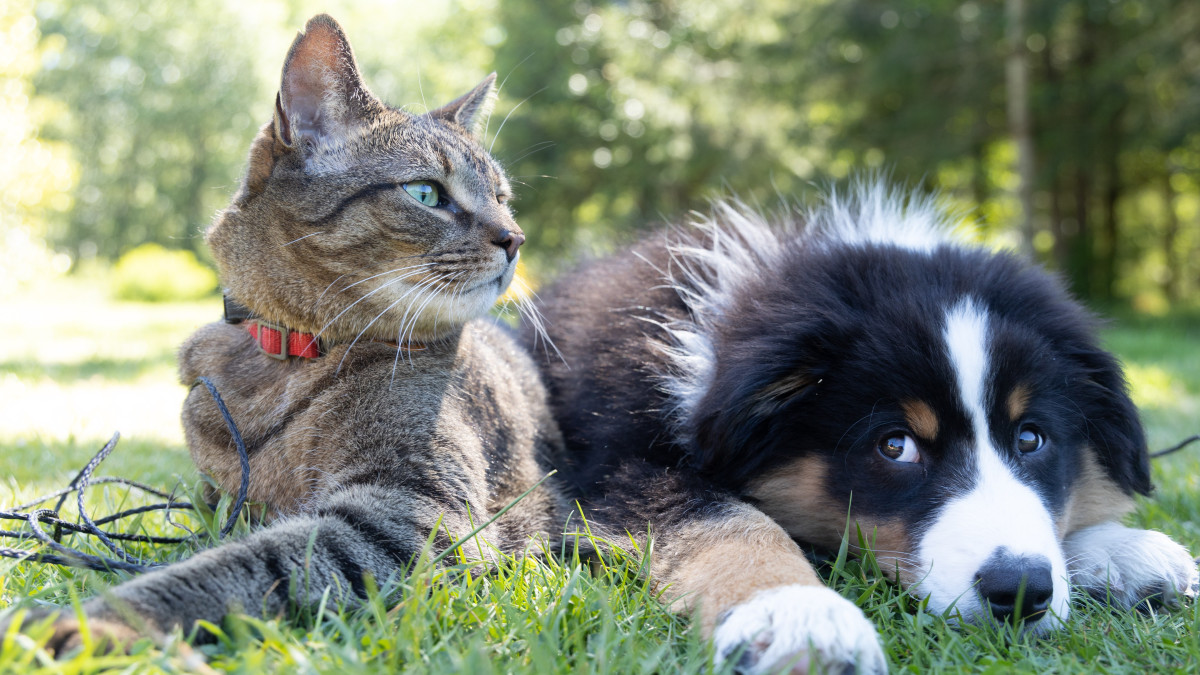
Certain dog breeds tend to get along well with cats, making a peaceful home possible. Choosing calm, gentle dogs helps both pets live happily together. Understanding each breed’s nature supports harmony between dogs and cats.
Creating a harmonious home where both dogs and cats thrive together can be a delightful yet challenging endeavor. It’s all about understanding each pet’s needs and ensuring a peaceful coexistence. Selecting the right dog breed that gets along well with cats is just the beginning. Let’s delve into how you can create a harmonious environment for your furry friends.Safe Spaces For Cats
Cats often need their own territory to retreat to when they feel overwhelmed. Consider setting up cat trees or shelves that are out of reach for dogs. This gives your cat the vertical space they naturally crave and a safe place to observe the world around them. Ensure your cat’s litter box is in a dog-free zone. This respects their privacy and prevents any unwanted dog interference. You might find that using baby gates or pet barriers can effectively create these cat-only areas.Feeding And Playtime Strategies
Feeding your cat and dog separately can prevent food-related conflicts. Cats often graze, while dogs tend to gulp their meals down quickly. Place your cat’s food on higher surfaces or in separate rooms to avoid any competition for food. Playtime should be supervised initially to ensure both pets understand boundaries. Use toys that both can enjoy without feeling threatened. Interactive toys can engage both your dog and cat, creating positive associations with each other.Consistent Routine
Establishing a consistent routine helps both pets know what to expect each day. Feed them, play with them, and allow outdoor time at the same times daily. This predictability can reduce anxiety and create a calmer household. Consider setting aside specific bonding time for each pet. This attention ensures neither pet feels neglected and strengthens your relationship with both. Have you noticed how pets thrive on routine? A consistent schedule helps them feel secure and loved.
Credit: www.dailyrecord.co.uk
Credit: pethelpful.com
Frequently Asked Questions
Which Dog Breeds Get Along Best With Cats?
Breeds like Golden Retrievers, Beagles, and Basset Hounds are known to coexist well with cats. They have gentle temperaments and low prey drives, making them suitable companions for feline friends.
Are Small Dog Breeds Better With Cats?
Not always. While some small breeds like Cavalier King Charles Spaniels are cat-friendly, others may have high energy or prey drive, which can stress cats. Temperament matters more than size when matching dogs with cats.
How To Introduce A Dog To A Cat Safely?
Introduce them slowly in a controlled environment. Keep the dog on a leash and allow the cat to approach voluntarily. Supervise interactions and reward calm behavior to build positive associations between both pets.
Can Rescue Dogs Live Peacefully With Cats?
Yes, many rescue dogs adjust well to cats if properly introduced. Past experiences vary, so patience and gradual introductions are key to fostering a peaceful multi-pet home.
Conclusion
Choosing the right dog breed can help cats and dogs live happily. Some breeds are gentle and calm, making them good companions for cats. Training and patience play a big role in their friendship. Each pet is different, so observe their behavior closely.
A peaceful home starts with understanding both pets’ needs. Happy pets mean a happy family. Think about your lifestyle and pet personalities before deciding. This way, everyone stays safe and comfortable together.




Leave a Reply