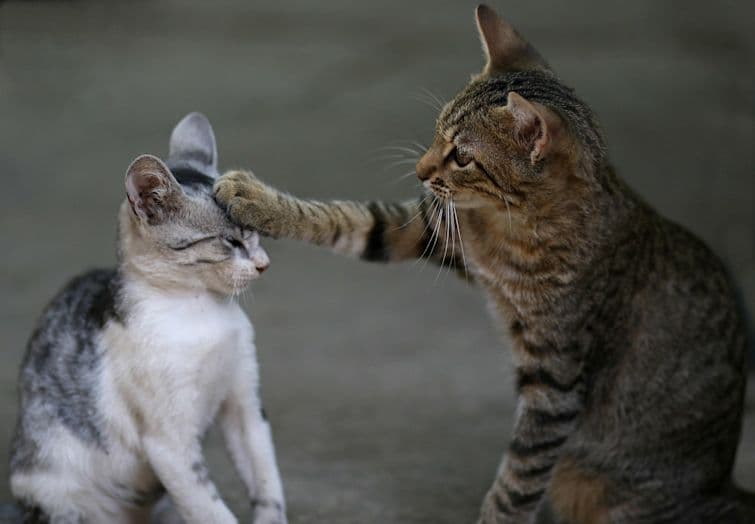
Have you ever wondered if feral cats take care of each other the way pet cats do? You might see stray cats huddling together and ask yourself, “Do feral cats groom each other?” Understanding this behavior can give you surprising insights into their world.
If you’re curious about how these wild felines interact, keep reading—because what you discover might change how you see feral cats forever.

Credit: basepaws.com
Feral Cat Behavior
Feral cats live in a world quite different from the pets many of us know. Their behavior is shaped by survival, social needs, and the environment around them. Understanding their actions gives you a clearer picture of whether they groom each other and why.
Social Structure
Feral cats often form colonies, which are groups that share territory and resources. Within these colonies, there is usually a social hierarchy that influences interactions. Some cats take on leadership roles, while others stay more on the outskirts.
Grooming between feral cats is more common among those that share a close bond, like mothers and their kittens or long-term allies. This mutual grooming helps build trust and strengthens their social ties. Have you noticed how cats you’ve seen outside sometimes stick close together or seem to look out for each other?
Daily Habits
Feral cats spend much of their day hunting, resting, and maintaining their territory. Grooming is a key part of their routine, but mostly for self-cleaning. They need to keep their fur free of dirt, parasites, and tangles to stay healthy and agile.
Occasionally, you might see two cats grooming each other, especially during quiet moments or after a shared meal. This behavior isn’t just about cleanliness; it’s about reinforcing bonds and reducing tension. If you watch carefully, you’ll spot these subtle social cues that reveal more about their relationships than you might expect.
Grooming Habits Of Feral Cats
Feral cats have unique grooming habits that keep them clean and healthy. Grooming is vital for their survival in the wild. It helps remove dirt, parasites, and loose fur. Grooming also cools them down and reduces stress. Understanding these habits reveals how feral cats care for themselves and others.
Self-grooming Patterns
Feral cats spend a lot of time grooming themselves. They use their tongues to clean their fur. Their tongues have tiny, hook-like structures that remove dirt and loose hair. Grooming also spreads natural oils across their coat. This keeps their fur soft and waterproof.
They lick areas hard to reach with their paws. These include behind the ears, neck, and belly. Self-grooming happens multiple times a day. It is a way to stay clean and alert to dangers.
Mutual Grooming Among Cats
Feral cats do groom each other, but only within close groups. This behavior is called allogrooming. It helps build strong social bonds. Cats often groom around the head and neck, where self-grooming is tough.
Mutual grooming also reduces tension and fights. It spreads scents that identify group members. This helps maintain group harmony. Cats that groom each other tend to trust one another more.
Reasons Behind Mutual Grooming
Mutual grooming among feral cats is more than just a behavior to keep clean. It serves important roles in their social lives and overall well-being. Understanding the reasons behind this action helps you appreciate the complex relationships these animals build with one another.
Bonding And Social Connection
When feral cats groom each other, they’re strengthening their social bonds. This act builds trust and reduces tension within the group. You might notice cats that groom together tend to rest near each other and share resources more comfortably.
Have you ever seen cats grooming after a stressful event? It’s their way of calming down and reaffirming friendships. This behavior helps them form tight-knit communities, which improves their chances of survival.
Health And Hygiene Benefits
Mutual grooming helps feral cats reach spots they can’t clean on their own, like behind the ears or under the chin. This keeps parasites like fleas and ticks at bay. It also promotes healthier skin and fur, which is crucial for outdoor cats exposed to harsh environments.
Besides physical cleanliness, grooming reduces the risk of infections by removing dirt and dead skin. If you’ve seen cats carefully licking one another, you know it’s more than affection—it’s essential self-care shared between them.

Credit: basepaws.com
Factors Affecting Grooming Behavior
Grooming behavior among feral cats doesn’t happen in a vacuum. Several factors influence whether and how often cats groom each other. These factors shape the social bonds and survival strategies within feral cat communities.
Group Size And Dynamics
The number of cats in a group affects grooming behavior significantly. Smaller groups tend to have stronger social bonds, making mutual grooming more common. In contrast, larger groups often face competition and stress, which can reduce grooming interactions.
Dominance hierarchies also play a role. Higher-ranking cats might receive more grooming, while lower-ranking ones may be groomed less or avoid grooming altogether. Have you ever noticed how some cats in your neighborhood seem to stick together more closely? That’s a sign of tight group dynamics influencing their grooming habits.
Environmental Influences
The environment where feral cats live impacts their grooming behavior as well. Harsh weather conditions, such as extreme cold or heat, can increase the need for grooming to maintain fur health. However, scarce resources like food or shelter might create tension, making cats less likely to spend time grooming others.
Urban areas with limited safe spaces may force cats to be more cautious and less social, reducing grooming opportunities. In contrast, rural or suburban settings with abundant resources often support more relaxed social interactions, including grooming. What kind of environment do you think encourages more trust and cooperation among feral cats?
Differences Between Feral And Domestic Cats
The world of cats is diverse, with feral and domestic cats exhibiting different behaviors. Understanding these differences can help you appreciate the unique traits of each type. One area where these differences become evident is in their grooming habits and social interactions.
Grooming Frequency
Feral cats tend to groom themselves less frequently compared to their domestic counterparts. Living in the wild, they face more immediate survival challenges like finding food and avoiding predators. This environment leaves less time and energy for regular grooming.
On the other hand, domestic cats often enjoy a more relaxed lifestyle, allowing them time to groom frequently. You might notice your pet cat spending hours each day ensuring their fur is pristine. This regular grooming is partly due to the safety and comfort provided by a home environment.
Social Interaction Levels
Social interactions among feral cats are generally limited. They are more solitary creatures, driven by the need to fend for themselves. However, feral cats can form colonies, and within these groups, they may engage in some social grooming, especially among familiar cats.
Domestic cats, in contrast, are often more social and may groom other cats they live with as a form of bonding. If you have multiple cats, you may witness them grooming each other as a sign of their close relationship. This behavior strengthens their social bonds and is encouraged by the stable environment you provide.
Have you ever noticed a difference in grooming habits between your outdoor and indoor cats? Understanding these behaviors can deepen your connection with your feline friends. It’s fascinating to observe how environment shapes the way cats interact with each other and their surroundings.

Credit: basepaws.com
How To Observe Feral Cats Safely
Watching feral cats interact, especially when they groom each other, can be fascinating. However, it’s important to prioritize your safety and theirs while observing. Understanding how to do this respectfully helps you avoid stressing the cats and keeps you out of harm’s way.
Best Practices
- Keep your distance.Use binoculars or a zoom lens on your camera to watch without getting too close.
- Stay quiet and move slowly.Sudden movements or loud noises can scare feral cats away or provoke defensive behavior.
- Observe during calm times.Early mornings or late afternoons are often when cats are most active and relaxed.
- Wear neutral colors.Bright or flashy clothing can draw unwanted attention from cats or other animals.
- Bring a notebook.Jot down details about their grooming behavior, group dynamics, or any unique traits you notice.
What To Avoid
- Do not try to touch or feed them.Feral cats can carry diseases and might bite or scratch if they feel threatened.
- Avoid direct eye contact.This can be seen as a challenge and may make the cats defensive.
- Don’t corner or trap them.Cats need an escape route to feel safe and continue their natural behavior.
- Never disturb their resting spots.Interrupting their rest can cause stress and disrupt their social grooming routines.
- Stay clear of their dens or kittens.Mothers are highly protective and may react aggressively if they sense danger.
Frequently Asked Questions
Do Feral Cats Groom Each Other Regularly?
Yes, feral cats groom each other to build social bonds and reduce stress. This behavior, called allogrooming, helps maintain group harmony and cleanliness.
Why Do Feral Cats Groom Each Other?
Feral cats groom each other to strengthen social connections and remove dirt or parasites. It is a key behavior for group cohesion and trust.
How Does Grooming Affect Feral Cat Relationships?
Grooming fosters trust and cooperation among feral cats. It reduces tension, promotes friendship, and helps establish social hierarchies within the group.
Do Feral Cats Groom Only Familiar Cats?
Mostly, feral cats groom familiar or related cats. Grooming unfamiliar cats is rare and usually happens in established colonies with strong social ties.
Conclusion
Feral cats do groom each other to build bonds and stay clean. This behavior helps reduce stress and keeps their fur healthy. Grooming also shows trust and friendship within their groups. Watching these cats can teach us about their social lives.
Understanding feral cats helps us care for them better. Their grooming habits are a key part of their survival. Simple acts like grooming reveal much about feral cat behavior.




Leave a Reply