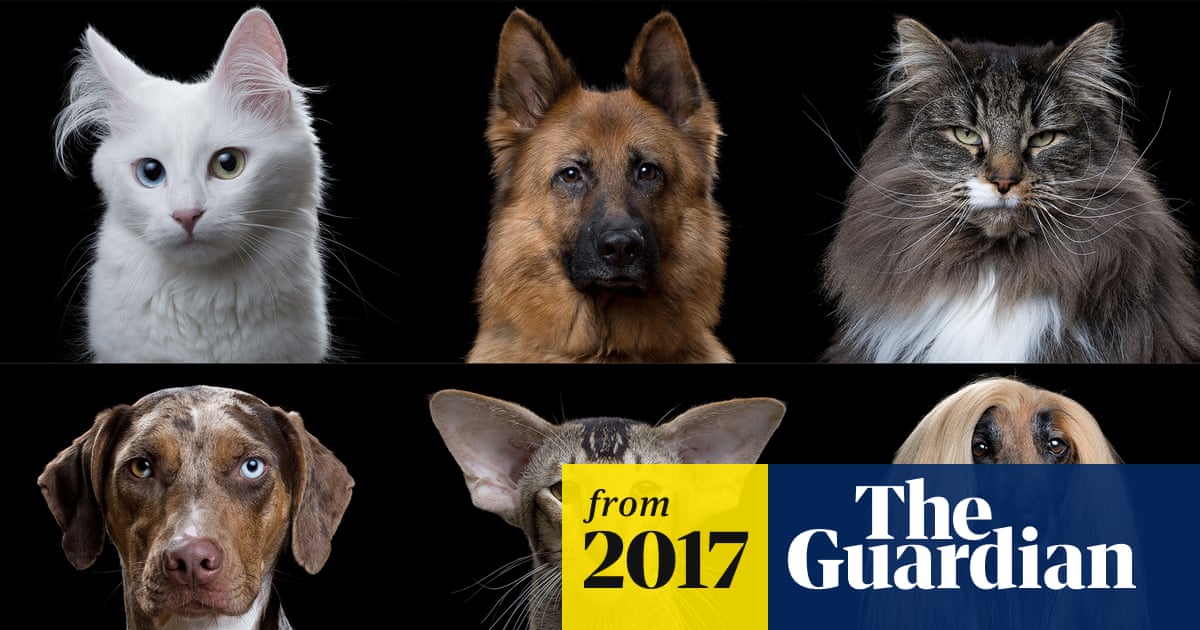
Have you ever wondered why dogs and cats come in so many different shapes, sizes, and personalities? Whether you’re a pet lover or just curious, understanding why there are different breeds can change the way you see your furry friends.
This knowledge helps you choose the perfect companion that fits your lifestyle and needs. Keep reading to discover the fascinating reasons behind the variety of dog and cat breeds—and how this diversity can make your relationship with your pet even more special.
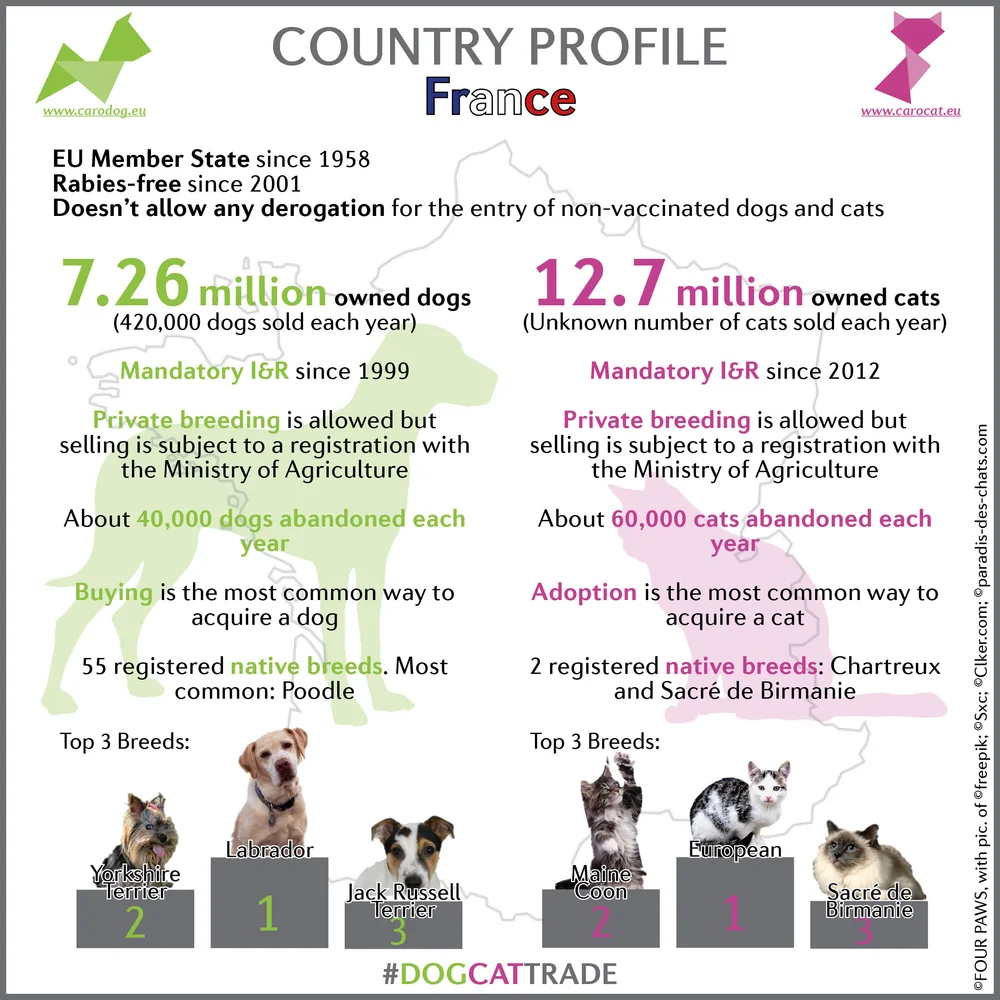
Credit: www.considerate-consumer.com
Origins Of Dog Breeds
The origins of dog breeds trace back thousands of years. Dogs evolved from wild ancestors and adapted to living with humans. Different breeds appeared as people shaped dogs for various tasks and lifestyles. Each breed carries traits that suited specific needs.
Domestication And Early Breeds
Dogs were the first animals humans domesticated. Early humans kept wolves that showed less fear and aggression. Over time, these wolves became more like dogs. They helped with hunting, guarding, and companionship. The earliest breeds were simple and varied by region.
Selective Breeding For Traits
Humans began choosing dogs with certain traits to breed. Traits like size, coat type, and behavior mattered. Breeders mated dogs that had desired qualities. This process created distinct breeds with unique looks and skills. Selective breeding refined dogs for hunting, herding, or guarding.
Influence Of Human Needs
Human needs shaped dog breeds greatly. Some breeds hunted specific animals. Others guarded homes or herds. Some were companions or helpers for farmers. Each dog breed developed to fit a special role. This made dogs valuable partners in many cultures.
Origins Of Cat Breeds
The origins of cat breeds reveal a fascinating journey from wild hunters to beloved household companions. Understanding where cat breeds come from helps you appreciate their unique traits and behaviors. It also answers why some cats look or act very differently from others, even though they share the same species.
Wild Ancestors And Domestication
Your domestic cat traces its roots back to wild ancestors that roamed various parts of the world thousands of years ago. The African wildcat, in particular, is the closest relative to today’s house cats. These wildcats gradually adapted to living near human settlements, attracted by rodents feeding on stored grain.
Domestication wasn’t a sudden event but a slow process. Cats that tolerated humans and helped control pests were more likely to survive and reproduce. This natural partnership laid the foundation for the diverse cat breeds we see today.
Natural Vs. Artificial Selection
Natural selection shaped early cat populations by favoring traits that helped survival in the wild or close to humans. Cats with better hunting skills or friendlier temperaments thrived. You can see this in breeds like the Abyssinian, which still shows a lot of wildcat characteristics.
Artificial selection, on the other hand, happens when humans deliberately breed cats for specific traits. These traits might include coat color, fur length, or personality. For example, the Persian cat was bred for its long, luxurious fur and calm nature, which is quite different from their wild ancestors.
Breed Development Over Time
Breed development is an ongoing process influenced by geography, culture, and human preference. Over centuries, isolated communities bred cats that suited their environment and lifestyle. The Siamese cat, known for its striking blue eyes and vocal personality, originated in Thailand and reflects the culture and climate of that region.
When you look at your pet, think about the history packed into its genes. Each breed has a story of survival, selection, and human influence that shaped its appearance and behavior. What traits in your cat stand out the most, and can you trace them back to their origins?
Traits Shaping Breeds
Traits play a crucial role in shaping the many breeds of dogs and cats we see today. These traits have been carefully selected over generations to meet specific needs, lifestyles, and environments. Understanding these traits helps you appreciate why breeds look and behave so differently.
Physical Characteristics
Physical traits like size, coat type, color, and ear shape define each breed’s unique look. Breeders often focus on these features to meet certain standards or purposes. For example, the thick coat of a Siberian Husky helps it survive cold climates, while the sleek fur of a Siamese cat suits warmer environments.
Have you noticed how some dogs have webbed feet, while others don’t? These small physical differences are not random—they are linked to the breed’s original job or habitat.
Behavioral Differences
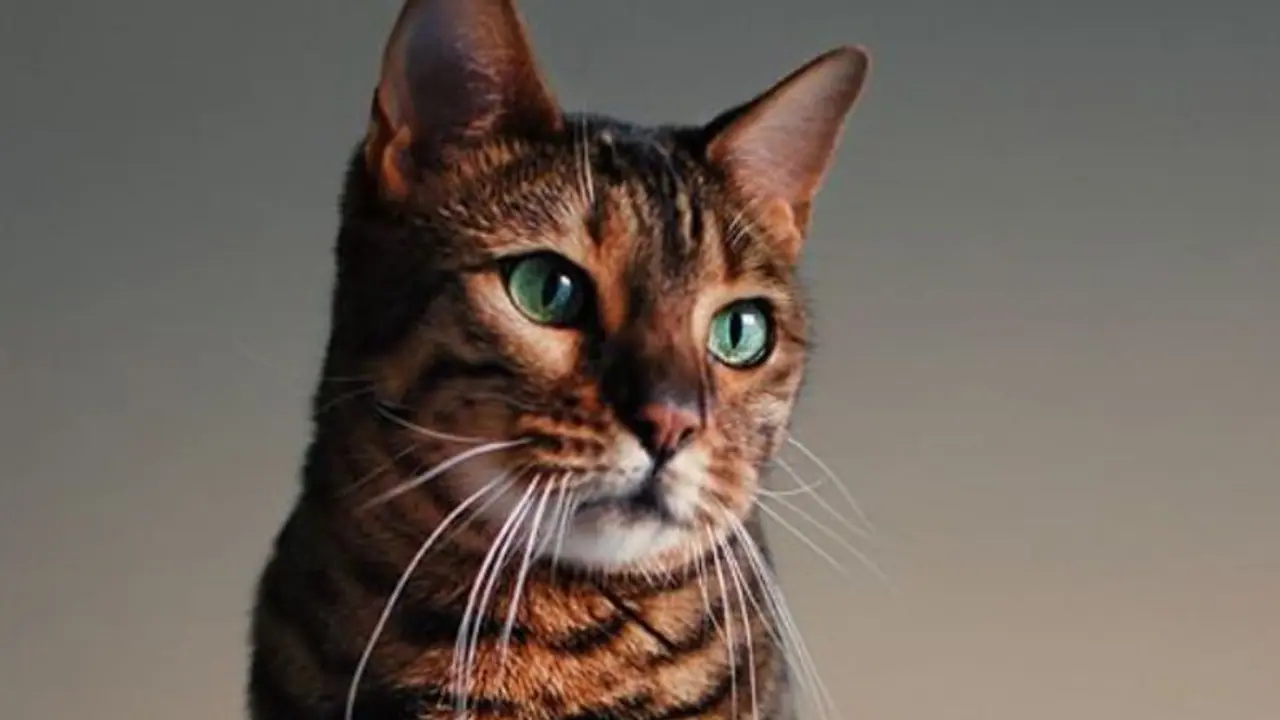
Behavior is another key trait that sets breeds apart. Some dogs, like Border Collies, are naturally energetic and excel in herding, while others prefer being calm and affectionate, like Bulldogs. Cats also show these differences; Bengal cats are active and curious, whereas Ragdolls tend to be more laid-back.
Your choice of breed should match your lifestyle. Ask yourself: Do you want a pet that loves to run and play, or one that enjoys lounging around? Knowing behavioral traits helps you find a better fit and builds a stronger bond with your pet.
Adaptations To Environment
Breeds have adapted to their environments over time, developing traits that help them survive and thrive. Desert breeds like the Basenji have short coats to stay cool, while Arctic breeds like the Alaskan Malamute have thick fur and extra fat for insulation.
These adaptations aren’t just about comfort; they influence health and care needs. Understanding your pet’s environmental background can guide you in providing the right shelter, diet, and exercise.
Role Of Genetics
The role of genetics explains why dogs and cats come in many breeds. Genes carry the instructions that shape an animal’s appearance and behavior. Different gene combinations create unique traits. Breeders select animals with desired traits to develop new breeds. This process leads to the wide variety of dog and cat breeds we see today.
Gene Variation In Breeds
Gene variation means differences in the DNA among animals. Each breed has a distinct set of gene variations. These differences affect size, coat color, ear shape, and more. Gene variation helps create the distinct look of each breed. It also influences personality and abilities.
Inheritance Patterns
Inheritance patterns show how traits pass from parents to offspring. Some traits are dominant, others recessive. Dominant traits need only one gene copy to appear. Recessive traits need two copies to show. Breeders use inheritance knowledge to predict puppies’ or kittens’ traits. This helps maintain breed standards over generations.
Health And Genetic Diversity
Genetic diversity means a wide range of genes in a population. It helps keep animals healthy and strong. Low genetic diversity can lead to inherited diseases. Some breeds have more health problems due to limited gene pools. Breeders aim to balance breed traits with good genetic diversity to reduce health risks.
Human Influence On Breeding
Humans have played a significant role in shaping dog and cat breeds. Through selective breeding, people have influenced their appearance, behavior, and abilities. This intervention has led to the diversity of breeds we see today.
Purpose-driven Breeding
People bred dogs and cats for specific tasks. For instance, herding, hunting, or companionship. Each breed developed traits suited to these roles. This focus led to unique physical and behavioral characteristics.
Cultural Preferences
Different cultures have different breed preferences. These preferences influenced breeding choices. Some cultures valued certain looks or abilities. This cultural influence shaped the variety of breeds around the world.
Modern Breeding Practices
Today, breeding often aims to enhance specific traits. These traits include size, color, or temperament. Modern breeders use genetics and technology. This helps to refine and maintain breed standards. This careful selection ensures the continuation of beloved breeds.
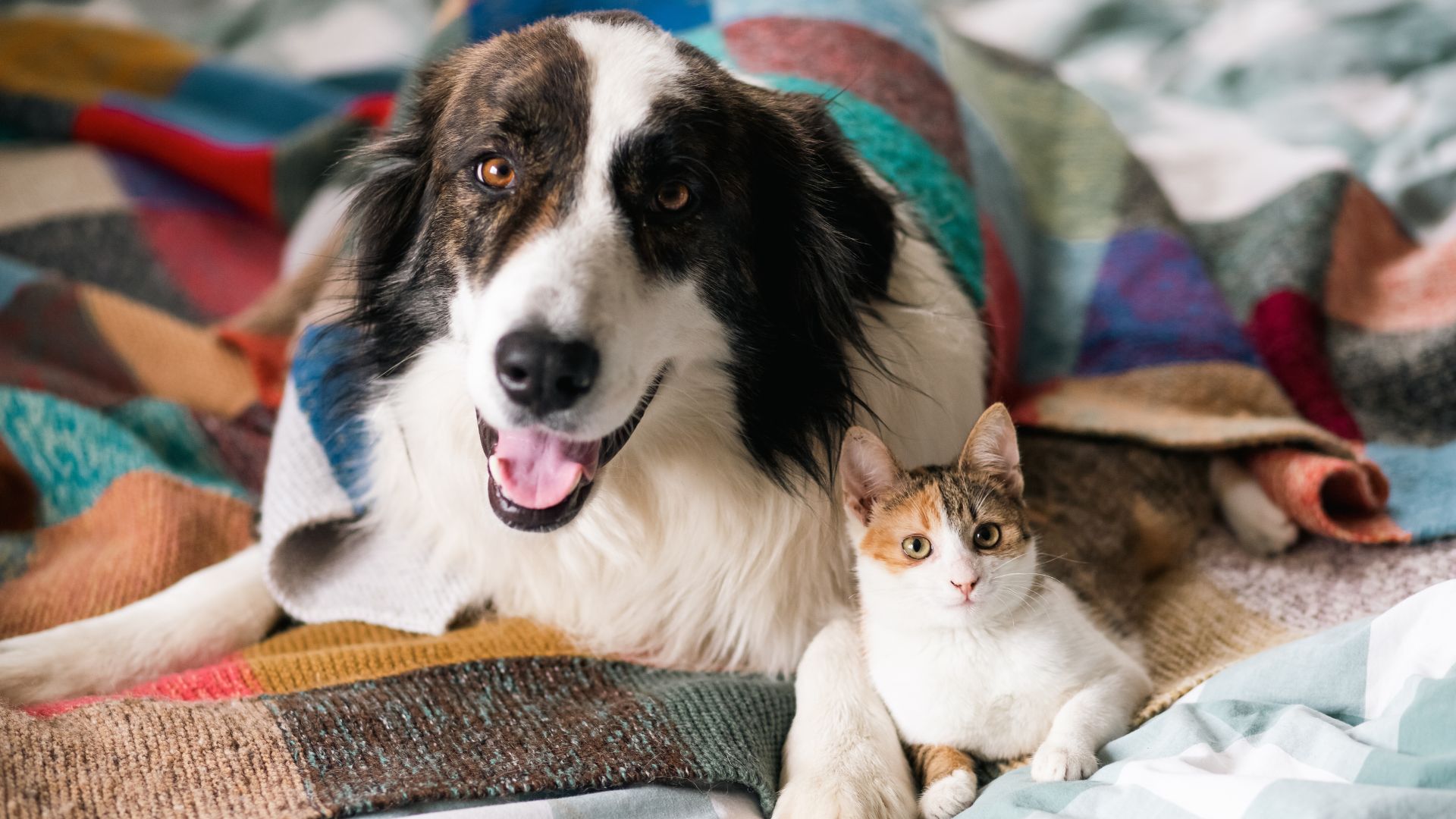
Credit: worldanimalfoundation.org
Impact On Pets And Owners
Different breeds of dogs and cats bring unique impacts on both pets and their owners. Each breed has specific needs, habits, and traits that affect daily life. Understanding these differences helps owners build strong bonds with their pets and provide proper care. The right match between pet and owner improves happiness and health for both.
Choosing The Right Breed
Choosing a breed depends on lifestyle and home environment. Some breeds need lots of exercise and space. Others prefer calm and quiet settings. Size matters too; small apartments suit smaller breeds better. Matching breed traits with owner preferences prevents stress and behavioral issues. Research breeds carefully before making a decision.
Care And Maintenance Needs
Each breed requires different care levels. Some dogs shed heavily and need regular grooming. Cats vary in coat length and cleanliness habits. Certain breeds have special dietary or health needs. Time and money for grooming, vet visits, and exercise vary widely. Knowing these needs helps owners plan and maintain pet well-being.
Breed-specific Behaviors
Behavior differs by breed and affects daily interactions. Some dogs are highly social and love attention. Others are independent and prefer alone time. Cats show various playfulness and affection levels. Understanding breed behavior improves training and communication. It also helps owners anticipate challenges and enjoy their pets more.

Credit: www.oliverpetcare.com
Frequently Asked Questions
Why Do Dogs And Cats Have Different Breeds?
Dogs and cats have different breeds due to selective breeding. Humans bred them for traits like size, behavior, and appearance. This created distinct breeds suited for various roles, environments, and preferences. Over time, these breeds developed unique characteristics, making them diverse and specialized pets.
How Did Dog Breeds Develop Over Time?
Dog breeds developed through selective breeding by humans. Early humans chose dogs with desired traits for hunting, guarding, or companionship. This intentional breeding enhanced specific characteristics, resulting in many distinct breeds with unique looks and behaviors adapted to different tasks and climates.
What Causes The Variety In Cat Breeds?
Cat breeds vary due to genetic mutations and selective breeding. Breeders focused on traits like fur length, color, and personality. Natural variations and human influence combined to create diverse breeds, each with unique physical features and temperaments suited for different living environments.
Are Dog And Cat Breeds Created For Specific Purposes?
Yes, breeds were created for specific roles. Dogs were bred for hunting, herding, guarding, or companionship. Cats were bred mainly for companionship and pest control. This purpose-driven breeding shaped their physical traits and behaviors, resulting in specialized breeds suited to human needs.
Conclusion
Different breeds of dogs and cats exist because of nature and humans. Each breed has unique traits and looks. People bred animals for work, looks, or companionship. This variety helps animals fit different homes and jobs. It also gives pet lovers many choices.
Understanding breeds helps us care for pets better. Every breed tells a story of its past. This diversity makes dogs and cats special to many people.


Leave a Reply