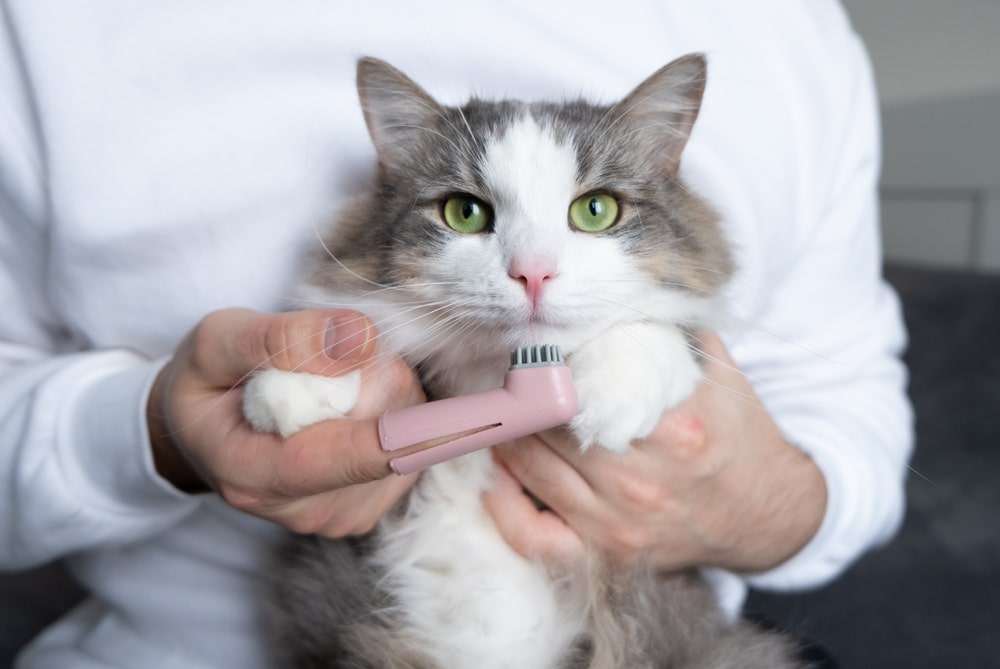
Grooming your cat might seem tricky, but it’s easier than you think. When you know the right steps, grooming becomes a bonding moment that keeps your furry friend happy and healthy.
Imagine a cat with shiny fur, fewer mats, and less shedding—wouldn’t that make you feel proud? In this guide, you’ll discover simple, effective ways to groom your cat without stress. Ready to make grooming a breeze for both you and your pet?
Let’s dive in!
Choosing The Right Grooming Tools
Choosing the right grooming tools is key to making the grooming process smooth and enjoyable for both you and your cat. Using the wrong brush or supplies can cause discomfort or even harm your cat’s delicate skin. Knowing which tools fit your cat’s coat type and personality will save you time and keep your feline friend happy and healthy.
Brush Types For Different Coats
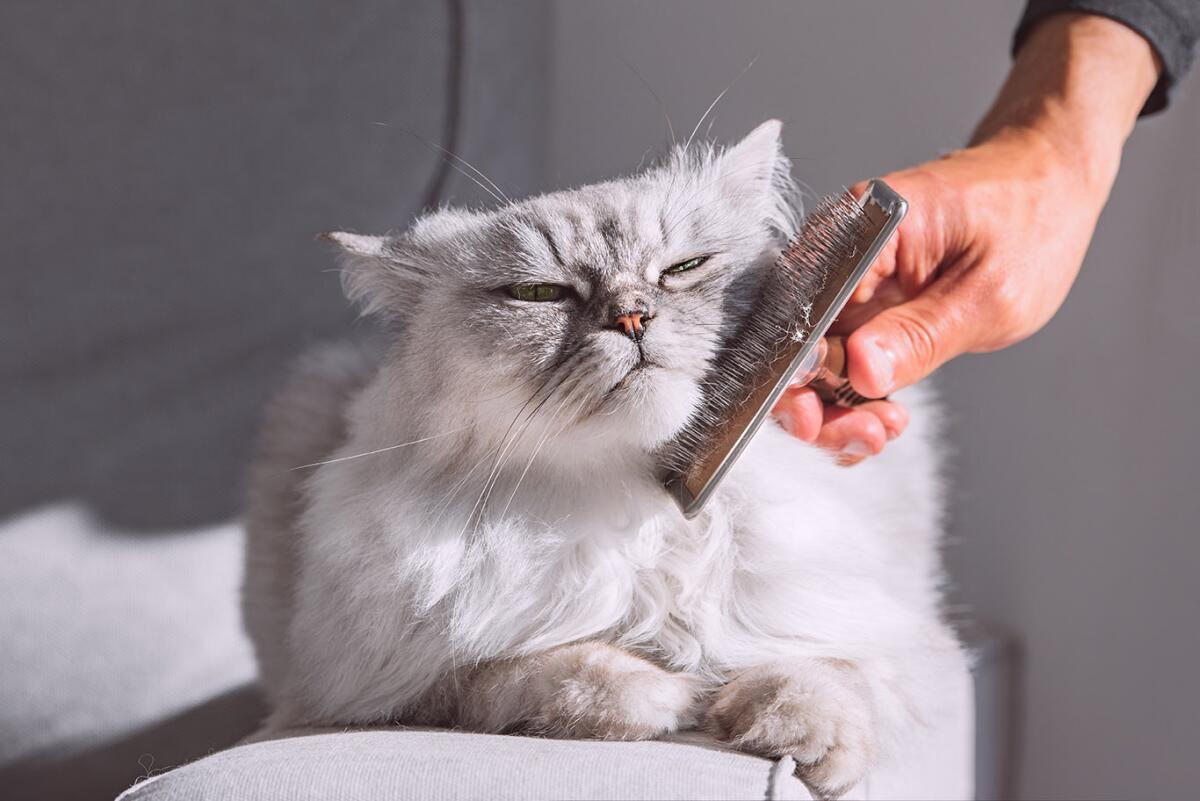
Different cats need different brushes depending on their coat length and texture. Short-haired cats often do well with a bristle brush or rubber grooming mitt that gently removes loose fur without irritating the skin. Long-haired cats benefit from a slicker brush, which detangles knots and removes mats without pulling too hard.
If your cat has a double coat, like a Maine Coon or Norwegian Forest Cat, a deshedding tool can reach the undercoat to reduce shedding effectively. Not sure what type suits your cat? Try observing how your cat reacts—does the brush cause pulling or discomfort? Adjust your choice accordingly.
Essential Grooming Supplies
Beyond brushes, having the right supplies makes grooming easier. Nail clippers designed specifically for cats ensure safe trimming without cracking or splitting nails. A comb with both wide and narrow teeth can help tackle tangles and smooth fur after brushing.
Don’t forget grooming wipes or gentle cat shampoos to keep your cat’s coat clean between baths. A soft towel for drying and a quiet, comfortable place for grooming sessions help your cat stay calm. What tools do you already have, and which ones could make grooming less stressful for your cat?

Credit: nationalcatgroomers.com
Preparing Your Cat For Grooming
Preparing your cat for grooming sets the tone for a smooth and stress-free experience. It’s more than just having the right tools; it’s about making your cat feel safe and secure. Taking time to prepare helps you avoid scratches and keeps your cat calm throughout the process.
Creating A Calm Environment
Choose a quiet, familiar spot in your home where your cat feels relaxed. Turn off loud appliances and close doors to minimize distractions. Soft lighting and a comfortable surface, like a cushioned mat or your lap, can make a big difference.
Try playing gentle music or white noise if your cat reacts well to sounds. Have all grooming tools within reach so you don’t have to leave your cat unattended. Does your cat respond better in the morning or evening? Pick a time when your pet is naturally more mellow.
Getting Your Cat Comfortable
Before you start grooming, spend a few minutes petting your cat in their favorite spots. This helps build trust and signals that grooming time is not a threat. Use slow, gentle strokes to soothe their nerves.
If your cat resists, introduce grooming tools gradually. Let them sniff the brush or comb and reward them with treats. This simple trick transforms grooming into a positive experience your cat might even look forward to.
Remember, patience is key. If your cat becomes agitated, pause and try again later. Have you noticed that your cat relaxes more when you talk softly or sing? Adjust your approach based on what works best for your feline friend.
Brushing Techniques
Brushing a cat is a key part of grooming. It keeps the coat clean and healthy. Good brushing also helps reduce shedding. It can prevent painful mats and tangles. Using the right brushing techniques makes the task easier. Your cat will feel relaxed and cared for.
How Often To Brush
Brush short-haired cats once a week. Long-haired cats need brushing every day. Regular brushing stops fur from matting. It also spreads natural oils across the coat. This keeps the fur shiny and soft. Watch your cat’s behavior to find the best routine. Some cats enjoy brushing more than others.
Tips For Avoiding Mats And Tangles
- Start brushing from the head and move backward.
- Use a wide-tooth comb for thick fur.
- Be gentle to avoid hurting your cat’s skin.
- Break up mats carefully with fingers before brushing.
- Brush small sections at a time to avoid stress.
- Reward your cat with treats after brushing sessions.
Bathing Your Cat
Bathing your cat can seem like a daunting task, but it’s sometimes necessary to keep your feline friend clean and healthy. Unlike dogs, cats groom themselves regularly, so baths should be given only when truly needed. Understanding when and how to bathe your cat will make the experience smoother for both of you.
When Baths Are Necessary
Most cats rarely need baths because they are excellent self-groomers. However, situations like getting into something sticky or toxic, having a skin condition, or being elderly and unable to groom properly can require a bath.
Have you noticed your cat smelling unusually bad or looking greasy? These signs may mean it’s time for a bath. Also, outdoor cats exposed to dirt and parasites might benefit from occasional washing to prevent infections.
Step-by-step Bathing Guide
- Prepare the Space:Use a sink or a small tub with a non-slip mat to keep your cat steady. Gather all supplies—cat shampoo, towels, a cup for rinsing, and a brush.
- Brush Your Cat:Before bathing, gently brush your cat to remove loose fur and tangles. This step reduces shedding and makes washing easier.
- Use Lukewarm Water:Fill the tub or sink with a few inches of lukewarm water. Test the temperature to ensure it’s comfortable, not hot or cold.
- Wet Your Cat Slowly:Use a cup or a handheld sprayer to wet your cat gradually, starting from the neck down. Avoid the face and ears to prevent distress.
- Apply Cat-Safe Shampoo:Use a small amount and lather gently, focusing on dirty areas. Human shampoos can harm cats, so always choose products made for felines.
- Rinse Thoroughly:Make sure all shampoo is washed out to avoid skin irritation. Leftover soap can cause discomfort or dryness.
- Dry Your Cat:Wrap your cat in a warm towel and pat dry. Some cats tolerate a low-heat hairdryer, but many prefer towel drying only.
Have you ever noticed your cat’s reaction during bath time? Staying calm and speaking softly can help reduce their stress. Remember, patience and gentle handling are key to turning bath time into a less traumatic experience.
Nail Care
Nail care is an important part of grooming your cat. Keeping nails trimmed prevents scratches and damage to furniture. It also helps your cat walk comfortably and avoid pain. Regular nail trims keep claws from growing too long or curling into the paw pads.
How To Trim Nails Safely
Choose a quiet place where your cat feels calm. Use sharp, small pet nail clippers for better control. Hold your cat’s paw gently but firmly. Press the toe to extend the nail.
Look closely at the nail. Cut only the sharp tip. Avoid the pink area called the quick. It contains nerves and blood vessels. Cutting the quick causes pain and bleeding.
Trim one or two nails at a time if your cat is nervous. Reward your cat with treats or gentle petting. If you see any bleeding, apply styptic powder or cornstarch to stop it.
Signs Your Cat Needs A Nail Trim
- Claws are visible when your cat walks or rests.
- Your cat scratches furniture more than usual.
- Nails click on hard floors.
- Claws curl under the paw pads.
- Your cat shows discomfort when walking or playing.
Ear And Eye Care
Ear and eye care for your cat is crucial, yet often overlooked. Keeping these areas clean is vital for their health and happiness. Proper grooming can prevent infections and detect issues early, ensuring your feline friend stays in top condition.
Cleaning Techniques
Cleaning your cat’s ears and eyes doesn’t have to be a daunting task. For the ears, gently wipe the outer ear with a soft, damp cloth or a cotton ball. Avoid inserting anything into the ear canal, as this can cause damage.
When it comes to eyes, use a separate damp cloth or cotton pad for each eye to prevent cross-contamination. Gently wipe away any discharge or debris. Always be gentle to avoid causing discomfort or harm.
Identifying Health Issues
Regular grooming is an excellent opportunity to spot potential health problems. Look out for signs of ear infections like redness, swelling, or a bad smell. If you notice your cat scratching their ears more than usual, it could be a sign of trouble.
For the eyes, watch for excessive tearing, redness, or cloudiness. These could indicate infections or other eye conditions. Catching these signs early can make a big difference in treatment and recovery.
Are you noticing any unusual behavior or symptoms during grooming? It might be time for a vet visit. Regular checks and cleaning can save both you and your cat from unnecessary stress and health issues down the line.
Dental Hygiene For Cats
Dental hygiene is vital for your cat’s health. Many cat owners overlook this aspect. Poor dental care can lead to diseases. Regular dental care prevents problems and ensures a healthy life for your cat.
Brushing Your Cat’s Teeth
Brushing your cat’s teeth is essential. It helps remove plaque and bacteria. Use a cat-specific toothbrush. These have soft bristles gentle on cat gums. Choose a time when your cat is calm. Gently lift the lip and brush in small circles. Start with a few teeth and gradually increase. Make this a regular routine for best results.
Recommended Dental Products
Certain products make dental care easier. Cat-friendly toothpaste is a must. Human toothpaste can harm cats. Opt for feline toothpaste with a flavor cats enjoy. Dental treats and chews can reduce plaque. Look for vet-approved products. Water additives can also promote oral health. These products support a comprehensive dental care plan.
Credit: www.squeakycleangrooming.com
Dealing With Grooming Challenges
Grooming your cat can sometimes feel like a challenge rather than a bonding moment. Cats have their own personalities and moods, which can make grooming tricky. Understanding how to handle these difficulties will make the process smoother for both you and your feline friend.
Handling Aggressive Behavior
Some cats resist grooming with hisses, swats, or even bites. Recognize the signs of stress early, like twitching tails or flattened ears, to avoid escalation.
Try breaking grooming into short, manageable sessions. Use treats and calm praise to create positive associations. If your cat becomes aggressive, pause and give them space before trying again.
Have you noticed certain spots that always trigger your cat’s defense? Focus on those areas gently or avoid them temporarily to build trust.
When To Seek Professional Help
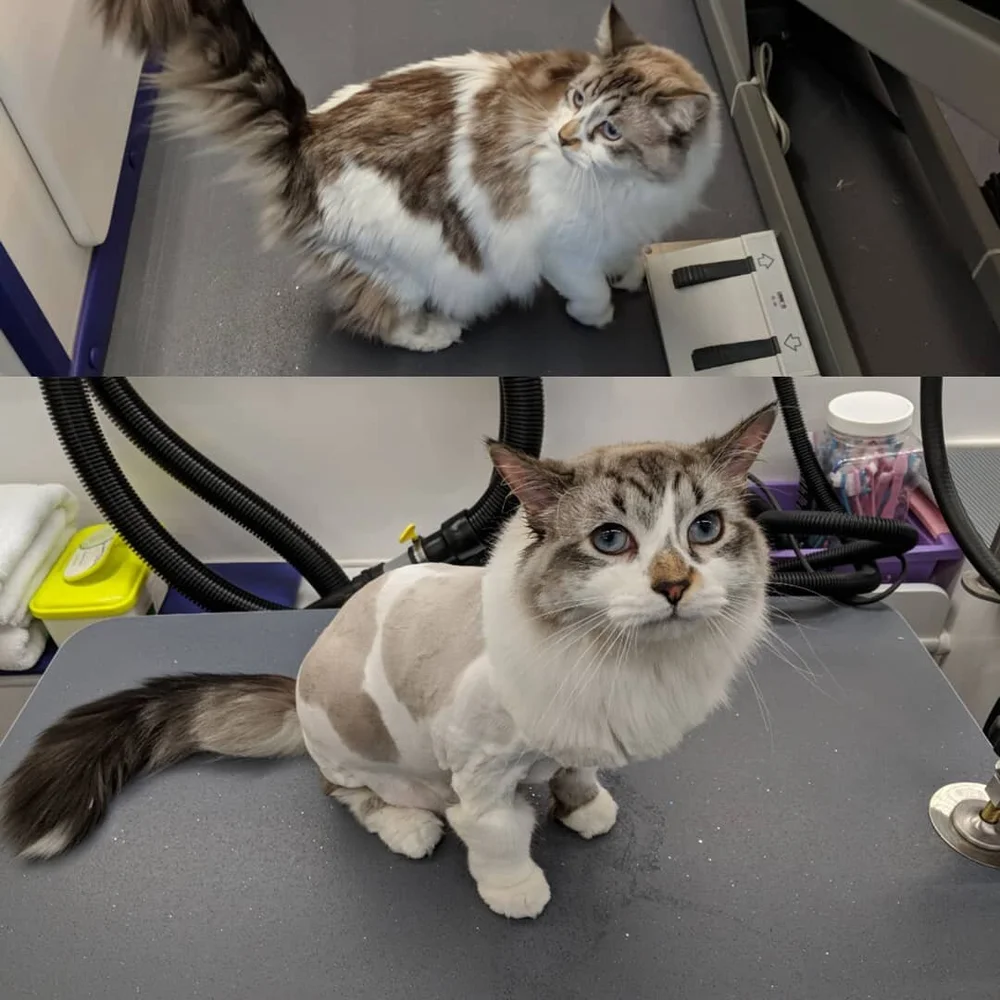
If grooming causes your cat extreme distress or you face persistent aggressive behavior, it might be time to ask for help. Professional groomers have experience handling difficult cats safely and efficiently.
Veterinarians can also check if pain or medical issues contribute to your cat’s resistance. Sometimes, underlying health problems make grooming uncomfortable.
Don’t hesitate to reach out if you feel overwhelmed. Getting expert support ensures your cat’s well-being and keeps grooming a positive experience for both of you.
Maintaining A Grooming Routine
Maintaining a grooming routine is key to keeping your cat healthy and happy. Regular grooming helps prevent mats and tangles in fur. It also reduces shedding and controls hairballs. A set routine makes grooming easier for both you and your cat. Cats feel more comfortable when grooming happens often. They get used to the process and stress less.
Scheduling Regular Sessions
Pick a time that fits your daily schedule well. Short sessions work best, about 5 to 10 minutes. Choose a quiet place with good light. Keep grooming consistent by doing it at the same time each day. Use a calendar or reminder to stay on track. Watch your cat’s mood and adjust timing if needed. Regular sessions build trust and make grooming smoother.
Benefits Of Consistent Grooming
- Prevents hair mats and painful tangles.
- Reduces shedding and keeps your home cleaner.
- Improves your cat’s skin and coat health.
- Helps spot fleas, ticks, or skin problems early.
- Strengthens the bond between you and your cat.
- Reduces stress and anxiety for your cat.

Credit: www.angiesmobilepetstyling.com
Frequently Asked Questions
How Often Should I Groom My Cat?
Groom your cat at least once a week to prevent mats and reduce shedding. Long-haired cats may need daily grooming. Regular grooming promotes healthy fur and skin.
What Tools Do I Need To Groom A Cat?
Use a slicker brush, comb, nail clippers, and grooming wipes. Choose tools based on your cat’s fur type. Proper tools make grooming safe and effective.
Can Grooming Improve My Cat’s Health?
Yes, grooming helps detect skin issues early and reduces hairballs. It also stimulates blood circulation and strengthens your bond with your cat.
How Do I Safely Trim My Cat’s Nails?
Use cat-specific nail clippers and trim only the sharp tip. Avoid the quick to prevent pain and bleeding. Take breaks if your cat is anxious.
Conclusion
Grooming a cat keeps them healthy and happy. Regular brushing reduces hairballs and matting. It also helps you check for fleas or skin problems. Use gentle strokes and stay calm. Make grooming a short, positive time for your cat. With patience, your cat will enjoy this bonding moment.
Good grooming supports a shiny coat and strong nails. Start slow and be consistent for best results. Caring for your cat this way builds trust and love. Keep these tips in mind to care well for your furry friend.

Leave a Reply