If you have an older cat, you might have noticed that grooming can be a bit tricky. Your cat may resist brushing or even seem stressed by the process.
But keeping your senior cat clean and comfortable is important for their health and happiness. You might be wondering how to make grooming easier for both you and your cat. You’ll discover simple, effective ways to help your old cat accept grooming without the struggle.
Keep reading to learn tips that can transform grooming time into a calm, bonding experience for you and your furry friend.
Challenges With Grooming Older Cats
Grooming an older cat can be quite different from caring for a younger feline. As cats age, they often develop unique challenges that can make grooming sessions more complicated. Understanding these challenges helps you create a grooming routine that respects your cat’s needs and keeps them comfortable.
Common Behavioral Issues
Older cats may become more sensitive or grumpy during grooming. They might react with hissing or swatting, even if they tolerated grooming well in the past. Have you noticed your cat suddenly avoiding grooming tools or hiding when you try to brush them?
These behaviors often stem from fear or discomfort. Your cat might associate grooming with pain or stress, especially if they have had a bad experience. Patience is key. Try breaking grooming into shorter sessions and reward your cat with treats or gentle praise to build positive associations.
Physical Limitations And Sensitivities
As cats grow older, their bodies change. They may develop arthritis, making it painful to sit or stand for long periods. This can make it difficult for them to stay still during grooming, which requires your understanding and flexibility.
Older cats also tend to have more sensitive skin. Their fur might be thinner or patchy, and their skin can be prone to irritation. Use soft brushes and avoid pulling on mats aggressively. You might need to switch to grooming tools designed specifically for sensitive skin to prevent discomfort.
Preparing Your Cat For Grooming
Preparing your old cat for grooming is important for a smooth experience. Cats can be nervous or scared during grooming. Helping them feel safe and comfortable makes the process easier. Start by setting up a quiet space and gathering the right tools. These steps reduce stress for both you and your cat.
Creating A Calm Environment
Choose a quiet room with few distractions. Close doors and windows to block outside noise. Soft lighting helps your cat relax. Speak softly and move slowly around your cat. Let your cat explore the area before starting. Use a familiar blanket or bed to add comfort. Stay patient and gentle throughout the grooming session.
Gathering The Right Tools
Prepare all grooming tools before you begin. Use a soft brush suited for your cat’s fur type. Have nail clippers designed for cats ready if needed. Keep grooming wipes or a damp cloth nearby for quick cleanups. A comb can help remove mats or tangles gently. Place everything within reach to avoid leaving your cat alone. Clean and sharpen tools before use to prevent pulling or hurting.
Building Trust And Comfort
Building trust and comfort with your older cat is key to successful grooming sessions. Older cats may have had negative experiences or simply feel more vulnerable. Creating a calm and reassuring environment makes a big difference in how your cat responds to grooming.
Gentle Handling Techniques
Handle your cat with slow, smooth movements to avoid startling them. Support their body gently, especially around sensitive areas like the neck and belly. Notice how your cat reacts and adjust your touch—if they tense up, lighten your pressure or pause.
Try to keep sessions short at first, giving your cat time to get used to being touched in different spots. Use soft brushes or combs designed for delicate skin to prevent discomfort. You might discover that your cat prefers certain tools or strokes, so pay attention to their cues.
Using Positive Reinforcement
Reward your cat with treats, praise, or gentle petting during and after grooming. This helps your cat link grooming with positive experiences rather than stress. You can also talk to your cat in a calm, soothing voice to reassure them.
Consider timing treats for moments when your cat allows brushing or stays relaxed. This encourages them to repeat the behavior willingly. Have you noticed your cat responding better when you use their favorite snacks or toys? That personal touch can make all the difference.
Step-by-step Grooming Process
Grooming an older cat requires patience and a gentle touch. The process can be simple if you break it down into small, manageable steps. Let’s look at how you can make grooming a calm, positive experience for your senior feline friend.
Brushing Fur Safely
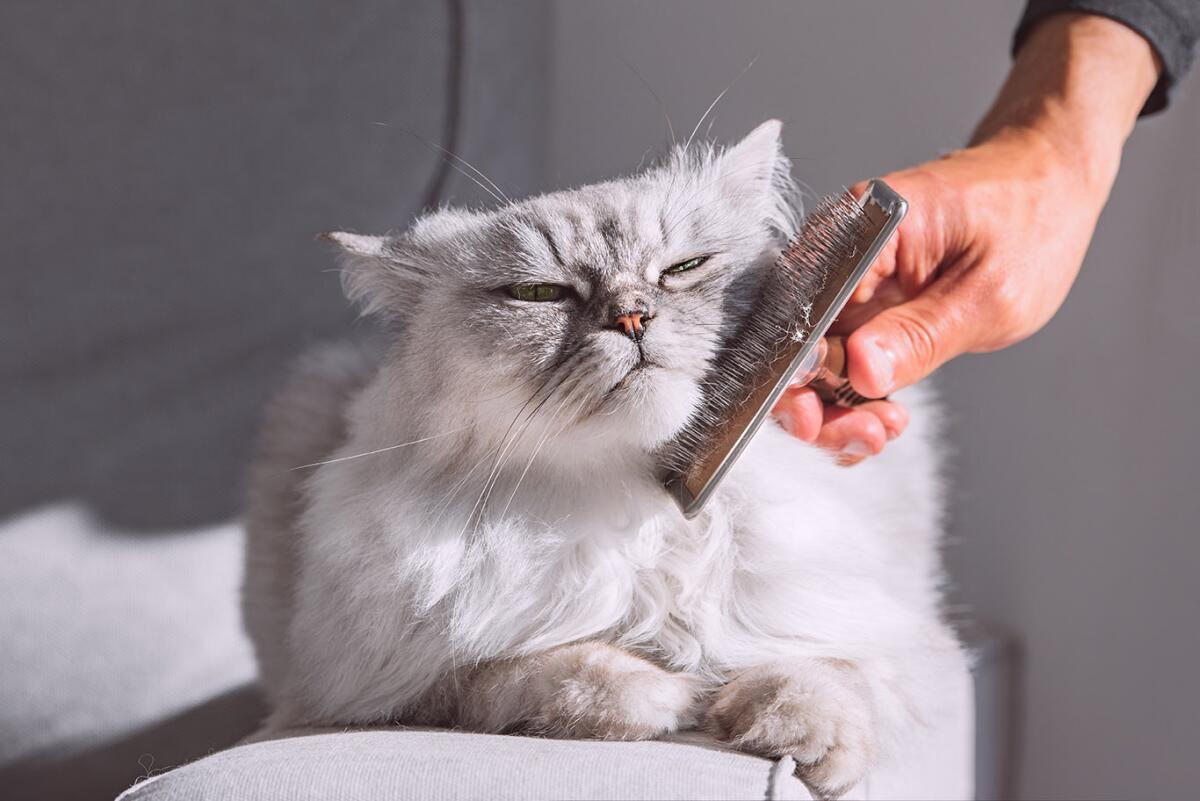
Start by choosing a soft-bristle brush designed for cats. Gently run the brush along your cat’s fur in the direction it grows. Watch for signs of discomfort—if your cat tenses or pulls away, slow down and offer a break.
Focus on areas where mats often form, like behind the ears and under the legs. If you find a knot, don’t pull hard; instead, try loosening it with your fingers or a detangling comb. How does your cat react when you brush those sensitive spots?
Cleaning Ears And Eyes
Use a damp, soft cloth or a cotton ball moistened with warm water to wipe around your cat’s eyes gently. Avoid touching the eyeball itself. For the ears, check for dirt or wax buildup and wipe the outer part carefully.
If your cat resists, pause and try again after a few minutes. Make this a quick but regular part of your routine to prevent infections. Have you noticed any unusual smells or redness that might need a vet’s attention?
Trimming Nails Carefully
Use a pair of nail clippers made for cats. Hold your cat’s paw firmly but gently, and expose the nails one by one. Trim only the sharp tips to avoid cutting the quick, which can cause pain and bleeding.
Reward your cat with treats or soothing words after each paw to keep the experience positive. If your cat is very resistant, consider trimming just a nail or two at a time. How can you make nail trimming less stressful for both of you?
Dealing With Resistance During Grooming
Older cats may resist grooming due to discomfort or fear. Introduce grooming tools gradually. Use gentle strokes and offer treats to create positive associations.
Dealing with an older cat’s resistance during grooming can be challenging. Their reactions might be more pronounced due to age-related sensitivities. Understanding their behavior is key. It’s important to approach grooming with patience and empathy. Recognize signs of discomfort and stress before proceeding. Doing so will make the process smoother for both you and your cat.Recognizing Stress Signals
Identifying stress in cats is crucial. Look for signs like flattened ears or hissing. A twitching tail can indicate irritation. Dilated pupils are a sign of anxiety. If your cat is growling, they are uncomfortable. Pause grooming if any of these signs appear.Strategies To Calm Your Cat
Calming your cat requires a gentle approach. Speak softly to them during grooming. Use soothing tones to reassure them. Offering treats can help create positive associations. Groom in a quiet, familiar space. Avoid sudden movements and loud noises. Use a gentle brush suited for their fur type.
Credit: catit.ca
When To Seek Professional Help
Knowing when to ask for professional grooming help can make a big difference in your old cat’s comfort and health. As cats age, their needs change, and grooming can become tricky. You might notice signs that mean it’s time to bring in an expert who understands older cats’ special care.
Signs Grooming Should Be Done By Experts
Does your cat struggle with mobility or show signs of pain when you try to groom them? Older cats often develop arthritis or sensitive skin that makes regular grooming stressful or even harmful.
If your cat’s fur is matted badly or they have skin problems like sores, an expert’s gentle touch and specialized tools are safer. Sometimes, cats become anxious or aggressive during grooming, which can put both of you at risk.
Have you noticed your cat hiding or avoiding you during grooming time? This could mean they’re uncomfortable or scared, suggesting professional help is needed to reduce stress and ensure proper care.
Choosing The Right Groomer For Older Cats
Not all groomers have experience with senior cats. Look for someone who understands the unique needs of aging pets and can handle them with patience.
- Ask if they have worked with older cats before and what techniques they use to minimize stress.
- Check reviews or get recommendations from your vet or other cat owners.
- Visit the grooming facility to see if it feels calm and safe for your cat.
Does the groomer take time to handle your cat gently and respect their limits? A good groomer will communicate clearly about what your cat can tolerate and adjust their approach accordingly.
Choosing the right professional can turn grooming from a dreaded chore into a positive experience for your old cat. Could this be the key to keeping your furry friend happy and healthy?
Maintaining Grooming Routine
Maintaining a grooming routine for an older cat helps keep them comfortable and healthy. Regular care prevents mats, reduces shedding, and supports skin health. Older cats may need gentler handling and more patience during grooming sessions. Establishing a steady routine makes grooming easier and less stressful for both you and your cat.
Frequency Tips For Older Cats
Older cats often groom themselves less. This means they need extra help to stay clean.
- Brush your cat two to three times a week to remove loose fur.
- Check for mats or tangles daily, especially around the neck and belly.
- Trim nails every two weeks to prevent discomfort.
- Bathing should be rare; only when necessary and with gentle products.
Incorporating Grooming Into Daily Life
Make grooming a calm, short part of your cat’s day. Choose quiet times when your cat feels relaxed.
- Use soft brushes and gentle strokes to avoid startling your cat.
- Talk softly or offer treats during grooming to create a positive experience.
- Watch your cat’s body language to avoid stress or discomfort.
- Keep grooming tools nearby to make the process smooth and quick.

Credit: catit.ca

Credit: www.splootvets.com
Frequently Asked Questions
How Can I Introduce Grooming To An Old Cat?
Start slow and gentle. Use soft brushes and calm voices. Let the cat sniff tools before grooming. Reward with treats to build trust and comfort.
Why Do Old Cats Resist Grooming?
Old cats may resist due to pain, fear, or unfamiliarity. Health issues like arthritis can make grooming uncomfortable. Patience and gentle handling help reduce resistance.
What Grooming Tools Suit Senior Cats Best?
Choose soft-bristle brushes and gentle combs. Avoid harsh tools that can hurt sensitive skin. Use nail clippers designed for cats with care.
How Often Should I Groom My Elderly Cat?
Groom your senior cat 2-3 times a week. Regular grooming prevents matting and helps monitor health. Adjust frequency based on your cat’s coat and needs.
Conclusion
Getting an old cat to accept grooming takes time and patience. Start slow and use gentle touches. Reward your cat with treats and praise. Keep grooming sessions short and calm. Watch your cat’s reactions and stop if stressed. Regular grooming helps keep your cat healthy and happy.
Small steps build trust and make grooming easier. Stay consistent and kind. Your old cat will learn to enjoy grooming with love and care.

Leave a Reply