Are you thinking about adding a new furry friend to your home but worried about how your current cat will react? Knowing which cat breeds get along with each other can save you from stress and help create a peaceful, happy household.
Imagine your cats playing and cuddling without any fights or tension. You’ll discover the best breed matches that naturally get along. Keep reading to find out how to bring harmony to your cat family and enjoy the joy of multiple purring companions.
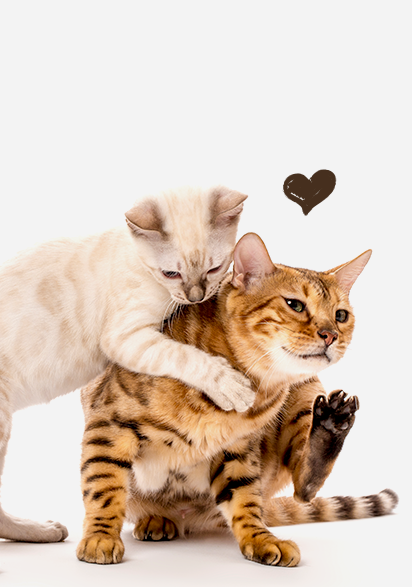
Credit: www.litter-robot.com
Traits Of Friendly Cat Breeds
Understanding the traits of friendly cat breeds can help you create a harmonious home for your feline companions. Friendly cats often share certain qualities that make them more likely to get along with other cats and even pets. These traits influence how they interact, play, and communicate with each other.
Social Behavior Patterns
Friendly cat breeds tend to enjoy social interaction, not just with humans but with other cats too. They often seek companionship and show less territorial aggression. Breeds like the Ragdoll or Burmese are known for their willingness to share space and form bonds with other cats.
Have you noticed how some cats actively look for company while others prefer solitude? Choosing a breed with social tendencies can make multi-cat households smoother. Look for cats that are curious, playful, and tolerant of others’ presence.
Energy Levels
Energy level plays a big role in how well cats get along. Cats with similar energy levels tend to match each other’s play styles and rest patterns. For instance, a high-energy Bengal will pair better with an active Abyssinian rather than a laid-back Persian.
When cats have mismatched energy, it can lead to frustration or stress. Consider your own lifestyle, too. If you want playful interactions, select breeds known for their lively nature. If calm coexistence is your goal, choose breeds that prefer lounging and gentle play.
Communication Styles
Every cat breed has its unique way of communicating, including body language, vocalization, and gestures. Friendly breeds often use clear and gentle signals to express themselves, reducing misunderstandings. Siamese cats, for example, are vocal and expressive, which can help them connect with others who respond to these cues.
Have you ever seen two cats who just don’t “speak the same language”? Matching communication styles can prevent conflicts. Pay attention to how a cat expresses affection or discomfort before adding a new feline friend to your home.
Top Cat Breeds For Companionship
Choosing the right cat breeds can make a big difference in how well they get along. Some cats are naturally social and enjoy company. Others prefer quiet and solitude. Knowing the best cat breeds for companionship helps create a happy home for your pets. These breeds tend to be friendly, playful, and gentle with other cats.
Siamese And Their Playful Nature
Siamese cats are lively and love to play. They enjoy interacting with other cats and humans. Their curious and energetic personality makes them great companions. Siamese cats often form strong bonds with other pets. They thrive in homes with active cats who like to explore.
Ragdoll’s Gentle Temperament
Ragdolls have a calm and sweet nature. They rarely show aggression and enjoy peaceful company. Their relaxed attitude helps them get along with many cat breeds. Ragdolls are known for their affectionate behavior. They often follow their feline friends around and share quiet moments.
Maine Coon’s Sociable Personality
Maine Coons are large, friendly, and social cats. They adapt well to other pets and children. Their easygoing nature makes them excellent family companions. Maine Coons often welcome new cats without much fuss. They enjoy playing and cuddling with their housemates.
Burmese Affection Traits
Burmese cats are loving and crave attention. They often seek out company and enjoy being part of a group. Their affectionate traits help them bond with other cats quickly. Burmese cats are playful and gentle, making them good playmates. Their social nature creates harmony in multi-cat homes.
Best Breed Pairings For Harmony
Finding the right cat breed pairing can make a huge difference in creating a peaceful home. Some cats naturally vibe well together, which helps avoid conflicts and stress. Choosing breeds with compatible personalities can lead to a lasting friendship between your furry companions.
Siamese And Ragdoll
Siamese cats are vocal and highly social, always seeking interaction. Ragdolls are calm and gentle, often happy to follow the lead of a more energetic friend. Together, they balance each other out—Siamese bring playfulness, while Ragdolls add a soothing presence.
If you have a Siamese that craves attention, pairing it with a Ragdoll can prevent loneliness. The Ragdoll’s easygoing nature helps keep the Siamese from becoming overwhelmed or frustrated. This mix often results in a lively yet peaceful household.
Maine Coon And Burmese
Maine Coons are large, friendly, and adaptable cats. Burmese cats are affectionate and curious, with a playful streak. Both breeds enjoy company and thrive on interaction, which creates a harmonious dynamic.
Imagine a Maine Coon’s gentle giant charm complementing the Burmese’s lively spirit. This pair often shares toys and cuddle sessions, reducing competition. If you want cats that enjoy teamwork and companionship, these breeds fit well together.
Scottish Fold And British Shorthair
Scottish Folds are known for their sweet, calm demeanor. British Shorthairs are equally mellow but slightly more independent. Their similar energy levels help them coexist without constant attention or rivalry.
Both breeds appreciate quiet environments and routine, which helps avoid stress triggers. A Scottish Fold and British Shorthair often form a low-maintenance bond that’s easy for any cat owner to manage. Could this pairing be your key to a serene multi-cat home?
Factors Affecting Cat Compatibility
Understanding what makes cats get along is key to a happy multi-cat home. Several factors influence how well cats coexist. These factors help predict if cats will be friends or foes. Knowing them aids in choosing the right companions for your furry friend.
Age And Socialization
Young cats tend to accept new friends more easily. Kittens raised with other cats learn social skills early. Older cats may be less open to change. Cats not socialized with others might feel stressed. Early exposure to different cats improves future compatibility.
Individual Personality
Each cat has a unique temperament. Some cats are calm and easygoing. Others are shy or more dominant. Matching similar personalities can reduce conflicts. A playful cat might not suit a quiet one. Understanding each cat’s nature helps harmony.
Introduction Process
How cats meet affects their relationship. Slow introductions reduce fear and aggression. Giving cats separate spaces at first helps. Gradual contact lets them get used to each other’s scent. Patience during introductions leads to better bonds.
Tips For Introducing New Cats
Choosing cat breeds that get along can make introductions easier. Some friendly breeds include Ragdolls, Maine Coons, and Siberians. These breeds often enjoy company and adapt well to new feline friends.
Introducing a new cat to your household can be an exciting yet challenging experience. Ensuring a smooth transition is crucial for maintaining harmony, especially if you already have other pets. With the right approach, you can help your feline friends become comfortable companions. Here are some tips to ease the process and foster a peaceful environment for all your cats.Gradual Introduction Techniques
Start by keeping your new cat in a separate room. This allows the newcomer to adjust to their new surroundings without feeling overwhelmed. Use a barrier like a baby gate or a partially opened door to let the cats see and sniff each other from a safe distance. This helps them get used to each other’s presence without direct contact. Rotate the spaces they inhabit, letting each cat explore the other’s area. This exchange of scents can reduce territorial behavior and ease tension.Creating Positive Associations
Feed the cats on opposite sides of a closed door. This teaches them to associate each other’s presence with positive experiences like eating. Offer treats and playtime during initial interactions to create a pleasant atmosphere. Cats are more likely to bond when they connect each other with fun and rewards. Use toys that both cats can engage with simultaneously. Interactive play can be a great way to build positive connections between them.Monitoring And Adjusting Interactions
Watch their body language closely. Are tails puffed up or ears flattened? These are signs of stress and may require you to slow down the introduction process. Be prepared to separate them if a scuffle arises. It’s better to prevent negative experiences that could set back their relationship development. Adjust your strategy if necessary. Each cat is unique, and what works for one introduction may not work for another. Trust your instincts and be patient. Have you ever wondered how your cats perceive each other during introductions? By taking the time to understand their behavior, you can foster a peaceful and friendly environment for all your furry companions.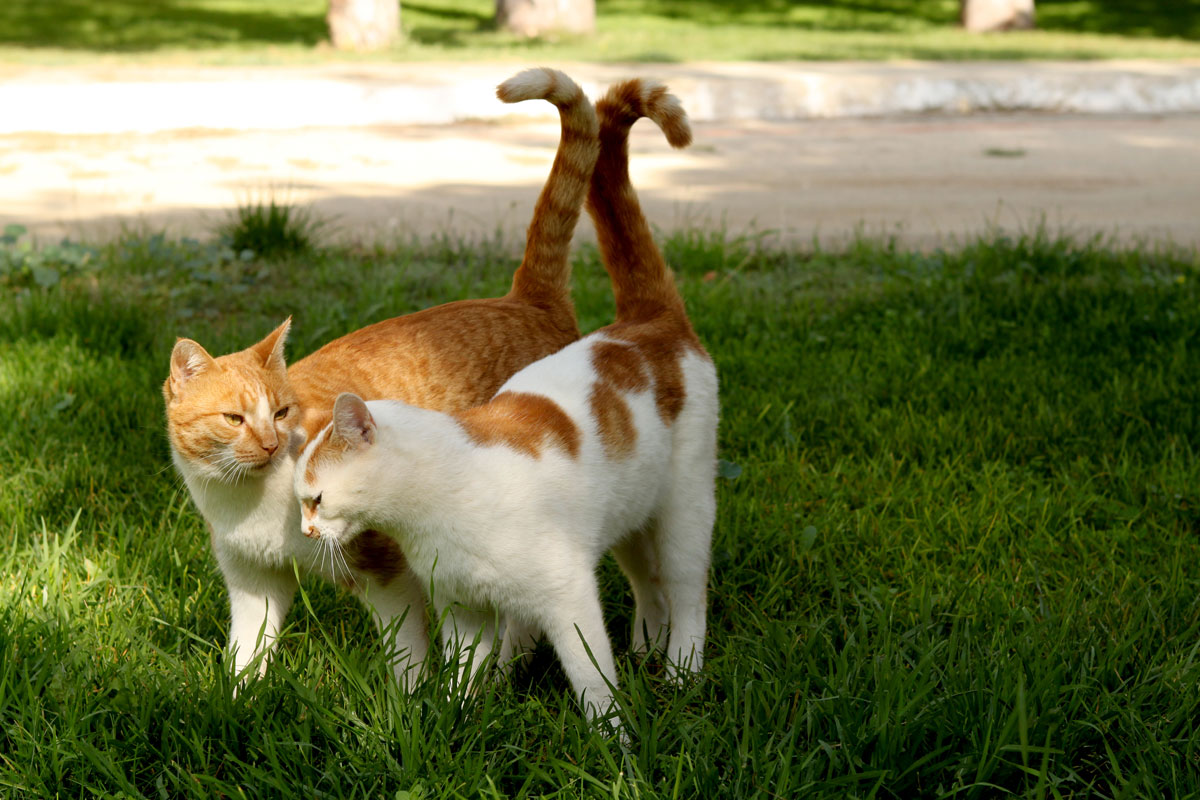
Credit: www.companionanimalpsychology.com
Signs Of Friendly Interactions
Recognizing signs of friendly interactions helps to understand how well cat breeds get along. Cats show comfort and trust in many simple ways. Observing these behaviors can reveal their bond and harmony.
Playful Behavior
Playful cats chase, pounce, and gently bat at each other. They take turns in play and rarely use claws. Play sessions are full of energy but no aggression. This behavior shows they enjoy each other’s company.
Mutual Grooming
Mutual grooming means cats lick each other’s fur. It helps keep them clean and shows trust. Cats groom friends to strengthen their social bond. This act often happens during calm and relaxed moments.
Shared Resting Spots
Cats who share resting spots feel safe together. They may nap side by side or curl up in a pile. Sharing space shows acceptance and comfort. It means they respect each other’s presence and warmth.
Common Challenges And Solutions
Introducing a new cat to your home or managing multiple feline friends can bring challenges that test your patience and understanding. Recognizing common issues helps you create a harmonious environment where your cats feel safe and valued. Let’s look at some typical problems and practical ways to handle them.
Territorial Disputes
Territorial behavior is a major cause of tension between cats. Cats are naturally protective of their space and may react aggressively if they feel invaded.
You can reduce conflicts by providing multiple hiding spots, perches, and resting areas. This gives each cat a “territory” to claim without direct competition.
Slow introductions matter. Let cats sniff each other’s scent before meeting face to face. This simple step can lower hostility and build trust.
Stress And Anxiety
Stress often arises from changes in routine or environment. Cats show stress through hiding, excessive grooming, or even aggression.
Maintain consistent feeding times and quiet spaces where your cats can retreat. Using calming pheromone diffusers has helped many cat owners ease anxiety in their pets.
Have you noticed your cat’s body language when stressed? Learning these signals early lets you intervene before tensions escalate.
Resources Sharing
Competition over food, water, and litter boxes can spark conflicts. Each cat needs easy access to essentials without feeling threatened.
A good rule is to provide one more resource than the number of cats. For example, if you have two cats, offer three litter boxes and three feeding stations.
Separate feeding areas also prevent food guarding. Watching your cats eat calmly side by side means you’re on the right track.
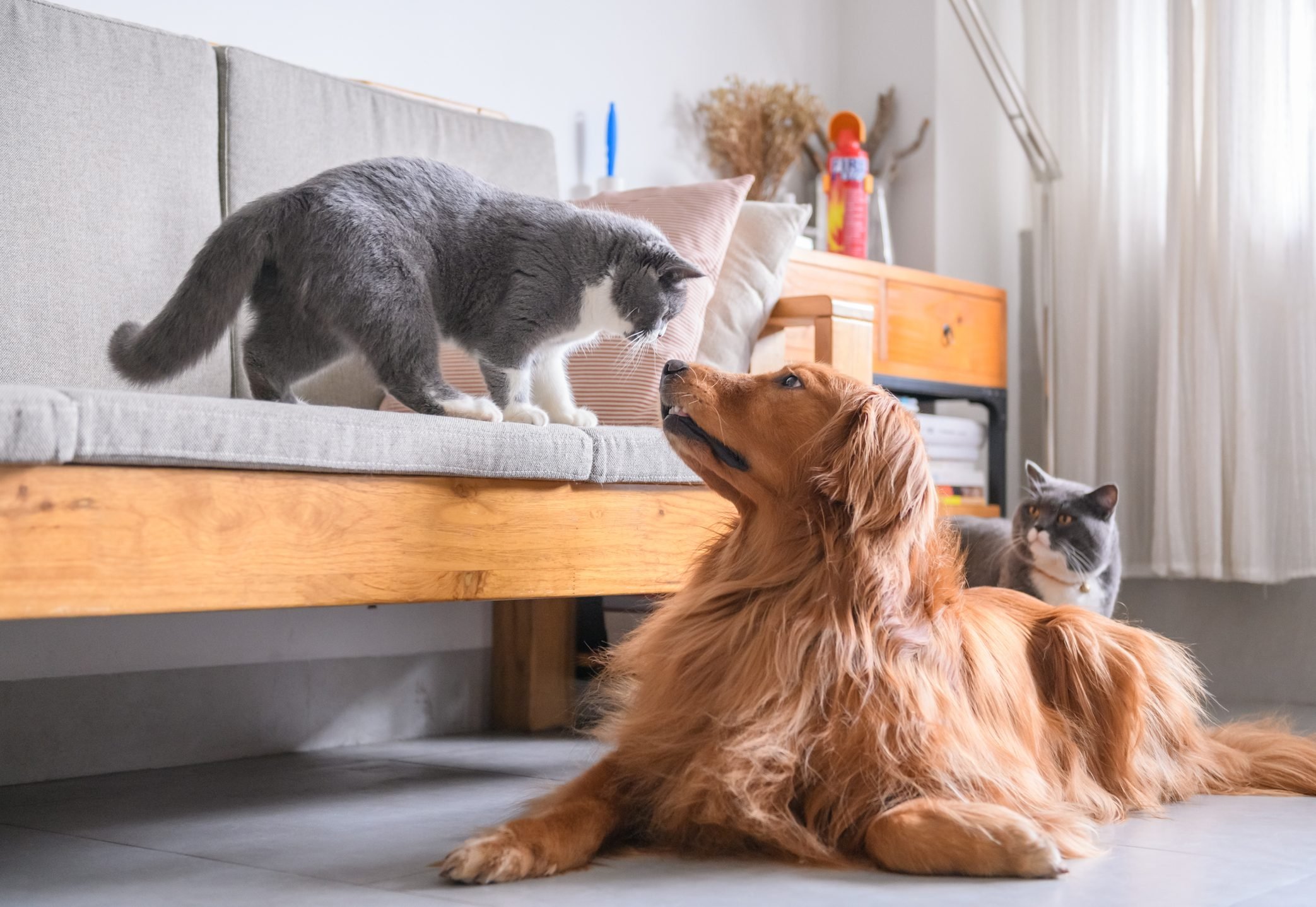
Credit: www.rd.com
Frequently Asked Questions
Which Cat Breeds Are Most Sociable With Others?
Breeds like Ragdolls, Maine Coons, and Siamese cats are known for their friendly nature. They usually get along well with other cats and pets. Their social temperament makes them ideal for multi-cat households.
Can Two Dominant Cat Breeds Live Together Peacefully?
Dominant breeds like Bengals and Persians can coexist if introduced properly. Early socialization and gradual introduction help reduce conflicts. Patience and understanding each cat’s personality are key to peaceful living.
Are Small Cat Breeds Compatible With Larger Breeds?
Yes, small breeds like Singapura can live harmoniously with larger breeds. Size difference is less important than temperament. Proper introductions and supervision ensure a stress-free environment for all cats.
How Do Personality Traits Affect Cat Compatibility?
Cats with similar energy levels and temperaments tend to bond better. Playful cats prefer active companions, while calm cats like quieter mates. Understanding personalities helps create a balanced multi-cat home.
Conclusion
Choosing cat breeds that get along makes home life peaceful. Some breeds are friendly and enjoy company. Siamese, Ragdolls, and Maine Coons often share well. Introducing cats slowly helps them adjust and bond. Watch their behavior and give space when needed.
Happy cats mean a happy home for everyone. Keep their needs in mind for lasting friendship. A calm approach brings out the best in your pets.




Leave a Reply