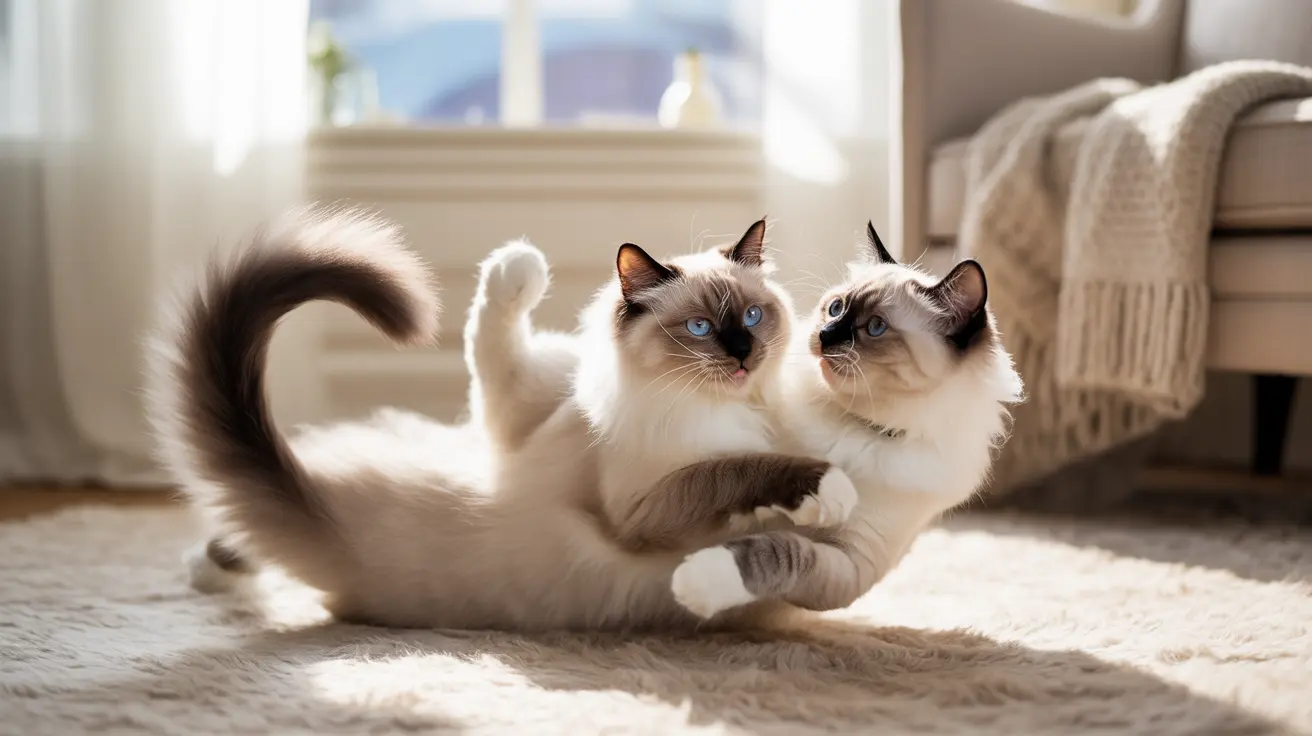
Have you ever wondered if your cat’s grooming habits are more than just about staying clean? You might be surprised to learn that grooming can sometimes be a way your cat shows dominance.
Understanding this behavior can change how you interact with your furry friend. You’ll discover the hidden meanings behind those licking sessions and why your cat grooms the way it does. Keep reading to unlock the secrets of cat grooming and what it really means for your relationship.

Credit: tryfurgo.com
Cat Grooming Behavior
Cat grooming behavior is more than just keeping clean; it’s a key part of how cats communicate and interact. Watching your cat groom can reveal a lot about their mood, relationships, and even their health. Have you noticed your cat licking another cat or even you? That simple act might be telling you more than you think.
Types Of Grooming
Cats groom in several ways, each serving a different purpose. The main types include:
- Self-grooming:When your cat cleans itself, it helps remove dirt, loose fur, and parasites. It also regulates body temperature and reduces stress.
- Social grooming:Cats lick or nibble other cats or even humans to build bonds and show trust. This behavior strengthens friendships within a group.
- Allogrooming:This is a special form of social grooming between cats, often seen among family members or close companions.
Have you ever seen two cats grooming each other and wondered if it’s about dominance or affection? It’s often both, depending on context.
Self-grooming Vs Social Grooming
Self-grooming is about personal care. Your cat licks its fur to stay clean and comfortable. It’s a solo activity and mostly practical.
Social grooming, however, is about relationships. When cats groom each other, they share trust and reduce tension. It can also help establish social hierarchy without aggression.
Think about your cat licking you—this is social grooming. It’s their way of including you in their social group. But does it ever feel like your cat is trying to dominate you? Sometimes social grooming can have subtle dominance signals, like who initiates it or which areas are groomed first.
Social Structure Of Cats
The social structure of cats is often misunderstood, especially when discussing dominance during grooming. Cats aren’t as straightforward as dogs when it comes to hierarchy. Understanding their social setup helps you see why grooming might not be about dominance but about bonding and communication.
Feline Hierarchies
Cats do form hierarchies, but these are usually subtle and flexible. Unlike strict pack animals, cats often organize around resources like food, shelter, or favorite resting spots. You might notice one cat getting first pick at the sunny windowsill, but this doesn’t always mean it’s the “boss.”
Hierarchy can shift based on age, health, or personality. A shy cat might dominate another in grooming but submit in play. Recognizing these nuances helps you avoid misinterpreting grooming as a power move.
Group Living Vs Solitary Cats
Most people think cats are solitary, but many live in groups, especially in feral colonies. Group-living cats share duties like watching for danger and grooming each other to build trust. Grooming in this context is more about social bonding than asserting dominance.
Solitary cats, on the other hand, groom themselves primarily for cleanliness and comfort. When you see a cat grooming another in a multi-cat home, it’s often a sign of friendship, not control. Have you noticed how your cats groom after a nap together? That’s their way of saying, “I trust you.”
Grooming And Dominance
Grooming plays a key role in cat behavior and social life. It is not just about cleanliness but also about communication. Cats use grooming to build bonds and show social status. Understanding grooming and dominance can help decode cat interactions.
Grooming As A Social Tool
Cats groom each other to create trust and friendship. Mutual grooming helps form strong social groups. It reduces tension and shows care between cats.
Grooming also helps cats share their scent. This scent mixing signals unity among group members. Cats that groom often tend to have better relationships.
Signs Of Dominance In Grooming
Dominant cats often start grooming first. They may groom others more than they get groomed. This behavior shows control over social interactions.
Sometimes, dominant cats groom others roughly or for a long time. Submissive cats accept grooming without resistance. They might even stay still or lower their heads.
Look for these signs:
- One cat initiates grooming frequently
- Grooming is one-sided
- Submissive cats avoid grooming back
- Dominant cats use grooming to calm or control others

Credit: basepaws.com
Bonding Through Grooming
Grooming among cats is more than just cleaning fur. It plays a key role in building strong bonds. Cats use grooming to connect and show care for each other. This behavior helps maintain peace and friendship in their social groups. Understanding the bond formed through grooming reveals much about cat behavior.
Mutual Grooming Benefits
Mutual grooming is a shared activity between cats. It helps remove dirt and loose fur. This keeps their coats healthy and clean. Grooming also reduces stress and calms anxious cats. It strengthens social ties and creates a sense of belonging. Cats that groom each other often feel safer and happier.
Grooming And Trust Building
Grooming shows trust among cats. Allowing another cat to groom vulnerable areas is a sign of confidence. This act lowers tension and builds friendship. Cats that groom each other regularly form strong bonds. Grooming can also help resolve conflicts. It acts as a peaceful gesture to maintain harmony.
Other Factors Influencing Grooming
Cat grooming is a fascinating behavior that goes beyond simple cleanliness. While dominance can influence grooming habits, other factors play a significant role too. Understanding these can help you recognize why your cat behaves the way it does during grooming sessions.
Age And Grooming Roles
Age is a pivotal factor in determining grooming roles among cats. Kittens learn grooming from their mothers and siblings, often participating in mutual grooming as a sign of bonding. As cats grow older, they may either become more independent in their grooming or continue to enjoy mutual grooming, depending on their social experiences.
Older cats might groom less frequently due to joint stiffness or arthritis. You may notice your senior cat needing assistance with grooming, especially in hard-to-reach areas. Have you observed your cat’s grooming habits changing with age?
Health And Grooming Frequency
Health is another crucial factor influencing a cat’s grooming frequency. Cats that feel unwell or are experiencing pain might groom less, leading to a matted coat or other hygiene issues. Conversely, excessive grooming can indicate stress or skin problems.
Regular health check-ups can help identify any underlying issues affecting your cat’s grooming habits. Keeping an eye on changes in grooming frequency can provide early clues to potential health problems. How often do you monitor your cat’s grooming patterns in relation to their health?
Human Interaction And Grooming
Human interaction plays a crucial role in how cats express grooming behaviors. Grooming is not just a way for cats to stay clean; it is a form of communication and bonding. Understanding this interaction can help you strengthen your relationship with your feline friend and recognize what your cat is trying to tell you.
How Cats Groom Humans
Cats often groom humans by licking or gently nibbling on the skin or hair. This behavior mimics how they groom other cats in their social group, showing trust and affection. When your cat licks you, it’s a sign they consider you part of their family.
Sometimes, cats may even use their paws to knead or lightly scratch. This action is linked to comfort and relaxation, often traced back to kittenhood when they knead their mother’s belly to stimulate milk flow. If your cat grooms you this way, they are likely feeling safe and content in your presence.
Interpreting Grooming Behavior In Pets
Not all grooming behaviors mean the same thing, so it’s important to observe the context. If your cat suddenly starts grooming you more than usual, it might be seeking extra comfort or reassurance. On the other hand, excessive licking could signal stress or a health issue.
Ask yourself these questions:
- Is the grooming gentle or aggressive?
- Does it happen during calm moments or stressful ones?
- Are there any changes in your cat’s overall behavior or health?
By paying attention to these details, you can respond appropriately—whether that means offering more affection or consulting a vet. Understanding your cat’s grooming habits can reveal much about their emotional state and your bond with them.

Credit: basepaws.com
Frequently Asked Questions
Does Cat Grooming Indicate Dominance Or Affection?
Cat grooming mainly shows affection and social bonding. It helps strengthen relationships and reduce stress between cats. While some dominance might be involved, grooming is more about trust and comfort than power.
Why Do Cats Groom Each Other Frequently?
Cats groom each other to build social bonds and maintain group harmony. This behavior reduces tension and promotes cooperation within their social group. Mutual grooming also helps with hygiene and fur maintenance.
Can Grooming Behavior Show A Cat’s Social Rank?
Yes, grooming can reflect social rank, but it’s subtle. Dominant cats often initiate grooming and get groomed more. However, grooming mostly promotes peace and connection rather than strict dominance.
How Does Grooming Affect Cat Relationships?
Grooming strengthens cat relationships by showing trust and care. It creates a positive bond and reduces conflicts. Cats that groom each other tend to have better social interactions and less stress.
Conclusion
Cat grooming does not show dominance. It is a way cats bond and care for each other. Grooming helps them feel safe and relaxed. Understanding this helps us see cats’ true feelings. Watch your cat’s behavior to learn more. Respect their space and enjoy their company.
Caring for cats means knowing their language well. This knowledge makes your relationship stronger and happier.




Leave a Reply