Wondering how often to groom your cat? You’re not alone.
Keeping your feline friend clean and comfortable is key to their health and happiness. But how do you know the right grooming routine for your cat’s unique needs? Whether your cat has long fur or short hair, shedding or skin sensitivities, the answer isn’t one-size-fits-all.
You’ll discover simple, practical tips that will make grooming easier and more enjoyable for both of you. Ready to become your cat’s favorite groomer? Let’s dive in.
Benefits Of Regular Grooming
Regular grooming offers many benefits for your cat’s health and happiness. It helps keep their coat clean and shiny. Grooming also supports their overall well-being by preventing common issues. Spending time grooming your cat can improve their comfort and your relationship.
Improving Coat Health
Grooming removes dirt, dust, and loose fur from your cat’s coat. It spreads natural oils evenly, which keeps the fur soft and shiny. A healthy coat protects your cat’s skin from dryness and irritation. Regular brushing helps spot skin problems early.
Reducing Hairballs
Cats swallow loose fur while grooming themselves. This fur can form hairballs in their stomach. Brushing your cat often removes loose hair before they swallow it. Fewer hairballs mean less vomiting and digestive discomfort for your cat.
Preventing Matting
Matting occurs when fur tangles and clumps tightly. It can cause pain and skin infections. Regular grooming untangles knots and stops mats from forming. Keeping the fur smooth and free of mats improves your cat’s comfort.
Enhancing Bonding
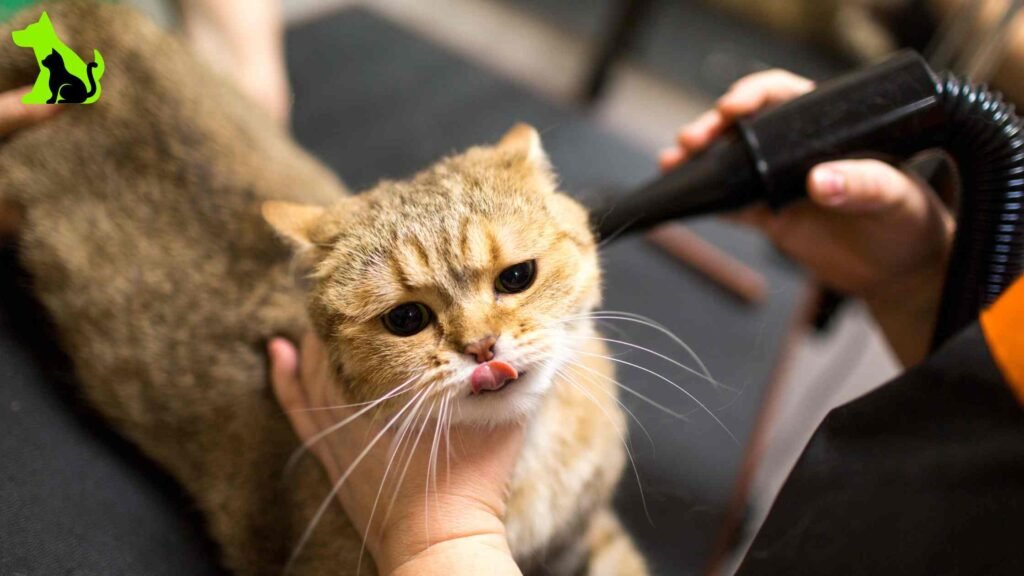
Grooming sessions create calm and trust between you and your cat. Gentle brushing feels soothing and enjoyable for many cats. Spending this quiet time together strengthens your bond. It also helps you understand your cat’s mood and health better.
Credit: hellopetsinc.com
Factors Influencing Grooming Frequency
Several factors affect how often a cat needs grooming. Each cat is unique, so grooming routines vary. Understanding these factors helps maintain your cat’s health and comfort. Grooming frequency depends on breed, age, lifestyle, and the seasons.
Cat Breed And Coat Type
Different breeds have different fur types. Long-haired cats need more frequent brushing to prevent mats. Short-haired cats require less grooming but still benefit from regular care. Cats with thick or double coats shed more and need extra attention. Some breeds have delicate coats that need gentle grooming.
Age And Health Conditions
Kittens usually need less grooming but learn to tolerate brushing early. Older cats may groom less due to arthritis or other health issues. Sick cats might need help staying clean. Grooming can also help spot health problems like skin issues or lumps.
Indoor Vs Outdoor Cats
Indoor cats stay cleaner and need less frequent grooming. Outdoor cats pick up dirt, debris, and loose fur more often. They may also get ticks or fleas, requiring more careful grooming. Outdoor cats need regular checks for pests and tangles.
Seasonal Changes
Cats shed more during spring and fall to adjust their coats. Grooming helps remove loose hair and reduces shedding around the home. In colder months, less grooming might be needed as fur thickens. Adjust grooming frequency to match your cat’s seasonal coat changes.
Daily Grooming Tips
Daily grooming is more than just keeping your cat looking good—it’s a chance to bond and monitor their health closely. Spending a few minutes each day on grooming can prevent many common issues and keep your feline friend comfortable and happy. Here are some practical tips to make daily grooming easy and effective.
Brushing Techniques
Use a brush that suits your cat’s fur type—slicker brushes work well for long-haired cats, while rubber brushes are great for short-haired breeds. Gently brush in the direction of hair growth to avoid pulling or irritating the skin. Pay attention to problem areas like behind the ears and under the legs where mats often form.
Try to keep brushing sessions short but consistent. If your cat resists, break grooming into two or three quick sessions instead of one long one. Have you noticed how some cats actually start enjoying their grooming time?
Checking For Parasites
While grooming, check your cat’s skin and fur for fleas, ticks, or any unusual bumps. Fleas are tiny but visible as dark specks that move, while ticks look like small, round lumps attached to the skin. Use a flea comb to catch these pests early before they become a bigger problem.
Look especially around the neck, behind ears, and near the tail base. Spotting parasites early can save you and your cat a lot of discomfort and vet visits. When was the last time you did a thorough check for parasites?
Cleaning Eyes And Ears
Check your cat’s eyes daily for any redness, discharge, or cloudiness. Use a soft, damp cloth to wipe away any debris gently. Avoid using cotton swabs inside the ear canal; instead, clean only the outer ear with a vet-approved solution if needed.
Regular cleaning prevents infections and helps you catch signs of trouble early. Have you noticed your cat rubbing their ears or squinting? These could be signals that cleaning and attention are needed.
Weekly And Monthly Grooming Tasks
Weekly and monthly grooming tasks keep your cat healthy and happy. These routines help prevent problems and improve your cat’s comfort. Regular care also strengthens your bond.
Bathing Your Cat
Bathing your cat is not always necessary but can help with dirt or allergies. Use warm water and cat-safe shampoo. Keep the bath short and gentle. Dry your cat well to avoid chills.
Trimming Nails
Trim your cat’s nails every few weeks to avoid scratches and damage. Use a special nail clipper for cats. Trim just the sharp tips to prevent pain. If unsure, ask a vet or groomer for help.
Dental Care
Brush your cat’s teeth weekly to prevent bad breath and dental disease. Use a cat toothbrush and toothpaste. Start slowly to let your cat get used to it. Good dental care improves overall health.
Special Grooming Considerations
Grooming cats requires special care, varying with their unique needs. Long-haired cats, senior cats, and seasonal shedding all need attention. Understanding these aspects helps maintain your cat’s health and happiness.
Handling Long-haired Cats
Long-haired cats need frequent grooming. Their fur tangles easily. Brush them daily to prevent mats and tangles. Use a wide-toothed comb for best results. Pay attention to undercoat and belly fur. Regular grooming keeps their coat shiny and healthy.
Grooming Senior Cats
Senior cats may have different grooming needs. Arthritis can make self-grooming difficult. Be gentle when brushing older cats. Use soft brushes to avoid discomfort. Check for lumps or skin issues during grooming. This helps catch health problems early.
Dealing With Shedding Seasons
Cats shed more during certain seasons. Spring and fall are common shedding times. Increase grooming sessions during these periods. Remove loose fur to prevent hairballs. Use a de-shedding tool for effective grooming. This reduces fur around your home.
Tools And Products For Grooming
Choosing the right tools and products makes grooming your cat easier. The right items keep your cat comfortable and healthy. They help remove loose fur, dirt, and prevent mats. Using safe products protects your cat’s skin and coat. Different cats need different tools depending on their fur type.
Choosing The Right Brush
Pick a brush that matches your cat’s coat type. Short-haired cats do well with a rubber brush or a bristle brush. Long-haired cats need a slicker brush or a wide-toothed comb. Brushes should gently remove loose fur without hurting the skin. Regular brushing stops hairballs and tangles from forming.
Safe Grooming Products
Use shampoos and conditioners made for cats only. Human products can irritate their skin. Choose products free from harsh chemicals and fragrances. Look for natural ingredients like aloe or oatmeal. Always test a small skin area before full use. Avoid over-bathing to keep natural oils intact.
Using Grooming Gloves
Grooming gloves fit on your hand like a mitten. They have soft rubber tips that remove loose fur easily. Gloves work well for cats that dislike brushes. They also provide a gentle massage your cat will enjoy. Use gloves to reach tricky spots like the belly and neck. Clean the gloves after each use to keep them effective.
Signs Your Cat Needs Grooming Help
Knowing when your cat needs grooming help can make a big difference in their comfort and health. Cats are usually good at grooming themselves, but sometimes they need your support. Watch for certain signs that show your cat might be struggling to stay clean and comfortable on their own.
Excessive Shedding Or Bald Spots
If you notice clumps of fur around your home or your cat’s coat looking thinner, it might be time to step in. Excessive shedding can mean your cat’s grooming isn’t enough or there’s an underlying issue. Bald spots, especially if they look irritated, signal your cat may need extra brushing or a vet check.
Skin Irritations
Redness, bumps, or scabs on your cat’s skin are clear signs they need help. These irritations can come from allergies, parasites, or infections that grooming alone can’t fix. Grooming gently around these areas while consulting your vet can prevent the problem from getting worse.
Behavioral Changes During Grooming
Has your cat started avoiding grooming sessions or acting restless when you try to brush them? This can mean discomfort or pain. Pay attention if they suddenly become aggressive or hide more often—it’s a sign they might be struggling with their coat or skin.
)
Credit: www.northroadvet.com.au

Credit: www.purina.com
Frequently Asked Questions
How Often Should I Groom My Cat?
Groom short-haired cats once a week and long-haired cats 2-3 times weekly. Regular grooming reduces shedding and prevents mats. Adjust frequency based on your cat’s coat and activity level.
What Are The Benefits Of Grooming Cats Regularly?
Regular grooming removes loose hair, reduces hairballs, and prevents skin issues. It also strengthens your bond with your cat and helps detect health problems early.
Can Grooming Reduce Cat Hair Around The House?
Yes, frequent grooming significantly reduces shedding and loose fur in your home. Brushing captures dead hair before it falls, keeping your living space cleaner.
How Do I Know If My Cat Needs More Grooming?
If your cat’s coat appears dull, tangled, or has mats, it needs more grooming. Excessive shedding or scratching can also indicate a need for more care.
Conclusion
Grooming your cat regularly keeps them healthy and happy. Short-haired cats need less brushing than long-haired ones. Check your cat’s coat for mats or dirt often. Pay attention to their skin and nails too. A clean, well-groomed cat feels comfortable and loved.
Set a grooming routine that fits your cat’s needs. Small, daily sessions work better than long, rare ones. Enjoy this time to bond and relax together. Regular grooming helps prevent hairballs and skin problems. Your cat will thank you with purrs and affection.



Leave a Reply