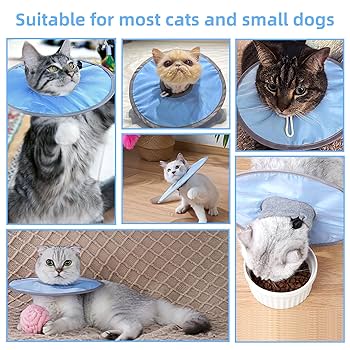
If your cat is wearing a cone, grooming might feel tricky and frustrating—for both of you. But don’t worry, you can still keep your furry friend clean and comfortable without causing stress.
Knowing how to groom your cat with a cone on is key to helping them heal faster and stay happy. You’ll discover simple, effective tips that make grooming easier, even with that awkward cone in place. Ready to make grooming a breeze for you and your cat?
Let’s dive in!

Credit: www.amazon.ca
Preparing Your Cat For Grooming
Grooming a cat wearing a cone can be a delicate task, but preparing your feline friend properly makes all the difference. Getting your cat ready before you start helps reduce stress and makes the grooming process smoother. Your approach can turn a challenging moment into a bonding experience.
Choosing The Right Time
Pick a time when your cat feels relaxed and calm. Avoid moments when they’re highly energetic or hungry, as this can make grooming harder. Many cats are more peaceful after a meal or a nap, so try scheduling grooming sessions then.
Have you noticed when your cat naturally settles down during the day? Use those quiet moments to your advantage. Patience is key—if your cat resists, wait and try again later.
Gathering Essential Tools
Before you begin, collect all grooming supplies within arm’s reach. This might include a soft brush, pet-safe wipes, nail clippers, and a damp cloth for cleaning around the cone. Having everything ready prevents interruptions that can stress your cat.
Think about your cat’s specific needs. Does their fur mat easily? Do they need gentle cleaning near the cone edges? Tailoring your toolkit makes grooming faster and more comfortable for your pet.
Creating A Calm Environment
Set up a quiet, comfortable space free from loud noises and distractions. Soft lighting and familiar scents can help your cat feel secure. Try playing gentle music or using a pheromone diffuser to soothe them.
Consider your own mood too. Cats pick up on your energy, so staying calm and speaking softly can encourage cooperation. Have you noticed how your tone affects your cat’s behavior during stressful times?

Credit: www.reddit.com
Handling The Cone Safely
Handling the cone safely is key to keeping your cat calm and comfortable. The cone restricts your cat’s movement, so careful attention is needed. Proper handling helps prevent stress and injury. It also makes grooming easier.
Adjusting The Cone Fit
Check the cone size before putting it on your cat. The cone should be snug but not tight. It must allow room for breathing and swallowing. Use the cone’s fasteners to secure it gently around the neck. Avoid pinching or pressing the skin. A well-fitted cone stops your cat from removing it.
Helping Your Cat Adjust
Your cat may feel strange wearing the cone at first. Let your cat explore the cone calmly. Offer treats and gentle petting to create positive feelings. Make sure your cat can eat and drink without trouble. Give extra attention and patience during this time. Gradual adjustment reduces anxiety.
Checking For Discomfort
Watch for signs of discomfort like scratching or rubbing the cone. Inspect the neck area daily for redness or irritation. Ensure the cone does not press too hard on the skin. If your cat seems distressed, try repositioning the cone. Contact your vet if discomfort continues or worsens.
Brushing Techniques With A Cone
Grooming a cat with a cone can be tricky. The cone limits your cat’s movements and makes brushing harder. Using the right brushing techniques helps keep your cat calm and clean. Patience and care are key to gentle grooming sessions. Here are tips for brushing your cat while wearing a cone.
Selecting The Best Brush
Choose a brush suitable for your cat’s fur type. Soft bristle brushes work well for short hair. For long-haired cats, use a wide-tooth comb or slicker brush. Avoid brushes with sharp edges to prevent discomfort. A small brush fits better around the cone area. A good brush helps remove loose hair without pulling.
Gentle Brushing Methods
Start brushing slowly to avoid startling your cat. Use light strokes and keep your hand steady. Brush in the direction of hair growth to reduce pulling. Pause often to give your cat breaks. Speak softly to soothe your pet during brushing. Check for knots or mats and gently work them out. Patience makes grooming easier and less stressful.
Avoiding Sensitive Areas
Stay clear of wounds or irritated skin near the cone. Do not brush too close to the cone edges. Avoid areas your cat cannot reach with the cone on. Focus on the back, sides, and tail gently. Watch your cat’s reactions for signs of discomfort. Skip any spot that causes stress or pain. Careful brushing protects healing skin and keeps your cat happy.
Bathing Tips While Wearing A Cone
Bathing a cat wearing a cone can be tricky but manageable. The cone keeps your cat from licking wounds but can catch water easily. Taking special care during bath time helps keep your cat safe and comfortable. Here are key tips to make bath time smoother.
Preparing The Bath Area
Choose a small, quiet space for the bath. Use a sink or a shallow tub with a non-slip mat. Gather all bath supplies before starting. Keep towels, shampoo, and a cup for rinsing nearby. Close doors and windows to avoid distractions. Keep the water warm, not hot, around 100°F (38°C).
Protecting The Cone From Water
Wrap the cone with plastic wrap or a waterproof bag. Secure it with gentle tape or a rubber band. Avoid tight wrapping that hurts your cat. Use a damp cloth to wash your cat’s body instead of full water immersion. Pour water carefully to avoid the cone area. Keep the cone dry to prevent irritation or damage.
Drying Your Cat Properly
Use a soft towel to pat your cat dry gently. Avoid rubbing, as it may stress your cat. Focus on drying the body and around the cone edges. If your cat allows, use a hairdryer on low, cool setting from a distance. Keep the room warm and calm during drying. Make sure your cat is fully dry before putting it back in the usual area.
Managing Feeding And Drinking
Managing feeding and drinking for a cat with a cone can be challenging. Use elevated dishes to make access easier. Ensure the cone doesn’t obstruct their reach to food and water.
Grooming your cat with a cone can be challenging, especially when it comes to feeding and drinking. Cats may struggle to eat and drink with a cone, leading to frustration for both you and your pet. But with a few adjustments, you can make mealtime a pleasant experience again.Adjusting Bowls And Dishes
Consider the height and width of your cat’s bowls. A shallow, wide dish can make it easier for your cat to access food and water with a cone. Elevate the bowls slightly to align with your cat’s natural posture, helping them reach the food without straining.Encouraging Eating Habits
Consistency is key. Try feeding your cat at the same time each day to establish a routine. If your cat seems reluctant, gently guide them to the bowl and offer a bit of food by hand to spark interest.Keeping Water Accessible
Ensure water is always within easy reach. Consider using a pet water fountain which provides fresh, flowing water and can be more enticing. Place the water source in a calm area where your cat feels comfortable and safe. Have you ever watched your cat struggle to drink with a cone and felt helpless? These small changes can make a big difference in their comfort and well-being. Your patience and attention can transform their feeding experience during this challenging time.Monitoring Your Cat’s Behavior
Keeping a close eye on your cat’s behavior while grooming with a cone is essential. The cone can cause discomfort or confusion. Watching your cat helps you understand how it reacts. This ensures the grooming is safe and stress-free. Reacting quickly to signs of distress is very important for your cat’s comfort.
Spotting Signs Of Stress
Stress shows in many ways. Your cat may:
- Hide more than usual
- Growl or hiss
- Refuse to eat or drink
- Pace or try to remove the cone
- Breathe rapidly or pant
Noticing these signs early helps you calm your cat. Gentle talking and soft petting can reduce stress.
When To Take Breaks
Allow your cat to rest from grooming. Frequent breaks prevent frustration and fatigue. Watch for signs like:
- Struggling to move
- Excessive meowing
- Lethargy or stiffness
Remove the cone carefully during breaks. Let your cat relax without pressure. Resume grooming only when your cat is calm.
Seeking Veterinary Advice
Consult a vet if your cat shows unusual behavior. This includes:
- Severe stress or aggression
- Refusal to eat for over a day
- Signs of injury from the cone
Professional advice ensures proper care. The vet can suggest better grooming methods or cone alternatives.
Alternatives To Traditional Cones
Traditional cones can be uncomfortable for cats. They block vision and limit movement. Many cats resist wearing them, making grooming a challenge. Alternatives to traditional cones offer comfort and protection. These options help cats heal without stress. They allow easier grooming and reduce anxiety.
Soft Collars
Soft collars are made of flexible fabric. They are lighter and less bulky than plastic cones. Cats can move and rest comfortably with them. Soft collars prevent cats from licking wounds or stitches. They come in different sizes to fit your cat well. Easy to clean and gentle on the skin.
Inflatable Collars
Inflatable collars look like small neck pillows. They limit a cat’s head movement without blocking sight. Inflatable collars are soft and cushioned for comfort. They allow cats to eat, sleep, and play more easily. These collars reduce stress during recovery. Adjustable sizes fit most cats securely.
Other Protective Gear
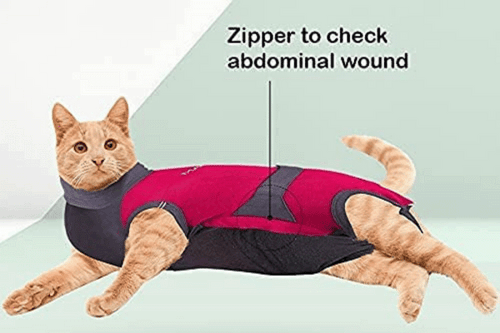
Protective gear includes suits, sleeves, and wraps. These cover wounds or surgical sites directly. They stop cats from scratching or biting affected areas. Protective clothing is breathable and soft on fur. Some gear is washable and reusable. Choose gear based on the injury type and cat’s behavior.
Credit: www.preventivevet.com
Frequently Asked Questions
How Do I Groom A Cat Wearing A Cone?
Groom your cat gently using a soft brush. Use slow, calm movements to avoid stressing your cat. Clean fur around the cone carefully to prevent matting. Regular grooming keeps your cat comfortable and helps maintain hygiene while wearing the cone.
Can I Trim My Cat’s Fur With A Cone On?
Yes, but be cautious. Use scissors carefully to avoid hurting your cat. Trim only accessible areas without forcing the cone. Consider professional grooming if the fur is thick or tangled. Always prioritize your cat’s safety and comfort during grooming.
How Often Should I Groom A Cat With A Cone?
Groom your cat every 2-3 days to prevent matting and dirt buildup. Check fur daily for any debris or skin issues. Regular grooming helps maintain cleanliness and reduces discomfort caused by the cone. Adjust frequency based on your cat’s coat type and condition.
What Grooming Tools Work Best For Cats With Cones?
Use soft-bristle brushes or grooming gloves for gentle fur care. Avoid combs with sharp teeth that can catch on the cone. Choose tools that provide comfort and ease while grooming. Proper tools ensure effective grooming without distressing your cat.
Conclusion
Grooming a cat with a cone can be tricky but not impossible. Patience and gentle care help your cat feel safe. Use soft brushes and take breaks often. Keep the cone clean to avoid discomfort. Remember, your cat needs extra attention during this time.
Small steps lead to a happy, well-groomed pet. Stay calm and enjoy the bonding moments. Your effort makes a big difference in your cat’s healing and comfort.




Leave a Reply