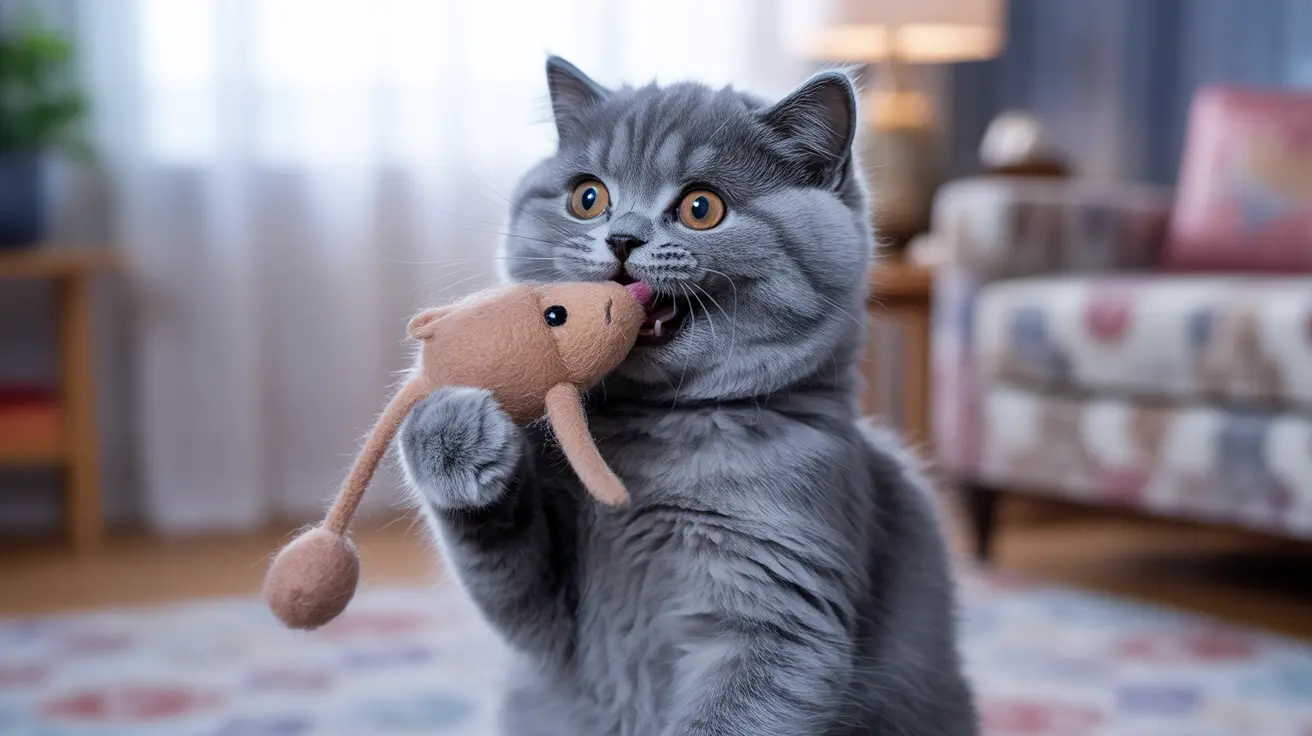
Have you ever noticed your cat yowling while carrying a toy in its mouth and wondered why? It’s a strange and sometimes surprising behavior that can leave you puzzled.
Understanding why your feline friend does this can help you connect with them better and even improve their happiness. You’ll discover the reasons behind this curious yowl and what it means for your cat’s emotions and instincts. Keep reading—you’ll be amazed at what your cat is trying to tell you!

Credit: moderncat.com
Cats Yowling Behavior
Cats yowling with a toy in their mouth can be puzzling and sometimes concerning for pet owners. This behavior is often a form of communication, reflecting a range of emotions or instincts. Understanding why your cat makes these sounds helps you respond better to their needs and strengthens your bond.
Common Sounds Cats Make
Cats use various sounds to express themselves beyond just yowling. You might hear:
- Meowing:Usually directed at humans to ask for attention or food.
- Purring:Often a sign of contentment, but can also indicate pain or stress.
- Chirping or chattering:Common when watching birds or prey, showing excitement or frustration.
- Hissing and growling:Clear warnings when a cat feels threatened or annoyed.
Yowling stands out because it’s louder and more prolonged, often signaling something urgent or significant.
When Yowling Occurs
Yowling with a toy in the mouth usually happens during or after play. Your cat might be mimicking hunting behavior, as if they caught real prey. This can be a way for them to share their “catch” with you or other cats.
Sometimes, yowling indicates frustration. If your cat can’t find a playmate or is overstimulated, the noise expresses their mixed feelings. Have you noticed if your cat yowls more when you’re not paying attention or when they are particularly energetic?
In rare cases, persistent yowling could signal pain or discomfort. Pay attention to changes in behavior or appetite to rule out health issues. Your cat’s vocal cues are valuable clues to what’s going on inside their world.
Yowling With Toys Explained
When your cat strolls around with a toy in its mouth and lets out a loud yowl, it might leave you puzzled. This behavior isn’t random—it’s deeply connected to their instincts and emotions. Understanding why cats yowl with toys can help you connect with your feline friend on a new level.
Hunting Instincts And Play
Cats are natural hunters, even when they live indoors. Carrying a toy in their mouth mimics the way they would carry prey in the wild.
The yowl often sounds like a hunting call or a way to announce a successful catch. It’s your cat’s way of expressing excitement and satisfaction from “capturing” their prey.
Have you noticed your cat’s yowl changes when they’re playing versus when they’re resting? That’s a sign their instincts are fully engaged during playtime.
Seeking Attention
Sometimes, your cat yowls with a toy simply because they want your attention. The loud sound is a clear message that they want you to join the fun.
If you’ve ever heard your cat yowl and then drop the toy at your feet, you know they’re inviting you to play. Ignoring this can leave your cat feeling lonely or frustrated.
Next time your cat does this, try responding with a quick play session. It strengthens your bond and satisfies their social needs.
Expressing Possession
Cats are territorial, not just with their space but also with their belongings. Yowling while holding a toy can be a way to claim ownership.
This vocalization warns others to keep away from their prized “catch.” If you have multiple pets, you might notice increased yowling as a form of toy guarding.
Understanding this can help you manage your pets’ interactions and reduce conflicts over toys.
Emotional Reasons Behind Yowling
Cats often yowl with a toy in their mouth for emotional reasons. Their vocalizations can reflect their mood and feelings. Understanding these emotional cues helps in addressing their needs better. Let’s dive into the emotional reasons behind this behavior.
Stress And Anxiety
Cats may yowl due to stress or anxiety. Changes in their environment can unsettle them. This vocalization is a way to communicate their discomfort. It might be a response to new furniture or unfamiliar scents. Recognizing this can help in calming your pet. Providing a safe space often reduces stress.
Excitement And Overstimulation
Yowling can also indicate excitement. Cats get thrilled when playing with their favorite toys. This excitement can lead to overstimulation. The yowl is their way of expressing this burst of energy. Offering a variety of toys helps manage their excitement levels. Ensuring playtime is balanced avoids overstimulation.
Communication With Owners
Cats use yowling with toys in their mouths as a way to talk to their owners. This behavior shows their desire to connect and interact. It is a form of communication that signals their feelings and needs. Understanding these signals helps build a stronger bond between cats and their humans.
Calling For Interaction
When a cat yowls with a toy, it often means they want attention. They invite their owners to play or spend time together. This call is a gentle reminder that they need company or fun. Responding to this call strengthens the trust and friendship.
Sharing A ‘catch’
Sometimes cats bring toys and yowl to share their prize. It is like showing off a catch from a hunt. This sharing act shows affection and pride. Cats want their owners to see and appreciate their efforts. It creates a moment of connection and joy between them.
Health Factors Influencing Yowling
Health factors play a key role in why cats yowl with a toy in their mouth. Yowling can signal discomfort or changes in their body that need attention. Understanding these health influences helps keep your cat happy and safe.
Pain Or Discomfort
Cats may yowl if they feel pain while carrying a toy. Mouth injuries, dental problems, or sore gums can cause this. The yowl acts as a signal that something hurts. Watch for signs like drooling or avoiding food. These signs help identify if pain is the cause.
Age-related Changes
Older cats often yowl more when playing with toys. Aging can cause joint pain and weaker muscles. These changes make holding and moving toys harder. Cognitive decline may also lead to confusion or anxiety. Yowling may be a way to express these feelings.

Credit: www.kittyhelpdesk.com
How To Respond To Yowling Cats
Seeing your cat yowl with a toy in its mouth can leave you wondering how to react. Your response can shape your cat’s behavior and emotional well-being. Understanding the right way to respond helps keep playtime fun and stress-free for both of you.
Encouraging Positive Play
When your cat yowls during play, it often means they’re excited or trying to get your attention. Instead of ignoring or scolding, engage with your cat by joining the play session. Use interactive toys like feather wands or laser pointers to channel their energy positively.
Try to praise your cat when they play gently or bring the toy without loud yowling. This reinforces good behavior and helps them learn the right way to communicate. Have you noticed how your cat’s yowling changes when you respond with enthusiasm?
Managing Stress
Sometimes yowling signals that your cat feels stressed or overwhelmed. If your cat carries a toy while yowling repeatedly, they might be seeking comfort or expressing anxiety. Create a calm environment by reducing loud noises and providing cozy resting spots.
Offering consistent playtime and attention can reduce their need to yowl for interaction. Observe if yowling happens more during certain times or situations—that insight can guide you to remove stress triggers. Could your cat be telling you it needs a break rather than more play?
When To Consult A Vet
Persistent yowling with a toy might sometimes indicate health issues like dental pain or discomfort. If your cat’s yowling is unusually loud, frequent, or accompanied by other signs like hiding or loss of appetite, it’s time to seek professional advice. A vet can check for underlying problems that might cause distress.
Don’t hesitate to act if your cat’s behavior suddenly changes. Early intervention can prevent bigger problems and improve your cat’s quality of life. Have you noticed any other unusual behaviors alongside the yowling that might need a vet’s attention?

Credit: www.youtube.com
Frequently Asked Questions
Why Do Cats Yowl While Holding Toys?
Cats yowl with toys to mimic hunting behavior. It shows excitement and pride in their “catch. ” This vocalization also communicates to other cats or humans.
Is Yowling With A Toy Normal Cat Behavior?
Yes, yowling with a toy is normal. It reflects natural instincts and playful communication. Cats express joy or claim their “prey” through yowling.
Can Yowling Indicate Stress During Play?
Sometimes, yowling can signal stress or frustration. If loud or frequent, observe your cat’s body language for discomfort or anxiety.
Do Cats Yowl To Get Attention With Toys?
Yes, cats may yowl to gain attention or invite interaction. They want you to notice their “catch” and join the fun.
Conclusion
Cats yowl with toys for many reasons. They may want to share their prize or show excitement. Sometimes, it is a way to get your attention. This behavior is part of their natural hunting instincts. Understanding why cats yowl helps you connect with them better.
Watch their body language and sounds closely. It makes playtime more fun for both of you. Enjoy these moments with your furry friend. They speak in their own special way.




Leave a Reply