Have you ever noticed how little attention most people give to cat breeds? You might wonder why, despite all the different types of cats out there, breed rarely seems to matter.
Is it because you don’t see the difference? Or maybe it’s because what really counts is something else entirely. If you’ve ever felt curious or even a bit puzzled about why cat breeds don’t get the spotlight they deserve, this article is for you.
Keep reading, and you’ll discover surprising reasons that might just change the way you think about your furry friend.

Credit: uk.news.yahoo.com
Cat Breeds And Popularity
When you think about cats, do you ever wonder why most people don’t seem to care much about specific cat breeds? Despite the variety of breeds out there, many cat owners simply focus on the cat’s personality and companionship rather than its lineage. The popularity of cat breeds is often overshadowed by the love people have for their feline friends, regardless of pedigree.
Commonly Known Cat Breeds
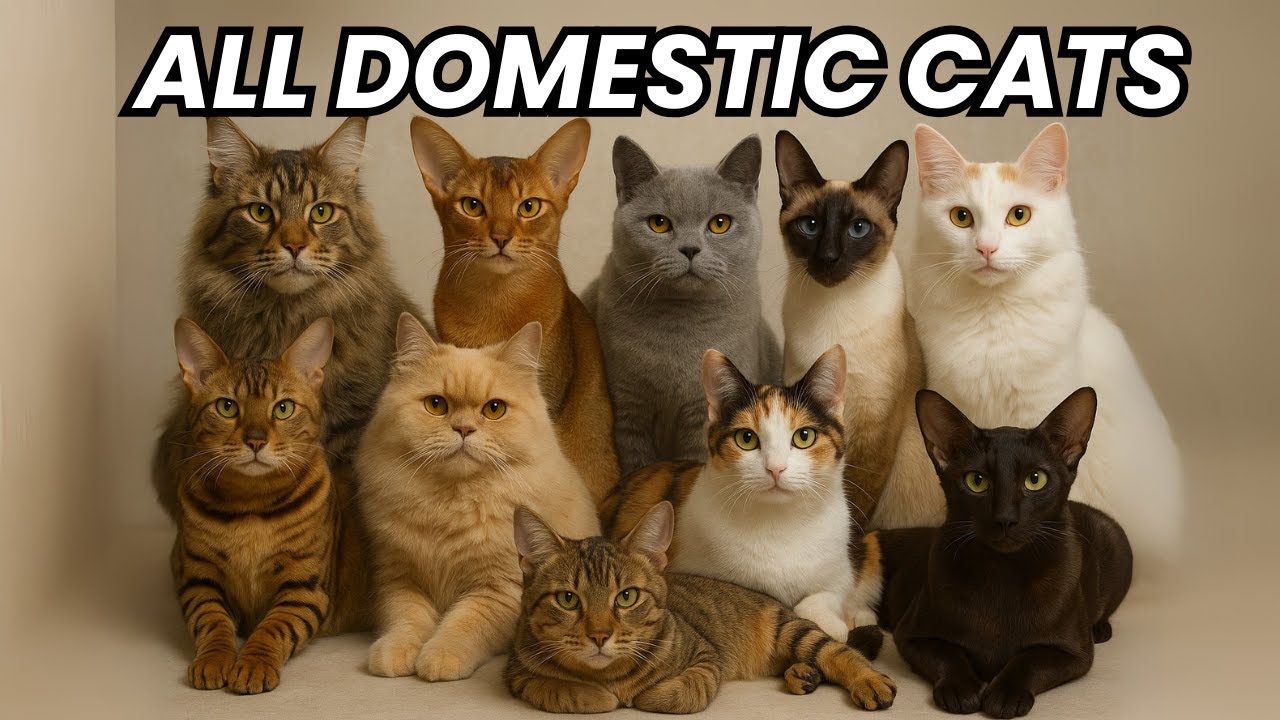
Some cat breeds stand out because of their unique looks or traits. You’ve probably heard of the Siamese, known for its striking blue eyes and vocal nature, or the Maine Coon, famous for its large size and friendly personality.
Other popular breeds include:
- Persian – with its fluffy coat and calm demeanor
- Bengal – sporting a wild, leopard-like appearance
- Ragdoll – loved for its relaxed and gentle temperament
But do these breeds really matter to most cat owners? Often, people adopt cats without any concern for breed, focusing instead on the cat’s behavior and how it fits into their home.
Trends In Cat Ownership
More people are adopting cats from shelters rather than seeking out specific breeds. This shift shows a growing focus on saving lives instead of chasing breed standards.
Many cat owners value traits like friendliness, playfulness, and adaptability over breed purity. Have you noticed how your own cat’s quirks often outshine any breed label?
Additionally, social media trends and viral cat personalities rarely mention breeds, but focus on the cat’s unique charm. This suggests breed popularity doesn’t heavily influence how people connect with cats today.
Factors Affecting Interest In Cat Breeds
Several factors shape how people view different cat breeds. Interest varies widely based on what matters most to cat owners. Appearance often takes a back seat to traits that affect daily life with a pet. Accessibility also plays a big role in which cats people choose to bring home.
Personality Over Appearance
Many cat owners care more about a cat’s personality than its looks. Friendly behavior and calm nature attract more attention than unique fur patterns. People want pets that fit their lifestyle and emotional needs. A cat that is playful or affectionate often wins hearts faster than a rare breed.
Personality traits include:
- Temperament
- Social behavior
- Energy level
- Adaptability
These traits affect everyday interactions more than breed standards or appearance. Cats with kind and easygoing personalities often get adopted quickly. This focus shifts interest away from breed specifics.
Accessibility And Adoption Choices
Availability strongly influences which cat breeds people choose. Rescue shelters and local shelters often have mixed-breed cats. These cats are easier and cheaper to adopt than purebreds. Many people want to give a home to animals in need.
Adoption trends show:
- Preference for shelter cats over expensive breeds
- Mixed breeds with diverse looks attract attention
- Purebred cats are less common outside breeders
Access to certain breeds depends on region and local breeders. Some breeds are rare or costly, making them less popular. Most people prioritize a cat’s availability and health over breed labels.
The Role Of Social Media
Social media has changed the way we connect with cats and how we view their breeds. Instead of focusing on specific breeds, many users share and celebrate cats simply for their personalities, looks, or funny moments. This shift affects why breed labels have become less important to many cat lovers online.
Viral Cats Without Breed Labels
Have you noticed how viral cat videos rarely mention the cat’s breed? The charm lies in the cat’s behavior or unique quirks rather than its pedigree. Take the famous Grumpy Cat or Lil Bub, for example. Their appeal came from their expressions and stories, not their breed.
This trend suggests that when cats become internet stars, their breed doesn’t matter to viewers. People connect emotionally with the cat’s personality instead of its lineage. Could this mean that breed information is losing its value in online cat communities?
Influencers And Mixed Breeds
Many cat influencers on platforms like Instagram and TikTok proudly showcase mixed-breed cats. These cats often have diverse looks that don’t fit into neat breed categories. Influencers share daily life, health tips, and funny moments that focus on the cat’s unique traits rather than its breed.
This approach encourages acceptance of all cats, no matter their background. It also helps people see that mixed-breed cats can be just as lovable and interesting as purebreds. What if your next cat’s charm is all about who they are, not what breed they come from?
Cultural Views On Cats
Cats have held different meanings across cultures, shaping how people view them beyond just their appearance. These cultural perspectives influence why many don’t focus on specific cat breeds as much as you might expect. Understanding these views can give you fresh insight into why breed often takes a backseat to personality and companionship.
Cats As Companions, Not Status Symbols
In many cultures, cats are valued mainly for their companionship rather than their breed. People tend to appreciate a cat’s character, how it fits into their home, and the joy it brings daily.
Think about your own experience: do you choose your cat because of its pedigree or because it feels like a friend? Most people pick cats for their temperament and the comfort they offer, not their lineage.
This focus on companionship over status reduces the emphasis on breed distinctions. It’s less about showing off and more about building a bond.
Global Differences In Cat Preferences
Preferences for cats vary widely around the world, shaped by local customs and lifestyles. In Japan, for example, the Maneki-neko (beckoning cat) symbolizes good luck, showing how cultural symbolism can outweigh breed interest.
Meanwhile, in many Western countries, purebred cats are more popular, but even there, mixed-breed cats fill shelters and homes happily. This diversity shows that cultural background heavily influences how much people care about specific breeds.
Have you noticed how your community talks about cats? Are they admired for their unique traits or just loved as the pets they are? These questions can reveal a lot about cultural attitudes toward cats and why breed might not matter as much as you think.
Impacts On Cat Welfare
Ignoring cat breeds can harm their well-being. Some breeds need special care that often goes unnoticed. This lack of attention can lead to health and happiness problems for cats.
The fascination with specific cat breeds often overshadows the broader impacts on cat welfare. While breed-specific cats have their charm, the preference for purebreds can have unintended consequences. Understanding these impacts is crucial if you care about the well-being of all cats, regardless of their lineage.Overbreeding Concerns
Overbreeding is a significant issue tied to the popularity of certain cat breeds. Breeders may focus on producing specific traits, often at the expense of the cat’s health. This can lead to genetic disorders and a lower quality of life for the cats. Imagine visiting a breeder and seeing row upon row of identical cats. It might look impressive, but it’s important to ask: at what cost? The pursuit of perfection can lead to inbreeding, which exacerbates health issues. As a cat lover, you have the power to change this narrative by being mindful of the choices you make. Opt for responsible breeders who prioritize health over appearance.Promoting Adoption Over Purchase
Consider the thousands of cats waiting for homes in shelters. Many of these cats are just as loving, if not more so, than their purebred counterparts. By choosing to adopt, you provide a second chance to a cat in need. Adoption often means saving a life. Shelters are overcrowded, and each adoption helps reduce the strain. Plus, shelter cats come in all shapes, sizes, and temperaments, offering endless possibilities for companionship. Have you ever considered the unique story each adopted cat brings? Unlike breed-specific cats, whose traits are often predictable, adopted cats come with their own blend of characteristics. Embrace the unexpected joy that comes from welcoming a shelter cat into your home. What steps will you take to contribute to the welfare of cats everywhere? Your choices can make a substantial difference in their lives. Choose compassion, and let your actions reflect your love for all cats, regardless of breed.
Credit: www.happypawsus.com
Future Of Cat Breed Awareness
The future of cat breed awareness is shifting. More people are beginning to see beyond just the looks of a cat. They want to understand personality, health, and care needs. This change opens doors to a deeper appreciation for cats, no matter their breed.
Educational Efforts
Education plays a key role in changing how you and others view cat breeds. Animal shelters and vets are now sharing more about breed traits and care tips. This helps you make smarter choices when adopting or buying a cat.
Schools and online platforms also offer simple guides about cat breeds. These resources break down complex information into easy, clear facts. You can learn what suits your lifestyle and avoid surprises later.
Have you noticed how knowing a cat’s background helps in caring for them better? Sharing this knowledge widely could make breed awareness common, not rare.
Changing Perceptions In Pet Ownership
Pet owners today focus more on a cat’s personality than its pedigree. This shift means people care less about purebreds and more about finding a pet that fits their life. This change can help reduce the stigma around mixed breeds.
People are also becoming more responsible by researching health issues linked to certain breeds. This awareness encourages better veterinary care and healthier cats overall. You might start seeing breed traits as helpful guides, not strict rules.
What if you chose your next cat based on behavior instead of appearance? This mindset could reshape the way we think about and value all cats.

Credit: www.reddit.com
Frequently Asked Questions
Why Don’t Cat Breeds Attract Much Attention?
Many people focus on a cat’s personality over breed. Cats share similar traits despite different breeds. This makes breed less important to most owners.
Are Cat Breeds Less Important Than Dog Breeds?
Yes, dog breeds often have clear differences in behavior and care. Cat breeds show subtle differences, so breed matters less. Personality and companionship are prioritized more than breed in cats.
What Makes Cat Breed Knowledge Less Popular?
Cat breed traits are less distinct and less emphasized in media. Most cats are adopted based on looks or personality, not breed. This reduces widespread interest in specific cat breeds.
Does Breed Affect A Cat’s Personality Much?
Breed has minimal impact on cat personality. Individual cats have unique temperaments regardless of breed. Behavior is shaped more by environment and upbringing than breed.
Conclusion
Cat breeds often get overlooked because people love cats for their nature. Personality matters more than looks or breed names. Most cat owners focus on care, not categories. Cats bring joy regardless of their breed. Understanding this can help us appreciate cats better.
So, next time you meet a cat, remember it’s the cat itself that counts. Breed names don’t change the bond you share. Caring for cats means loving them as they are. That is what truly matters in the end.


Leave a Reply