Have you noticed your cat isn’t grooming like usual? It can be worrying when your furry friend stops cleaning themselves.
Grooming is more than just a habit for cats—it’s a sign of their health and happiness. When your cat skips this important routine, it might be a sign something’s wrong. You want to understand why this is happening and what you can do to help.
Keep reading to discover the reasons behind this behavior and how to make sure your cat stays healthy and comfortable.
Why Cats Groom Themselves
Cats grooming themselves is a natural behavior that plays a crucial role in their health and well-being. Understanding why your cat spends time licking and cleaning can help you recognize what’s normal and when something might be wrong. Grooming is more than just keeping clean; it’s a complex activity with multiple benefits for your feline friend.
Benefits Of Grooming
Grooming helps cats remove dirt, loose fur, and parasites like fleas. It keeps their coat smooth and shiny, which is essential for insulation and protection.
Besides physical cleanliness, grooming also helps regulate body temperature. When your cat licks its fur, the saliva evaporates and cools the skin, much like sweating in humans.
Grooming acts as a stress reliever too. Cats often groom themselves after a stressful event, similar to how you might fidget or take deep breaths.
Typical Grooming Habits
Most cats spend about 30-50% of their waking hours grooming. You might notice them licking their paws, rubbing their face, or cleaning their tail.
Grooming usually happens after eating, waking up, or when your cat feels relaxed. This routine is essential to maintain their coat and skin health.
Have you ever seen your cat pause grooming to nibble at a specific spot? This can mean your cat is checking for irritation or discomfort, an important signal to watch.
Common Reasons Cats Skip Grooming
Cats usually groom to keep clean and healthy. Skipping grooming can signal a problem. Understanding why cats stop grooming helps catch issues early. Several common reasons explain this change in behavior.
Health Issues
Illness often causes cats to stop grooming. Pain from injuries or arthritis makes cleaning difficult. Skin infections or parasites can also reduce grooming. Dental problems may cause discomfort while licking. Regular vet visits can catch these health problems.
Stress And Anxiety
Stress affects cats just like humans. Changes in their environment or routine cause anxiety. A stressed cat may groom less or over-groom. Noise, new pets, or moving house can trigger this. Providing a calm space helps reduce stress.
Age And Mobility Problems
Older cats groom less due to stiff joints. Mobility issues make reaching certain areas hard. Weakness and fatigue reduce grooming effort. Senior cats need extra care for cleanliness. Gentle brushing can support their grooming needs.
Signs Your Cat Isn’t Grooming Properly
Noticing changes in your cat’s grooming habits can be unsettling. Grooming is a natural behavior for cats, and skipping it often signals a problem. Knowing the signs your cat isn’t grooming properly can help you act before health issues worsen.
Mattes And Tangles
One clear sign your cat isn’t grooming is the appearance of mats and tangles in their fur. Cats usually keep their coats smooth and clean, so clumps of fur sticking together are a red flag. You might see these mats especially around the neck, under the legs, or near the tail.
If your cat seems uncomfortable or tries to bite at these mats, it’s a clue they can’t manage their grooming. Have you ever found a knot in your cat’s fur that you couldn’t untangle? That’s when professional grooming or a vet visit may be needed.
Greasy Or Dirty Fur
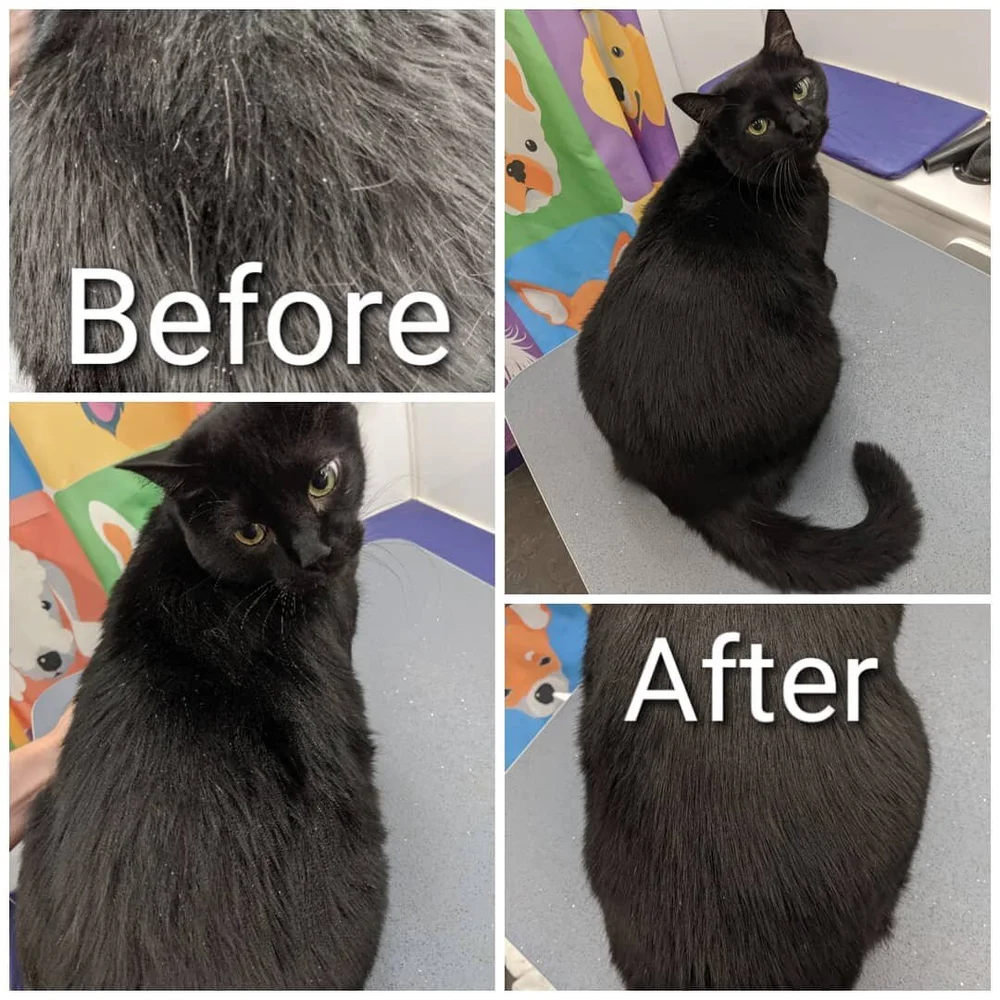
Greasy or dirty fur is another sign your cat isn’t grooming well. Normally, a cat’s coat should feel soft and look shiny. When grooming stops, the fur can become oily or dusty, which might look dull or messy.
Sometimes, you might notice flakes or dandruff on their skin because the oils aren’t being spread properly. Does your cat’s fur feel sticky or smell unusual? These signs suggest a break in their regular grooming routine.
Skin Irritations And Odors
Poor grooming can lead to skin irritations and bad odors. Cats who don’t clean themselves may develop redness, bumps, or sores on their skin. These irritations can cause itching, making your cat even less likely to groom.
Unpleasant smells coming from your cat could mean infections or other skin problems. If your cat’s coat has a strong odor, don’t ignore it. Ask yourself: could this be a sign of an underlying health issue affecting their grooming?
Credit: www.squeakycleangrooming.com
How Lack Of Grooming Affects Cats
Cats spend a lot of time grooming themselves. This behavior keeps them clean and healthy. When a cat stops grooming, it can lead to problems. Lack of grooming affects both their body and mood. Understanding these effects helps in caring for your cat better.
Physical Health Risks
Not grooming causes dirt and oils to build up on the fur. This can lead to mats and tangles. These mats pull on the skin and cause pain. Skin infections can develop from trapped dirt and moisture. Parasites like fleas may thrive without grooming. Cats may also swallow more hair, leading to hairballs. Poor grooming often signals health issues like arthritis or dental problems.
Behavioral Changes
Cats who stop grooming may seem withdrawn or stressed. They might hide more or avoid play. Lack of grooming can show that a cat feels unwell. Stress or anxiety can also reduce grooming habits. Owners may notice changes in appetite or sleep. These signs suggest the cat needs a vet check. Behavior changes and poor grooming often go hand in hand.
When To See A Veterinarian
Cats are known for their grooming habits. When a cat stops grooming, it can be concerning. Not grooming might signal a health issue that needs attention. Understanding when to seek veterinary help is crucial.
Urgent Symptoms To Watch For
Look out for certain symptoms that require immediate veterinary attention:
- Lethargy or unusual tiredness
- Loss of appetite
- Visible injuries or sores
- Excessive scratching or biting at the skin
- Sudden weight loss
If your cat shows any of these signs, visit a vet promptly. Early intervention can prevent more serious health issues.
Preparing For The Vet Visit
Prepare well for your cat’s vet visit. Note down all symptoms your cat exhibits. Take note of any changes in behavior. This information helps the vet make a diagnosis.
Ensure your cat’s carrier is comfortable. It should have a soft lining. Familiarize your cat with the carrier before the visit. This reduces stress during the journey.
Gather your cat’s medical records. Bring them to the vet appointment. These records provide valuable information on your cat’s health history.

Credit: www.reddit.com
Helping Your Cat Groom Again
Helping your cat groom again is important for their health and happiness. Cats stop grooming for many reasons like illness, stress, or pain. You can support them at home with patience and care. Small changes in your routine can make a big difference.
At-home Grooming Tips
Start by gently brushing your cat’s fur daily. Use soft strokes to avoid hurting them. Pay attention to mats and tangles and work on them slowly. Offer treats during grooming to create positive feelings. Keep sessions short and calm to prevent stress. Check for skin problems or wounds that might stop grooming. Clean your cat’s eyes and ears regularly with a damp cloth.
Creating A Stress-free Environment
Stress can stop your cat from grooming. Create a quiet space free of loud noises and sudden movements. Provide cozy hiding spots where your cat feels safe. Keep feeding and play times consistent each day. Use calming sprays or diffusers made for cats to ease anxiety. Avoid changes in the home that might scare your cat. Spend quiet time near your cat without forcing interaction.
Using Grooming Tools Effectively
Select grooming tools that suit your cat’s coat type. A soft-bristle brush works well for short hair. Use a wide-tooth comb for long or thick fur. Regularly clean your tools to keep them effective and safe. Introduce new tools slowly and let your cat sniff them first. Use gentle, steady strokes to avoid pulling fur. Groom in the direction of hair growth to prevent discomfort.
)
Credit: www.northroadvet.com.au
Frequently Asked Questions
Why Does My Cat Suddenly Stop Grooming?
Cats may stop grooming due to illness, pain, stress, or age. Health issues like arthritis or dental problems can cause discomfort. A vet visit is essential to diagnose and treat the underlying cause promptly.
Is Lack Of Grooming A Sign Of Cat Illness?
Yes, not grooming often indicates health problems. Cats usually groom to stay clean and healthy. Illnesses like skin infections, arthritis, or depression can reduce grooming behavior. Early veterinary care is crucial.
Can Stress Cause A Cat To Stop Grooming?
Stress can definitely make cats stop grooming. Changes in environment, new pets, or anxiety may reduce grooming habits. Providing a calm, safe space and routine can help your cat return to normal grooming.
How To Encourage A Cat To Groom Itself Again?
Encourage grooming by ensuring your cat feels safe and healthy. Regular vet check-ups, a balanced diet, and gentle grooming can help. Reducing stress and providing enrichment also supports natural grooming habits.
Conclusion
Cats sometimes stop grooming for many reasons. It can mean they feel sick or stressed. Watch your cat’s behavior closely. Changes in grooming need attention from a vet. Healthy cats usually keep themselves clean. Don’t ignore signs like dirt, matted fur, or bad smell.
Taking action early helps your cat feel better. Keep your cat happy and healthy with care. Regular check-ups can catch problems before they grow. Your cat’s grooming habits tell a lot about their health. Stay aware and support your furry friend.




Leave a Reply