Have you ever wondered which cats are so rare that spotting one feels like a once-in-a-lifetime experience? If you love cats and want to discover something truly unique, you’re in the right place.
These rare cat breeds aren’t just beautiful—they carry stories, traits, and mysteries you won’t find in everyday pets. By the end of this article, you’ll know exactly what makes these cats stand out and why they might just be the perfect addition to your life.
Ready to meet the rarest cats on the planet? Let’s dive in.

Credit: www.yahoo.com
Rare Cat Breeds
Rare cat breeds capture the hearts of many cat lovers. These cats are not common and often have unique traits. Their appearances and personalities stand out from usual cats. Some are found in small numbers worldwide. Others have special histories or come from isolated regions. Owning a rare breed means enjoying something truly special.
Ashera Cat
The Ashera cat is one of the rarest and most expensive breeds. It looks like a wild leopard but is domestic. This breed is a mix of African serval, Asian leopard cat, and a domestic housecat. Its striking spots and tall stature make it unique. Very few Ashera cats exist, making them highly sought after.
The Kurilian Bobtail has a short, fluffy tail like a bunny’s tail. It comes from the Kuril Islands between Russia and Japan. This breed is known for strong hunting skills and friendly nature. Kurilian Bobtails are rare outside their native region. Their unique tail and playful behavior attract many cat lovers.
Peterbald
The Peterbald is a hairless or short-haired cat from Russia. It has an elegant, slim body and large ears. This breed is friendly, smart, and loves people. Its rare look and gentle personality make it special. Peterbald cats are not common and require special care for their skin.
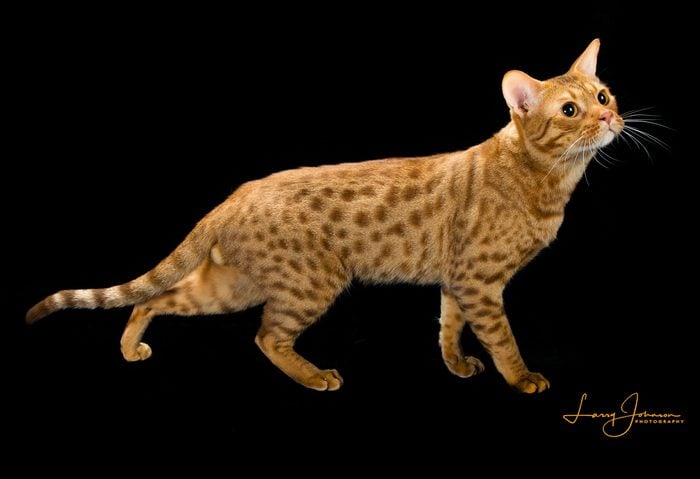
The Serengeti cat is a cross between Bengal and Oriental Shorthair cats. It has long legs and large ears, resembling a wild serval. This breed is active, playful, and loves to climb. Serengeti cats are rare and prized for their wild appearance and lively nature. They make energetic and loving pets.
American Wirehair
The American Wirehair has a unique curly coat. Its fur feels wiry and springy to the touch. This breed originated in the United States and is very rare. American Wirehairs are calm, affectionate, and easy to care for. Their distinctive coat sets them apart from other cats.
Characteristics Of Exotic Cats
Exotic cats captivate many with their unique looks and distinct personalities. These rare breeds often combine unusual physical traits with intriguing behaviors. Understanding their characteristics helps you appreciate what makes each exotic cat truly special.
Physical Appearance
Exotic cats usually have striking features that set them apart from common breeds. Many sport unusual fur patterns, vibrant eye colors, or distinct body shapes. For instance, the Bengal cat has a leopard-like coat, while the Scottish Fold is known for its folded ears.
These physical traits are not just for show—they often reflect the breed’s history and environment. Have you ever noticed how some cats’ features seem almost otherworldly? That’s a hallmark of their exotic nature.
Temperament And Personality
Exotic cats tend to have personalities that match their rare looks. Some are highly social and playful, while others are more reserved and independent. The Sphynx cat, for example, is known for being affectionate and energetic, often seeking human attention.
Understanding your cat’s temperament helps you provide better care and build a stronger bond. What kind of personality do you think suits your lifestyle best?
Care Requirements
Exotic cats can require special care due to their unique traits. Some breeds need regular grooming to maintain their coat, while others may have dietary needs or health concerns. The Peterbald, a hairless breed, needs skin care routines uncommon to typical cats.
Knowing these needs upfront can save you time and stress. Are you ready to meet the commitment that comes with caring for an exotic cat?
Health Considerations
Many exotic breeds are prone to specific health issues because of their genetics. For example, the Minskin cat, a rare breed with short legs and sparse fur, can be vulnerable to skin problems and joint issues. Regular vet visits and preventive care are essential.
Being aware of potential health risks allows you to act early and keep your cat happy. How proactive are you about your pet’s health?
Serengeti Cat
The Serengeti Cat is a stunning breed. It looks wild but is very gentle. This cat stands out with its tall legs and spotted coat. It was bred to look like a wild serval but with a calm nature. Many cat lovers want this rare breed for its beauty and friendly behavior.
Origin And History
The Serengeti Cat was created in the 1990s. Breeders crossed Bengal cats with Oriental Shorthairs. The goal was to make a cat that looks like a serval. Servals are wild African cats known for their spots and long legs. The Serengeti Cat does not have serval DNA, only the look.
Physical Characteristics
This breed has long legs and a slender body. The coat is short and covered with large spots. Its ears are big and rounded at the tips. The face has a delicate, refined shape. These traits give the Serengeti a wild, exotic look.
Personality And Temperament
Serengeti Cats are active and playful. They love to jump and explore high places. This breed is very social and enjoys company. They often form strong bonds with their owners. Serengeti Cats are intelligent and can learn tricks easily.
Care And Maintenance
The coat needs little grooming because it is short. Regular playtime is important to keep them happy. They require space to run and climb. A balanced diet supports their active lifestyle. Regular vet visits help maintain their health.
Korat Cat
The Korat cat is one of the rarest and oldest cat breeds. It comes from Thailand and is famous for its silver-blue coat. This breed has a heart-shaped face and large green eyes. Korats are gentle and loving pets. They bond closely with their owners and enjoy being part of the family.
These cats are not just beautiful but also intelligent and playful. Their unique appearance makes them stand out. Korats are also known for their quiet and calm nature. They adapt well to indoor living and require little grooming.
Appearance And Coat
The Korat has a short, smooth coat that shines like silver. Its blue-gray color is very distinct. The fur has a natural shimmer due to the silver-tipped hairs. The eyes are big, round, and bright green, giving them a striking look. Their body is medium-sized, muscular, and graceful.
Temperament And Personality
Korat cats are gentle and affectionate. They love to spend time with their family. These cats are playful but not overly active. They enjoy quiet time and gentle petting. Korats are known for their loyalty and strong bonds with owners.
Care And Maintenance
Korat cats need minimal grooming due to their short coat. Regular brushing keeps their fur shiny and clean. They require a balanced diet to stay healthy. Korats thrive in calm environments without loud noises. Routine vet visits ensure they stay in top shape.
Why Korat Cats Are Rare
- Limited breeding outside Thailand
- Strict breed standards
- Slow reproduction rate
- High demand but low availability
The rarity and unique traits make Korat cats special pets. Their history and charm attract cat lovers worldwide.
Peterbald Cat
Peterbald cats are among the rarest breeds, known for their slender bodies and short or hairless coats. These elegant cats are gentle and friendly, making them unique companions. Their distinct appearance and limited numbers make them highly sought after by cat lovers.
The Peterbald cat is a unique and captivating breed, known for its sleek appearance and affectionate nature. Originating from Russia in the late 20th century, the Peterbald is a relatively new breed that has quickly gained admiration for its striking hairless or partially hairless coat. What sets this feline apart is not just its extraordinary look but its dog-like loyalty and playful demeanor, which make it a delightful companion for those lucky enough to own one.Origins And History Of The Peterbald Cat
The Peterbald cat was first bred in St. Petersburg, Russia, in 1994. It resulted from a cross between a Donskoy and an Oriental Shorthair. This mix was intentionally created to combine the unique hairless gene of the Donskoy with the elegant appearance of the Oriental Shorthair.Distinctive Features And Appearance
Peterbalds often have a hairless or partially hairless coat, which can range from completely bald to having a soft fuzz or brush coat. Their skin feels warm and soft to the touch, akin to a peach. They possess a slender, athletic build, with large ears and almond-shaped eyes that give them an alert and intelligent expression.Personality And Temperament
Peterbalds are known for their outgoing and friendly nature. They are highly social and thrive on human interaction, often following their owners around the house. Their curious and intelligent disposition means they enjoy engaging activities and mental stimulation.Care And Maintenance
Owning a Peterbald comes with unique care requirements due to their lack of fur. Regular skin care is essential to keep their skin healthy and free from oil build-up. They are also sensitive to temperature changes, so keeping them warm is crucial, especially in colder climates.Why Choose A Peterbald Cat?
If you crave a pet that is both visually striking and affectionate, the Peterbald may be the perfect choice. Their hypoallergenic nature can be a bonus for those with allergies. Would you enjoy the constant companionship of a cat that behaves more like a loyal dog? Then the Peterbald might just be your ideal feline friend.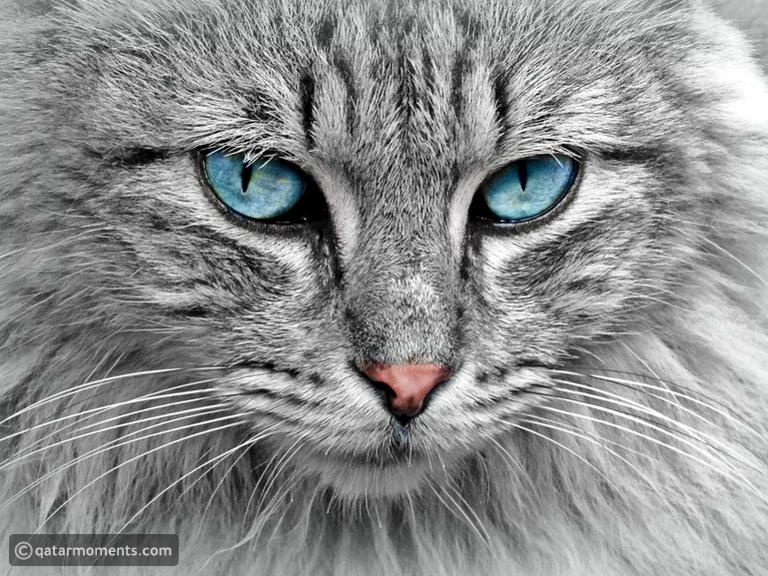
Credit: www.msn.com
Kurilian Bobtail
The Kurilian Bobtail stands out among rare cat breeds with its unique appearance and lively personality. Originating from the Kuril Islands between Russia and Japan, this breed has a distinctive short, pom-pom tail that instantly catches your eye.
If you’ve ever met a Kurilian Bobtail, you probably noticed their playful and intelligent nature. They are not just beautiful but also incredibly social, making them great companions for families and individuals alike.
Physical Characteristics Of The Kurilian Bobtail
The most striking feature of the Kurilian Bobtail is its short, fluffy tail, which resembles a bunny’s tail more than a typical cat’s. Their bodies are muscular and sturdy, built for agility and strength.
Coat colors vary widely, including solid, tabby, and spotted patterns. Their fur can be short or semi-long, offering a soft texture that’s pleasant to touch.
Temperament And Personality Traits
Kurilian Bobtails are known for their friendly and outgoing personality. They tend to bond closely with their owners and enjoy interactive play.
Unlike some cats, they are not shy around strangers and often get along well with other pets. This breed is also curious and intelligent, often learning tricks and games quickly.
Care And Maintenance Tips
Despite their thick fur, Kurilian Bobtails require minimal grooming. Regular brushing once or twice a week keeps their coat healthy and reduces shedding.
They thrive on mental stimulation, so providing toys and puzzles can keep them happy and prevent boredom. Make sure you give them plenty of space to climb and explore.
Why The Kurilian Bobtail Is A Rare Gem
Not many people know about the Kurilian Bobtail outside its native region, making it a rare find in many parts of the world. Breeders are limited, which adds to the exclusivity of owning one.
Have you ever thought about why some breeds remain hidden gems? The Kurilian Bobtail’s rarity makes it a fascinating choice for those who want a cat that’s both special and full of personality.
Laperm Cat
The LaPerm cat is one of the rarest cat breeds in the world. It stands out because of its unique curly coat. This breed has a soft, wavy fur that feels like a gentle curl. LaPerm cats have a charming look and a friendly nature, making them special pets. Their origin traces back to a natural mutation in the 1980s in Oregon, USA. Since then, breeders have worked to keep this breed rare and beautiful.
Appearance And Coat
LaPerm cats have a medium-sized body with a slender build. Their most notable feature is their curly fur. The curls can vary from loose waves to tight ringlets. This coat is soft and does not mat easily. It covers their entire body, including the tail and ears. LaPerm cats come in many colors and patterns, adding to their unique appeal.
Personality And Temperament
LaPerm cats are known for being affectionate and playful. They love to be around people and often follow their owners. These cats are curious and enjoy exploring their environment. They tend to get along well with other pets and children. Their gentle temperament makes them great companions for families.
Care And Grooming
Their curly coat needs regular care to stay healthy. Brushing two to three times a week helps prevent tangles. Bathing is rarely needed unless the cat gets dirty. LaPerm cats shed less than many other breeds, which is a bonus for allergy sufferers. Regular nail trimming and dental care are also important.
Health And Lifespan
LaPerm cats are generally healthy with few breed-specific issues. Regular vet check-ups help keep them in good shape. They live on average between 12 to 16 years. A balanced diet and active lifestyle support their long life. Early detection of any health problems leads to better treatment outcomes.
Nebelung Cat
Nebelung cats are among the rarest cat breeds, known for their long, silver-blue coats and gentle nature. These cats enjoy quiet homes and form strong bonds with their owners. Their unique appearance and calm temperament make them highly sought after by cat lovers.
The Nebelung Cat is a captivating breed known for its striking beauty and rarity. With its long, luxurious bluish-gray coat and piercing green eyes, the Nebelung is a sight to behold. If you’re lucky enough to encounter one, you’ll quickly realize why this breed is often compared to a mystical creature from a fairy tale.What Makes The Nebelung Cat Unique?
The Nebelung is not just about looks; it’s their unique personality that truly captivates. These cats are known for their gentle and affectionate nature, making them a perfect companion for those seeking a loving pet. However, they can be shy around strangers, preferring the comfort of familiar faces.The History Behind The Nebelung Cat
Originating in the United States during the 1980s, the Nebelung is a relatively new breed. It was developed by crossing a Russian Blue with a long-haired black domestic cat. This combination resulted in the stunning, long-coated feline we admire today.Caring For Your Nebelung Cat
Due to their beautiful, dense coat, Nebelungs require regular grooming to maintain their silky texture. Brushing them a few times a week will help prevent matting and reduce shedding. Additionally, ensuring a balanced diet will keep their coat shiny and their health in check.Are Nebelung Cats Right For You?
Before bringing a Nebelung into your home, consider if you have the time to dedicate to their grooming and social needs. Are you ready for a feline friend who craves companionship yet values its independence? If so, a Nebelung might be the perfect addition to your family. The rarity of the Nebelung cat makes it a prized addition for cat enthusiasts and collectors. Owning such a unique breed means you’re not just a pet owner but a guardian of a living piece of art. Are you ready to embrace the elegance and charm of the Nebelung?Care Tips For Rare Breeds
Rare cat breeds need special care to keep them healthy and happy. Their unique traits often require specific attention in daily routines. Understanding these care needs helps owners provide the best environment.
Many rare breeds have delicate health or grooming demands. Meeting these needs supports their well-being and longevity. Simple steps can make a big difference in their quality of life.
Proper Nutrition And Diet
Rare cats often have sensitive stomachs or unique dietary needs. Feeding high-quality, breed-specific food supports their health. Fresh water must always be available to prevent dehydration.
- Choose food rich in protein and low in fillers.
- Consult a vet about supplements or special diets.
- Feed measured portions to avoid obesity or malnutrition.
Regular Grooming Practices
Many rare breeds have distinct coats needing special care. Regular grooming prevents mats and skin problems. Use gentle brushes suitable for the cat’s fur type.
- Brush long-haired cats daily to avoid tangles.
- Short-haired breeds benefit from weekly brushing.
- Check ears and eyes for cleanliness and signs of infection.
Health Monitoring And Vet Visits
Rare breeds may face breed-specific health issues. Regular vet check-ups catch problems early. Vaccinations and parasite control keep them protected.
- Schedule annual health exams with a trusted vet.
- Watch for unusual behavior or symptoms.
- Keep a record of vaccinations and medical history.
Creating A Safe And Stimulating Environment
Rare cats need a calm, secure home to thrive. Providing toys and scratching posts helps mental stimulation. Avoid loud noises and stressful situations.
- Set up quiet resting places away from noise.
- Offer interactive toys to keep them active.
- Use safe, non-toxic plants and materials in the home.
Finding And Adopting Exotic Cats
Finding and adopting exotic cats can be a thrilling experience. These rare breeds bring unique beauty and charm to any home. They need special care and attention due to their distinct traits. Learning about their needs helps create a happy environment for them. Patience and research are key to a successful adoption journey.
Researching Exotic Cat Breeds
Start by learning about different rare cat breeds. Understand their personalities, health needs, and behavior. Some breeds may need more grooming or space. Others may be quieter or more playful. Knowing these details helps choose a breed that fits your lifestyle.
Finding Reputable Breeders And Rescue Centers
Look for breeders with strong reputations and ethical practices. They ensure healthy cats and proper care. Rescue centers sometimes have rare breeds needing homes. Visiting these places allows you to meet cats and ask questions. Trustworthy sources protect you from scams and unhealthy pets.
Preparing Your Home For An Exotic Cat
Create a safe, comfortable space before bringing a cat home. Provide scratching posts, cozy beds, and toys. Exotic cats may need quiet areas to relax. Keep harmful plants and chemicals out of reach. A prepared home helps cats adjust quickly and feel secure.
Understanding Legal And Ethical Considerations
Check local laws about owning exotic cats. Some breeds require special permits or have restrictions. Ethical adoption means supporting breeders who follow animal welfare rules. Avoid illegal or unethical sales that harm animals. Respecting laws protects both you and the cat.
Credit: www.rd.com
Frequently Asked Questions
What Are The Rarest Cat Breeds In The World?
The rarest cat breeds include the Sokoke, Serengeti, and Peterbald. These cats are uncommon due to limited breeding and unique traits. Their scarcity makes them highly sought after by enthusiasts and collectors worldwide.
How Do Rare Cat Breeds Differ From Common Ones?
Rare cat breeds often have unique physical traits and distinct temperaments. They may have special coat patterns, ear shapes, or body structures unlike common cats. Their rarity usually results from limited gene pools or specific breeding practices.
Are Rare Cat Breeds More Expensive To Own?
Yes, rare cat breeds typically cost more due to their scarcity and breeding challenges. They may require special care and regular vet visits. Their unique traits and limited availability drive up their market value significantly.
What Should I Consider Before Adopting A Rare Cat Breed?
Consider the cat’s temperament, care needs, and potential health issues. Research the breed thoroughly to ensure compatibility with your lifestyle. Rare breeds may need special diets or environments for optimal health and happiness.
Conclusion
Rare cat breeds show us nature’s unique beauty. Each breed has special traits and stories. They remind us how diverse the cat family is. Caring for rare cats needs patience and love. These cats can bring joy and wonder to any home.
Learning about them helps us appreciate them more. Keep exploring, and maybe you’ll find a rare friend someday.




Leave a Reply