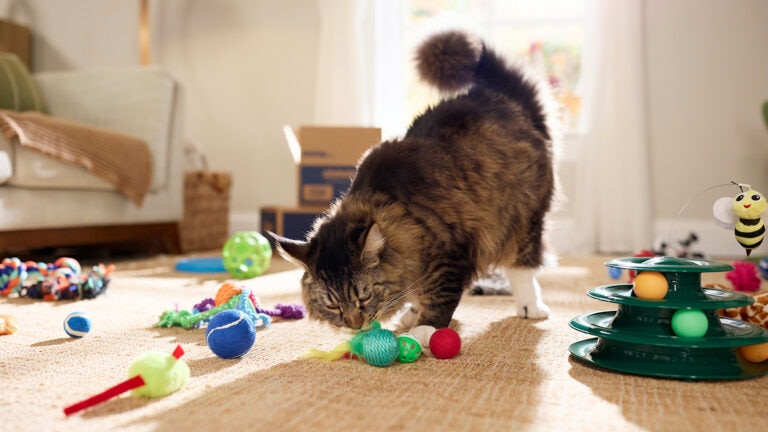
Have you ever noticed your cat quietly placing its toys under the couch or behind furniture? You might wonder why your furry friend does this strange behavior.
It’s not just a random habit—there’s a reason behind it, and understanding this can help you connect better with your cat. Keep reading to discover the surprising reasons why cats keep putting toys under things and what it means for your pet’s mind and heart.
You’ll be amazed at what you learn!

Credit: deziroo.com
Cat Play Behavior
Cats show many unique behaviors during play. One common action is hiding toys under objects. This habit reveals a lot about their natural instincts and fun ways to interact. Understanding these actions helps pet owners connect better with their cats.
Instincts Behind Toy Hoarding
Cats have strong survival instincts. Hiding toys mimics their natural behavior of storing food. Wild cats often stash prey to save for later. Domestic cats treat toys like prey and hide them. This act gives them a feeling of safety and ownership. It also satisfies their urge to collect and protect valuable items.
Hunting And Stalking Games
Playtime reflects hunting skills. Cats stalk and pounce on toys as if they are real prey. Moving toys under furniture adds challenge and excitement. It sharpens their focus and reflexes. These games keep cats mentally sharp and physically active. Hiding toys under things simulates the thrill of a real hunt.
Territorial Habits
Cats have a strong sense of territory, and their behavior around toys often reflects this instinct. When your cat places toys under furniture or other objects, it’s not just playfulness at work—it’s about claiming and managing their space. Understanding these territorial habits can help you connect better with your feline friend and respond to their needs appropriately.
Marking Their Space
Cats use scent to mark their territory, and toys become little scent carriers. By putting toys under things, they spread their personal scent in those hidden spots, making the area feel safer and more familiar. Have you noticed your cat rubbing their face on toys before hiding them? That’s their way of stamping ownership.
This behavior helps your cat feel in control of their environment. It’s their quiet way of saying, “This area belongs to me,” without any noise or fuss. You might find the same toy hidden in multiple spots, showing they want to extend their scent-marked territory.
Protecting Valuables
Your cat may see toys as treasures worth guarding. Hiding toys under furniture or cushions is a protective move to keep them safe from other pets or even from you. Have you ever found a stash of toys tucked away in an odd corner? That’s your cat’s secret cache.
This habit can also be a sign of their hunting instinct. Cats often “store” prey in a safe place to enjoy later. So, when your cat hides toys, they are acting on a deep-rooted instinct to safeguard what they value.
Next time you discover a hidden toy, consider it a compliment—your cat trusts you enough to share their prized possessions, even if they prefer to keep them out of plain sight.
Seeking Attention
Have you noticed your cat repeatedly slipping toys under the couch or behind furniture? This behavior often signals a deeper desire for attention from you. Cats are clever at finding ways to communicate, and hiding toys is one of their subtle calls for interaction.
Interactive Play Signals
When your cat drops a toy under something, it’s not just a random act. They’re inviting you to join the game and engage with them. This behavior can be a way to say, “Hey, I want to play, but I need your help!”
Think about the last time your cat did this. Did you respond by reaching for the toy or initiating play? If not, your cat might keep repeating the behavior to get your attention. Recognizing these signals can help you build a stronger bond.
Encouraging Engagement
You can use this behavior to your advantage by turning it into a fun interaction. Try gently retrieving the toy and tossing it for your cat to chase, or encourage them to bring it to you. This shows your cat that their signals work and encourages more playful communication.
Have you tried setting aside specific playtimes to focus on your cat’s favorite toys? This can reduce their need to seek attention in indirect ways. Creating predictable moments of engagement helps your cat feel valued and reduces frustration.

Credit: www.goodhousekeeping.com
Stress And Anxiety
Cats often hide their toys under furniture or other objects when they feel stressed or anxious. This behavior helps them manage their emotions. Stress can come from changes in their environment, loud noises, or unfamiliar people. By hiding toys, cats create a small safe space that makes them feel secure.
Comfort Through Familiar Objects
Toys are familiar and comforting to cats. Keeping toys close but out of sight helps reduce their stress. These objects remind cats of playtime and safety. Holding on to a favorite toy can calm their nerves during uneasy moments.
Calming Rituals
Hiding toys is part of a calming ritual for cats. This routine helps them feel in control. Placing toys under things gives them a sense of order. Rituals like this lower anxiety and bring peace to their minds.
Environmental Factors
Have you ever wondered why your cat insists on shoving their toys under furniture? It might seem like they’re trying to create their own version of hide and seek. However, environmental factors play a significant role in this behavior. Cats are naturally curious creatures, and their living environment can greatly influence how they interact with their toys and surroundings.
Stimulating Their Curiosity
Cats are born explorers. Even the most domesticated feline has a wild streak that drives them to investigate every nook and cranny. When your cat pushes a toy under a couch or table, it might be their way of turning a simple object into a complex puzzle. This activity stimulates their mind and keeps boredom at bay.
Consider how often you introduce new elements into your cat’s environment. Do they have enough stimuli to keep their curiosity piqued? By rotating toys and changing their locations, you can keep your cat engaged and mentally active. A toy that disappears under a cabinet can suddenly become more intriguing, sparking your cat’s instinct to retrieve it.
Adapting To Living Spaces
Cats adapt their behavior to fit their surroundings. If your home has limited space, your feline friend might resort to hiding toys in tight spots simply because that’s what their environment dictates. This behavior mimics their natural instinct to hide prey in the wild.
Think about how your living space is arranged. Are there enough open areas for your cat to play freely, or are they navigating around furniture obstacles? By rearranging furniture or creating designated play zones, you can offer more room for your cat to play without losing their toys in unreachable spots.
Have you noticed changes in your cat’s behavior when you move things around? Sometimes, a small alteration in their environment can lead to new and exciting play habits. By understanding and adapting to these environmental factors, you can enhance your cat’s playtime experience and deepen your bond with them.

Credit: www.goodhousekeeping.com
How To Respond
Knowing how to respond when your cat hides toys under things can improve your bond and keep playtime fun. Your reaction shapes their behavior, so it’s important to guide them gently. Let’s look at ways to encourage healthy play and manage those hidden toys without frustration.
Encouraging Healthy Play
Encourage your cat to bring toys out by using interactive play sessions. Try using wand toys or laser pointers to keep their focus on active hunting rather than hiding. You can also reward them with treats or praise when they play openly.
Offer a variety of toys that appeal to different senses—soft, noisy, or feathered. This keeps their interest high and reduces the urge to stash toys away. Have you noticed which toys your cat prefers? Use those to keep them engaged.
Managing Hidden Toys
Instead of constantly searching for hidden toys, create a specific play area where your cat feels comfortable leaving their toys. A cozy corner with a soft mat or basket can become their designated toy spot.
Regularly check common hiding places and gently retrieve toys without making a big fuss. This helps your cat understand you’re part of the game, not an opponent. You might even try rotating toys to keep their environment fresh and exciting.
Frequently Asked Questions
Why Do Cats Hide Toys Under Furniture?
Cats hide toys under furniture as a natural instinct. It mimics storing prey safely. This behavior also provides a sense of security and control in their environment.
Do Cats Put Toys Under Things To Play Later?
Yes, cats often stash toys to revisit them later. This mimics hunting behavior and allows them to “save” their catch for future play sessions.
Is Hiding Toys A Sign Of Boredom In Cats?
Hiding toys can indicate boredom or a need for mental stimulation. Providing interactive toys and playtime helps reduce this behavior and keeps cats engaged.
How Can I Stop My Cat From Hiding Toys?
Offer plenty of engaging toys and playtime. Rotate toys regularly to keep interest high. Create safe, accessible play areas to discourage hiding.
Conclusion
Cats hide toys because it feels natural to them. They enjoy the challenge of finding their hidden treasures later. This behavior shows their playful and curious nature. Understanding why cats do this helps you bond better with your pet. It also keeps your home tidier when you know what to expect.
Let your cat have fun with their toys safely. Watching them play can bring joy to your day. In the end, this habit is just another way cats show their unique personality.




Leave a Reply