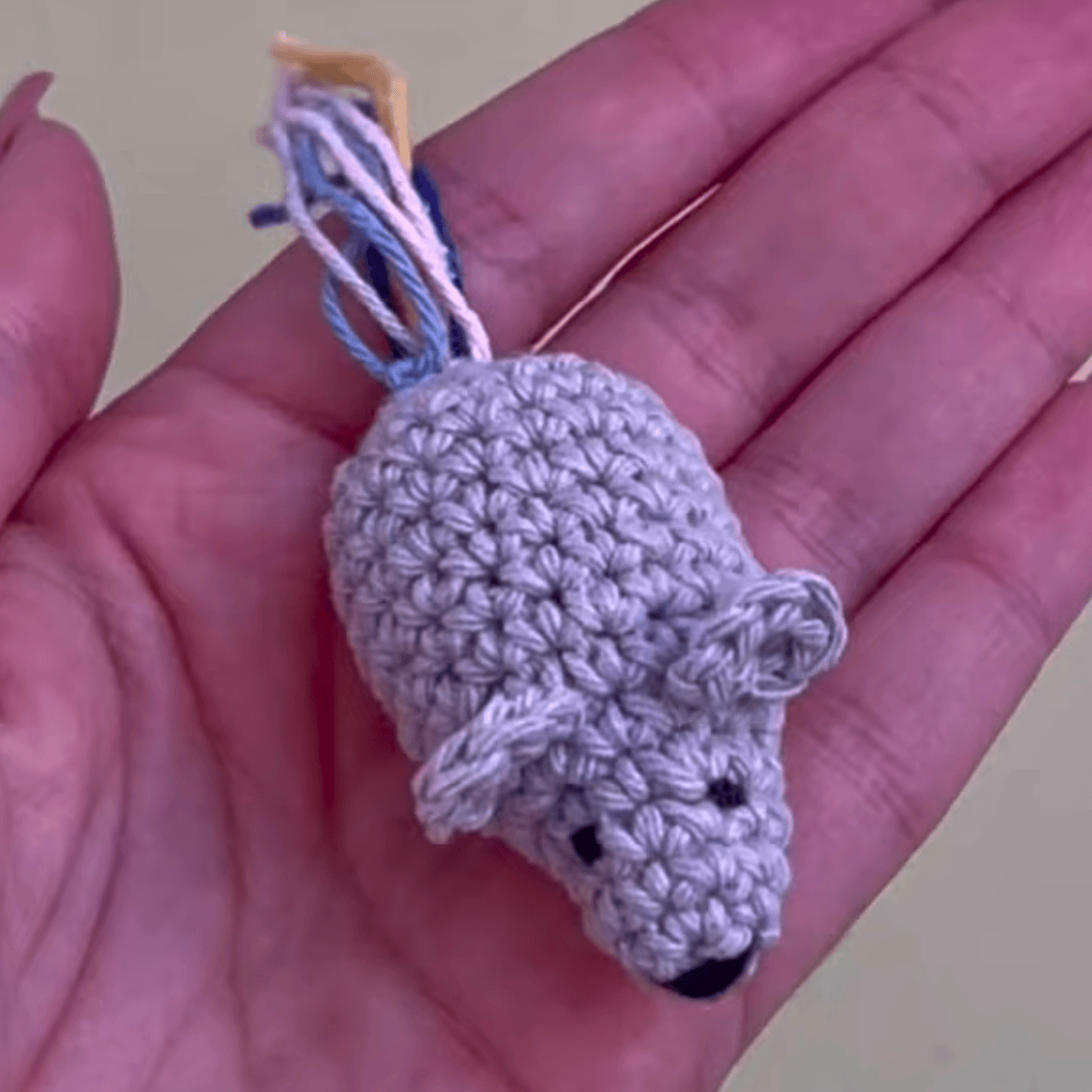
If you want to keep your cat happy and active, making a toy mouse is a simple and fun way to do it. You don’t need fancy materials or skills—just a few things you can find around the house.
Imagine your cat chasing, pouncing, and playing with a toy you made yourself. It’s rewarding for both of you and can even strengthen your bond. Keep reading to discover easy steps that will help you create the perfect toy mouse your cat will love.
Materials Needed
Gathering the right materials can make your toy mouse project easier and more fun. Choosing the best supplies ensures your cat’s new toy is safe, durable, and appealing. Let’s break down what you’ll need to create an irresistible plaything for your furry friend.
Fabric Choices
Pick a fabric that is soft but tough enough to handle your cat’s claws. Felt and fleece are popular options because they don’t fray easily and feel nice to touch. You might want to avoid slippery materials like satin, which your cat won’t find interesting to catch or carry around.
Have you noticed how cats love the texture of wool? It’s a great natural choice that adds a bit of warmth to the toy. Also, consider using old T-shirts or denim scraps for a budget-friendly and eco-friendly option.
Stuffing Options
Stuffing gives the mouse its shape and makes it fun to pounce on. Polyester fiberfill is common and easy to find at craft stores. It’s lightweight and safe for pets.
If you want something more natural, try cotton or wool stuffing. These materials avoid synthetic fibers and can be more environmentally friendly. Just make sure the stuffing doesn’t come out easily — you don’t want your cat swallowing loose bits.
Additional Supplies
- Thread and needle:Choose a strong thread to keep the toy intact during playtime.
- Scissors:Sharp ones make cutting fabric easier and cleaner.
- Fabric glue (optional):Useful if you want to avoid sewing every part.
- Catnip:A small pinch inside the toy can attract and excite your cat.
- Ribbon or string:To create a tail or whiskers, adding extra fun features.
Have you thought about how adding a small bell inside can make the toy more engaging? Cats often chase sounds, so consider including one if your feline enjoys noise during play.

Credit: subhasagun.com
Cutting The Fabric
Cutting the fabric is a crucial step in making a toy mouse for your cat. This stage sets the foundation for the shape and size of the toy, which affects how your cat will interact with it. Precision matters here, but don’t stress—simple tools and a bit of patience will get you a perfect piece every time.
Creating The Mouse Shape
Start by choosing a soft fabric like felt or fleece; these materials are easy to cut and gentle for your cat. Fold your fabric in half to cut two identical pieces at once, saving time and ensuring symmetry.
Draw a simple mouse outline on a piece of paper first. This can be as basic as a rounded oval with a pointed nose. Place the paper pattern on the fabric and pin it to prevent slipping.
- Use sharp fabric scissors for clean edges.
- Cut slowly along the lines to avoid jagged edges.
- Keep the fabric flat to maintain the shape.
Have you ever noticed how cats prefer toys that feel natural? The shape you create now will influence how your cat holds and bats the mouse around.
Marking Details
Next, add small details like eyes, nose, and ears to make the toy more engaging. Use a fabric marker or tailor’s chalk to mark these features on one side of the fabric.
Keep the markings simple but clear so you can stitch or glue these details later without confusion. For instance, a pair of dots for eyes and a tiny triangle for the nose works well.
Do you think your cat would prefer colorful details or something subtle? Choosing the right accents can make your toy more appealing and fun to play with.
Sewing The Pieces
Sewing the pieces is the key step in making your cat’s toy mouse. This part brings all fabric parts together to create a cute, durable toy. Pay attention to neat stitches and tight seams. This ensures the toy lasts through many playtimes. Choose the sewing method that suits your skills and tools. Both hand sewing and using a sewing machine work well.
Hand Sewing Tips
Hand sewing gives you control and precision for small pieces. Use a strong, matching thread to keep stitches hidden. Knot the thread securely before starting. Sew small, even stitches close together to hold fabric firmly.
- Use a sharp needle for easy fabric piercing.
- Pin pieces together before sewing to avoid slipping.
- Backstitch at the start and end for durability.
- Leave a small opening for stuffing the toy.
Take your time. Neat hand stitches make the toy look nice and last longer.
Using A Sewing Machine
A sewing machine speeds up the process and creates strong seams. Set the machine to a straight stitch with medium length. Use polyester thread for strength. Pin the fabric pieces securely before sewing to keep them aligned.
- Start sewing slowly to avoid mistakes.
- Sew with the fabric right sides facing together.
- Backstitch at the start and finish for extra strength.
- Leave a gap for stuffing, then sew it closed by hand.
A sewing machine gives a clean, professional look and makes the toy sturdy for rough play.

Credit: www.amazon.ca
Adding Features
Adding features to your homemade toy mouse can make it more attractive and fun for your cat. Simple details can bring the toy to life and encourage your cat to play more. Let’s look at how to add eyes, nose, tail, whiskers, and ears to create a toy that feels real to your furry friend.
Eyes And Nose
Use small buttons, beads, or felt pieces to create the eyes and nose. Sew or glue them carefully onto the head of the mouse. Make sure the eyes are securely attached so your cat won’t swallow them by accident.
You can choose shiny beads to catch your cat’s attention or soft felt for a safer option. Think about the size and color that would stand out but still look like a little mouse. Have you noticed how your cat’s eyes light up when something shiny moves? That’s the effect you want!
Tail Attachment
Adding a tail is simple and adds a lot of fun to the toy. Use a piece of yarn, string, or thin fabric strip and sew it firmly at the back of the mouse. Avoid tails that are too long or loose, as they might get caught or pulled off quickly.
A good tip is to knot the end of the tail or add a small tuft of fabric for extra texture. Cats love to grab and bite tails, so creating a strong attachment point makes the toy last longer. What kind of tail do you think your cat would prefer—fluffy or sleek?
Whiskers And Ears
Whiskers can be made from thin threads, fishing line, or even stiff bristles from a brush. Attach them carefully on each side of the nose area using glue or stitches. Keep them subtle but visible to mimic a real mouse’s face.
For ears, cut small triangles from felt or fabric and sew or glue them onto the top of the head. You can make them stand up or flop down, depending on the look you want. Adding these small features makes the toy more tactile and interesting for your cat to explore.
Stuffing And Closing
Creating a toy mouse for your cat is a fun project. The stuffing and closing stages are crucial. They determine the toy’s durability and safety. Let’s explore these important steps.
Choosing The Right Stuffing
Select a stuffing that is safe and soft. Cotton is a popular choice. It provides a fluffy texture cats love. You can also use fabric scraps. They make the toy eco-friendly. Ensure the stuffing is non-toxic.
Consider adding a bell inside. It creates an enticing sound. This will capture your cat’s attention. Avoid small parts that could be swallowed.
Sealing The Toy
Once stuffed, it’s time to seal the toy. Use a strong thread to sew the opening. A simple stitch will do the job. Ensure the stitches are tight. This prevents stuffing from falling out.
Double-check the seams for any gaps. A well-sealed toy lasts longer. Your cat can play safely without tearing it apart.
Optional Enhancements
Adding a few special touches to your toy mouse can make it even more irresistible to your cat. These optional enhancements not only boost the toy’s fun factor but also keep your feline friend engaged for longer. Let’s look at some simple ways to make your homemade toy mouse stand out.
Catnip Filling
Catnip is a favorite stimulant for many cats, making your toy mouse instantly more appealing. Simply sprinkle dried catnip inside the toy before sewing it shut or add a small pouch filled with catnip.
You can control the amount to suit your cat’s preference—some cats go wild for it, while others aren’t as interested. Have you noticed how your cat reacts to catnip toys? This can help you decide the right amount to add.
Adding Bells Or Crinkles
Incorporating a small bell or crinkle material inside the mouse creates exciting sounds that catch your cat’s attention. The jingling or rustling noises mimic prey movements, encouraging your cat to chase and pounce.
Make sure the bell is securely fastened, and choose crinkle paper designed for pets to ensure safety. What sounds does your cat respond to the most? Experimenting with different noises can reveal what keeps your cat entertained longest.
Safety Tips
Safety is important when making a toy mouse for your cat. Cats love to play, but they can also chew and swallow small parts. Use safe materials and check the toy often. This keeps your cat healthy and happy.
Non-toxic Materials
Choose materials that are safe if your cat chews them. Avoid paints or glues with harmful chemicals. Use natural fabrics like cotton or felt. Select stuffing made for pets or polyester fiberfill. These materials reduce risks of poisoning or allergies.
Durability Checks
Check the toy regularly for loose parts or tears. Make sure the stitching holds strong during play. Remove or fix the toy if parts come off easily. A sturdy toy prevents choking or swallowing hazards. Replace the toy if it becomes worn out or damaged.
Encouraging Play
Creating a toy mouse for your cat sparks fun and exercise. Simple materials like fabric and cotton make a safe, playful toy. Cats love chasing small, soft objects that mimic real prey.
Encouraging your cat to play is vital for its health and happiness. Playtime helps reduce stress and keeps your cat active. A homemade toy mouse can be the perfect tool to spark your cat’s interest. Crafting this toy is simple and rewarding. Let’s explore how to introduce this toy and engage your cat in playful activities.Introducing The Toy
Start by presenting the toy mouse in a calm setting. Let your cat sniff and examine it. This builds curiosity and trust. Try dangling the toy slowly in front of your cat. Observe how it reacts. If your cat shows interest, move the toy gently. This mimics prey movement. Your cat’s natural instincts will kick in.Interactive Play Ideas
Interactive play strengthens the bond between you and your cat. Use the toy mouse for a game of “chase.” Drag the toy across the floor. Change directions suddenly to keep it exciting. Hide the toy behind furniture. Let your cat stalk and pounce. This taps into their hunting instincts. Another idea is to attach the toy to a string. Move it around like a fishing pole. This encourages jumping and reaching. Keep sessions short but frequent. This maintains your cat’s interest and energy.
Credit: subhasagun.com
Frequently Asked Questions
What Materials Are Needed To Make A Toy Mouse For A Cat?
To make a toy mouse, you need fabric, stuffing, thread, and a needle. Optional materials include catnip and small bells for added fun.
How Long Does It Take To Create A Cat Toy Mouse?
Making a toy mouse usually takes 20 to 30 minutes. It depends on your sewing skills and the complexity of the design.
Can I Add Catnip To The Homemade Toy Mouse?
Yes, adding catnip can make the toy more appealing. Simply place a small amount inside before sewing it closed.
Is It Safe To Use Household Materials For Cat Toys?
Always use non-toxic, pet-safe materials. Avoid small parts that can be swallowed or sharp objects.
Conclusion
Making a toy mouse for your cat is simple and fun. You only need a few basic materials. This toy can keep your cat happy and active. It also helps your cat practice hunting skills safely. You can customize the toy with different colors or textures.
Watching your cat play brings joy to both of you. Try making one today and see your cat enjoy it. Small efforts create big smiles for your furry friend.




Leave a Reply