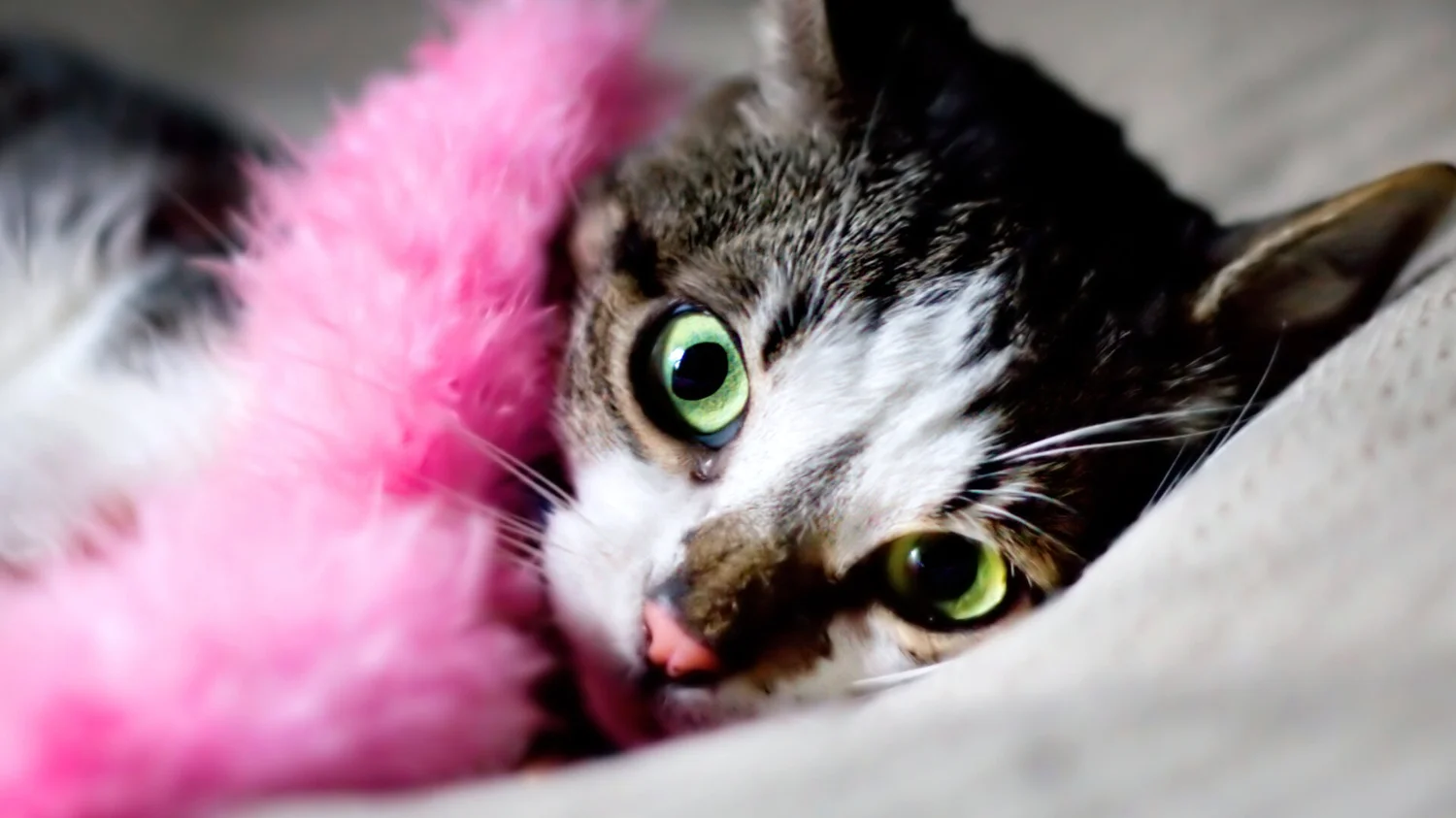
Have you ever heard your cat yowl at his favorite toy and wondered why? It’s a strange sound that can catch you off guard.
You might think something is wrong or your furry friend is upset. But there’s more to this behavior than meets the eye. Understanding why your cat makes these noises can help you connect better with him and keep him happy.
Keep reading to discover the surprising reasons behind your cat’s yowling and what it means for your bond.
Credit: www.youtube.com
Cat Yowling Behavior
Understanding your cat’s yowling behavior can help you connect better with your furry friend. When your cat yowls at his favorite toy, it’s not just noise—it’s a form of communication. Paying attention to this behavior can reveal what your cat is feeling or trying to tell you.
Common Cat Vocalizations
Cats use a variety of sounds to express themselves. Meows are often directed at humans, while purrs usually show contentment. Hisses and growls signal discomfort or fear, but yowling stands out as a louder, more intense vocalization.
You might notice your cat yowling when he’s excited, frustrated, or even seeking attention. Some cats yowl during play because they’re channeling their hunting instincts. It’s a way to express enthusiasm or to tell you that the toy has caught their interest.
What Yowling Means
Yowling can mean different things depending on the situation. If your cat yowls at his favorite toy, he might be trying to communicate a mix of excitement and frustration. Maybe he wants you to join in the fun or is telling you the toy needs a turn.
Sometimes, yowling signals that your cat feels possessive or is asserting dominance over the toy. Other times, it’s a call for interaction or even a sign of anxiety. Consider your cat’s body language—are his ears forward, or is he tense? This can help you understand his mood better.
Have you ever noticed if your cat’s yowling changes with different toys or times of day? Paying close attention to these details can help you respond in ways that make your cat feel understood and happy.
Emotional Attachment To Toys
Have you noticed your cat yowling at a specific toy and wondered why? Cats can form strong emotional bonds with their favorite toys, much like humans do with cherished objects. This connection often turns toys into more than just playthings—they become sources of comfort and security.
Toys As Comfort Objects
Your cat may see their favorite toy as a safe companion. It can provide a sense of familiarity in an ever-changing environment. When your cat yowls at this toy, it might be expressing a need for comfort or attention related to that attachment.
Think about how some cats will carry around a soft toy or knead it like a blanket. These behaviors show that the toy helps them feel calm and protected, especially during stressful moments like loud noises or when they’re alone.
Signs Of Toy Attachment
Recognizing if your cat is emotionally attached to a toy is easier than you might think. Look for these signs:
- Repeatedly bringing the toy to you or to a favorite resting spot
- Vocalizing or yowling when the toy is out of reach
- Grooming or cuddling with the toy as if it were another pet
- Displaying protective behavior when others approach the toy
Have you ever tried removing the toy briefly to see how your cat reacts? Their response can reveal just how important that object is to them emotionally. Understanding this attachment helps you support your cat’s emotional well-being better.
Hunting Instincts And Play
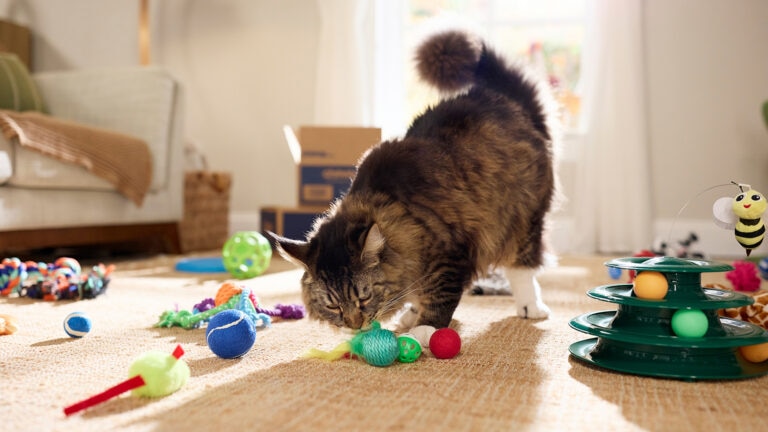
Cats have strong hunting instincts that influence their play behavior. Their favorite toys often mimic prey, sparking natural hunting actions. Playtime is not just fun; it satisfies these instincts. Yowling can be part of this complex interaction, reflecting excitement or communication during play.
Simulating Prey Interaction
Toys imitate small animals like mice or birds. Cats stalk, pounce, and bite the toy as if it were real prey. This simulation helps sharpen their hunting skills. The yowl may show intense focus or thrill during this chase. It keeps their mind and body active.
Yowling As Communication
Yowling can signal different feelings during play. It might express excitement or frustration. Sometimes, cats use yowls to invite you to join the game. Other times, it marks their claim over the toy. This vocalization is part of their natural behavior and helps them express emotions.
Credit: www.chewy.com
Seeking Attention
When your cat yowls at their favorite toy, it might be more than just random noise. Often, this vocalization is their way of seeking attention from you. Cats quickly learn that yowling can spark your interest and encourage interaction, especially when it involves something they cherish.
Cats Using Yowls To Engage Owners
Your cat’s yowl is a clear signal that they want you to notice them. Unlike simple meows, yowls are louder and more persistent, showing urgency. This behavior often happens near their favorite toy because they want you to join the fun or acknowledge their presence.
Think about the last time your cat yowled while holding a toy. Did you respond by picking it up or playing along? Cats are smart; they use this tactic to get you involved, turning a quiet moment into a shared experience.
Encouraging Playtime Responses
Your cat’s yowling is a call for play. They want you to pick up that toy and engage in a game. This vocalization often comes after a period of boredom or when they feel a little lonely.
Try responding to your cat’s yowl by moving the toy or tossing it gently. You’ll likely see an immediate change in their mood—they’ll become more animated and eager to interact. This back-and-forth communication strengthens your bond and keeps your cat mentally and physically active.
Stress And Anxiety Triggers
Cats may yowl at their favorite toy due to excitement or frustration. This behavior can also signal a hunting instinct. Understanding these triggers helps in managing your cat’s stress and anxiety effectively.
Cats often yowl at their favorite toys due to stress and anxiety. This behavior can be puzzling for pet owners. Understanding the triggers helps in addressing the issue. Stressful situations can make cats vocalize more. Sometimes, their beloved toys become a source of anxiety. Recognizing these signs is crucial for a happier pet.Changes In Environment
Changes in the environment can stress cats. Moving to a new home, rearranging furniture, or new family members can upset them. Such changes disturb their sense of security. Cats are creatures of habit. They thrive in stable environments. Sudden changes can cause anxiety, leading to yowling.Toy-related Stress Signals
Cats show stress through different signals. Yowling at toys is one sign. Other signs include swatting or avoiding the toy. Cats might hiss or growl at it. These signals indicate that the toy causes discomfort. The toy might remind them of a stressful event. Observing these signals helps in understanding their needs better. Recognizing these signs aids in creating a calm atmosphere for your cat.
Credit: www.reddit.com
Medical Causes To Consider
Sometimes, your cat’s persistent yowling at a favorite toy might signal more than just playful excitement. Medical issues can cause discomfort or distress linked to the toy, turning what should be fun into a source of pain or anxiety. Recognizing these signs early can save your furry friend from unnecessary suffering.
Pain Or Discomfort Indicators
If your cat yowls when interacting with a specific toy, watch closely for signs of pain. Does your cat avoid using a certain paw or pull away suddenly? These could be clues that the toy is triggering discomfort, especially if it involves biting or clawing.
Sometimes, the toy might accidentally cause minor injuries like scratches or irritations in the mouth or paws. Dental issues, arthritis, or muscle soreness can also make play painful, prompting your cat to vocalize distress. Notice if your cat’s behavior changes during or after playtime—this can hint at underlying problems.
When To Consult A Vet
Ask yourself: Is the yowling a new behavior, or has it increased in intensity? If your cat’s vocalizations are persistent and paired with signs like limping, loss of appetite, or lethargy, it’s time to seek professional advice.
Don’t wait for symptoms to worsen. A vet can perform a thorough exam and may recommend X-rays or dental checks to identify hidden issues. Early intervention can prevent long-term damage and keep your cat’s playtime joyful and pain-free.
Tips To Manage Yowling
Managing your cat’s yowling around favorite toys helps keep playtime fun and calm. Yowling can signal excitement or frustration. Addressing this behavior improves your cat’s mood and your home’s peace. Simple changes in how you play and the environment make a big difference.
Enhancing Play Sessions
Make playtime short but frequent. Cats enjoy bursts of activity over long sessions. Use different toys to keep interest high. Rotate toys to avoid boredom. Engage your cat with interactive toys like wand teasers. Let your cat catch the toy sometimes to feel rewarded. End play on a positive note to avoid frustration.
Reducing Stress Factors
Identify and remove things that stress your cat. Loud noises and sudden changes cause anxiety. Create a quiet, safe space for your cat to relax. Keep feeding, play, and sleep times consistent. Provide scratching posts and cozy hideouts. Use calming products like pheromone diffusers if needed. A calm cat is less likely to yowl at toys.
Frequently Asked Questions
Why Does My Cat Yowl At His Favorite Toy?
Cats may yowl at toys to express excitement or frustration. It can indicate they want to play more or feel possessive. Sometimes, yowling mimics hunting behavior, showing engagement with the toy as if it were prey.
Is Yowling At Toys A Sign Of Stress?
Occasional yowling at toys is usually normal and playful. However, constant loud yowling could indicate stress or anxiety. Monitor your cat’s behavior and environment to rule out any underlying issues.
Can Yowling Mean My Cat Wants Attention?
Yes, cats often yowl to get their owner’s attention. Yowling at a favorite toy might mean your cat wants you to play or interact. Responding with playtime can strengthen your bond.
Does My Cat Yowl Because Of Boredom?
Cats may yowl at toys out of boredom or lack of stimulation. Providing varied toys and play sessions can reduce yowling. Mental and physical enrichment keeps your cat happy and engaged.
Conclusion
Cats yowl at their favorite toys to show excitement or ask for attention. This behavior helps them communicate their feelings clearly. Sometimes, they want to play more or feel a little lonely. Understanding your cat’s yowl can strengthen your bond.
Watch their actions and respond with love and patience. Your cat’s voice tells a story worth listening to. Keep toys fresh and play often to keep them happy. Small efforts make a big difference in your cat’s life.




Leave a Reply