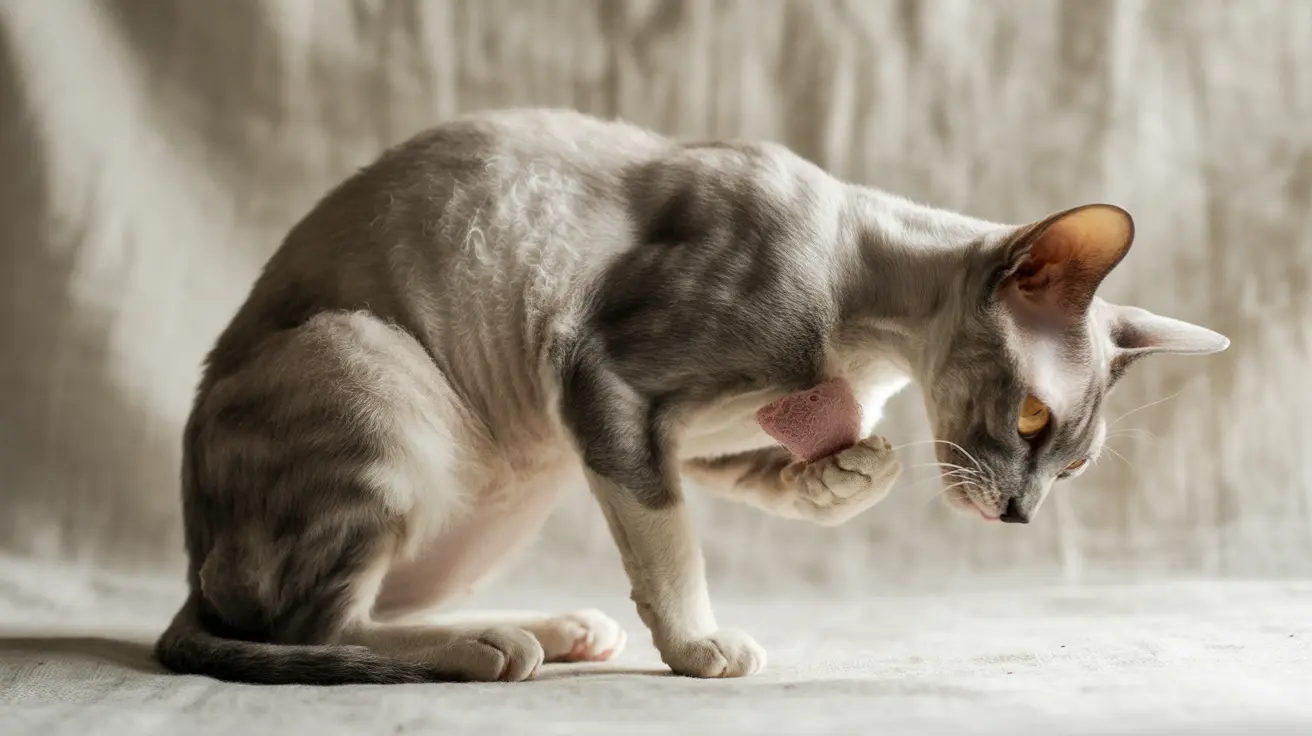
Have you noticed your cat licking or biting its fur more than usual? If your furry friend is over grooming itself, it might seem harmless at first, but it could be a sign that something is wrong.
You want your cat to be happy and healthy, and understanding why this behavior happens is the first step. Keep reading to discover the surprising reasons behind your cat’s over grooming and what you can do to help your beloved pet feel better.

Credit: www.purina.com
Signs Of Over Grooming
Signs of over grooming in cats can be subtle at first. Early detection helps prevent skin damage and infections. Watch for physical and behavioral clues. These signs reveal your cat’s discomfort or stress.
Common Symptoms
- Patchy hair loss in spots or large areas
- Red, irritated, or scabbed skin
- Constant licking or biting of the same area
- Dry or flaky skin around groomed spots
- Visible wounds or sores from excessive grooming
These symptoms show your cat is grooming too much. Notice if the behavior continues for days or weeks.
Behavioral Changes
- Restlessness or pacing more than usual
- Hiding or avoiding interaction with people
- Increased scratching or grooming after stressful events
- Loss of appetite or changes in eating habits
- Unusual aggression or irritability
Behavior shifts often happen alongside over grooming. Stress or discomfort can cause these changes.
Credit: www.preventivevet.com
Medical Causes
When your cat suddenly starts over grooming itself, it’s easy to assume it’s just a quirky behavior. But often, underlying medical causes are driving this excessive licking or biting. Understanding these medical reasons can help you act quickly and get your furry friend the relief it needs.
Skin Allergies
Skin allergies are a common cause of over grooming. Cats can react to food, environmental allergens like pollen, or even household chemicals. You might notice redness, bumps, or scabs where your cat licks the most.
Have you checked if your cat’s diet or surroundings have changed recently? Sometimes, switching to a hypoallergenic diet or eliminating irritants from their environment can ease the problem.
Parasites And Infections
Fleas, mites, and other parasites cause intense itching and discomfort. Even if you don’t see them, these tiny invaders can trigger relentless scratching and grooming. Bacterial or fungal infections can also irritate your cat’s skin and lead to over grooming.
Regular parasite prevention treatments are crucial. If you notice hair loss or open sores, a vet visit is necessary to identify and treat infections promptly.
Pain And Discomfort
Sometimes, grooming is a response to pain rather than itchiness. Injuries, arthritis, or internal discomfort can cause your cat to focus grooming on a specific area. This behavior often looks obsessive and can worsen the affected spot.
Observe if your cat favors certain movements or avoids using a limb. Sharing these details with your vet can help uncover hidden pain sources and guide effective treatment.
Environmental Triggers
Environmental triggers often play a big role in why your cat might over groom itself. Changes in their surroundings or daily life can create stress and discomfort, leading to this behavior. Understanding these triggers can help you spot the cause and make your cat feel more at ease.
Stress And Anxiety
Stress can come from many places—loud noises, new pets, or unfamiliar visitors. Your cat might not show obvious signs, but over grooming is a hidden way they cope with anxiety.
Think about a time your cat started licking excessively after a thunderstorm or a move. That repetitive grooming helps them feel calm, but too much can harm their skin and fur. How can you reduce stress in your cat’s environment? Try creating a quiet, safe space with familiar scents and toys.
Changes In Routine
Cats thrive on routine. Even small changes like a new feeding time or rearranged furniture can unsettle them. When their daily pattern shifts, over grooming can be a reaction to the uncertainty.
Consider how your cat reacted when you started working from home or had guests over regularly. These disruptions can cause your cat to lick obsessively as a way to regain control. Maintaining a consistent schedule can help your cat feel grounded and reduce over grooming.
Lack Of Stimulation
Boredom is more powerful than many realize. Without enough playtime or mental challenges, your cat might turn to over grooming to fill the gap. It’s their way of keeping busy when nothing else excites them.
I once had a cat who over groomed during winter months when outdoor time was limited. Adding puzzle feeders and interactive toys made a noticeable difference. Does your cat have enough outlets for energy and curiosity? Adding play sessions can redirect their focus away from excessive licking.
Behavioral Factors
Behavioral factors often play a significant role in why your cat might be over grooming itself. Unlike physical causes, these behaviors stem from your cat’s mental and emotional state. Understanding these reasons can help you address the root of the problem and improve your cat’s overall well-being.
Compulsive Grooming
Compulsive grooming is a repetitive behavior that cats use to soothe anxiety or stress. It can look like your cat is stuck in a loop, licking the same spot over and over. If you notice bald patches or red, irritated skin, compulsive grooming might be the cause.
Think about times when your cat might have experienced sudden changes—new pets, moving homes, or loud noises. These situations can trigger compulsive grooming as a coping mechanism. Watching your cat’s behavior closely can reveal patterns that point to stress-related grooming.
Boredom And Attention Seeking
Sometimes, your cat grooms excessively simply because it has nothing better to do. Cats need mental and physical stimulation, and without enough play or interaction, they may start over grooming as a way to pass time.
If you find your cat following you around or grooming more when you’re busy or away, it could be a plea for attention. Adding new toys, interactive play sessions, or even a companion might reduce this behavior. What activities can you add to keep your cat engaged and happy?
Diagnosis Methods
Observing your cat’s grooming habits can offer clues. Check for skin irritations or fleas. Monitor their environment for stressors. Consulting a vet can provide insights and rule out health issues.
Understanding why your cat is over-grooming can be a puzzling task. It requires a careful blend of veterinary insights and behavioral observations. Using the right diagnosis methods is crucial to pinpoint the root cause and provide your feline friend with the relief they need. Let’s explore some effective ways to diagnose this issue.Veterinary Examination
A professional veterinary examination is often the first step in identifying the cause of your cat’s over-grooming. During this check-up, the vet will look for any signs of skin infections, parasites, or other health issues. They might also ask about your cat’s diet and recent changes in their environment. Regular visits to the vet can catch potential health problems early. Consider how your cat’s behavior or appearance has changed, and discuss these observations with your vet. This collaborative approach can be key to finding a solution.Allergy Testing
Allergies can be a hidden culprit behind excessive grooming. Allergy testing helps determine if your cat is reacting to something in their diet or environment. The vet may conduct blood tests or elimination diets to identify allergens. Think about recent changes in your cat’s diet or household products. Have you introduced new cleaning agents or foods? These could be triggering your cat’s allergies and subsequent grooming frenzy.Behavioral Assessment
Sometimes, over-grooming isn’t about physical health but rather emotional well-being. A behavioral assessment can reveal if stress or anxiety is the underlying cause. Your vet might ask about changes in your home, like new pets or family members. Observe your cat’s grooming habits closely. Do they groom more when you’re away or during specific times of day? Understanding these patterns can help address any emotional triggers. Engaging in these diagnosis methods not only helps your cat but also strengthens your bond. It’s a journey of discovery that ensures your feline companion leads a happy, healthy life.
Credit: pennypaws.com
Treatment Options
Finding out why your cat is over grooming is just the first step. The real challenge lies in choosing the right treatment to help them feel comfortable again. Treatment options vary depending on the cause, so you’ll want to understand what’s available and how each can support your cat’s recovery.
Medications And Topicals
Sometimes, your cat’s over grooming is linked to allergies, infections, or parasites. In these cases, your vet may recommend medications like antihistamines, antibiotics, or anti-parasitic treatments.
Topical creams or sprays can soothe irritated skin and reduce itching. It’s important to follow your vet’s instructions closely to avoid side effects and ensure your cat’s comfort.
Have you noticed if your cat’s itching worsens at certain times? Tracking this can help your vet decide on the best medication plan.
Behavioral Therapy
Over grooming can be a sign of stress or anxiety in your cat. Behavioral therapy aims to reduce these triggers by changing how your cat responds to their environment.
Techniques may include positive reinforcement, gentle distractions, or even consulting a professional animal behaviorist. Remember, patience is key—behavioral changes take time but can be very effective.
Think about what recently changed in your home. Could that be affecting your cat’s behavior?
Environmental Enrichment
Many cats groom excessively out of boredom or frustration. Adding new toys, scratching posts, or interactive playtime can reduce this behavior.
Try rotating toys regularly and providing puzzle feeders to keep your cat mentally stimulated. Even simple changes like a window perch can offer new sights and sounds.
Have you tried observing your cat’s favorite activities? This insight can help you tailor the environment to their needs and cut down on over grooming.
Preventing Over Grooming
Preventing over grooming in cats is essential to keep their skin healthy and their behavior balanced. Over grooming often signals an underlying issue, and addressing it early can save your cat from discomfort and potential medical problems. Taking proactive steps helps you create a comfortable environment where your cat feels secure and happy.
Regular Vet Check-ups
Regular vet visits are key to spotting health problems that might cause over grooming. Skin infections, allergies, or parasites can irritate your cat, leading to excessive licking or scratching. A vet can diagnose these issues early and recommend effective treatments.
Have you noticed your cat licking a spot more than usual? Don’t wait for the problem to worsen—schedule a check-up. Routine health screenings also catch hidden problems like hormonal imbalances that affect your cat’s skin and coat.
Stress Reduction Techniques
Stress often triggers over grooming, but you can reduce it by creating a calm space for your cat. Try using pheromone diffusers or playing soft music to soothe your pet during stressful times. Even simple changes like providing hiding spots or quiet areas can make a big difference.
Consider your cat’s daily routine—is there anything new or unsettling? Cats thrive on predictability, so keeping feeding and playtimes consistent helps lower anxiety. Sometimes, you might need to watch for subtle signs of stress, like changes in appetite or sleep, to act before over grooming starts.
Engaging Activities
Keeping your cat mentally and physically active reduces boredom, a common cause of over grooming. Interactive toys, puzzle feeders, and regular play sessions keep your cat’s mind busy and their paws moving. This not only distracts them from licking but also strengthens your bond.
What activities does your cat enjoy most? Tailoring playtime to their preferences encourages participation and satisfaction. Even a few minutes of focused play several times a day can help prevent the urge to over groom.
Frequently Asked Questions
Why Is My Cat Over Grooming Itself Frequently?
Cats over groom due to stress, allergies, or skin infections. Over grooming can signal discomfort or anxiety. Identifying the cause helps in proper treatment and comfort for your cat.
Can Allergies Cause My Cat To Over Groom?
Yes, allergies often cause itching and irritation. Cats groom excessively to relieve the discomfort. Common allergens include food, fleas, and environmental factors.
Is Stress A Reason For Cat Over Grooming?
Stress is a common reason for over grooming in cats. Changes in environment, new pets, or loud noises can trigger stress. Managing stress can reduce over grooming behavior.
When Should I See A Vet For Over Grooming?
Visit a vet if your cat has bald spots or skin wounds. Persistent over grooming may indicate medical issues needing professional diagnosis. Early vet care prevents worsening conditions.
Conclusion
Cats over grooming can signal stress or health problems. Watch your cat’s behavior closely. Try to reduce stress and keep its environment calm. A vet visit helps find any skin or allergy issues. Early care stops more serious problems later.
Your cat’s comfort and happiness matter most. Taking action shows you care. Keep your cat healthy and loved every day.




Leave a Reply