
Are you thinking about bringing a cat into your home but worried about letting them outside? Choosing the right breed can make all the difference.
Some cats thrive perfectly indoors and don’t need to roam outside at all. Knowing which cat breeds are strictly indoor can keep your furry friend safe, happy, and healthy. You’ll discover the best indoor-only cats and why they suit indoor living so well.
Keep reading to find the perfect companion that fits your lifestyle and home.
Benefits Of Indoor Cats
Keeping your cat indoors offers many benefits that go beyond just preventing them from wandering outside. It creates a controlled environment where you can ensure their comfort and safety. Let’s dive into some key advantages that might make you reconsider letting your feline friend roam freely.
Health Advantages
Indoor cats are less exposed to infectious diseases like feline leukemia and parasites such as ticks and fleas. You reduce the chance of injuries from fights with other animals or accidents like traffic. Plus, you can monitor their diet and weight more easily, helping prevent obesity and related health problems.
One cat owner noticed a big drop in vet visits after switching to a fully indoor lifestyle for her cat. Could keeping your cat indoors be the simplest way to protect their health?
Safety And Security
Inside your home, your cat avoids dangers like predators, poisonous plants, and harmful chemicals. You also protect them from getting lost or stolen, which is a real concern in some neighborhoods. This secure setting lets your cat relax and feel safe, encouraging a trusting bond between you and your pet.
Think about the last time your cat startled at a loud noise outdoors. How much calmer would they be in a quiet, familiar space?
Longevity And Well-being
Indoor cats often live longer because they face fewer risks and stressors. A stable routine helps them thrive emotionally and physically, reducing anxiety and behavioral issues. You can enrich their environment with toys and climbing spaces, keeping them active and mentally sharp.
Have you ever seen a cat enjoy a sunny window perch or chase a feather toy indoors? These small joys contribute greatly to their happiness and lifespan.

Credit: www.oakleighcentralvet.com.au
Traits Of Ideal Indoor Cats
Choosing the right cat breed for an indoor lifestyle means looking beyond just appearance. You need a cat whose traits match well with living inside. Understanding the key characteristics of ideal indoor cats can save you from future stress and keep your furry friend happy.
Temperament And Activity Levels
Indoor cats should have a calm and friendly temperament. High-energy cats might feel frustrated without outdoor space, leading to behavioral issues. Look for breeds that enjoy quiet play and bonding moments, such as the British Shorthair or Ragdoll.
Does your home have children or other pets? Some cats are more social and tolerant, which helps in multi-pet households. Others prefer solitude and less stimulation, so knowing your cat’s personality helps tailor their indoor environment.
Adaptability To Indoor Life
Some breeds adjust easily to indoor life, while others struggle without outdoor exploration. Cats like the Scottish Fold or Persian often adapt well because they are naturally more relaxed and less curious about wandering.
Consider how your cat deals with change and confinement. Have you noticed how some cats handle vet visits or car rides better than others? Those who cope well with new situations usually find indoor living less stressful.
Grooming Needs
Indoor cats still need regular grooming, but some breeds require more attention. Long-haired cats like the Maine Coon demand frequent brushing to avoid mats and hairballs. Short-haired cats typically need less grooming, making them easier to maintain inside.
Ask yourself how much time you can dedicate to grooming. This daily care also offers a chance to bond and check for health issues early. Your commitment to grooming can directly impact your cat’s comfort and happiness indoors.
Top Cat Breeds For Indoor Living
Choosing a cat breed that thrives indoors ensures a happy, healthy pet. Some breeds adapt better to indoor life due to their calm nature and grooming needs. These cats enjoy quiet environments and less active lifestyles. They form strong bonds with their owners and prefer cozy spaces. Understanding which breeds fit indoor living helps in making the right choice for your home.
Persian Cats
Persian cats have long, luxurious fur that requires regular grooming. They prefer calm surroundings and low activity levels. Persians love to lounge and enjoy gentle play. Their sweet and quiet nature makes them perfect for indoor life. They do not tolerate rough handling well, so a peaceful home suits them best.
Ragdoll Cats
Ragdolls are known for their gentle and relaxed personality. They often go limp when held, showing trust and calmness. These cats enjoy spending time with their humans and are very affectionate. Ragdolls adapt well to indoor living and rarely show aggressive behavior. Their medium-long fur needs regular brushing to prevent mats.
British Shorthair Cats
British Shorthairs are sturdy and calm cats with plush coats. They enjoy moderate play but mostly prefer resting and observing. Their easygoing temperament makes them great indoor companions. These cats are low-maintenance with short fur that needs minimal grooming. They adapt well to apartment living and small spaces.
Scottish Fold Cats
Scottish Folds are famous for their folded ears and round faces. They have a gentle, sweet personality that suits indoor life. These cats enjoy human company and are not very active. Their medium fur requires occasional brushing to stay healthy. Scottish Folds appreciate a calm and safe environment indoors.
Sphynx Cats
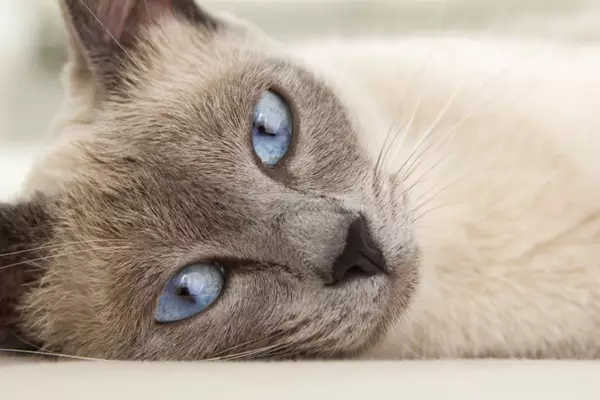
Sphynx cats stand out due to their hairless bodies and large ears. They are very social and love being close to people. Their lack of fur means they need warm indoor environments. Sphynx cats require regular skin cleaning to remove oils. They are playful and curious but prefer staying inside where it is safe.
Credit: bowwowinsurance.com.au
Creating A Cozy Indoor Environment
Creating a cozy indoor environment is essential for cats that live strictly inside. Your cat’s comfort and happiness depend on how well you set up their space. This means more than just providing a bed—it’s about making a safe, stimulating, and nurturing home.
Safe Spaces And Hiding Spots
Cats need places where they can retreat and feel secure. Think about adding small cat caves, boxes, or even a quiet corner with soft blankets. These spots help reduce stress and give your cat control over their surroundings.
Have you noticed how your cat disappears behind the couch or under the bed? Those natural hiding instincts are important. Giving them dedicated safe spaces helps prevent anxiety and keeps them relaxed.
Interactive Toys And Entertainment
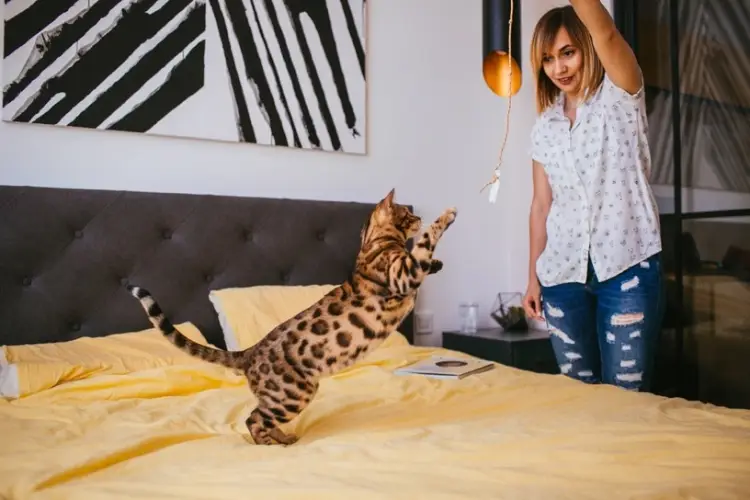
Boredom can lead to unwanted behavior, so keeping your cat entertained is key. Toys that mimic prey, like feather wands or laser pointers, engage their hunting instincts and provide exercise.
Consider puzzle feeders or treat-dispensing toys to challenge their minds. Even simple DIY options, like crumpled paper balls or cardboard tunnels, can brighten their day.
How often do you spend playtime with your cat? Interactive play not only stimulates your pet but also strengthens your bond.
Proper Nutrition And Hydration
Your cat’s diet directly affects their energy and mood. Provide fresh water at all times, and consider water fountains to encourage drinking, as many cats prefer running water.
Feed a balanced diet suited to your cat’s age and health needs. Some breeds, especially indoor ones, may require fewer calories but higher nutrients to stay healthy without outdoor exercise.
Have you checked if your cat is drinking enough water lately? Small changes like adding wet food can increase hydration and improve overall well-being.
Common Challenges With Indoor Cats
Indoor cats often face boredom and lack of exercise, which can lead to health problems. Certain breeds, like the Persian and Scottish Fold, thrive best indoors due to their calm nature and sensitivity to outdoor dangers. Choosing the right breed helps ensure a happy, healthy pet.
Indoor cats bring a unique set of challenges for their owners. These furry companions, while safe from the dangers of the outside world, require special attention to ensure their well-being and happiness. Balancing their mental and physical health can sometimes feel like a juggling act. Let’s explore some common challenges you might face with indoor cats and how to tackle them effectively.Preventing Boredom
Boredom is a real issue for indoor cats. Without the natural stimulation of the outdoors, they can become restless or even destructive. Enrich their environment with toys, scratching posts, and climbing structures. Rotate toys regularly to keep them interested. You might even consider hiding treats around the house to engage their natural hunting instincts. Interactive playtime is crucial. Dedicate time each day to play with your cat. Use feather wands or laser pointers to mimic prey. This not only combats boredom but strengthens your bond with them. Ever noticed how your cat perks up when you crinkle a paper ball? Use these little insights to keep them engaged.Managing Litter Box Issues
Litter box problems are a common headache for cat owners. Cats are particular about their bathroom habits. Ensure the litter box is clean and placed in a quiet, accessible area. Choose the right type of litter that your cat prefers. If your cat avoids the litter box, it might be signaling stress or health issues. Pay attention to any changes in behavior or litter habits. Switching the location or type of litter might just solve the issue. Remember, patience and observation are key.Maintaining Physical Health
Physical health is as important for cats as it is for humans. Without outdoor exercise, indoor cats can become prone to obesity. Encourage physical activity with toys that promote running and jumping. Regular vet check-ups are essential. Monitor their diet and ensure they are eating the right amount. A healthy balance of diet and exercise keeps them fit and happy. Ask yourself, is your cat getting enough playtime each day? Small changes can lead to big improvements in their health.Tips For Transitioning Cats Indoors
Moving your cat to an indoor lifestyle can feel challenging at first. Cats are creatures of habit, and sudden changes might stress them out. Yet, with the right approach, you can help your furry friend adjust comfortably and even enjoy their new indoor world.
Gradual Introduction
Start by slowly limiting your cat’s outdoor access rather than cutting it off abruptly. Spend time with your cat near windows or on a secured balcony to keep them connected with the outside world. This gentle shift helps reduce anxiety and makes the indoor environment feel less confining.
Try bringing familiar outdoor scents inside by placing some grass or leaves in their play area. These small touches create a comforting bridge between their old habits and new surroundings.
Environmental Enrichment
Keep your cat mentally and physically active by adding toys, scratching posts, and climbing structures indoors. Rotate toys regularly to keep their interest alive. Think about setting up a cozy perch near a sunny window where your cat can watch birds safely from inside.
Consider interactive toys or puzzle feeders that challenge your cat’s hunting instincts. This not only entertains them but also helps prevent boredom and destructive behavior.
Monitoring Behavior Changes
Watch for signs of stress such as hiding, excessive grooming, or loss of appetite. These can indicate your cat is struggling to adapt. Keep a journal of their eating, sleeping, and activity patterns during the transition phase.
If you notice persistent changes, consult your vet to rule out medical issues or discuss calming aids. Remember, patience is key—your cat’s comfort and well-being come first.
Credit: www.webbox.co.uk
Frequently Asked Questions
Which Cat Breeds Are Best Kept Strictly Indoors?
Breeds like the Scottish Fold, Ragdoll, and Persian thrive indoors. They prefer controlled environments to stay safe and healthy. Indoor living prevents injuries, diseases, and accidents common outside. These breeds enjoy human interaction and a calm, cozy home atmosphere.
Why Are Some Cat Breeds Suited Only For Indoors?
Certain breeds have fragile health or calm temperaments. Indoor living protects them from outdoor dangers like traffic and predators. These cats often lack hunting instincts, making outdoor life stressful or unsafe. Their coats and physical traits also require controlled environments.
How Does Indoor Living Benefit Specific Cat Breeds?
Indoor cats avoid parasites, infectious diseases, and injuries. Controlled settings reduce stress for sensitive breeds. They receive consistent nutrition and care, improving longevity. Indoor living also prevents unwanted breeding and protects local wildlife from predation.
Are Indoor-only Cat Breeds Less Active Than Others?
Many indoor breeds have moderate activity levels suited for home life. They enjoy playtime and interaction but don’t need outdoor roaming. Their energy is channeled into toys and exercise within safe spaces. This lifestyle keeps them healthy and mentally stimulated.
Conclusion
Choosing a strictly indoor cat breed keeps your pet safe and healthy. These cats enjoy cozy homes without the dangers outside. They need attention, toys, and playtime to stay happy. Indoor cats often live longer and avoid many risks. Think about your lifestyle and space before picking a breed.
A calm indoor cat fits well in apartments or small homes. Caring well helps your cat thrive indoors. Keep your furry friend safe inside for many joyful years.




Leave a Reply