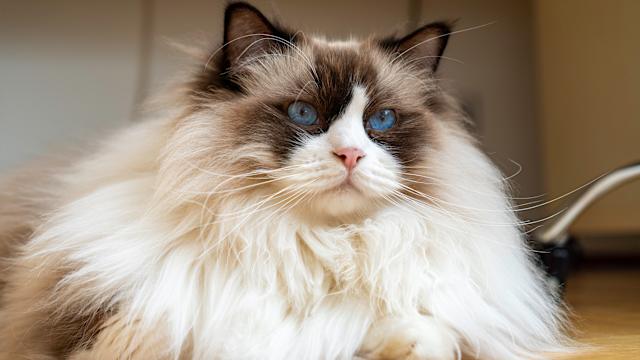
Have you ever wondered which cat breed spends the most time grooming itself? If you’re curious about your feline friend’s cleaning habits or thinking about adopting a cat that keeps itself spotless, this is the place to find out.
Understanding which cats groom the most can help you better care for your pet and keep your home tidy. Keep reading to discover surprising facts about the most meticulous cat breeds and how their grooming habits might affect your daily routine.
Top Grooming Cat Breeds
Some cat breeds demand more grooming than others, not just because of their coat type but also due to their natural habits and skin care needs. Knowing which breeds require more attention can help you prepare for the time and effort you’ll invest in keeping your feline friend healthy and comfortable. Let’s look at some top grooming cat breeds that might surprise you with their unique needs.
Sphynx: The Naked Groomer
The Sphynx might not have fur, but it’s far from low-maintenance. Without hair to absorb oils, their skin gets oily quickly, making regular baths essential. If you’ve ever felt their warm, suede-like skin, you’ll know why gentle cleaning is a must.
You’ll need to wipe their skin regularly and keep an eye on ear wax buildup, which happens faster than in furred cats. Are you ready to add bath time to your routine for a hairless companion?
Siamese: Sleek And Self-cleaning
Siamese cats have short, fine coats that look glossy with minimal effort. Their grooming is mostly self-managed, thanks to their frequent licking. However, weekly brushing helps keep their coat shiny and reduces shedding.
Don’t underestimate their grooming habits; Siamese cats often obsessively clean themselves, which can sometimes lead to dry skin. Adding a bit of extra care can keep their coat soft and skin healthy.
Oriental Shorthair: Short Hair, High Grooming
The Oriental Shorthair shares a similar coat with the Siamese but often requires a bit more attention. Their short hair can reveal skin issues more easily, so regular grooming helps you spot problems early. Brushing once or twice a week removes loose hairs and stimulates the skin.
Since they are active and social, grooming sessions double as bonding time. Have you noticed how these cats often seem to enjoy the extra attention?
Burmese: Glossy Coats And Clean Habits
Burmese cats boast a silky, dense coat that shines with minimal care. Their grooming routine is simple but consistent, often involving licking and occasional brushing. This breed’s natural cleanliness means you can focus on maintaining that natural gloss with gentle brushing.
Regular grooming also helps reduce hairballs, a common issue in many cats. Would you consider a Burmese if you want a cat with a manageable yet beautiful coat?
Credit: worldanimalfoundation.org
Factors Affecting Grooming Habits
Understanding what influences a cat’s grooming habits can change how you care for your feline friend. Grooming isn’t just about keeping a cat clean; it’s tied to their coat, personality, and health. Knowing these factors helps you anticipate their grooming needs and keep them comfortable.
Coat Type And Length
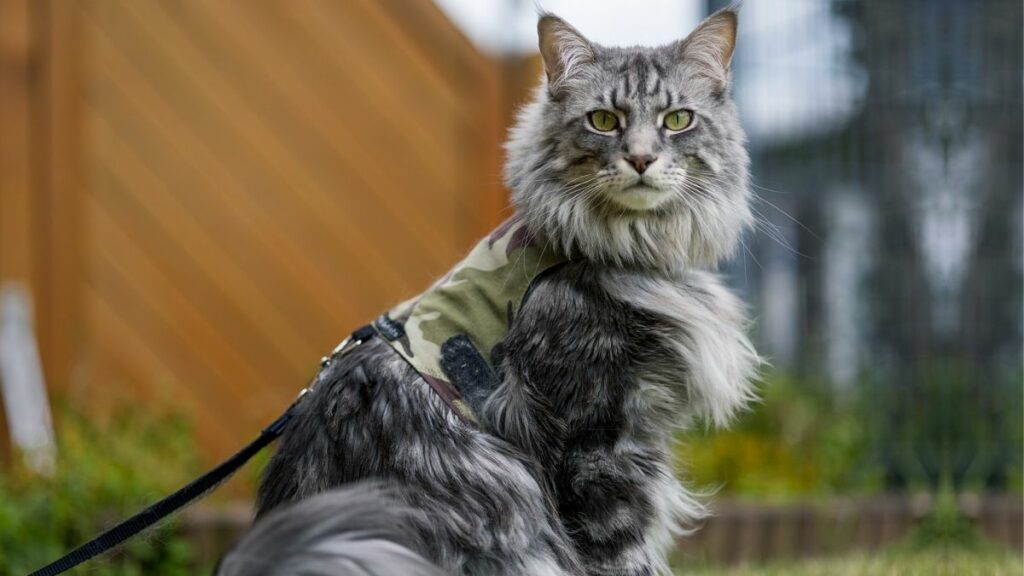
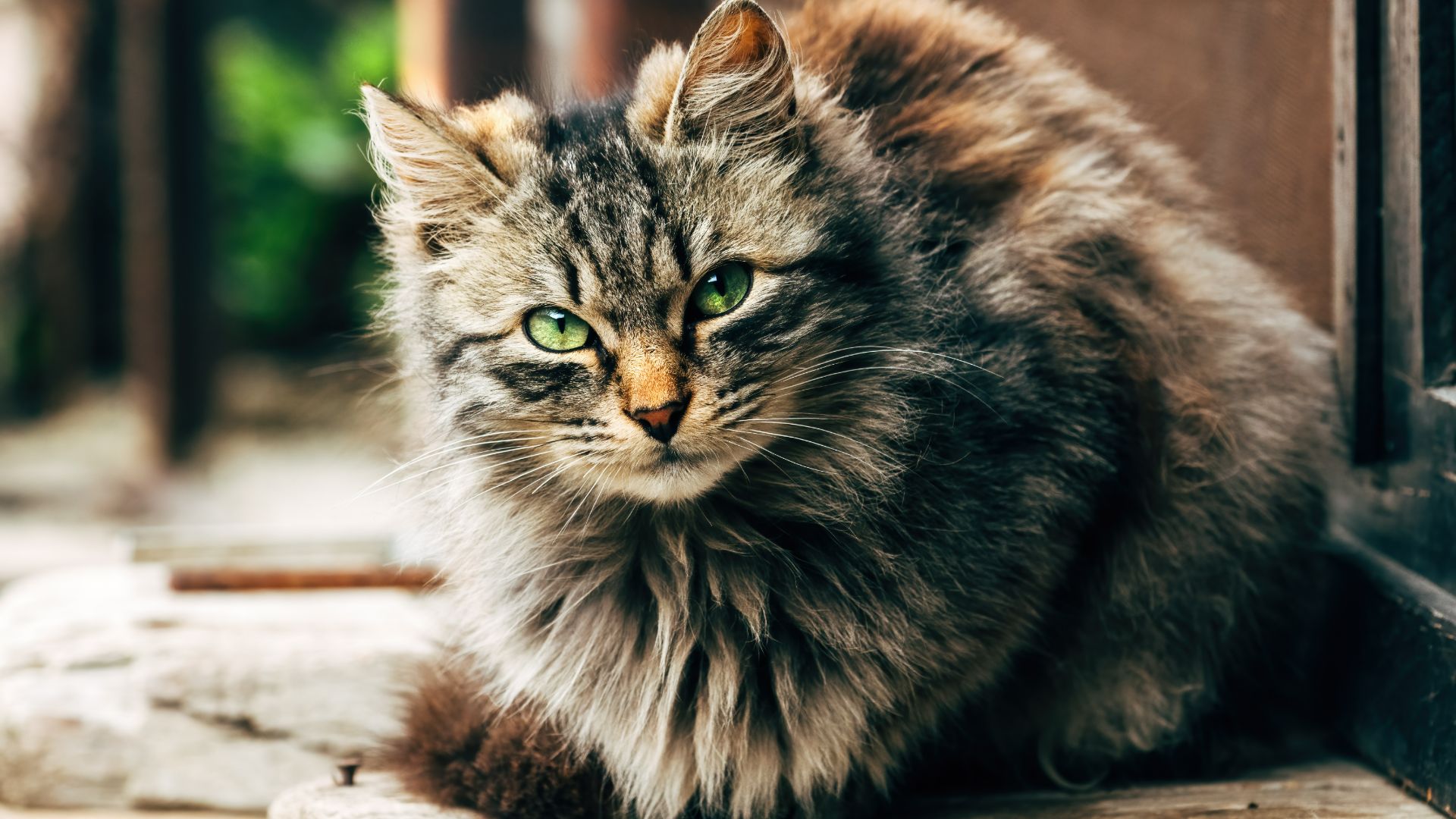
The length and type of your cat’s coat play a big role in how much grooming they do. Long-haired cats like Persians naturally spend more time grooming to prevent mats and tangles. Short-haired breeds groom less frequently but still need regular care to manage shedding.
Think about your own cat’s fur texture. Does it get knotted easily or stay smooth? This affects how often you’ll need to brush them and how much self-grooming they do.
Personality And Activity Level
Not all cats groom equally, even if they share the same breed. Some cats are meticulous groomers, while others are more relaxed or distracted by play and exploration. A highly active cat may groom less often because they’re busy investigating their world.
Have you noticed your cat skipping grooming after a big play session? That’s normal. Their mood and energy levels influence how much time they spend cleaning themselves.
Health And Age Influences
As cats age, their grooming habits often change. Older cats or those with arthritis may find it harder to reach all parts of their body. This can lead to less frequent grooming and a need for your help with brushing and cleaning.
Health problems like skin conditions or dental pain can also decrease grooming. If your cat suddenly stops grooming as much, it could signal discomfort or illness, and a vet check might be necessary.
How Grooming Benefits Cats
Grooming plays a vital role in keeping your cat healthy and happy. It’s more than just a way to keep their fur shiny—it directly impacts their overall well-being. Let’s look at how regular grooming benefits cats in key areas.
Skin Health And Shedding Control
Brushing your cat regularly helps remove loose fur and prevents painful mats from forming. This reduces shedding around your home and keeps your cat’s skin clean and free from irritations.
Grooming also stimulates natural oils in the skin, which keeps their coat smooth and moisturized. Have you noticed how a well-groomed cat seems to have a softer, healthier coat? That’s the result of good skin care through grooming.
Temperature Regulation
Your cat’s fur isn’t just for looks—it helps control their body temperature. Grooming removes excess fur that can trap heat in summer and helps distribute warmth evenly in colder months.
Regular grooming supports this natural process, so your cat stays comfortable no matter the season. Think about how your cat behaves differently in warm and cold weather—grooming helps them adjust smoothly.
Bonding And Stress Relief
Grooming is a chance for you and your cat to connect. Many cats find the gentle brushing relaxing, which can reduce stress and anxiety.
Spending this quiet time together builds trust and strengthens your bond. Have you ever noticed your cat purring while you groom them? That’s a clear sign they’re enjoying the moment.
Grooming Tips For Busy Cat Owners
Keeping a cat well-groomed can be tough for busy owners. Cats need regular care to stay clean and healthy. Small, quick routines help keep your cat comfortable and happy. Grooming does not have to take a lot of time or effort. With the right tips, you can manage grooming even on a tight schedule.
Regular Brushing Techniques
Brushing your cat removes loose fur and dirt. Use gentle strokes in the direction of the fur. Focus on areas where hair mats often form, like behind ears and under the legs. Short daily sessions work better than long, rare ones. Brushing also helps reduce shedding around your home.
Bathing Frequency And Methods
Most cats do not need frequent baths. Bathing every few months is enough unless your cat gets very dirty. Use warm water and mild cat shampoo. Keep the bath short and calm. Rinse thoroughly to avoid skin irritation. Dry your cat with a soft towel afterward to keep them warm.
Tools That Make Grooming Easier
- Soft-bristle brushes for sensitive skin
- Flea combs to catch small debris
- Grooming gloves for quick hair removal
- Deshedding tools to reduce loose fur
- Pet-safe wipes for quick cleanups
Choose tools that fit your cat’s coat type and personality. Keeping grooming tools handy saves time and stress. They make the process smoother and more enjoyable for both of you.
Signs Of Over-grooming And Solutions
Cats are known for their grooming habits. But too much grooming can signal a problem. Over-grooming might lead to hair loss and skin irritation. Understanding its signs and solutions is crucial for your cat’s health.
Identifying Stress-related Grooming
Stress can cause cats to groom excessively. Look for bald patches or irritated skin. Changes in their environment or routine often lead to stress. Pay attention to new furniture, visitors, or changes in daily activities. Identifying these stressors can help reduce over-grooming.
When To Consult A Veterinarian
Consult a vet if grooming leads to skin damage. Persistent over-grooming might indicate health issues. A vet can check for parasites or allergies. They may suggest tests to rule out skin infections. Early intervention can prevent more serious health problems.
Preventing Hairballs And Skin Issues
Hairballs are a common result of over-grooming. Brushing your cat regularly can reduce hair ingestion. Use grooming tools suitable for your cat’s coat type. Provide a balanced diet with fiber to help digestion. Watch for skin redness or sores. Address these quickly to prevent further issues.

Credit: www.happypawsus.com
Credit: www.petsradar.com
Frequently Asked Questions
Which Cat Breed Grooms Itself The Most?
The Siamese cat is known for frequent self-grooming. Its short coat requires regular maintenance. This breed often licks to keep fur clean and shiny.
Why Do Some Cat Breeds Groom More Often?
Cats groom to clean, cool down, and reduce stress. Breeds with short fur groom more often to maintain skin health. Grooming habits vary by breed, personality, and environment.
How Does Grooming Differ Between Long And Short-haired Cats?
Long-haired cats need more grooming from owners due to tangles. Short-haired cats groom themselves more frequently to keep fur smooth. Grooming time depends on coat length and texture.
Can Excessive Grooming Indicate Health Problems In Cats?
Yes, excessive grooming may signal allergies, parasites, or stress. If grooming causes bald spots or sores, consult a vet. Monitoring grooming helps detect health issues early.
Conclusion
Some cat breeds groom themselves more often than others. Long-haired cats usually spend more time cleaning. Short-haired cats groom too, but less frequently. Grooming keeps cats healthy and comfortable. It also helps reduce shedding and hairballs. Knowing which breeds groom most helps you care better.
Choose a cat breed that fits your lifestyle. Remember, every cat is unique and special. Grooming habits can vary even within a breed. Pay attention to your cat’s needs daily. This keeps your furry friend happy and clean.




Leave a Reply