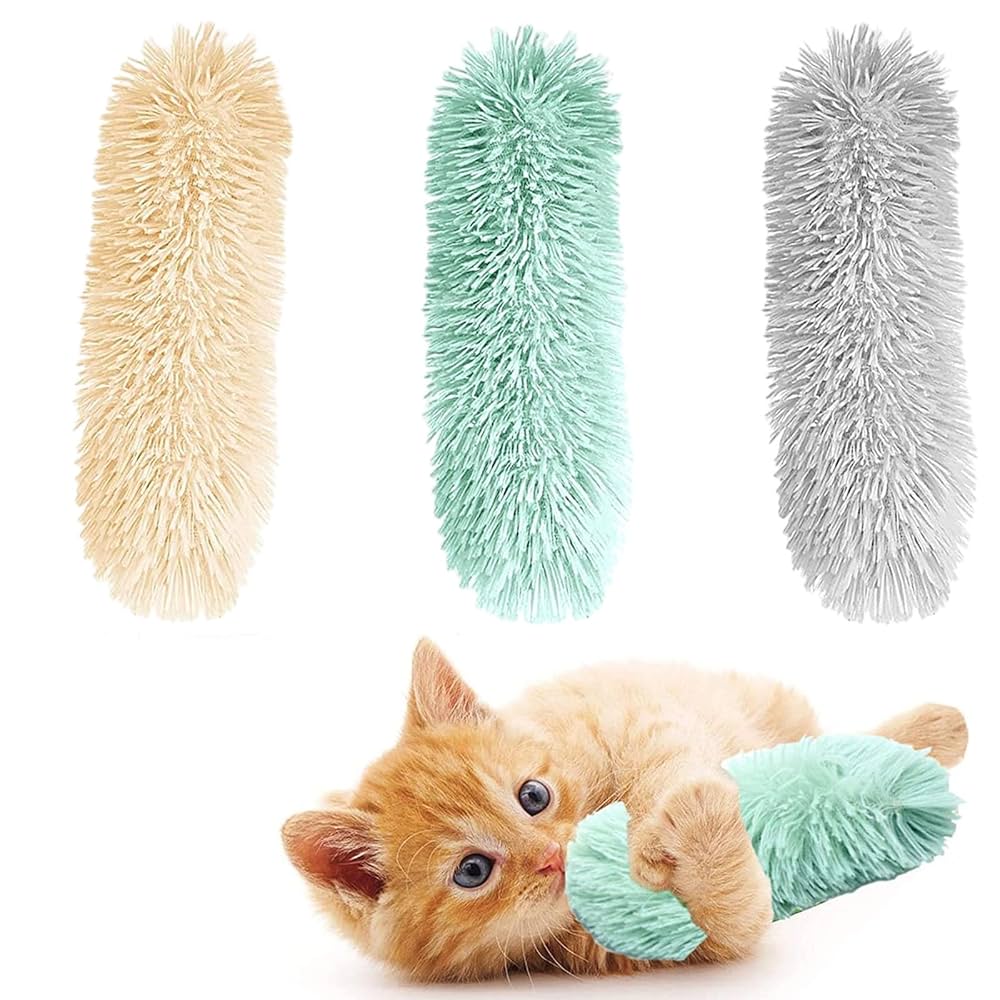
How often should you buy toys for your cat? It’s a question every cat owner wonders about.
You want your furry friend to stay happy, active, and entertained, but how do you know when it’s time to bring in new toys? If you’ve noticed your cat losing interest in their current toys or acting restless, this might be a sign.
Keep reading to discover simple tips that will help you decide the perfect timing for new toys, keeping your cat engaged and your home full of joy.

Credit: www.happypet.care
Benefits Of Regular Toy Replacement
Replacing cat toys regularly offers many benefits for your feline friend. Old toys lose their charm, and fresh ones keep your cat interested. New toys provide mental and physical boosts. They also help prevent bad habits caused by boredom. Keeping toys updated supports your cat’s well-being and happiness.
Mental Stimulation For Cats
New toys challenge your cat’s mind. They encourage problem-solving and curiosity. Toys with different textures and sounds keep cats engaged. Regular replacement stops mental dullness. A sharp mind leads to a happier cat.
Physical Exercise And Health
Fresh toys motivate cats to move more. Playing helps maintain a healthy weight and strong muscles. Active cats have better heart and joint health. Replacing toys keeps playtime exciting and energetic.
Preventing Boredom And Behavioral Issues
Old toys become boring quickly. Bored cats may scratch furniture or show aggression. New toys reduce stress and destructive behavior. Changing toys often keeps cats calm and content.

Credit: www.amazon.com
Signs Your Cat Needs New Toys
Knowing when to buy new toys for your cat can be tricky. Cats don’t always tell us directly when they’re bored or uninterested. But if you watch closely, you’ll notice clear signs that your furry friend is ready for something fresh and exciting.
Loss Of Interest In Current Toys
If your cat ignores their favorite toys or stops engaging with them, it’s a strong hint they need new ones. You might see the toys lying untouched in a corner or your cat walking past them without a glance. Have you noticed your cat preferring your shoes or household items over their own toys? That’s a red flag.
Visible Wear And Tear
Toys that are torn, frayed, or missing parts can lose their appeal and even become unsafe. When your cat’s toy looks like it survived a battle, it’s time to replace it. Besides safety, fresh toys with bright colors and new textures often spark more interest.
Changes In Play Behavior
Has your cat’s playtime become shorter or less enthusiastic? They might be losing their excitement due to boredom with the same toys. You could try rotating toys to see if that helps, but if not, it’s a clear sign to introduce something new. How does your cat react when you bring out a new toy? Their excitement can guide your timing perfectly.
Recommended Toy Replacement Frequency
Knowing how often to replace your cat’s toys keeps playtime safe and fun. Toys wear out over time. They can break or become less interesting to your cat. Regular replacement helps maintain your cat’s health and happiness. It also prevents accidental swallowing of broken parts. Setting a replacement schedule can save you money and stress.
Factors Influencing Replacement Timing
Several things affect when you should replace cat toys. The material quality matters. Soft toys may tear faster than plastic ones. The type of toy is important. Toys with feathers or strings wear out quicker. Your cat’s chewing and scratching habits play a role. Some cats are rougher with toys than others. The environment also affects wear. Toys left outside or in damp places break faster.
General Guidelines For Different Cat Ages
- Kittens:Replace toys every 2 to 3 months. They play actively and often damage toys.
- Adult Cats:Inspect toys every 3 to 6 months. Replace if worn or damaged.
- Senior Cats:Toys last longer. Replace every 6 to 12 months or as needed.
Adjust these time frames based on your cat’s play style.
Adjusting Frequency Based On Cat Activity Levels
Active cats need more frequent toy replacements. They use toys harder and faster. Less active cats may keep toys longer. Watch your cat’s interest in toys. Replace toys that your cat ignores. Rotating toys can extend their life. Store some toys away and swap them weekly. This keeps playtime fresh without buying new toys often.
Types Of Toys And Their Lifespan
Knowing the types of toys your cat enjoys and understanding their lifespan can help you decide how often to buy new ones. Different toys wear out at different rates depending on how your cat plays with them. By recognizing these patterns, you can keep your feline friend entertained without overspending or cluttering your home.
Interactive Toys
Interactive toys like feather wands or laser pointers usually last several months, but their lifespan depends on how frequently you use them with your cat. These toys encourage active play and bonding time, making them favorites for many owners. If your cat suddenly loses interest, it might be time to introduce a fresh toy or change the play routine to keep things exciting.
Chew And Teething Toys
Chew and teething toys are essential for kittens and cats who love to nibble. These toys tend to wear out faster since your cat’s teeth and claws can damage them quickly. It’s a good idea to check them regularly for signs of wear and replace them every few weeks to prevent choking hazards and keep your cat safe.
Electronic And Battery-operated Toys
Electronic toys, like motorized mice or balls, offer unpredictable movement that excites your cat. However, their lifespan varies widely based on battery life and mechanical durability. If you notice a drop in performance or your cat loses interest, consider replacing batteries or upgrading the toy to maintain your cat’s enthusiasm.
Maintaining And Cleaning Cat Toys
Regularly inspect and clean cat toys to ensure safety and hygiene. Replace worn-out toys every few months. Fresh toys keep your cat engaged and entertained.
Maintaining and cleaning cat toys ensures your feline friend stays healthy and entertained. Regular cleaning removes dirt and bacteria, keeping toys safe for play. Here are some essential tips to maintain and clean your cat’s toys effectively.Safe Cleaning Methods
Use warm water and mild soap to clean most toys. Rinse thoroughly to remove soap residue. For fabric toys, use a washing machine on a gentle cycle. Avoid harsh chemicals that can harm your cat.When To Discard Toys
Check toys for wear and tear regularly. Discard if you see broken parts or loose threads. Toys with missing pieces can be a choking hazard. Replace them to keep your cat safe.Storage Tips To Prolong Toy Life
Store toys in a dry, clean place to prevent mold. Use a basket or box to keep them organized. Rotate toys to keep your cat interested. Proper storage ensures toys last longer and stay fun.Budget-friendly Toy Buying Tips
Buying toys for your cat doesn’t have to drain your wallet. You can keep your kitty entertained while sticking to a budget. The key is knowing where to save and where to spend smartly on toys that last and keep your cat engaged.
Diy Toys At Home
Simple household items can turn into exciting toys for your cat. A crumpled piece of paper, an empty cardboard box, or a string can provide hours of fun. I once made a toy using a toilet paper roll and some yarn, and my cat couldn’t get enough of it.
Creating toys yourself saves money and lets you customize playtime. Try making a feather wand or a sock filled with catnip. What everyday item can you transform into your cat’s next favorite toy?
Choosing Durable Toys
Invest in toys made from tough materials that don’t break easily. Cats can be rough players, and cheap toys often end up in the trash quickly. Look for toys made from rubber, nylon, or sturdy fabric to avoid frequent replacements.
Durability means fewer purchases over time. My experience with a solid rubber ball showed that it lasted months longer than flimsy plastic ones. Which toy materials have lasted longest in your home?
Where To Find Deals And Discounts
Keep an eye on online stores and local pet shops for sales and clearance items. Signing up for newsletters often gives you access to exclusive discounts. I saved 30% on a set of interactive toys by waiting for a holiday sale.
Don’t overlook thrift stores or community buy-and-sell groups where gently used toys appear. Could a quick search today uncover your cat’s next favorite toy at a fraction of the price?
Involving Your Cat In Toy Selection
Choosing toys for your cat isn’t just about picking the brightest or noisiest option on the shelf. Your cat’s unique personality and preferences play a huge role in what will keep them engaged and happy. Involving your cat in the toy selection process can make buying new toys more effective and enjoyable for both of you.
Observing Play Preferences
Spend some time watching how your cat plays with their current toys. Does your cat chase after moving objects, or do they prefer to bat at smaller, lighter items? Notice if your cat enjoys toys that mimic prey, like feathers or laser pointers, or if they like toys they can carry around.
Understanding these preferences helps you choose toys that truly capture your cat’s interest. Have you ever bought a toy that your cat ignored completely? Observing first can save you from that disappointment.
Introducing New Toys Gradually
Instead of overwhelming your cat with a pile of new toys, try adding one or two at a time. This gives your cat a chance to explore and get used to each toy without feeling stressed or overstimulated. It also allows you to see which toy catches their attention the most.
Rotate toys regularly to keep things fresh and exciting. How often do you refresh your cat’s toy collection? Small changes can make a big difference in keeping your cat curious and playful.
Encouraging Interactive Play
Choose toys that encourage you to play together with your cat. Wands, balls, and puzzle feeders invite interaction and strengthen your bond. Your involvement can turn a simple toy into a thrilling game that your cat looks forward to daily.
Interactive play helps your cat burn energy and stay mentally sharp. Have you noticed how your cat reacts when you engage with them during play? That excitement is a good sign you’re on the right track.

Credit: halpix.eu
Frequently Asked Questions
How Often Should I Buy New Toys For My Cat?
Cats benefit from new toys every 1 to 3 months. Rotating toys keeps them engaged and prevents boredom. Watch your cat’s interest and replace worn-out toys promptly. Regularly introducing new toys stimulates their mind and physical activity.
What Signs Show My Cat Needs New Toys?
If your cat loses interest or plays less, it might need new toys. Chewed, broken, or missing parts also indicate it’s time for replacements. New toys help maintain their curiosity and encourage exercise, improving overall well-being.
Can Frequent Toy Buying Improve My Cat’s Health?
Yes, new toys encourage physical activity and mental stimulation. Regular playtime reduces stress and prevents obesity. Offering varied toys supports your cat’s natural hunting instincts and keeps them active and happy.
How To Choose The Best Toys For My Cat?
Select toys based on your cat’s age, preferences, and safety. Interactive toys, puzzle feeders, and feather wands are popular choices. Avoid small parts that can be swallowed. Quality and variety enhance play experiences and engagement.
Conclusion
Buying new toys for your cat keeps them happy and active. Cats enjoy variety, so changing toys often helps. Watch your cat’s interest to know when to buy. Old or broken toys lose their fun quickly. A good rule is to add new toys every few months.
This keeps playtime fresh and exciting for your pet. Remember, happy cats lead to a joyful home. Keep your cat’s playtime fun and safe with regular toy updates.




Leave a Reply