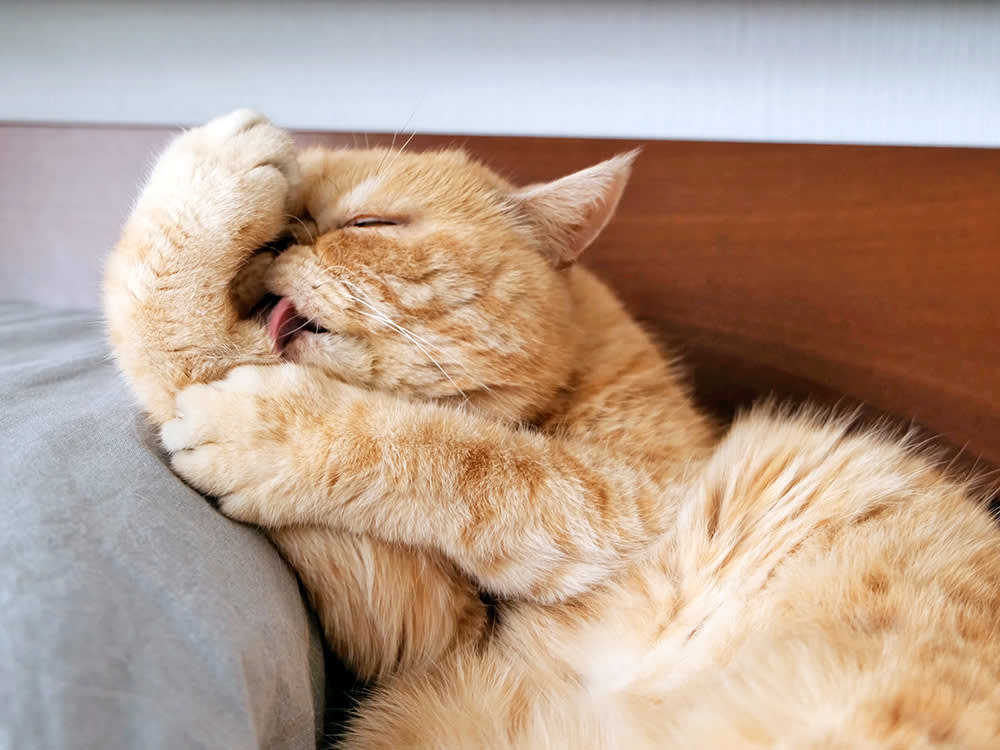
Have you noticed your cat isn’t grooming himself like he used to? It can be worrying when your furry friend stops cleaning his fur.
Grooming is more than just a habit for cats—it’s a sign of health and comfort. When your cat skips this important routine, it might mean something is wrong. You’ll discover the common reasons behind this change and what you can do to help your cat feel better.
Keep reading to learn how to spot the signs and support your pet’s well-being.
Common Grooming Habits
Cats spend a lot of time grooming themselves every day. This habit keeps them clean and healthy. Grooming also helps cats feel calm and relaxed. Understanding common grooming habits helps you notice if something is wrong.
Typical Cat Grooming Routine
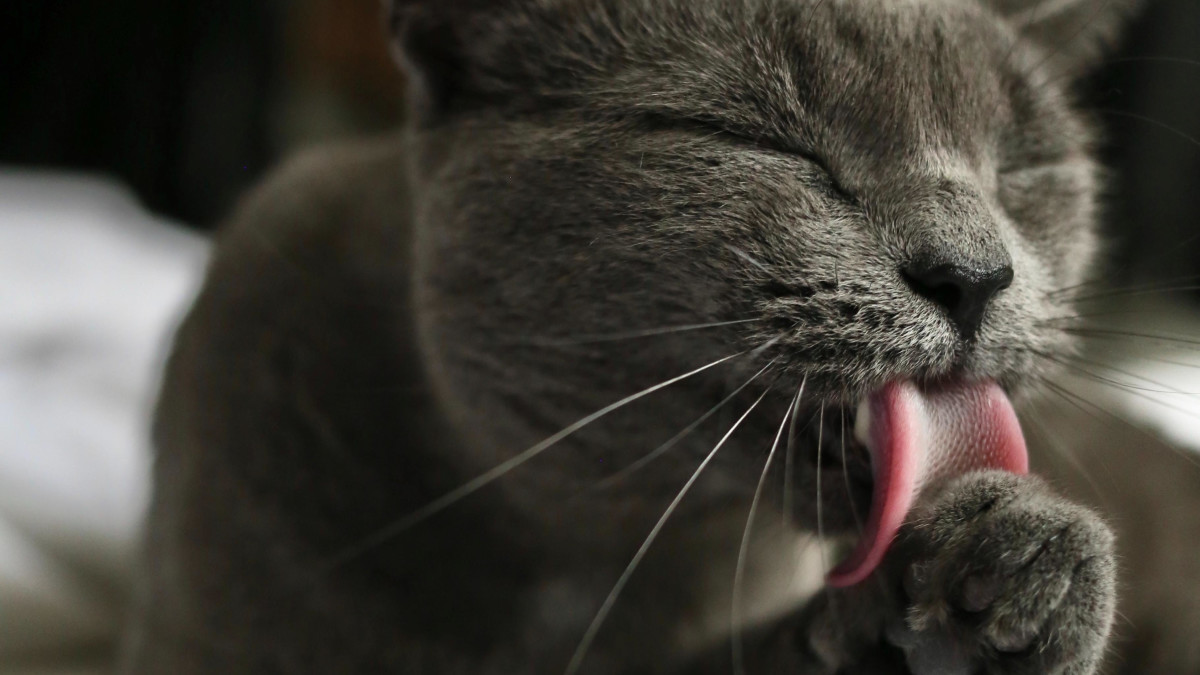
Most cats groom themselves several times a day. They lick their fur to remove dirt and loose hair. Cats use their tongues like tiny brushes. Their rough tongues help clean deeply.
Cats also nibble at tough spots and use their paws to wash their faces. They stretch and twist to reach hard-to-get places. Grooming usually takes about 30 to 50 minutes daily.
- Licking fur to clean and remove loose hair
- Nibbling small areas to remove debris
- Using paws to wash their face
- Stretching to reach all body parts
Benefits Of Self-grooming
Grooming helps cats stay clean and healthy. It removes dirt, parasites, and dead hair. This reduces the risk of skin problems and infections. Grooming also helps cats cool down by spreading saliva on their fur.
Self-grooming lowers stress and anxiety. It comforts cats and makes them feel safe. Grooming can even help cats bond when they lick each other. This shows trust and friendship.

Credit: www.reddit.com
Health Issues Affecting Grooming
When your cat stops grooming, it often signals more than just laziness. Health problems can interfere with their ability or willingness to keep clean. Understanding these issues helps you spot trouble early and support your cat’s well-being.
Skin Infections And Parasites
Skin infections and parasites are common culprits behind a cat’s grooming decline. If your cat is itchy or uncomfortable, they might avoid grooming to prevent pain.
Look for symptoms like redness, hair loss, or scabs. Fleas and mites not only cause itching but can also make grooming painful or ineffective. Treating these issues quickly can restore your cat’s grooming habits and comfort.
Pain And Mobility Problems
Have you noticed your cat struggling to reach certain spots? Arthritis and injuries can limit flexibility and cause pain while grooming.
Your cat might leave patches of fur messy or dirty because bending is too painful. Regular vet check-ups can detect such problems early, and simple pain management can make a big difference.
Dental Issues And Discomfort
Dental pain is often overlooked but can stop your cat from grooming. If your cat’s mouth hurts, they may avoid licking themselves to reduce discomfort.
Signs include bad breath, drooling, or reluctance to eat. Dental care is key—clean teeth and healthy gums support your cat’s overall grooming routine.
Emotional And Behavioral Factors
When your cat stops grooming, emotional and behavioral factors might be at play. Cats use grooming not only to stay clean but also to calm themselves and express their mood. Changes in their mental state or environment can disrupt this important routine.
Stress And Anxiety
Cats often reduce grooming when they feel stressed or anxious. Think about loud noises, new pets, or unfamiliar visitors—these can make your cat uneasy.
Have you noticed your cat hiding more or acting restless? These are signs of anxiety that might cause them to neglect grooming. Helping your cat feel safe with quiet spaces and familiar scents can encourage them to groom again.
Depression In Cats
Cats can experience depression, which can lower their interest in self-care. If your cat seems withdrawn or less playful, grooming might slip down their priority list.
Just like people, cats need emotional support. Spending extra time petting or playing gently with your cat can lift their mood and bring back their grooming habits.
Changes In Environment
Moving homes or rearranging furniture can confuse or upset your cat. These changes disrupt their routine and may lead to less grooming.
Ask yourself: Has anything in your cat’s environment changed recently? Restoring familiar items and keeping a consistent schedule helps your cat feel secure and more likely to groom.

Credit: www.reddit.com
Age-related Grooming Challenges
As cats grow older, they often face challenges that affect their grooming habits. These changes can make it harder for them to keep clean and comfortable. Age-related grooming problems are common in senior cats. They may struggle to reach certain areas or lose interest in grooming altogether.
Understanding these challenges can help pet owners support their aging feline friends. Observing changes in grooming behavior is important for detecting health issues early. Let’s explore how aging impacts a cat’s grooming routine.
Senior Cats And Reduced Grooming
Older cats often groom less than younger ones. Joint pain and arthritis can make licking difficult. Their flexibility decreases, so reaching spots on their body becomes a challenge. This leads to matted fur and skin problems.
Energy levels drop with age, which may reduce grooming time. Seniors may also sleep more, leaving less time for cleaning. These factors contribute to a less tidy coat in older cats.
Cognitive Decline Effects
Cognitive decline affects some senior cats. Their memory and focus can weaken over time. This causes them to forget or ignore grooming habits. Cats may also become less interested in self-care.
Confusion or anxiety can reduce grooming motivation. Cats might stop cleaning themselves properly. Recognizing signs of cognitive decline helps in providing better care.
Obesity And Grooming Difficulties
Obesity in cats can lead to grooming difficulties. Extra weight makes it hard for them to reach certain areas. This can result in poor hygiene and discomfort.
Obesity can present significant challenges for cats, particularly when it comes to their grooming habits. If your feline friend is carrying extra weight, you might notice a decline in their self-care routine. Understanding the link between obesity and grooming difficulties is crucial for maintaining your cat’s overall health and happiness.Limited Flexibility
An overweight cat often struggles with reduced flexibility. Imagine trying to touch your toes with a large, heavy coat on—it’s not easy. This limited range of motion can make it difficult for your cat to reach certain areas of their body, such as their back or tail. You might observe your cat attempting to groom but giving up halfway because they just can’t reach. This can lead to frustration for your pet and a messy fur coat.Impact On Hygiene
When your cat can’t groom effectively, their hygiene can suffer. Cats rely on grooming to remove loose fur, dirt, and parasites. Without regular grooming, your cat might develop matted fur or skin conditions. Consider the last time you noticed a bad hair day—your cat feels the same discomfort when they can’t groom. This lack of grooming can also lead to unpleasant odors, making your cat less pleasant to be around. Addressing obesity in your cat’s life can improve their grooming habits significantly. Have you noticed any changes in your cat’s grooming routine due to weight gain? Taking proactive steps to help your cat shed those extra pounds can lead to a cleaner, happier pet. Encouraging movement and monitoring diet can be the first steps towards a healthier, more flexible cat who can groom with ease.When To See A Veterinarian
Not grooming is unusual behavior for cats. It often signals health issues. Knowing when to see a veterinarian helps protect your cat’s health. Early vet visits improve treatment success and comfort for your pet.
Identifying Warning Signs
- Coat looks dull, matted, or dirty
- Skin appears red, swollen, or has sores
- Cat shows signs of pain when touched
- Sudden weight loss or gain
- Changes in appetite or drinking habits
- Lethargy or hiding more than usual
- Excessive licking or scratching
Noticing these signs means your cat needs a veterinary checkup. These symptoms often point to infections, allergies, or pain.
Diagnostic Tests
Veterinarians use tests to find the cause of poor grooming. Common tests include:
- Skin scrapings to check for parasites
- Blood tests to assess organ function
- Allergy tests for environmental or food triggers
- X-rays or ultrasounds for internal issues
- Fungal cultures for ringworm or infections
These tests help the vet decide the best treatment plan.
Treatment Options
Treatment depends on the diagnosis. Options may include:
- Medications to fight infections or parasites
- Special shampoos or topical creams
- Diet changes for allergies or skin health
- Pain relief medicines
- Behavioral therapy if stress is involved
Following the vet’s advice restores your cat’s grooming habits and health.
Helping Your Cat Groom Better
Helping your cat groom better is key to keeping them healthy and happy. Cats may stop grooming due to illness, stress, or age. Owners can support their cats by creating good habits and a healthy routine.
Regular grooming boosts your cat’s comfort and fur quality. It also reduces hairballs and skin problems. Simple steps can make grooming easier and more effective for both you and your cat.
Brushing And Bathing Tips
Brush your cat’s fur gently to remove loose hair and dirt. Choose a brush that fits your cat’s fur type. Short-haired cats need soft bristles, while long-haired cats need a comb.
- Brush your cat at least twice a week.
- Use slow, calm strokes to avoid stress.
- Bathing is rarely needed, but use cat-safe shampoo if necessary.
Dry your cat quickly after a bath to prevent chills. Make grooming a positive experience with treats and praise.
Creating A Stress-free Environment
Stress can cause cats to stop grooming. Quiet spaces help cats feel safe and calm. Avoid loud noises and sudden changes in their routine.
- Provide cozy resting spots away from household noise.
- Keep a consistent daily schedule for feeding and play.
- Use calming sprays or diffusers designed for cats.
Spend quality time petting and playing to build trust and reduce anxiety.
Diet And Exercise Recommendations
A healthy diet supports shiny fur and skin. Feed high-quality cat food with the right nutrients. Omega-3 and omega-6 fatty acids improve coat condition.
- Choose food rich in protein and essential fats.
- Provide fresh water at all times to keep skin hydrated.
- Encourage daily play to keep your cat active.
Exercise helps reduce stress and maintains your cat’s overall health.

Credit: www.reddit.com
Frequently Asked Questions
Why Is My Cat Suddenly Not Grooming Itself?
Your cat may stop grooming due to illness, pain, or stress. Common causes include arthritis, skin infections, or dental problems. A vet checkup can identify the issue. Early diagnosis helps restore normal grooming habits and overall health.
Can Stress Cause A Cat To Stop Grooming?
Yes, stress can reduce grooming behavior in cats. Changes in environment, new pets, or loud noises may trigger stress. Stress affects their routine and causes neglect of self-care. Reducing stressors and creating a calm space helps improve grooming.
What Health Problems Affect A Cat’s Grooming Habits?
Health issues like arthritis, skin allergies, or dental disease can affect grooming. Pain or discomfort makes self-cleaning difficult or painful. Regular vet visits help detect these problems early, ensuring proper treatment and restored grooming behavior.
How Can I Help My Cat Groom Again?
Assist your cat by brushing gently and providing a stress-free environment. Address any medical issues with your vet. Keep the cat’s living area clean and comfortable. Patience and care encourage your cat to resume grooming naturally.
Conclusion
A cat not grooming itself can signal health issues or stress. Watch for changes in behavior or coat condition. Regular vet visits help catch problems early. Keep your cat’s environment calm and clean. Offer gentle help with grooming if needed.
Understanding your cat’s needs improves its comfort and happiness. Small actions make a big difference in your pet’s well-being. Stay patient and observant to support your furry friend.

Leave a Reply