Have you ever watched your cat licking its fur and wondered if it’s more than just cleaning? You might be surprised to learn that grooming says a lot about how your cat feels.
When your furry friend grooms, it’s not just about staying clean—it can be a sign of happiness and comfort. If you want to understand your cat better and deepen your bond, keep reading to discover the hidden meanings behind your cat’s grooming habits.
This insight could change the way you see your pet forever.
Credit: www.companionanimalpsychology.com
Cats And Grooming Habits
Cats are known for their fastidious grooming habits, which are more than just a way to stay clean. Understanding why and how cats groom can reveal a lot about their emotional state and overall well-being. If you’ve ever watched your cat lick its fur for minutes on end, you might wonder: is this just about hygiene, or does it say something about how your cat feels?
Purpose Of Grooming
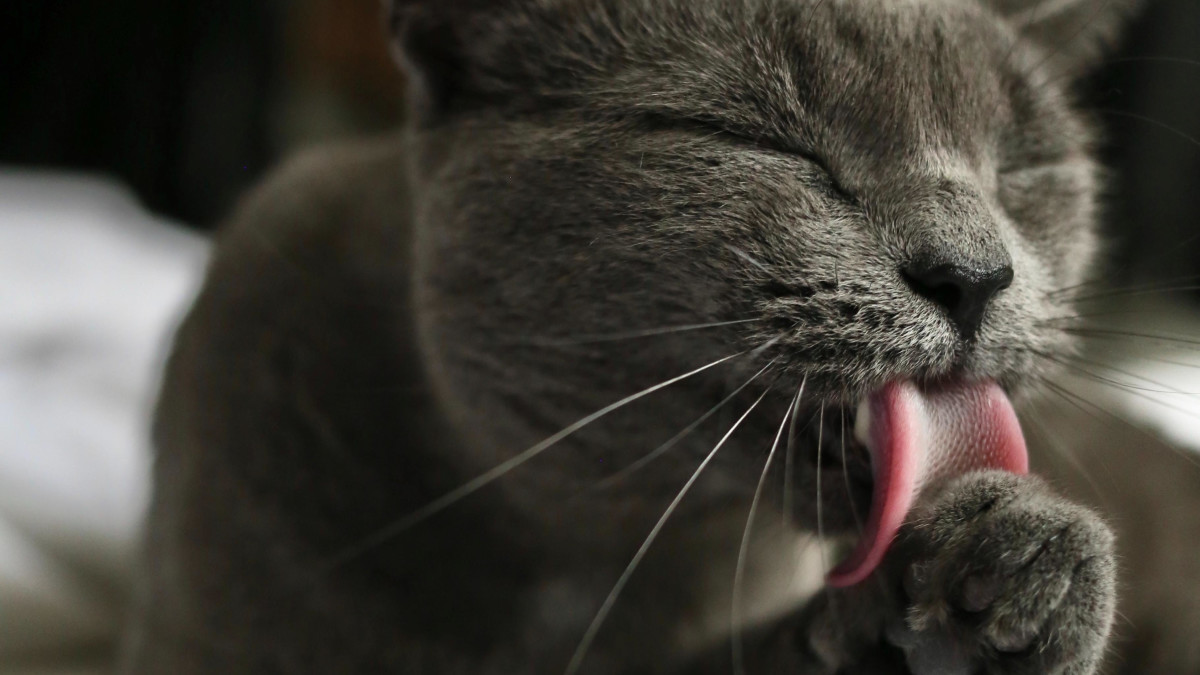
Grooming serves several important roles in a cat’s life. It helps remove dirt and loose fur, keeping their coat healthy and shiny. But grooming also regulates body temperature and stimulates blood flow.
Beyond physical health, grooming can be a stress reliever for cats. When your cat grooms itself, it often signals comfort and contentment. Have you noticed how your cat sometimes grooms right after settling down in a cozy spot? That’s a clear sign they feel safe and relaxed.
Types Of Grooming
Cats don’t groom only themselves. They engage in different grooming types that reflect their social bonds and mood.
- Self-Grooming:The most common type, where cats lick their fur to clean and arrange it.
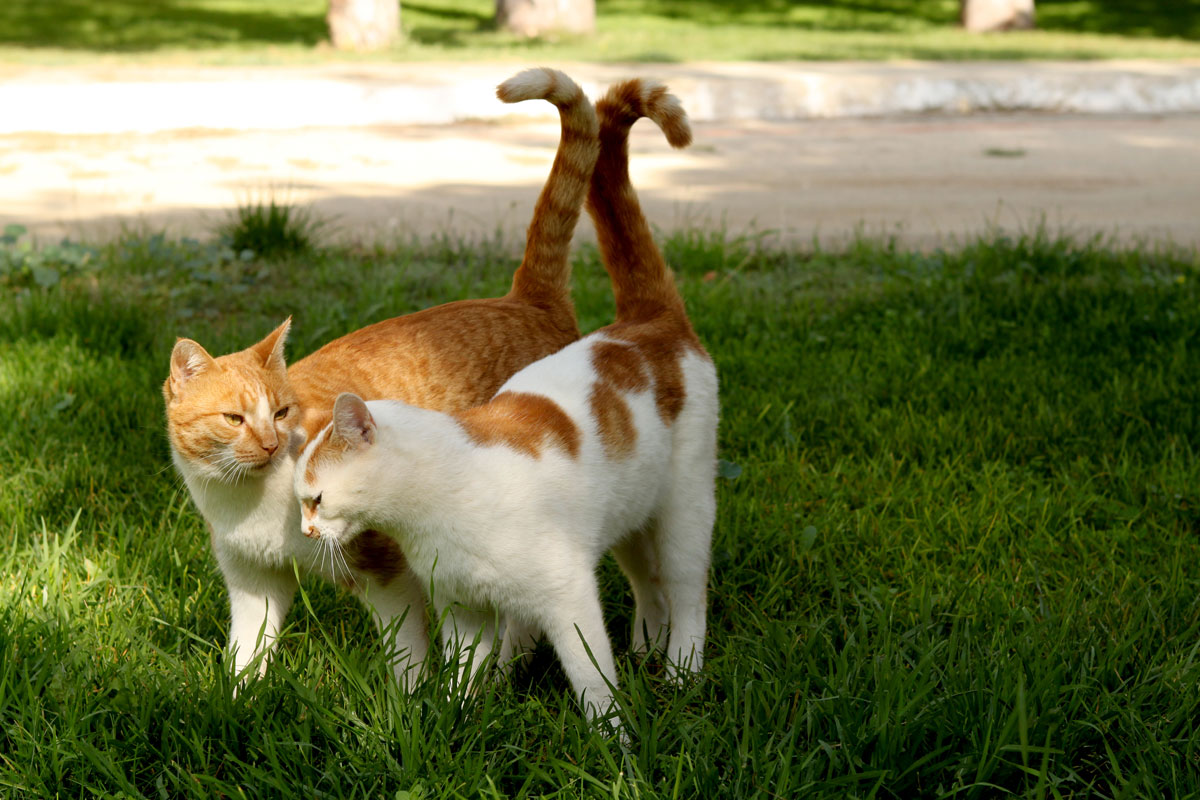
- Allogrooming:When cats groom each other, it strengthens their social ties and shows trust.
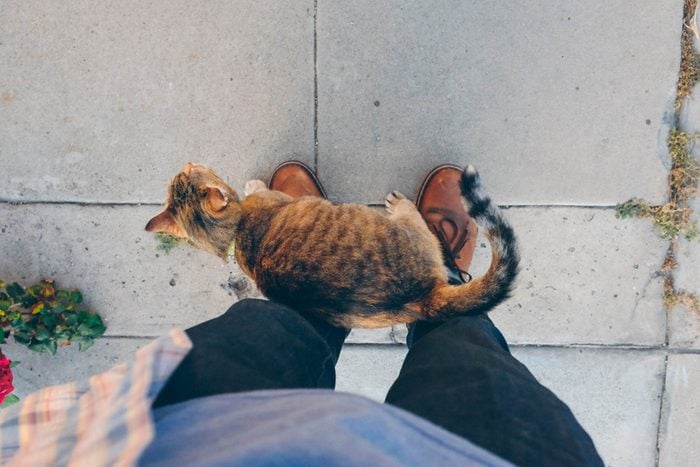
- Human Grooming:Some cats gently lick or nuzzle their owners, which is a way to express affection and acceptance.
If your cat spends more time grooming than usual, it could be a sign of happiness or, sometimes, anxiety. Watch how your cat behaves before and after grooming to better understand what it’s trying to tell you.

Credit: www.latimes.com
Link Between Grooming And Emotions
Understanding the link between grooming and emotions in cats reveals much about their well-being. Grooming is not just about cleanliness; it’s deeply connected to how cats feel inside. Observing your cat’s grooming habits can give you clues about their emotional state and help you respond better to their needs.
Signs Of Contentment
When cats groom themselves calmly and thoroughly, it often signals they are relaxed and happy. A cat that takes its time cleaning its fur, especially after eating or waking up, is usually feeling secure. You might notice your cat purring softly or kneading nearby while grooming—clear signs of comfort.
Have you ever seen your cat licking your hand or face? This mutual grooming behavior, called allogrooming, shows trust and affection. It’s a way your cat expresses contentment and strengthens your bond.
Stress-related Grooming
Grooming can also be a response to stress or anxiety. If your cat suddenly starts licking a specific spot excessively or overgrooms to the point of creating bald patches, it might be struggling emotionally. This behavior is a coping mechanism, similar to how humans might bite their nails or pace.
Look for other signs alongside overgrooming, such as hiding, changes in appetite, or aggression. These clues can help you identify if your cat needs more comfort or a visit to the vet. What small changes in your cat’s routine or environment might be causing this stress?
How Grooming Reflects Happiness
Grooming is more than just cleaning for cats. It shows how they feel inside. When a cat grooms itself, it often means it feels safe and happy. This behavior helps cats stay calm and relaxed. It also builds bonds with humans and other pets. Understanding grooming helps us see when cats are content.
Calm And Relaxed Behavior
A happy cat grooms in a slow, gentle way. This calm action shows the cat is not stressed. Cats may pause between grooming strokes, enjoying the moment. Their body looks loose, and their eyes may half-close. Grooming helps cats relax and feel peaceful. It is a sign they trust their space and feel good.
Social Grooming With Humans And Pets
Cats often groom each other or their human friends. This social grooming shows love and friendship. When a cat licks your hand or face, it means they see you as part of their family. Cats also groom other pets to share comfort and care. This act strengthens social bonds and shows happiness.
When Grooming Signals Discomfort
While grooming is a natural and soothing activity for cats, sometimes it signals discomfort. Cats often groom to calm themselves, but excessive grooming might indicate underlying issues. Recognizing these signs can help you ensure your cat’s well-being.
Excessive Grooming Issues
Excessive grooming in cats can lead to noticeable problems. Cats might lick one spot repeatedly, causing hair loss or skin irritation. Watch for bald patches or redness on their skin. These signs may indicate stress or anxiety. Environmental changes or new pets might trigger this behavior. Identifying the root cause is crucial for your cat’s comfort.
Medical Concerns To Watch
Some medical conditions cause cats to groom excessively. Allergies can lead to itchy skin, prompting more grooming. Parasites like fleas might also be a reason. Cats may try to soothe the irritation through licking. Infections or pain from arthritis can result in increased grooming too. Always consult a vet if you suspect a medical issue.
Encouraging Healthy Grooming
Encouraging healthy grooming in cats goes beyond just watching them clean themselves. It’s about creating the right conditions that make your cat feel safe, happy, and motivated to maintain their coat and skin. When you focus on their environment and health, you support their natural grooming habits and overall well-being.
Creating A Comfortable Environment
Your cat’s surroundings play a big role in how often and how well they groom. Cats are sensitive to stress, so a quiet, calm space helps them feel secure enough to take care of themselves.
Make sure your cat has cozy spots where they can relax undisturbed. Soft bedding, access to sunlight, and places to hide encourage calmness. Have you noticed your cat grooming more after a peaceful nap in their favorite corner?
Also, keep their litter box and feeding areas clean. A tidy environment reduces stress and distractions, which can interfere with grooming routines.
Regular Vet Checkups
Health issues can affect your cat’s grooming behavior. Pain, skin conditions, or dental problems might make grooming uncomfortable or difficult.
Regular vet visits help catch these problems early. Your vet can advise on treatments or special care that supports your cat’s grooming habits.
Don’t overlook dental health—cats with sore mouths often groom less. Ask your vet about routine dental checkups and cleanings to keep your cat comfortable and active in their grooming.
Credit: www.rd.com
Frequently Asked Questions
Do Cats Groom More When They Are Happy?
Cats often groom themselves more when they feel content. Grooming is a way to relax and show comfort. It helps maintain their fur and skin health. Happy cats also groom to bond and express affection.
How Does Grooming Indicate A Cat’s Mood?
Grooming reflects a cat’s emotional state. Frequent grooming usually signals calmness and happiness. Lack of grooming may indicate stress or illness. Observing grooming patterns helps understand your cat’s feelings better.
Can Over-grooming Mean A Cat Is Stressed?
Yes, over-grooming can signal stress or anxiety in cats. It may lead to bald spots or skin irritation. If your cat grooms excessively, consult a vet to rule out health issues. Stress reduction can improve grooming habits.
Do Cats Groom Other Cats When Happy?
Cats often groom each other to show affection and strengthen bonds. This social grooming, called allogrooming, is a sign of trust and happiness. It helps reduce tension and build friendships among cats.
Conclusion
Cats groom to stay clean and feel good. Grooming often shows they are calm and happy. It helps them relax and enjoy their time. Watching your cat groom can tell you about their mood. So, grooming is more than just cleaning fur.
It is a sign of comfort and contentment. Next time you see your cat grooming, remember it means they feel safe and happy. Caring for your cat includes understanding these small habits. They speak volumes about your pet’s well-being.

Leave a Reply