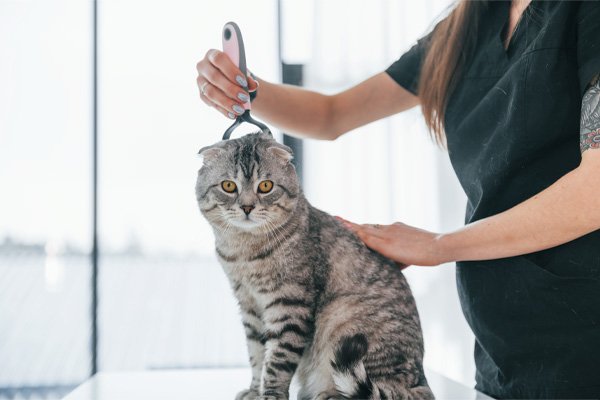
Have you ever wondered if cat grooming is really necessary? You might think your furry friend can take care of itself, but there’s more to it than just a quick lick here and there.
Grooming plays a big role in your cat’s health and happiness. If you want your cat to stay clean, comfortable, and free from hidden problems, understanding the importance of grooming is key. Keep reading to discover why grooming matters and how it can make a difference for your beloved pet.

Credit: www.purina.com
Benefits Of Grooming
Grooming your cat isn’t just about keeping them looking good. It plays a vital role in their overall health and happiness. Regular grooming offers several benefits that can improve your cat’s quality of life in ways you might not have considered.
Improving Coat Health
Brushing your cat regularly helps distribute natural oils across their coat. This keeps their fur shiny and soft, preventing dryness and flakiness. You may notice your cat’s coat becoming healthier and less prone to dullness after a few grooming sessions.
Preventing Matting And Tangles
Matted fur can cause discomfort and even skin problems for your cat. Grooming removes loose hair and prevents tangles before they become painful mats. Have you ever seen a cat struggle to walk because of tangled fur? Regular grooming helps avoid this entirely.
Reducing Hairballs
Cats groom themselves by licking their fur, which often leads to swallowed hair and hairballs. By brushing your cat, you can remove loose fur before they ingest it. This simple step significantly cuts down the frequency of hairballs and related digestive issues.
Enhancing Bonding Time
Grooming is a quiet, gentle way to spend time with your cat and build trust. Many cats find brushing calming and look forward to these sessions. Have you noticed how your cat’s purring often gets louder during grooming? It’s a sign of comfort and connection that strengthens your bond.
Signs Your Cat Needs Grooming
Cats groom themselves daily, but sometimes they need extra help. Recognizing signs your cat needs grooming is important. These signs show when your cat’s coat or skin needs care. Ignoring them can cause discomfort or health problems.
Excessive Shedding
Shedding is normal, but too much can be a problem. Large clumps of fur around your home or on your cat mean grooming is needed. Grooming helps remove loose fur and reduces hairballs. It keeps your cat’s coat healthy and clean.
Skin Irritations
Look for redness, bumps, or scabs on your cat’s skin. These can show your cat needs grooming or medical care. Grooming can remove dirt and allergens causing irritation. It also helps spot skin problems early before they get worse.
Unpleasant Odors
A bad smell from your cat can mean dirt or oils build up. Cats usually stay clean, so a strong odor shows grooming is necessary. Bathing and brushing can remove the smell and keep your cat fresh. It also prevents infections caused by dirt.
Visible Dirt Or Debris
Sometimes dirt, leaves, or food get stuck in your cat’s fur. This makes your cat uncomfortable and untidy. Grooming removes these materials and keeps the coat smooth. It helps your cat feel better and look neat every day.
Grooming Tools Essentials
Having the right grooming tools makes cat care easier and more effective. Tools help keep your cat clean, healthy, and comfortable. Each tool serves a special purpose in your cat’s grooming routine. Knowing which tools to use ensures you provide the best care for your pet.
Types Of Brushes
Brushes remove loose hair and prevent mats. They also reduce shedding around your home. Choose the brush based on your cat’s coat type:
- Slicker Brush:Best for long or curly fur. Removes tangles and dirt.
- Bristle Brush:Good for short-haired cats. Smooths and shines coat.
- Deshedding Tool:Helps reduce heavy shedding. Reaches undercoat.
Nail Clippers
Trimming nails keeps your cat comfortable and safe. Sharp nails can hurt furniture and skin. Use clippers made for cats to avoid splitting nails. Cutting regularly prevents overgrowth and painful nails.
Ear And Eye Care Supplies
Clean ears and eyes prevent infections. Use gentle wipes or cotton balls for cleaning. Avoid using cotton swabs inside ears. Special ear cleaners help remove wax safely. Regular checks keep your cat healthy and alert.
Shampoo And Wipes
Cats need occasional baths, especially if dirty or oily. Use cat-specific shampoos that are gentle on skin. Wipes help clean paws and face between baths. Both keep your cat fresh without stress.
Step-by-step Grooming Routine
Grooming your cat is important for their health and happiness. A simple routine keeps their coat clean and skin healthy. It also helps you check for any problems early. Regular grooming reduces hairballs and shedding. Follow this step-by-step routine to care for your cat properly.
Brushing Techniques
Choose a brush suited for your cat’s fur type. Use gentle strokes to avoid hurting your cat. Brush in the direction of hair growth. Focus on areas that tend to mat, like behind ears and under legs. Brush daily for long-haired cats and twice a week for short-haired cats. This removes loose fur and prevents tangles.
Bathing Tips
Use warm water and cat-friendly shampoo only. Avoid human shampoo as it can irritate their skin. Wet your cat gently and apply shampoo carefully. Rinse thoroughly to remove all soap. Dry your cat with a soft towel. Keep baths short to reduce stress. Only bathe your cat when necessary, as many cats groom themselves well.
Nail Trimming Guide
Use special cat nail clippers for safety. Hold your cat’s paw firmly but gently. Trim only the sharp tip of each nail, avoiding the pink area called the quick. If unsure, trim a small bit at a time. Reward your cat with treats or praise to make it positive. Regular trims prevent scratches and nail damage.
Cleaning Ears And Eyes
Use a soft, damp cloth or cotton ball. Wipe the outer ear gently to remove dirt. Never insert anything deep inside the ear canal. For eyes, wipe away discharge carefully from the corners. Use a separate cloth for each eye to avoid infection. Check regularly for redness or unusual smell, signs of infection.
Special Grooming Tips For Different Breeds
Cat grooming helps keep fur clean and skin healthy across all breeds. Different breeds need special care based on their coat type and length. Regular grooming reduces shedding and prevents matting for happier cats.
Grooming is a vital part of keeping your cat healthy and happy. Different breeds require unique approaches to grooming, ensuring that their specific needs are met. Understanding these differences can enhance your pet’s comfort and well-being. Below are tailored grooming tips for various cat breeds.Long-haired Cats
Long-haired cats like the Persian and Maine Coon need regular grooming to prevent mats and tangles. Brush their fur daily using a soft bristle brush to keep it smooth and shiny. Consider using a detangling spray to make the process easier. Regular grooming sessions not only keep your cat’s coat in top condition but also provide a bonding opportunity. Have you ever noticed how much your cat purrs during brushing? That’s them showing appreciation!Short-haired Cats
Short-haired breeds like the Siamese and British Shorthair are relatively low-maintenance. Weekly brushing with a rubber brush can help remove loose hair and reduce shedding. Don’t forget to check their ears and trim their nails regularly. This simple routine can help you notice any skin issues early, keeping your feline friend healthy. How often do you take a moment to check for these small details?Hairless Breeds
Hairless breeds such as the Sphynx require a different grooming approach. Their skin produces more oils, so regular baths are necessary to prevent buildup. Use a gentle cat shampoo and lukewarm water for the bath. Afterward, make sure to dry them thoroughly to avoid chills. Do you have a favorite gentle shampoo that you swear by for your hairless buddy?Senior Cats
Senior cats may require more assistance with grooming as they age. They might not be able to groom themselves as effectively, leading to mats and other issues. Gently brush their coat every few days and pay attention to areas they can no longer reach. Regular grooming can help you monitor their health and catch any potential problems early. Have you noticed how grooming helps you bond with your aging cat? By tailoring your grooming practices to your cat’s breed and age, you ensure their comfort and health. Which of these tips do you think will make the most difference for your cat?
Credit: www.petscare.com
Common Grooming Challenges
Grooming cats involves several challenges that can make the process difficult. Understanding these common issues helps pet owners prepare better. Grooming is not just about appearance but also about health and comfort.
Some cats do not like being touched or brushed. Others have skin problems that need gentle care. Seasonal changes also affect how much a cat sheds. Each challenge needs a different approach to keep the cat calm and clean.
Dealing With Aggressive Cats
Some cats show aggression during grooming. They may hiss, scratch, or bite to avoid it. Patience is key. Start slowly and use calm voices. Use soft brushes to avoid hurting the cat. Stop if the cat becomes too stressed. Try shorter sessions more often to build trust.
Handling Sensitive Skin
Cats with sensitive skin need extra care. Use mild shampoos made for cats. Avoid harsh chemicals that can cause irritation. Brush gently to prevent scratches or redness. Check skin regularly for signs of allergies or infections. Consult a vet if skin problems persist.
Managing Shedding Seasons
Shedding can increase in spring and fall. Loose fur can cause mats and hairballs. Brush cats daily during these times. Use tools designed to remove loose fur effectively. Clean your home often to reduce fur buildup. A healthy diet can also reduce excessive shedding.
When To Seek Professional Grooming
Cats are self-grooming creatures, but there are times when professional grooming becomes essential. Recognizing these moments can make a significant difference in your cat’s health and happiness. So, how do you know when it’s time to call in the experts?
Signs For Professional Help
Look for signs that your cat needs professional grooming. Excessive shedding, matted fur, or visible skin issues are clear indicators. If your cat is unusually cranky or hiding more than usual, they might be uncomfortable due to grooming neglect.
Another sign is if your cat consistently struggles with regular brushing. This might indicate that their fur has become unmanageable for you alone.
Choosing A Groomer
Selecting the right groomer is crucial for your cat’s comfort and safety. Start by asking for recommendations from friends or your vet. Look for groomers with experience specifically in handling cats.
Visit the grooming facility beforehand. Ensure it’s clean, and observe how the staff interacts with other pets. Your cat deserves a groomer who treats them with patience and care.
Grooming Costs And Frequency
Grooming costs can vary widely based on your location and your cat’s needs. Long-haired breeds might require more frequent and expensive sessions compared to short-haired cats.
Budgeting is key. Speak with your groomer to establish a schedule that works for both your wallet and your pet’s grooming needs. Regular grooming can prevent costly health issues down the line.
Have you ever noticed your cat behaving differently after a grooming session? It might be more than just a clean coat—it’s about ensuring their overall well-being.

Credit: weareallaboutcats.com
Health Benefits Linked To Grooming
Grooming is more than just keeping your cat looking neat. It offers important health benefits that protect your furry friend. Regular grooming helps spot problems early, prevents parasites, and keeps your cat clean. These advantages improve your cat’s overall well-being and comfort.
Early Detection Of Health Issues
Grooming lets you check your cat’s body closely. You can find lumps, bumps, or skin redness before they get worse. Early spotting helps your vet treat problems faster. It also helps catch signs of illness like hair loss or wounds.
Preventing Parasites
Regular grooming removes dirt and debris where parasites hide. Fleas, ticks, and mites are less likely to cause infections. Brushing your cat breaks the parasite life cycle. It also helps you notice any parasite activity early.
Maintaining Hygiene
Grooming keeps your cat’s coat clean and free from mats. It removes dead hair and reduces shedding. Clean fur lowers the risk of skin infections. Grooming also helps your cat stay comfortable and smell fresh.
Frequently Asked Questions
Is Regular Cat Grooming Really Necessary?
Yes, regular cat grooming keeps your cat’s coat clean and healthy. It prevents mats, reduces shedding, and minimizes hairballs. Grooming also helps detect skin issues early and strengthens the bond between you and your cat.
How Often Should I Groom My Cat?
Most cats benefit from grooming once or twice a week. Long-haired breeds may need daily grooming. Regular brushing controls shedding and prevents tangles. Adjust frequency based on your cat’s coat type and activity level.
Can Grooming Improve My Cat’s Health?
Absolutely. Grooming removes dirt and loose fur, reducing skin infections. It promotes healthy blood circulation and helps spot parasites early. Grooming also reduces stress and supports overall well-being for your cat.
What Tools Do I Need For Cat Grooming?
Basic grooming tools include a slicker brush, comb, nail clippers, and grooming wipes. Choose tools suitable for your cat’s fur type. Proper tools make grooming safer and more comfortable for your pet.
Conclusion
Cat grooming keeps your pet healthy and happy. It stops mats and tangles from hurting your cat. Regular brushing reduces hairballs and shedding in your home. Clean fur helps prevent skin problems and infections. Short grooming sessions build trust between you and your cat.
Even indoor cats need grooming to stay comfortable. Simple care routines save time and vet visits later. Remember, a well-groomed cat feels better every day. Small efforts make a big difference in your cat’s life.




Leave a Reply