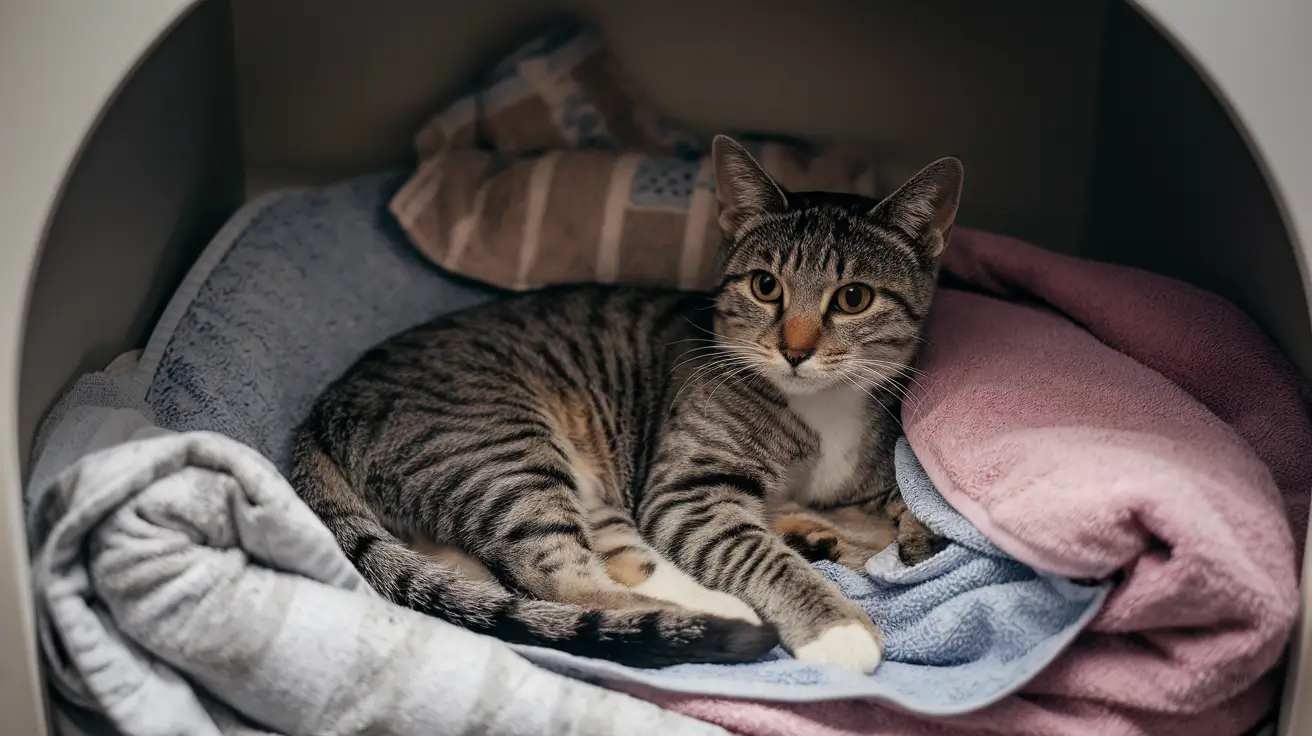
Are you wondering if it’s safe to groom your pregnant cat? You want to keep her comfortable and healthy, but you might worry about hurting her or her unborn kittens.
Grooming is important, especially during pregnancy, but it comes with special care. You’ll discover what you need to know to groom your pregnant cat safely and confidently. Keep reading to learn simple tips that protect both your furry friend and her babies.
Grooming Needs During Pregnancy
Pregnancy brings many changes to a cat’s body. These changes affect her grooming needs. Understanding these needs helps keep your pregnant cat healthy and comfortable. Grooming routines may need gentle adjustments to suit her condition. Pay close attention to how her coat and skin change. Also, consider her comfort during grooming sessions.
Changes In Coat And Skin
A pregnant cat’s coat may become thicker or duller. Hormonal shifts can make her fur softer or more brittle. Some cats shed more than usual. Skin might feel dry or sensitive. These changes require gentle brushing to avoid skin irritation. Use a soft brush and avoid harsh grooming tools. Check for any skin redness or lumps. Keep an eye on her coat’s shine and texture. Regular grooming helps remove loose fur and prevents mats.
Increased Comfort Requirements
Pregnant cats often feel more tired or restless. She may prefer shorter grooming sessions. Avoid pulling on fur or skin. Use calm, slow movements to reduce stress. Offer a quiet and warm place for grooming. Watch for signs of discomfort or pain. Adjust grooming times to her mood and energy. Provide gentle strokes to soothe her during grooming. Clean her fur gently, especially around her belly. These small steps create a pleasant grooming experience.
Credit: noblevetclinic.com
Safe Grooming Practices
Grooming a pregnant cat needs extra care and attention. Safe grooming keeps your cat comfortable and healthy. It lowers stress and avoids harm to her and the kittens.
Choosing the right tools and products is key. Gentle tools protect her sensitive skin. Avoiding harmful products prevents irritation or health issues. These practices help maintain a calm and safe grooming routine.
Choosing Gentle Tools
- Use soft-bristle brushes to avoid skin scratches.
- Pick combs with rounded teeth to reduce pulling.
- Opt for lightweight tools to ease handling during grooming.
- Avoid metal brushes that may irritate delicate skin.
- Keep grooming sessions short to prevent stress.
Avoiding Harmful Products
- Choose pet-safe shampoos without harsh chemicals.
- Avoid flea treatments without veterinary advice.
- Do not use human grooming products on cats.
- Check labels for allergens or strong fragrances.
- Consult a vet before trying new grooming products.
Handling Your Pregnant Cat
Handling your pregnant cat requires care and patience. Pregnancy makes cats sensitive and delicate. Grooming sessions should be gentle and calm to avoid stress. Understanding her needs helps keep both of you safe and comfortable. Watch her behavior closely during grooming. Adjust your approach based on her reactions.
Recognizing Signs Of Discomfort
Pregnant cats may show clear signs of discomfort. Look for these clues during grooming:
- Restlessness or trying to move away
- Growling or hissing sounds
- Swishing or twitching tail
- Tense body or stiff muscles
- Rapid breathing or panting
Stop grooming if you notice these signs. Give her space and try again later.
Appropriate Grooming Positions
Choose positions that keep your cat relaxed and safe. Try these tips:
- Groom her while she lies on her side
- Use a soft towel for support
- Keep her head slightly elevated
- Hold her gently but firmly to prevent sudden moves
- Ensure a quiet, comfortable space free from distractions
Stay calm and speak softly during grooming. This soothes your pregnant cat and builds trust.

Credit: petcarepartners.co
Timing And Frequency
Timing and frequency are key when grooming a pregnant cat. Proper care helps keep her clean and comfortable. It also avoids stress during this sensitive time. Grooming sessions should be gentle and well-timed to suit her needs.
Ideal Grooming Schedule
Start with short grooming sessions twice a week. Use a soft brush to avoid skin irritation. Watch her reactions closely to ensure she feels safe. Focus on areas she cannot reach easily, like her belly and back. Keep sessions calm and quiet to reduce anxiety.
Observe her coat condition daily. Increase grooming if shedding or matting appears. A clean coat supports her health and comfort through pregnancy.
Adjusting Routine As Pregnancy Progresses
As pregnancy advances, reduce grooming time if she shows discomfort. Avoid brushing her belly directly in late pregnancy. Switch to gentle stroking to calm her instead. Expect less tolerance for grooming near delivery time.
Be ready to pause grooming if she becomes restless or agitated. Use grooming moments as bonding time, not a chore. Tailor your approach based on her mood and energy levels each day.
Health Monitoring During Grooming
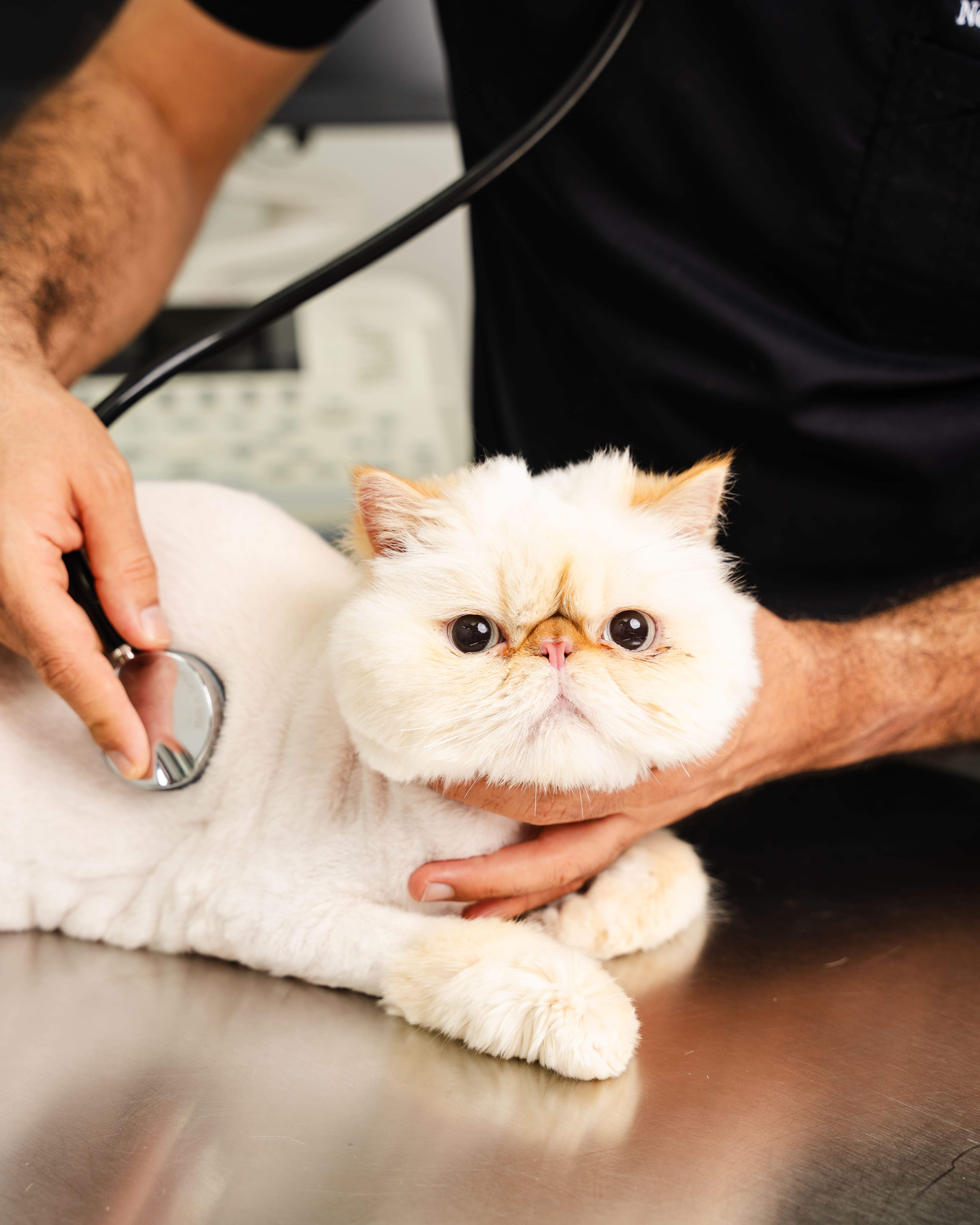
Grooming a pregnant cat requires gentle care and close attention to her comfort. Watch for signs of stress or discomfort during the process to keep her safe. Regular checks can help spot health issues early while maintaining her cleanliness.
Grooming your pregnant cat is more than just keeping her clean; it’s an excellent opportunity to monitor her health. By being attentive during these sessions, you can spot potential issues early and ensure a smooth pregnancy. Plus, grooming helps strengthen your bond, offering comfort to your feline friend when she needs it most.Spotting Skin Issues
During grooming, pay close attention to your cat’s skin. Look for redness, bumps, or bald patches, which could indicate allergies or infections. Early detection means you can address these problems before they become serious. Regularly check her ears for wax buildup or unusual odors, as these can be signs of an ear infection. Don’t forget to observe her paws and nails; swelling or discoloration might suggest underlying health issues.Noticing Behavioral Changes
Grooming also allows you to notice any behavioral changes in your cat. Is she more sensitive in certain areas? This could be due to discomfort or pain. If your usually docile cat becomes aggressive or unusually shy, it might be an indicator of stress or other underlying issues. Monitoring her behavior during grooming can give you valuable insights into her well-being. Consider if she seems more tired or less interested in grooming than usual. These subtle changes can be important clues to her overall health during pregnancy.
Credit: www.aol.com
When To Consult A Veterinarian
Pregnant cats need gentle care during grooming. Knowing when to consult a veterinarian ensures your cat stays safe. Some signs show that professional help is necessary to avoid harm to the mother and her kittens.
Signs Of Grooming-related Problems
- Red or irritated skin after grooming
- Excessive licking or scratching in one area
- Swelling or lumps on the skin
- Unusual discharge or odor from the skin
- Changes in behavior such as hiding or restlessness
- Loss of appetite or lethargy after grooming
These signs may indicate discomfort or infection. Immediate veterinary advice helps prevent complications.
Professional Grooming Options
Veterinarians or trained groomers understand pregnant cats’ special needs. They use safe techniques and tools to reduce stress and risk.
Some professional services offer gentle baths, nail trimming, and fur trimming. This care helps keep the cat clean without causing harm.
Choosing a skilled professional can protect your cat and her unborn kittens during grooming sessions.
Frequently Asked Questions
Can I Safely Groom My Pregnant Cat At Home?
Yes, you can groom your pregnant cat gently at home. Use a soft brush and avoid stressful handling. Always watch for signs of discomfort and stop if she seems stressed. Regular grooming helps keep her coat clean and reduces shedding.
How Often Should I Groom A Pregnant Cat?
Groom your pregnant cat 2-3 times a week. This frequency helps maintain her coat without causing stress. Pregnant cats may groom less, so regular brushing prevents matting and hairballs. Always be gentle and patient during grooming sessions.
Are There Grooming Tools Safe For Pregnant Cats?
Use soft-bristled brushes or grooming gloves for pregnant cats. Avoid sharp or harsh tools that could hurt her skin. These gentle tools help remove loose fur and dirt without causing discomfort or stress. Keep tools clean to prevent infections.
Can Grooming Affect My Pregnant Cat’s Health?
Proper grooming supports your cat’s health by preventing mats and skin issues. However, rough grooming can cause stress or injury. Always handle your pregnant cat gently and avoid excessive grooming. If unsure, consult your vet before grooming.
Conclusion
Grooming a pregnant cat requires gentle care and patience. Keep sessions short and calm to avoid stress. Use soft brushes and avoid harsh chemicals. Watch your cat’s reactions closely for any discomfort. Cleanliness helps prevent infections and keeps her comfortable.
Always consult a vet if unsure about grooming steps. Caring well now supports her and her future kittens. Small efforts make a big difference in her health. Treat her with kindness and care throughout pregnancy.




Leave a Reply