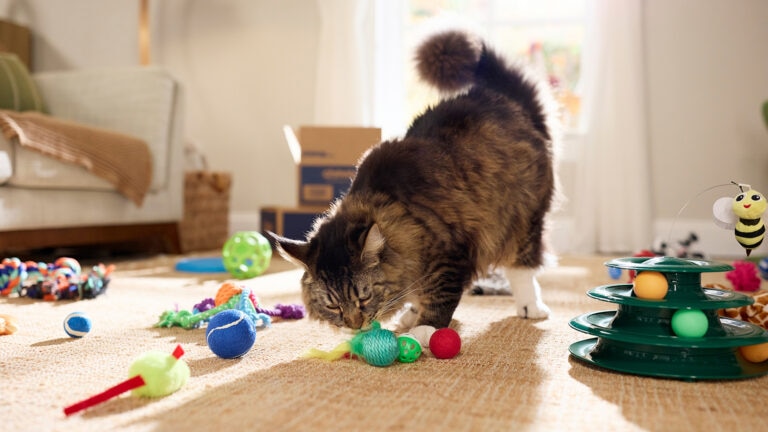
Have you ever caught your cat dropping toys into their water bowl and wondered why they do it? It might seem strange or even a little messy, but there’s more to this behavior than meets the eye.
Understanding why your cat puts toys in water can reveal important things about their instincts and feelings. If you want to get closer to your furry friend and better understand their curious habits, keep reading—you’ll discover surprising reasons behind this odd but common behavior.

Credit: www.reddit.com
Cats And Their Toy Habits
Cats have unique ways of playing with their toys. Their toy habits reveal much about their personality and instincts. Understanding these habits helps pet owners provide better care and entertainment for their cats.
Some behaviors are common among many cats. Others show unique interactions that make each cat special. Toys become more than just objects; they become tools for learning and fun.
Common Play Behaviors
- Batting toys around with paws
- Chasing moving toys
- Carrying toys in their mouth
- Hiding toys in secret spots
- Stalking and pouncing on toys
These actions mimic hunting skills cats need in the wild. Play helps cats stay active and sharp.
Unique Toy Interactions
Some cats show unusual habits with toys. Putting toys in water is one example. This behavior may come from curiosity or a way to test the toy’s texture.
Other cats might toss toys in the air or drag them to different rooms. Each cat finds its own way to enjoy playtime. Observing these habits reveals their mood and preferences.
Water And Cat Play
Water adds a unique twist to your cat’s playtime. Many cat owners notice their pets dipping toys into water or playing near water bowls. This curious behavior shows how water can transform simple play into a more stimulating experience for your feline friend.
Cats’ Relationship With Water
Most cats don’t love getting wet, but their relationship with water is more complex than it seems. Some cats are fascinated by moving water, like dripping faucets or splashing bowls. This attraction might come from their natural curiosity or the way water reflects light and sound.
Think about your own cat’s reaction to water. Have you seen them paw at a water bowl or fish out a toy they’ve dropped? These small moments reveal how water can engage their senses beyond the usual dry toys.
How Water Changes Playtime
Water turns ordinary play into a multi-sensory adventure. When toys get wet, they move differently—slipping, splashing, and even making new sounds. This change keeps your cat interested and challenges their hunting instincts.
You can encourage this by adding shallow water dishes or small pools for your cat to explore. Notice how they chase floating toys or try to scoop water with their paws. These activities provide mental stimulation and physical exercise, which are crucial for indoor cats.
Have you ever tried adding water to your cat’s play area? It might unlock new ways for your pet to stay active and entertained, turning simple toys into exciting puzzles.
Reasons For Placing Toys In Water
Cats often place toys in water to mimic hunting behavior or to keep their prey “fresh. ” This action can also show curiosity or a desire to play with moving objects. Sometimes, cats just enjoy the cool feel of water on their toys.
Cats often display quirky behaviors that intrigue their owners. One such behavior is placing toys in water. This action may seem odd, yet it serves several purposes for our feline friends. Understanding these reasons can help cat owners better cater to their pets’ needs and curiosities.Instinctive Hunting Behavior
Cats have strong hunting instincts. Dropping toys in water mimics hunting in the wild. This satisfies their natural urge to hunt and catch prey.Curiosity And Exploration
Cats are curious creatures. Water and toys are fascinating for them. Combining the two creates a new play experience. This satisfies their need for exploration and discovery.Scent Marking And Territory
Cats mark their territory using scent. Placing toys in water can help spread their scent. This behavior reassures them of their environment.Seeking Attention
Sometimes, cats want attention from their owners. Dropping toys in water might catch your eye. It’s their way of saying, “Look at me!”Cooling Down And Sensory Play
Water offers a different sensory experience. It can help cats cool down during warm days. Playing with toys in water provides a refreshing change in their play routine.
Credit: www.amazon.ca
Types Of Toys Cats Prefer In Water
Cats enjoy playing with toys in water for many reasons. The type of toy matters a lot to them. Different textures and shapes attract their attention in unique ways. Some toys float, while others sink or absorb water. Understanding these preferences helps keep cats entertained and happy.
Floating Toys
Floating toys are popular because cats can easily bat them around. These toys move on water, mimicking the behavior of prey. Cats love to chase and catch them. Small balls or plastic shapes that float are good choices. They offer fun and exercise without getting lost underwater.
Soft Vs. Hard Toys
Soft toys feel different in a cat’s paws than hard ones. Soft toys often absorb water, becoming heavier and more interesting to carry. Hard toys resist water, staying light and easy to push. Cats may prefer soft toys for chewing and hard toys for batting. Both types offer unique play experiences in water.
Homemade Toy Choices
Simple homemade toys can be great for water play. Items like corks, bottle caps, or small sealed containers float well. Soft cloth pieces tied to string can also provide fun textures. Homemade toys are safe and affordable. They allow creativity and can be replaced easily if damaged.
How To Encourage Safe Water Play
Encouraging your cat to play safely with water toys can be a fun and enriching experience for both of you. It’s important to create an environment where your cat’s curiosity thrives without risking health or mess. Small adjustments to your setup can make water play both enjoyable and safe.
Safe Water Sources
Use fresh, clean water for your cat’s water play. Tap water is usually fine, but if you notice your cat is sensitive or your local water quality is questionable, consider filtered or bottled water. Avoid stagnant water or anything that might contain bacteria or chemicals that could harm your cat.
Try filling a shallow container or a pet water fountain designed for cats. These options provide a controlled water source that reduces the chance of spills and contamination. Have you noticed how your cat reacts to different water depths? Adjust based on their comfort and curiosity.
Supervised Play Tips
Always watch your cat during water play to prevent accidents. Even if your cat seems confident, unexpected slips or ingestion of too much water can happen quickly. Your presence also lets you redirect their play if things get too rough or messy.
Set short play sessions and gradually increase the time if your cat stays engaged without stress. You can even join in by moving toys gently in the water—this keeps your cat interested and ensures you’re ready to step in if needed. What’s your cat’s favorite toy to splash around?
Toy Maintenance And Hygiene
Keep water toys clean to avoid germs building up. Rinse toys thoroughly after each play session and dry them before storing. Mold and bacteria can grow quickly on wet toys, posing a health risk to your cat.
Replace toys that show signs of wear or damage. Soft or porous toys might absorb water and harbor bacteria, so opt for durable, non-toxic materials. Have you checked your cat’s water toys recently? A quick inspection can save you a vet visit later.

Credit: www.reddit.com
When To Be Concerned
Not every time your cat dips toys in water should raise alarms, but there are moments when this behavior signals something more serious. Understanding when to be concerned helps you protect your furry friend’s well-being. Watch for changes in behavior that go beyond simple playfulness.
Signs Of Stress Or Anxiety
Your cat might use water and toys as a way to cope with stress. Look for signs like:
- Sudden aggression or withdrawal
- Excessive grooming or hair loss
- Changes in eating or litter box habits
- Constant vocalization or pacing
If your cat’s water play seems frantic or obsessive, it could be a signal of anxiety. Have you noticed your cat acting differently after a change in environment or routine? Stress often hides behind unusual behaviors like this.
Excessive Water Play Issues
Playing with water is normal, but too much can cause problems. Excessive water play might lead to:
- Skin irritation or infections from constant moisture
- Damage to household items or water spills creating hazards
- Disruption of your cat’s regular activities and sleep
When water play dominates your cat’s day, it’s time to step back. Ask yourself if this behavior interferes with your cat’s health or your home’s safety. Is the water play a sign of boredom or something deeper?
Consulting A Veterinarian
If you see signs of stress or excessive water play, don’t hesitate to seek professional advice. A veterinarian can:
- Rule out medical issues like skin conditions or neurological problems
- Provide guidance on managing anxiety or compulsive behaviors
- Recommend environmental changes or therapies to help your cat
Sometimes what seems like a quirky habit hides a health concern. Have you checked with your vet to ensure your cat’s behavior isn’t a symptom? Early intervention can make a big difference.
Frequently Asked Questions
Why Do Cats Put Toys In Water Bowls?
Cats often place toys in water to mimic hunting behavior. This action reflects their natural instincts to catch prey near water. It also adds play excitement and mental stimulation. Additionally, some cats enjoy the sensory experience of wet toys in water.
Is Putting Toys In Water Normal Cat Behavior?
Yes, it is normal behavior. Cats show their hunting skills by dragging toys to water. This habit is a form of play and exploration. It helps them engage their senses and satisfy natural instincts. Most cats exhibit this behavior occasionally.
Does Water Protect Toys From Cats?
Cats may put toys in water to “hide” or protect them. Water acts as a safe spot where they can retrieve toys later. This behavior indicates their attachment to the toy as a prized possession. It also adds fun and challenge to their playtime.
Can Putting Toys In Water Harm Cats?
Generally, no. Most cats safely play with water and toys. However, ensure the water is clean to prevent infections. Avoid small toys that can cause choking if swallowed. Supervise playtime to keep your cat safe and healthy.
Conclusion
Cats often put toys in water out of curiosity or play. They enjoy watching how water moves and changes things. This behavior can also mimic hunting instincts. It helps cats stay entertained and mentally active. Observing your cat’s water play can be fun and insightful.
Remember to keep their water clean and safe. Understanding this habit can improve your bond with your pet. Each cat is unique, so watch how yours interacts with toys and water. This simple act shows how clever and playful cats really are.


Leave a Reply