Have you ever noticed your cat struggling to clean itself? Sometimes, cats can’t groom properly due to age, illness, or other reasons.
This can leave their fur dirty, matted, or uncomfortable. You might wonder if giving your cat a bath is the right solution. Bathing a cat isn’t always easy, and it can be stressful for both of you. But when your furry friend can’t fully groom, a bath might be exactly what they need.
Keep reading to discover when and how you should bathe a cat that can’t clean itself—and how to make the experience safe and calm for your pet.
When Cats Need Help Grooming
Cats usually keep themselves clean by grooming their fur daily. Grooming helps remove dirt, loose hair, and parasites. Sometimes, cats cannot groom properly due to health or age problems. In these cases, they need help to stay clean and healthy.
Signs Of Grooming Difficulties
- Mattes or clumps of fur that do not come out
- Unusual odor from the fur or skin
- Excessive shedding or bald spots
- Greasy or dirty coat appearance
- Scratching or licking a specific area too much
- Visible wounds or skin irritation
- Changes in behavior, such as hiding or lethargy
Common Causes For Grooming Issues
- Older age making movement hard
- Arthritis or joint pain limiting reach
- Dental problems causing pain while grooming
- Skin conditions like allergies or infections
- Obesity restricting flexibility
- Neurological problems affecting coordination
- Stress or depression reducing grooming habits
Preparing For A Cat Bath
Bathing a cat that cannot groom itself fully requires careful preparation. A calm and organized approach helps reduce stress for both you and your cat. Preparing the right supplies and setting up a safe area makes the bath easier and safer.
Choosing The Right Bathing Supplies
Select gentle, cat-specific shampoo to protect your cat’s skin. Avoid human or dog shampoos as they can irritate. Use a soft washcloth or sponge to apply shampoo gently.
- Cat shampoo (tear-free and mild)
- Large towel for drying
- Non-slip mat to prevent slipping
- Plastic cup or handheld sprayer for rinsing
- Brush for detangling fur before bath
Gather everything before starting the bath to avoid leaving your cat unattended.
Setting Up A Safe Bathing Area
Choose a quiet room with a small, enclosed space. A sink or small tub works well for better control. Place a non-slip mat or towel at the bottom to stop slipping.
- Ensure water temperature is lukewarm, not hot
- Keep all supplies within reach
- Remove distractions and loud noises
- Close doors and windows to keep your cat inside
Prepare to move slowly and speak softly to keep your cat calm during the bath.
Bathing Steps For Cats
Bathing a cat that struggles to groom itself can be a challenging task. The key is to approach the process with care and patience. These bathing steps will help you keep your cat clean while reducing stress for both of you.
How To Introduce Water Calmly
Start by creating a calm environment. Speak softly and move slowly to avoid startling your cat.
Let your cat explore the water area without forcing it in. Use a damp cloth to gently wipe its fur first, helping it get used to the sensation of moisture.
Would your cat feel more comfortable if you used a shallow basin instead of a full sink or tub? Testing different setups can make a big difference.
Washing Techniques For Sensitive Cats
Use lukewarm water, never too hot or cold, to keep your cat comfortable. Apply a small amount of cat-safe shampoo and lather gently, focusing on areas that need cleaning most.
Keep your strokes slow and soothing, avoiding the face and ears. You can use a soft cloth or sponge for delicate areas.
Remember, some cats dislike water on their heads, so clean the face with a damp cloth instead of direct rinsing.
Rinsing And Drying Tips
Rinse thoroughly to remove all shampoo residue, which can irritate your cat’s skin. Use a cup or gentle sprayer with warm water for this step.
Pat your cat dry with a soft towel immediately after rinsing. Avoid rubbing vigorously, as this can stress your cat and tangle its fur.
If your cat tolerates it, use a low-heat hairdryer on a quiet setting, but keep the device at a safe distance. How does your cat respond to noise during drying?
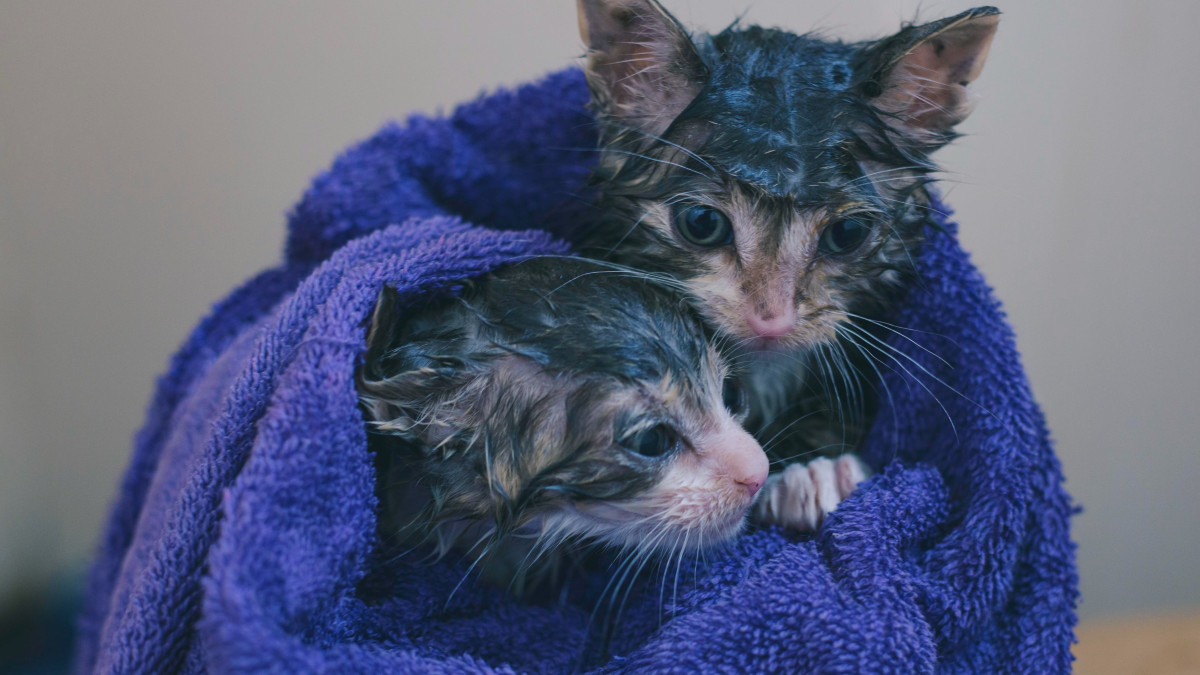
Credit: pethelpful.com
Alternatives To Full Baths
Bathing a cat that cannot groom itself fully can be stressful for both pet and owner. Full baths might not always be necessary or practical. There are gentle alternatives to keep your cat clean without the hassle of water and soap. These methods help maintain hygiene while keeping your cat calm and comfortable.
Using Grooming Wipes
Grooming wipes are a quick and easy way to clean your cat’s fur. They remove dirt and oils without needing water. Choose wipes made specifically for cats to avoid skin irritation. Gently rub the wipe over your cat’s coat, focusing on dirty areas. These wipes also help reduce odors and keep fur soft. Use grooming wipes regularly to maintain cleanliness between baths.
Brushing And Spot Cleaning
Brushing your cat helps remove loose fur and dirt. It stimulates natural oils that keep the coat healthy. Use a brush suitable for your cat’s fur type. For small dirty spots, use a damp cloth or pet-safe cleanser. Dab the area gently without soaking the fur. This method keeps your cat clean and comfortable without the stress of full baths.
Aftercare And Monitoring
Monitor your cat closely after bathing to check for any skin irritation or stress signs. Keep the fur dry and warm, and groom gently to help with cleanliness. Regular checks ensure your cat stays comfortable and healthy.
After giving your cat a bath, the next steps are crucial. Proper aftercare and monitoring ensure your cat’s health and comfort. This phase is essential for cats that cannot groom themselves fully. A gentle approach during aftercare helps maintain their well-being. Let’s dive into the key aspects of this process.Checking Skin And Coat Health
Inspect your cat’s skin for any redness or irritation. Look closely at the coat for signs of dryness or tangles. A healthy coat should feel smooth and shiny. Use your fingers to gently part the fur. Check for any hidden issues, like bumps or cuts. Regular checks help prevent potential problems.When To Seek Veterinary Advice
Contact a vet if you notice persistent skin issues. Keep an eye on your cat’s behavior post-bath. Lethargy or excessive scratching may indicate discomfort. In such cases, a vet’s guidance can be invaluable. Professional advice ensures your cat remains healthy and happy.
Credit: felinefancy.co.uk

Credit: www.reddit.com
Frequently Asked Questions
How Often Should You Bathe Cats That Can’t Groom?
Cats unable to groom may need baths every 2-4 weeks. Frequency depends on their health and cleanliness. Regular bathing helps remove dirt and oils, preventing skin issues. Always use cat-safe shampoo and consult a vet for best bathing routines.
Can Bathing Stressed Cats Worsen Their Condition?
Bathing stressed cats can increase anxiety if not done gently. Use calm, slow movements and soothing tones. Short baths with minimal water help reduce stress. Gradual acclimation to bathing may improve their tolerance over time.
What Supplies Are Needed To Bathe Cats That Can’t Groom?
Use cat-specific shampoo, lukewarm water, a soft towel, and a non-slip mat. Avoid human shampoos and harsh chemicals. Have treats ready to reward calm behavior. Proper supplies ensure a safe and effective bath experience.
Is Professional Grooming Better For Cats Unable To Self-clean?
Professional groomers have experience handling difficult cats and can bathe them safely. They use specialized tools and techniques to minimize stress and discomfort. For severely unkempt cats, professional grooming is often the safest and most effective choice.
Conclusion
Bathing cats that cannot groom themselves helps keep them clean and healthy. It also prevents mats and skin problems. Use gentle shampoos made for cats and warm water. Keep the bath short to reduce stress. Always dry your cat carefully after washing.
Regular grooming can improve your cat’s comfort and happiness. Trust your cat’s mood and stop if they get too scared. Caring for a cat that cannot groom needs patience and kindness. This small effort makes a big difference in your pet’s life.




Leave a Reply