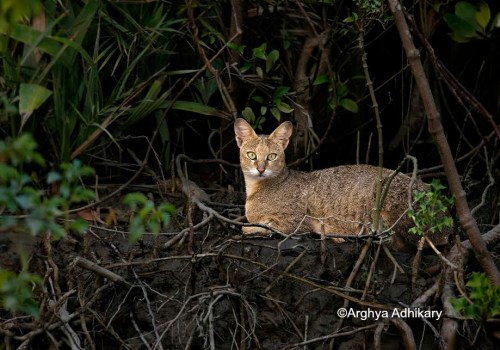
Have you ever wondered why some jungle cats have those perfectly rounded ears that make them look so unique and mysterious? If you’re curious about which breeds of jungle cats sport these charming rounded ears, you’re in the right place.
Understanding these distinct features can help you appreciate the wild beauty of these animals even more. Keep reading, and you’ll discover fascinating facts that will change the way you see jungle cats forever.
Jungle Cats With Rounded Ears
Jungle cats with rounded ears display unique features that set them apart in the wild. These cats often have ears that are softly curved rather than pointed. Their ear shape plays a role in their behavior and survival. Understanding these traits helps us learn more about their lifestyle and environment.
Physical Traits Of Rounded Ears
Rounded ears on jungle cats are usually short and broad. They lack the sharp tips seen in other wild cats. This shape helps reduce heat loss in cooler forests. The ears also have thick fur inside for protection. Their rounded shape may improve sound direction. It allows the cat to hear prey moving nearby.
Evolutionary Significance
Rounded ears evolved to help jungle cats survive in dense habitats. They aid in blending with the forest environment. This ear shape reduces noise from wind and leaves. It helps the cat stay hidden from predators and prey. Over time, natural selection favored cats with rounded ears. These ears also protect from insect bites and harsh weather.

Credit: wildcatconservation.org
Top Species With Rounded Ears
Rounded ears are a distinctive feature among several jungle cat species. They often help these cats in sensing their surroundings and communicating with other animals. Understanding which species sport these charming rounded ears can deepen your appreciation for their unique adaptations and behaviors.
Fishing Cat
The Fishing Cat stands out with its small, rounded ears that sit low on its head. These ears help reduce water resistance when the cat hunts in streams and wetlands. Have you ever noticed how their ears stay alert even while they’re focused on catching fish?
This species uses its rounded ears to detect subtle sounds of prey moving underwater. Their ear shape plays a practical role, balancing sensitivity with protection from splashes. It’s a perfect example of form meeting function in the wild.
Leopard Cat
Leopard Cats have rounded ears covered with white spots on the back, which are thought to confuse predators or signal other cats. Their ears are not just cute but essential for acute hearing during night hunts. Can you imagine relying on your hearing as much as they do?
These cats use their rounded ears to pick up faint rustlings in the underbrush. This helps them stalk prey silently and avoid danger. Their ear shape enhances their stealth and survival skills in dense forests.
Rusty-spotted Cat
The Rusty-Spotted Cat is one of the smallest wild cats, yet it carries well-defined rounded ears. These ears help it stay alert to predators and prey in its habitat. Have you seen how even the tiniest jungle cats have evolved such practical features?
Its rounded ears improve hearing sensitivity, which is crucial for hunting small rodents and insects at night. This adaptation boosts its chances of survival despite its size. Rounded ears, in this case, are a small but powerful tool in the cat’s daily life.
Adaptations Linked To Ear Shape
Jungle cats with rounded ears show unique adaptations. Their ear shape helps them survive and thrive in wild habitats. Rounded ears affect how these cats hear sounds and how they blend into their environment. These traits are essential for hunting and avoiding danger.
Hearing Abilities
Rounded ears improve sound detection from many directions. They help jungle cats catch soft noises made by prey. The shape also reduces wind noise, making it easier to focus on important sounds. This feature gives them an advantage during night hunts. It helps them locate small animals moving in dense forests.
Camouflage And Behavior
Rounded ears blend better with the jungle environment. They create fewer shadows and sharp lines on the cat’s head. This helps cats stay hidden from both predators and prey. Cats with rounded ears often move quietly and stay low to the ground. This behavior matches their ear shape, increasing their chances to surprise prey.
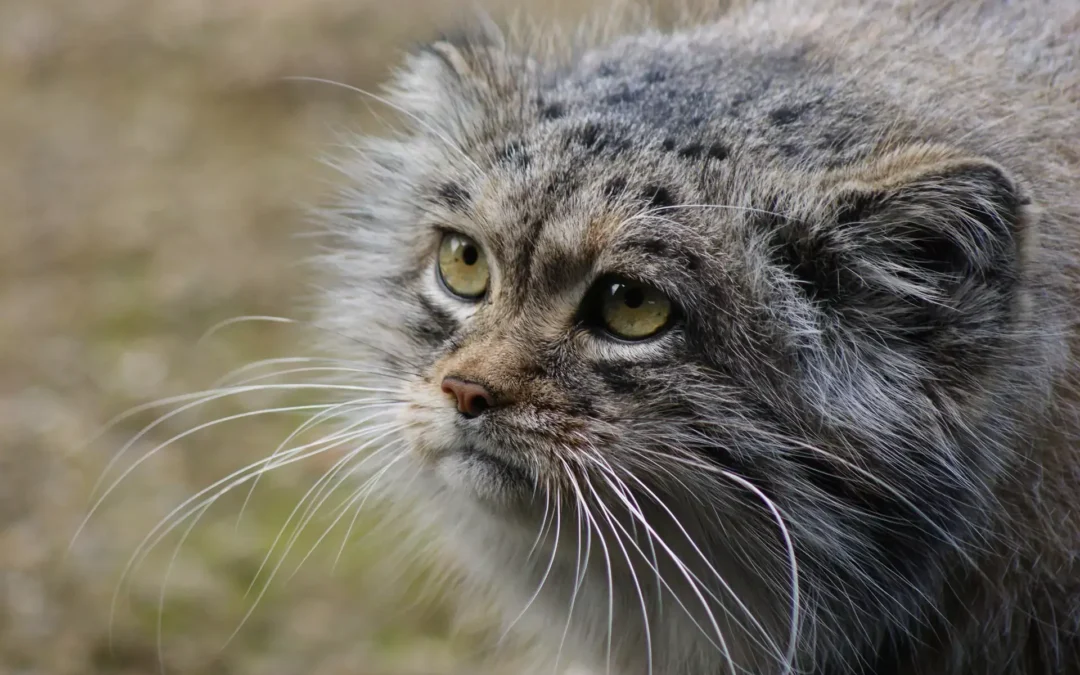
Credit: heronlakesvet.com
Comparing Rounded And Pointed Ears
Understanding the difference between rounded and pointed ears in jungle cat breeds can reveal a lot about their behavior and environment. These ear shapes are not just random traits; they play a significant role in how these cats survive and thrive. Let’s look at what sets these ear types apart and why it matters to you as a cat enthusiast or wildlife observer.
Differences In Habitat
Rounded ears often belong to jungle cats living in dense forests or areas with thick vegetation. These environments require acute hearing to detect prey and predators amidst the noise and clutter. On the other hand, pointed ears are common in cats from open or arid regions where sound travels differently and spotting prey visually is just as important.
Think about it: if you lived in a noisy city, wouldn’t you need sharper hearing to pick out important sounds? Rounded ears help jungle cats focus on subtle noises without interference.
Impact On Hunting Techniques
The shape of a jungle cat’s ears directly influences its hunting strategy. Cats with rounded ears tend to rely more on stealth and listening for the slightest movement. This makes them excellent ambush predators in shadowy forests.
Conversely, pointed ears enhance directional hearing, allowing cats to pinpoint prey quickly in open spaces. This helps them chase or stalk effectively where visibility is higher but sound cues are scattered.
Have you noticed how your own hearing changes in different environments? Jungle cats adapt their ear shapes similarly to match their hunting needs.
Conservation Status Of Rounded-ear Jungle Cats
Rounded-ear jungle cats face various conservation challenges. These unique felines captivate with their distinct appearance. Yet, their survival is threatened. Understanding their conservation status is crucial.
Threats And Challenges
Rounded-ear jungle cats encounter numerous threats in the wild. Habitat loss is a major concern. Human activities reduce their living spaces. Deforestation and agriculture expansion worsen this issue.
Illegal hunting also poses a threat. Hunters target these cats for their fur. This illegal trade diminishes their population. Road accidents further endanger them. Many cats die crossing busy roads.
Protection Efforts
Conservationists work hard to protect these jungle cats. Protected areas are established for them. These reserves offer safe habitats. Conservation laws play a vital role. They help reduce illegal hunting.
Education campaigns raise awareness. They teach about the importance of these cats. Local communities learn to coexist. Such efforts are crucial for their survival.
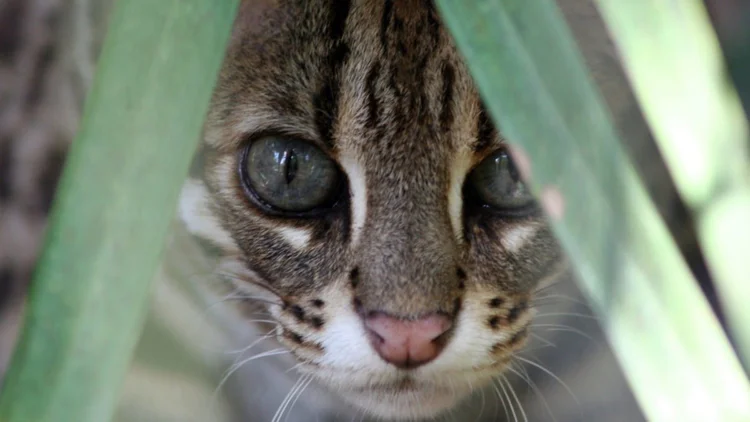
Credit: bigcatrescue.org
Frequently Asked Questions
Which Jungle Cat Breeds Have Rounded Ears?
Jungle cat breeds like the Fishing Cat and the Leopard Cat have distinct rounded ears. These ears help them hear prey better in dense forests. Rounded ears are a key feature distinguishing these breeds from others with pointed ears.
Why Do Some Jungle Cats Have Rounded Ears?
Rounded ears in jungle cats improve sound detection and aid hunting. This ear shape helps funnel sounds from various directions. It also provides camouflage in forest habitats by reducing visible outlines.
How Do Rounded Ears Benefit Jungle Cats?
Rounded ears enhance jungle cats’ hearing accuracy and stealth. They help detect prey movements in dense vegetation. This ear shape also protects the ears from injury in thick underbrush.
Are Rounded Ears Common In All Wild Cat Species?
No, rounded ears are specific to certain wild cat species like the Jungle Cat and Fishing Cat. Other species may have pointed or tufted ears for different environmental adaptations.
Conclusion
Jungle cats with rounded ears stand out in the wild. These unique features help them hear better and stay alert. Breeds like the Fishing Cat and the Andean Mountain Cat show this trait clearly. Knowing these breeds helps us appreciate nature’s variety.
Each cat has special traits suited to its home. Watching them teaches us about survival and adaptation. Rounded ears are more than looks—they serve a real purpose. Understanding these cats adds to our love for wildlife. Keep exploring to discover more about jungle cats.




Leave a Reply