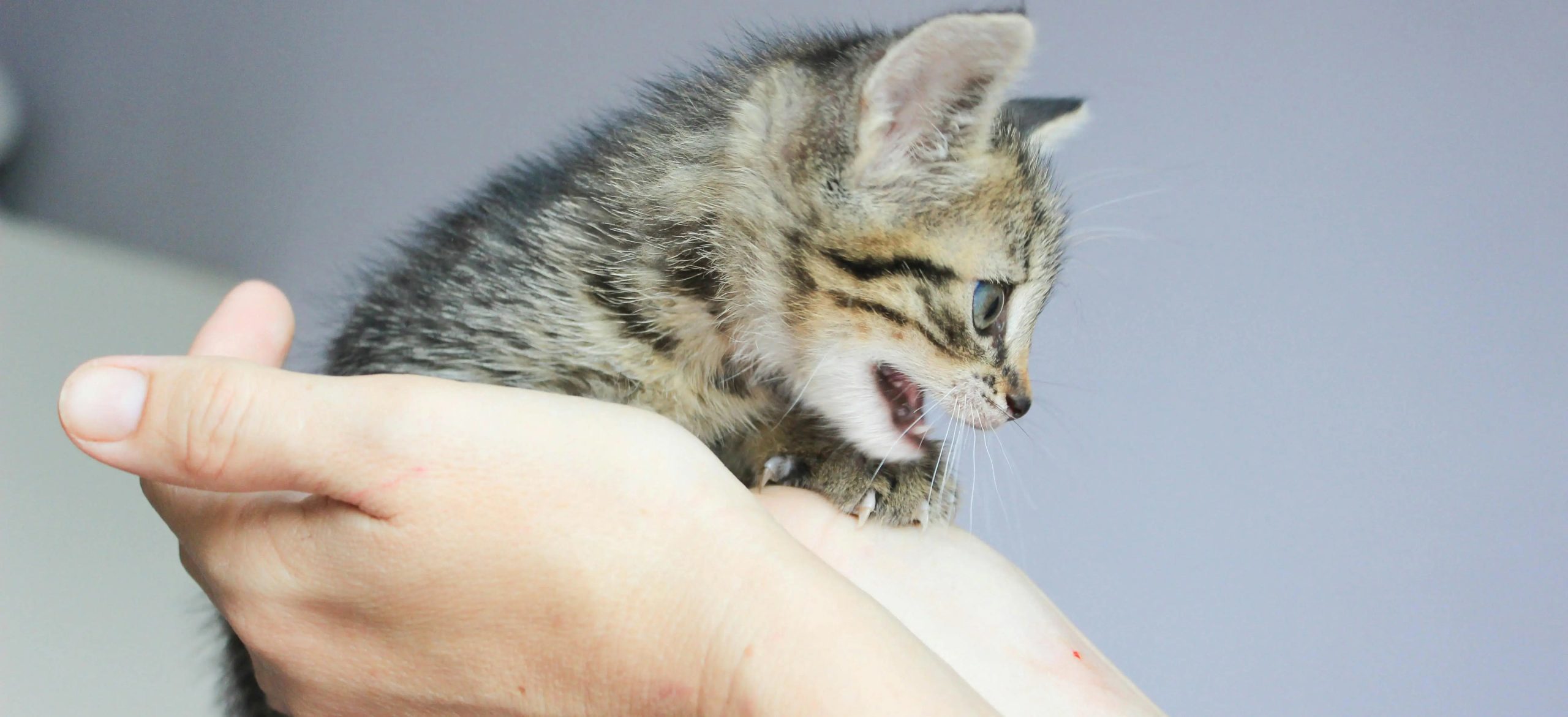
Have you ever noticed your cat biting its own skin while grooming and wondered why it does that? It might seem a little odd or even worrying at first.
But understanding this behavior can help you keep your furry friend happy and healthy. You’ll discover the surprising reasons behind your cat’s skin biting and what it means for their wellbeing. Keep reading to learn how to recognize if it’s normal grooming or a sign that your cat needs help.
Common Grooming Behaviors
Understanding your cat’s grooming habits helps you spot what’s normal and what might need attention. Cats spend a good part of their day licking and cleaning themselves, which is a natural behavior to stay fresh and healthy. But not every bite or scratch during grooming is the same—some are part of routine care, while others might signal a problem.
Normal Grooming Patterns
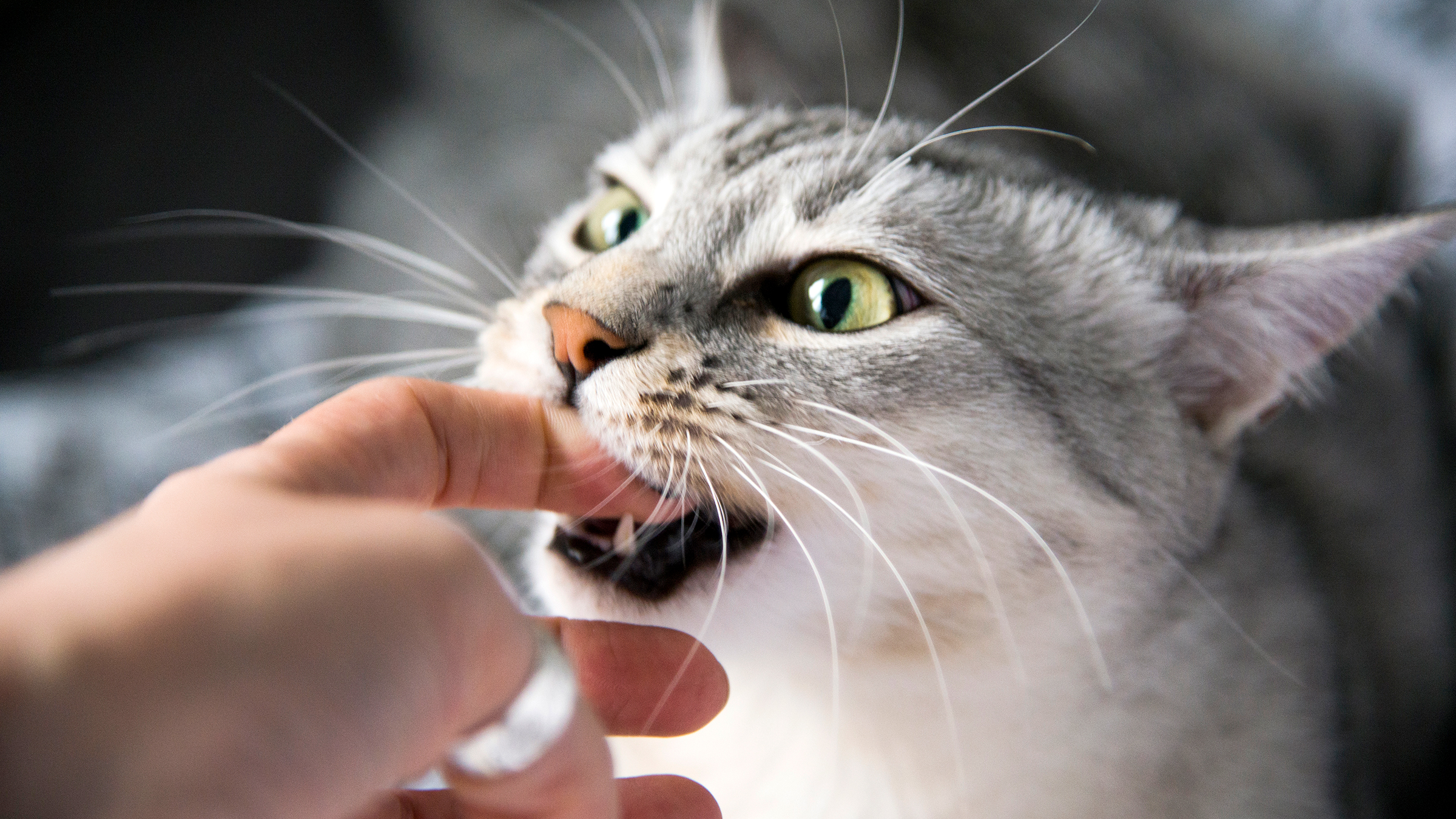
Most cats groom by licking their fur to remove dirt, loose hair, and parasites. They use their rough tongues to clean hard-to-reach areas, like behind their ears or under their legs. This behavior keeps their coat shiny and skin healthy.
You might notice your cat biting gently at their fur or skin during grooming. This usually helps loosen dead fur or remove small irritants. It’s similar to how you might scratch an itch—usually brief and controlled.
Does your cat stop licking when you call them or when something distracts them? That’s a good sign their grooming is balanced and not compulsive.
When Grooming Turns Excessive
Excessive biting or chewing at the skin can be a red flag. If your cat is biting so much that it causes sores, redness, or hair loss, it’s time to investigate. Stress, allergies, or parasites like fleas can trigger this behavior.
Sometimes, cats develop what’s called “psychogenic alopecia,” where they groom obsessively due to anxiety. Think about whether your cat’s environment has changed recently—new pets, loud noises, or shifts in your routine can stress them out.
Keep an eye on how often your cat grooms and if the behavior seems to be worsening. If grooming seems to interrupt their sleep or playtime, or if you see skin damage, consult your vet for guidance.
Credit: www.goodrx.com
Causes Of Skin Biting
Cats biting their skin while grooming can signal several underlying problems. Understanding these causes helps address the issue quickly. It prevents further skin damage and discomfort for your pet.
Skin biting may start as a simple grooming habit but can become a sign of distress or illness. Identifying the root causes is essential for proper care.
Allergic Reactions
Allergies cause itchy, irritated skin in cats. Common allergens include food, pollen, dust, and chemicals. Cats bite their skin to relieve the itching and discomfort. Allergic reactions often lead to redness and swelling.
Parasite Infestations
Parasites like fleas, mites, or ticks cause intense itching. Cats bite and scratch to remove these pests. Parasites can also cause skin wounds and infections. Regular parasite control prevents these infestations.
Skin Infections
Bacterial or fungal infections cause pain and itchiness. Cats bite infected areas to ease irritation. These infections may result from wounds or allergies. Prompt veterinary care is vital to treat skin infections.
Stress And Anxiety
Stress triggers excessive grooming and skin biting. Cats may bite their skin to self-soothe during anxiety. Changes in environment or routine can cause stress. Behavioral issues sometimes require professional help.
Pain Or Discomfort
Pain from injuries or underlying health problems makes cats bite their skin. They focus on painful spots to try to relieve discomfort. Arthritis or nerve issues can also cause this behavior. Veterinary diagnosis helps find and treat pain sources.
Identifying Problem Areas
Noticing your cat biting its skin during grooming can be a signal that something is wrong. Identifying the exact problem areas helps you address the issue before it worsens. Paying close attention to subtle signs and changes in behavior can make all the difference for your cat’s comfort and health.
Signs Of Irritation
Look for redness, swelling, or small sores on your cat’s skin. These can indicate irritation or an allergic reaction. You might also spot hair loss or scabs around the spots your cat frequently bites.
Sometimes, the skin may appear dry or flaky. If your cat’s fur feels greasy or smells unusual, that’s another red flag. Keep an eye out for repeated scratching or licking in specific areas—it shows where your cat feels discomfort.
Behavioral Changes
Has your cat become more restless or irritable lately? Changes in mood often accompany physical discomfort. If your cat avoids being touched in certain spots or suddenly hides more often, it’s a sign something is wrong.
Notice if your cat grooms excessively in one area, even to the point of causing damage. This behavior can indicate stress, allergies, or parasites. Have you seen your cat biting or scratching more after a new food or environment change? That could help pinpoint the cause.
Credit: americanpaws.club
Health Risks From Skin Biting
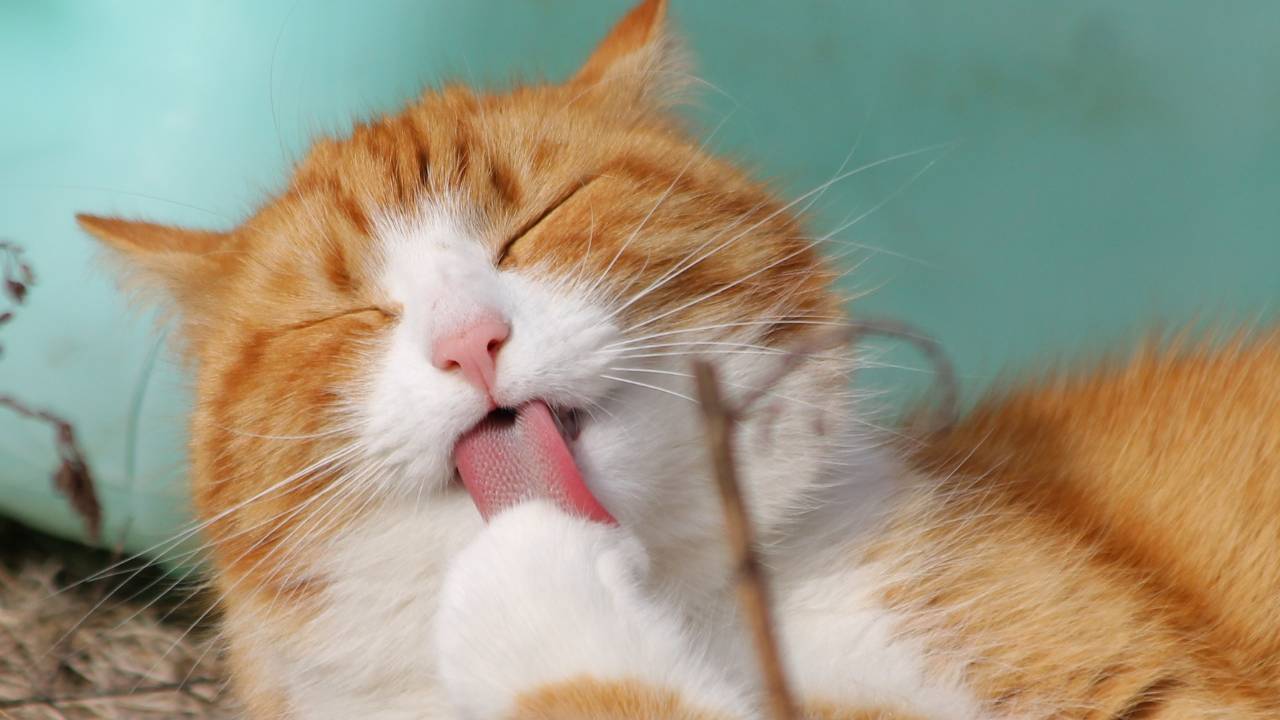
Cats biting their skin during grooming can cause wounds and infections. Constant biting may lead to hair loss and skin irritation. These health risks need attention to keep cats safe and comfortable.
Cats biting their skin during grooming might seem like a quirky habit, but it can lead to several health risks you should be aware of. This behavior, often triggered by itchiness or discomfort, can have serious implications for your furry friend’s well-being. Understanding these risks can help you take the necessary steps to ensure your cat remains healthy and happy.Open Wounds And Infections
When cats bite their skin, they can create open wounds. These open spots become a gateway for bacteria and dirt, leading to infections. Have you ever noticed your cat licking a specific area repeatedly? It might be worth a closer look to ensure there’s no wound that could become infected. Infections can cause redness, swelling, and even pus. They can make your cat feel uncomfortable and may require antibiotics to heal. Regularly checking your cat’s skin for any open wounds can prevent this from happening.Hair Loss And Scarring
Frequent biting and grooming can lead to hair loss. This not only affects your cat’s appearance but can cause skin to be more exposed and vulnerable. Have you noticed any bald patches on your cat’s fur? It’s a sign that their grooming behavior might be excessive. Over time, this can also result in scarring. Scars can be permanent, altering the texture and appearance of your cat’s skin. Ensuring your cat maintains a balanced grooming routine is essential for preventing these long-term effects. Incorporating regular vet check-ups and monitoring your cat’s grooming habits can make a world of difference. Take action at the first sign of excessive biting to protect your cat from these potential health risks.Treatment Options
Treating a cat that bites its skin during grooming requires understanding the root cause. Treatment varies based on diagnosis, severity, and the cat’s overall health. Careful management helps reduce discomfort and prevent further skin damage. Choosing the right approach ensures your cat feels better quickly.
Veterinary Diagnosis
A vet will examine the cat to find the cause of skin biting. They check for allergies, parasites, infections, or injuries. Sometimes, blood tests or skin scrapings are needed. Accurate diagnosis guides the treatment plan and prevents wrong medications.
Medications And Topicals
Vets may prescribe medications to ease itching and pain. These can include:
- Antihistamines for allergies
- Antibiotics for infections
- Anti-parasitic treatments for fleas or mites
- Steroid creams to reduce inflammation
Topical ointments soothe irritated skin. Regular application helps healing and stops further biting.
Behavioral Therapies
Stress or boredom can cause cats to bite their skin. Behavioral therapies help reduce anxiety and unwanted habits. Options include:
- Environmental enrichment with toys and playtime
- Creating safe, quiet spaces
- Using calming sprays or diffusers
- Training to redirect biting behavior
Behavioral changes support long-term relief and improve your cat’s quality of life.
Preventing Skin Biting
Preventing skin biting in cats is key to keeping them healthy and happy. This behavior can cause wounds and infections if not addressed. Understanding ways to reduce biting helps improve your cat’s comfort and well-being.
Environmental Enrichment
Providing a stimulating environment reduces boredom and stress in cats. Offer toys that encourage play and exercise. Change toys often to keep your cat interested. Create safe hiding spots and climbing areas. These enrichments keep your cat engaged and calm.
Regular Parasite Control
Parasites like fleas cause itching that leads to skin biting. Use vet-recommended treatments regularly to prevent infestations. Check your cat’s skin often for signs of parasites. Clean your cat’s bedding and living spaces frequently. Good parasite control keeps your cat comfortable and bite-free.
Stress Reduction Techniques
Stress triggers excessive grooming and skin biting in cats. Maintain a quiet and stable home environment. Use calming pheromone sprays or diffusers designed for cats. Spend quality time petting and playing gently. These steps reduce anxiety and help your cat relax.
Credit: animals.howstuffworks.com
Frequently Asked Questions
Why Do Cats Bite Their Skin When Grooming?
Cats bite their skin during grooming to remove dirt, loose fur, and parasites. This behavior helps maintain their coat’s cleanliness and health. Sometimes, biting also relieves irritation or itching caused by allergies or skin conditions.
Is Biting Skin Normal Grooming Behavior For Cats?
Yes, gentle skin biting is normal in grooming. Cats use their teeth to clean hard-to-reach areas or remove debris. However, excessive biting can indicate stress, allergies, or skin problems, requiring veterinary attention.
Can Skin Biting Indicate Skin Problems In Cats?
Yes, frequent skin biting can signal issues like fleas, allergies, or infections. It’s important to check your cat’s skin for redness or sores. Persistent biting should be evaluated by a vet to prevent worsening conditions.
How Can I Stop My Cat From Biting Its Skin?
Identify and treat underlying causes like fleas or allergies. Provide a stress-free environment and proper grooming tools. Consult a vet if biting persists, as medical treatment might be necessary.
Conclusion
Cats bite their skin while grooming to clean and soothe themselves. This behavior helps remove dirt and loose fur. Sometimes, biting can signal irritation or allergies. Watch your cat for signs of discomfort or wounds. Regular grooming keeps cats healthy and happy.
Understanding this habit helps you care for your pet better. Keep an eye on changes in grooming patterns. Healthy skin means a happier cat overall. Simple care can prevent skin problems. Always consult a vet if biting seems excessive or harmful.




Leave a Reply