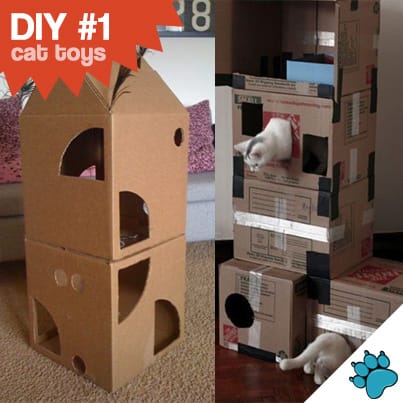
If you want to keep your cat entertained without spending a lot of money, making your own cardboard cat toys is a perfect solution. You already have most of what you need right at home, and your cat will love the fun shapes and textures you create.
Imagine your furry friend happily batting, scratching, and chasing toys you made yourself—how rewarding is that? In this guide, you’ll discover simple, step-by-step ideas that anyone can try. Ready to turn ordinary cardboard into exciting toys your cat can’t resist?
Let’s get started!
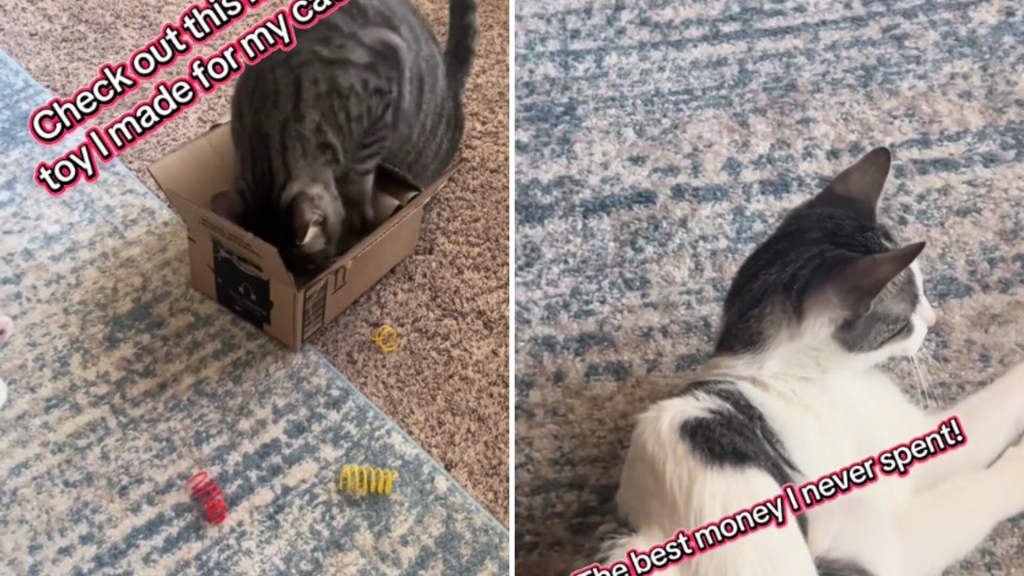
Credit: www.thecooldown.com
Choosing Safe Cardboard
Choosing safe cardboard is crucial when making toys for cats. Cats love to chew and scratch, so the material must be non-toxic and sturdy. Not all cardboard is safe for pets. Some contain harmful chemicals or coatings. Selecting the right type protects your cat’s health and ensures the toy lasts longer. This section explains how to pick safe cardboard for your cat’s toys.
Types Of Cardboard To Use
Use plain, untreated cardboard for cat toys. Corrugated cardboard is popular because it is strong and easy to shape. Single-layer cardboard can work but tears faster. Avoid glossy or colored cardboard as it may have inks or coatings. Look for boxes labeled food-safe or made from recycled paper without chemicals. Reuse shipping boxes or packaging that do not have any plastic or tape stuck on them. These are usually safe and eco-friendly.
Avoiding Harmful Materials
Check the cardboard for any signs of harmful substances. Avoid cardboard with printed logos or bright inks. These can contain toxic dyes. Stay away from wax-coated or laminated cardboard. These surfaces can be dangerous if chewed or swallowed. Remove all tape, staples, and glue before crafting. These small parts can cause choking or injury. Use only natural, plain cardboard to keep your cat safe and happy.
Basic Tools And Supplies
Gathering the right tools and supplies makes crafting cardboard cat toys easier and more fun. With simple items, you can create engaging and safe toys that your cat will love. Knowing exactly what to prepare helps you stay organized and efficient throughout the project.
Essential Crafting Tools
Start with a sharp utility knife or box cutter to cut cardboard cleanly and precisely. A pair of scissors is handy for trimming smaller pieces or decorative materials. Don’t forget a ruler or measuring tape to keep your toy parts the right size—cats appreciate well-proportioned toys!
Glue is your best friend here; a strong craft glue or hot glue gun helps pieces stick securely. If you use a hot glue gun, be cautious to avoid burns and keep glue spots away from areas your cat will chew. You’ll also need a cutting mat or a safe surface to protect your table while cutting.
Additional Decorative Items
Think about adding color and texture to make the toys more interesting for your cat. Non-toxic markers or acrylic paints can brighten up plain cardboard. Felt scraps or yarn add soft touches that cats enjoy pawing and biting.
Small bells, feathers, or pom-poms can add movement and sound to grab your cat’s attention. Make sure all decorations are securely attached and safe—your cat’s safety comes first. What fun detail will you add to make your cardboard cat toy truly unique?
Simple Cardboard Toy Ideas
Cardboard is a goldmine for creative cat toys. It’s cheap, easy to find, and cats love the texture. You can turn simple pieces into engaging playthings that keep your feline friend entertained for hours.
Scratch Pads And Boards
Cats need to scratch—it’s how they keep their claws healthy and mark their territory. A cardboard scratch pad is simple to make and highly effective.
Cut several layers of cardboard into a rectangle or oval shape, then glue or tape them together. The thickness gives your cat a satisfying surface to dig into.
Try adding a bit of catnip or a few drops of cat-safe essential oils to attract your cat. You’ll notice your cat preferring this over your furniture in no time.
Interactive Puzzle Toys
Engaging your cat’s brain is just as important as physical play. Cardboard puzzle toys challenge your cat to think and problem-solve for treats or toys hidden inside.
- Cut holes of varying sizes in a cardboard box.
- Place treats or small toys inside the box.
- Secure the box so it doesn’t open easily but allows your cat to fish out the goodies.
Watching your cat figure out how to get the treats can be as fun for you as it is stimulating for them. What kind of rewards will make your cat work harder?
Hiding Spots And Tunnels
Cats love small, cozy places where they can hide and observe the world. Cardboard boxes can be transformed into tunnels and hideouts easily.
Connect several boxes by cutting holes between them to create a tunnel system. This setup encourages exploration and satisfies your cat’s curiosity.
Try placing a soft cloth or a small blanket inside to make it extra inviting. Could your cat’s new favorite hangout be just a few boxes away?
Step-by-step Toy Assembly
Assembling cardboard cat toys is simple and fun. It lets you create safe playthings for your cat using everyday materials. Follow these clear steps to build toys that cats will love. Each stage focuses on a key part of the process to make your project smooth and enjoyable.
Cutting And Shaping Cardboard
Start with clean, sturdy cardboard pieces. Use scissors or a craft knife for precise cuts. Create shapes like circles, squares, or triangles for interest. Smooth edges with sandpaper or your fingers to avoid sharp spots. Cutting different sizes helps build layers or structures. Keep pieces proportional to your cat’s size for safe play.
Securing Pieces Together
Join cardboard parts using non-toxic glue or tape. Hot glue works well but use carefully to avoid burns. Press pieces firmly and hold until dry. Overlap edges for stronger bonds. Use staples only if edges are covered to protect your cat. Check all joints after drying to ensure stability. Strong connections prevent toys from breaking during play.
Adding Textures And Features
Add textures to attract your cat’s attention. Glue soft fabric scraps or felt on surfaces. Attach feathers or yarn for extra fun. Make small holes to insert string or bells safely. Use markers to draw simple shapes or patterns. Avoid small parts that could be swallowed. Textured toys engage your cat’s senses and keep playtime exciting.
Customizing For Your Cat
Customizing cardboard cat toys makes playtime more exciting and tailored to your cat’s unique preferences. Each cat has its own personality, and small adjustments can transform a simple toy into a favorite. Think about what your cat enjoys most—texture, size, or even certain smells—and build from there.
Incorporating Favorite Scents
Adding scents your cat loves can make a cardboard toy irresistible. Try rubbing a bit of catnip on the surface or stuffing the toy with dried catnip for a stronger effect. Some cats respond well to silvervine or valerian root, which you can sprinkle inside the toy’s crevices.
If your cat has a favorite blanket or towel, gently pressing that fabric onto the cardboard can transfer familiar smells and provide comfort. What scents does your cat chase or relax with? Experiment with small amounts to see which ones spark the most interest.
Adjusting Size And Complexity
Think about your cat’s age, size, and play style when shaping the toy. Younger cats often enjoy simpler, smaller toys that are easy to bat around. Older cats might prefer larger toys with more layers or hiding spots to explore.
Try creating different versions of the same toy—one simple and one more complex. Add holes, tunnels, or moveable parts to challenge your cat’s curiosity. Have you noticed your cat favoring certain kinds of movement or puzzle toys? Use those observations to guide your design.

Credit: smart.dhgate.com
Safety Tips For Playtime
Ensuring your cat’s safety during playtime is essential. Homemade cardboard toys can provide endless fun. Yet, safety must be a priority. Cats are curious and love to explore. This means potential hazards can arise. By following safety tips, you can keep your cat safe while playing.
Monitoring Wear And Tear
Regularly check the toys for damage. Cats can be rough with their toys. Look for torn pieces or sharp edges. Damaged toys can injure your cat. Replace the toys when they show signs of wear. This prevents any accidents during play.
Preventing Ingestion Hazards
Cats might chew on their toys. Ensure small parts are not present. Small pieces can be swallowed. This poses a choking hazard. Use durable materials for toy-making. Secure any loose parts tightly. This minimizes the risk of ingestion.
Encouraging Play And Interaction
Encouraging your cat to play and interact with homemade cardboard toys is key to keeping them happy and healthy. Playtime not only helps your cat burn off energy but also strengthens your bond. The right approach can make even simple cardboard creations irresistible to your feline friend.
Using Toys To Stimulate Activity
Choose toys that invite your cat to move, pounce, and explore. Cardboard tunnels or boxes with hidden treats can spark curiosity and active play. You might notice your cat eagerly chasing a rolling cardboard ball or batting at a dangling feather attached to a cardboard base.
Adding textures like crinkly paper or small bells inside the toy can also catch your cat’s attention. This sensory stimulation encourages your cat to stay engaged longer. Have you seen your cat suddenly perk up when a new sound or texture appears? That’s a great sign your toy is working.
Rotating Toys To Maintain Interest
Cats get bored quickly if they see the same toys every day. Rotate your cardboard creations every few days to keep things fresh. Hide some toys away and bring them back later; your cat will treat them like new treasures.
Keep a small stash of different cardboard toys ready to swap in and out. This rotation helps maintain your cat’s excitement and prevents them from losing interest. How often do you change your cat’s playthings? Try a schedule and watch how their enthusiasm improves.

Credit: smart.dhgate.com
Frequently Asked Questions
What Materials Do I Need For Cardboard Cat Toys?
You need cardboard, scissors, non-toxic glue, string, and catnip. Optional items include markers and small bells for added fun. These materials are safe and easy to find at home or craft stores.
How Do I Make Durable Cardboard Cat Toys?
Use thick cardboard and strong glue to ensure durability. Reinforce edges and avoid small parts that cats might swallow. Let glue dry completely before giving the toy to your cat.
Can I Add Catnip To Homemade Cardboard Toys?
Yes, catnip enhances playtime and attracts cats to toys. Sprinkle dried catnip inside or attach a small pouch securely. Ensure catnip is fresh and safe for your pet.
How To Keep Cardboard Cat Toys Safe For Pets?
Avoid sharp edges and toxic materials. Use only non-toxic glue and safe decorations. Regularly inspect toys for wear and replace if damaged to prevent choking hazards.
Conclusion
Making cardboard cat toys is simple and fun. You can use old boxes and safe materials. Cats love to play and scratch these toys. Creating your own toys saves money and helps the environment. It also keeps your cat happy and active every day.
Try different shapes and sizes to find what your cat likes best. Enjoy the time spent crafting and watching your pet play. These toys bring joy without much effort. Give it a try and see your cat’s excitement grow!




Leave a Reply