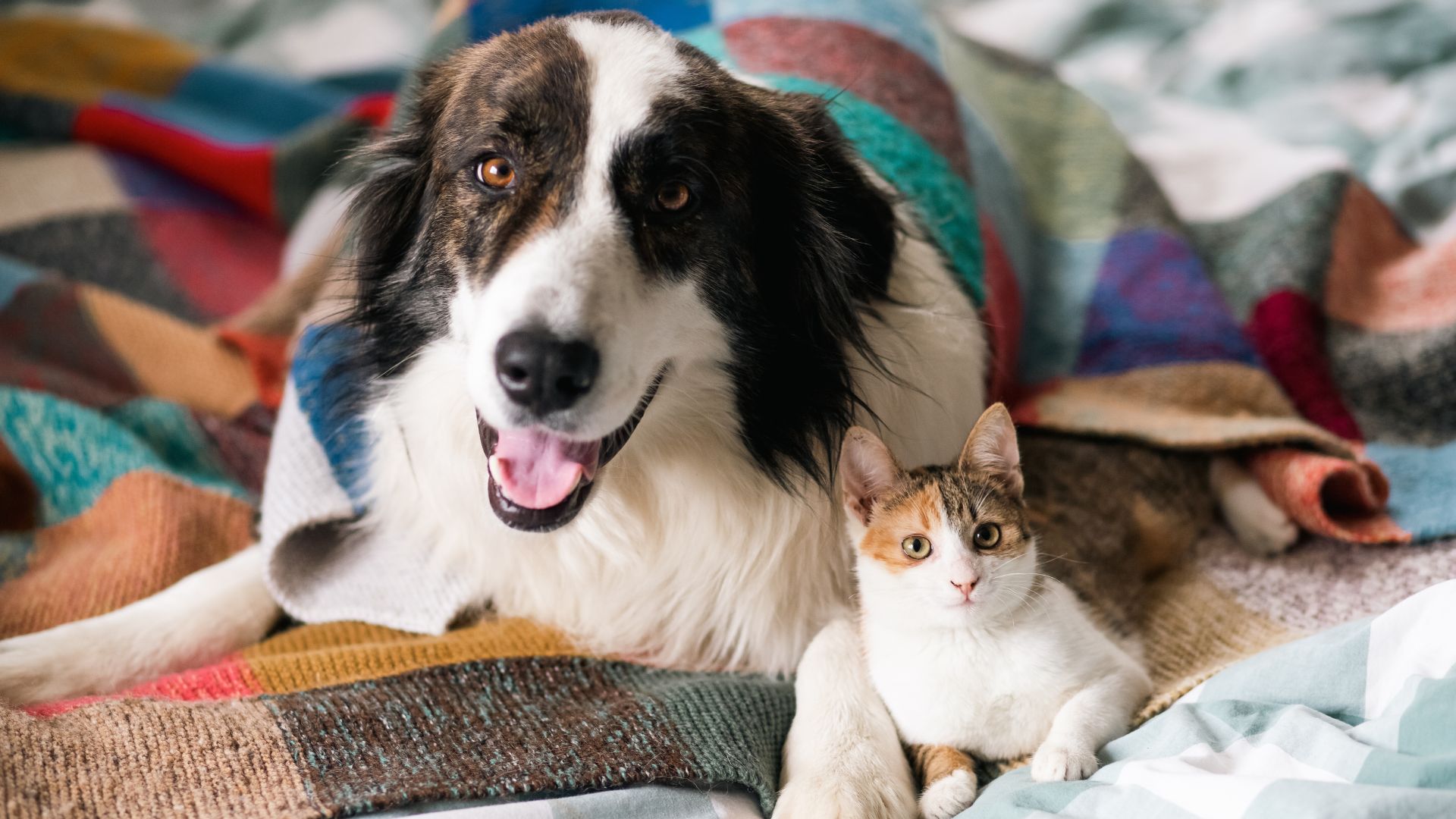
Have you ever noticed a dog that seems more like a cat? Maybe it curls up in high places, prefers quiet time alone, or moves with a graceful, independent air.
If you’re curious about dogs that act like cats, you’re in the right place. Understanding these unique pups can change how you see your furry friend—and help you find the perfect companion if you want a dog with a twist.
Keep reading to discover which dog breeds have surprising cat-like habits that might just steal your heart.
Traits That Make Dogs Cat-like
Some dogs surprise you with behaviors that feel more feline than canine. They don’t always crave constant attention or loud playtime. Instead, these dogs show traits that make them seem like they have a little cat inside. Understanding these traits can help you appreciate the unique personality of your pet and create a stronger bond.
Independent Behavior
Dogs that act like cats often enjoy their alone time. They don’t demand your attention every minute and are happy to lounge by themselves. This independence means they are usually low-maintenance and less prone to separation anxiety.
If you’ve noticed your dog quietly retreating to a corner or calmly watching the world from a window, you’re likely seeing this trait in action. How does your dog react when you leave the room? Do they follow you constantly or find their own space?
Quiet Communication
Unlike many dogs that bark or whine to express themselves, cat-like dogs use softer signals. They might use subtle body language like a slow blink, gentle nuzzles, or quiet sighs to communicate. These cues require you to pay close attention.
Listening to your dog’s quiet ways can deepen your connection. Have you noticed your dog’s gentle ways of asking for attention without making noise? Learning these signals is rewarding and helps avoid misunderstandings.
Grooming Habits
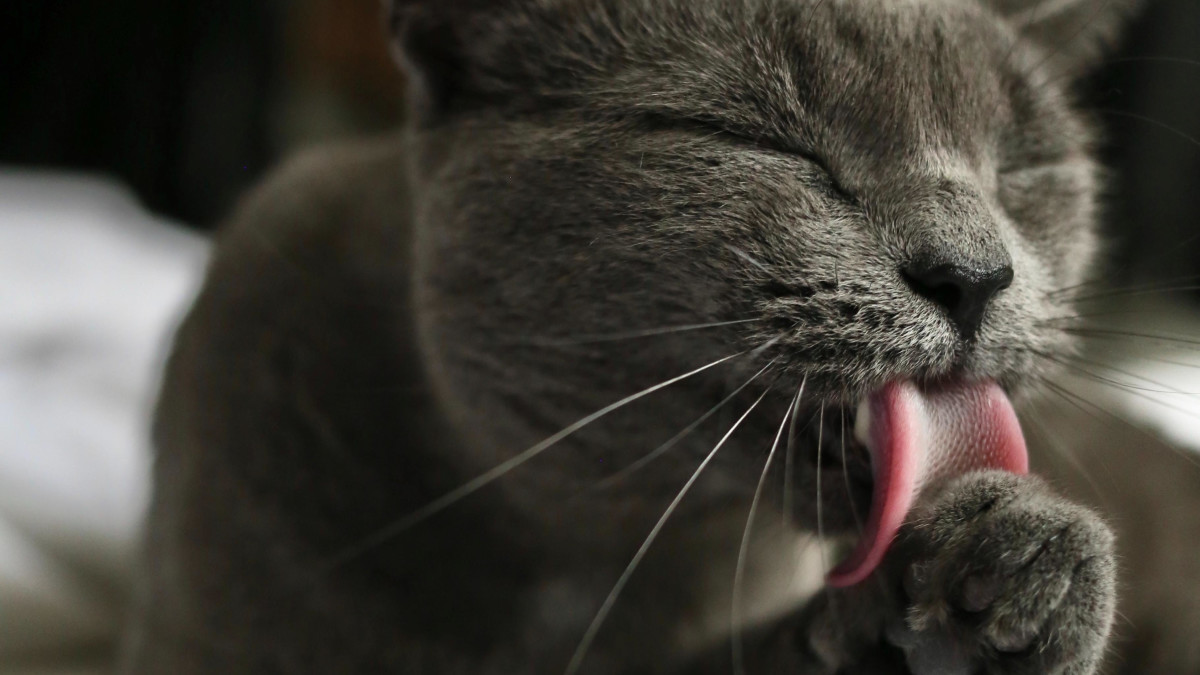
Some dogs surprise you by grooming themselves, much like cats do. They may lick their paws or clean their face regularly instead of relying solely on you for baths. This habit can keep them cleaner and more comfortable.
Watching a dog carefully clean itself can be fascinating. It also means you might need to check for over-grooming, which can sometimes indicate stress. Does your dog spend a lot of time licking, or is it just a casual habit?
Playful Curiosity
Cat-like dogs often show a unique curiosity about their environment. They enjoy investigating small spaces, chasing moving objects, or playing with toys quietly. Their play is often more thoughtful than frantic.
This type of play can be a joy to watch and encourages you to provide stimulating toys and activities. Have you noticed your dog’s fascination with shadow movements or small noises? These moments reveal their inquisitive nature.
Credit: www.chipchick.com
Top Dog Breeds With Cat-like Traits
Some dog breeds show traits often seen in cats. These dogs act independent and calm. They enjoy quiet time and can be quite clever. Their behavior might surprise you with its cat-like nature.
Here are top dog breeds with cat-like traits. Each one has a unique personality that blends dog loyalty with feline independence.
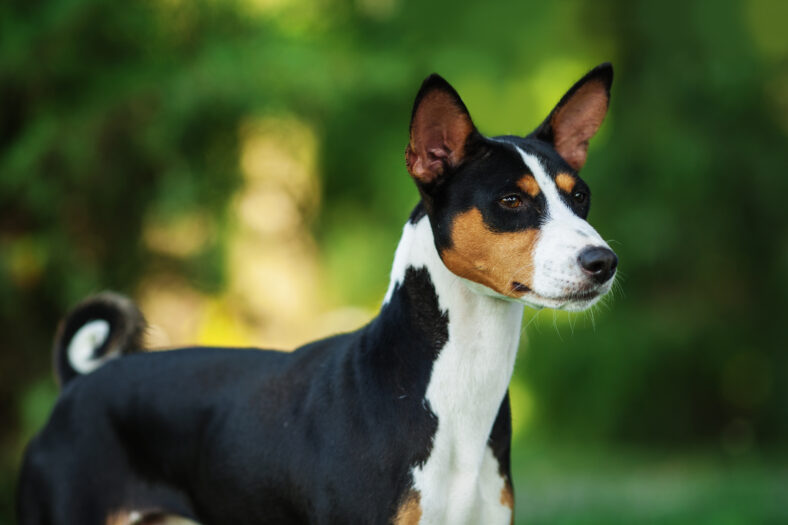
Basenji: The Barkless Wonder
Basenjis rarely bark, making them unique among dogs. They communicate with yodels and howls instead. These dogs are very clean and often groom themselves like cats. Basenjis enjoy solitude and can be quite curious.
Shiba Inu: Agile And Aloof
Shiba Inus have a strong independent streak. They like to explore but stay cautious around strangers. Their fast reflexes and agility resemble a cat’s movements. Shibas often prefer quiet and calm environments.
Chow Chow: Reserved And Loyal
Chow Chows are known for their reserved nature. They bond closely with their family but stay distant with others. Their quiet demeanor and dignified air remind many of cats. Chow Chows enjoy peaceful resting spots.
Italian Greyhound: Graceful And Sensitive
Italian Greyhounds move with elegance and light steps. They are sensitive to their surroundings and can be shy. Like cats, they enjoy lounging in warm, cozy places. These dogs form strong emotional bonds quietly.
Scottish Terrier: Confident And Curious
Scottish Terriers show boldness with a curious mind. They investigate their surroundings carefully. Their alertness and self-assurance bring a cat-like independence. Scotties enjoy both playtime and peaceful naps.
How Cat-like Dogs Fit Into Your Home
Dogs that behave like cats can bring a unique dynamic to your home. Their independent nature often makes them less demanding but equally affectionate. Understanding how these cat-like dogs fit into your lifestyle helps create a harmonious environment for everyone.
Adaptability To Apartment Living
Cat-like dogs often adapt well to apartment living because they don’t require constant attention or large spaces to roam. They tend to enjoy quiet corners and cozy spots, much like cats do. If you live in a smaller space, these breeds can be a great fit, as they usually appreciate a calm and stable environment.
Have you noticed how some dogs prefer lounging near a window or curling up on a chair? Those are signs they’re comfortable with indoor living, making apartment life easier for you and them.
Interaction With Family Members
These dogs may not be the first to greet you at the door, but they form strong bonds with family members over time. They often show affection on their own terms, which can feel rewarding when they choose to cuddle or sit close. Expect quieter companionship rather than constant playfulness.
Would you prefer a pet that respects your personal space while still offering loyalty and love? Cat-like dogs often strike this balance, fitting well into families who appreciate a more subtle connection.
Exercise And Mental Stimulation Needs
Though they seem low-maintenance, cat-like dogs still need regular exercise and mental challenges. Short walks and interactive toys can keep them happy and healthy without overwhelming their independent nature. Puzzle feeders and scent games often engage their curious minds effectively.
Consider how your dog’s personality shapes their activity levels. Do they enjoy exploring quietly or solving problems on their own? Tailoring exercise to their preferences helps avoid boredom and destructive behavior.
Training Tips For Independent Dogs
Training dogs with a cat-like attitude requires patience and creativity. These dogs may resist commands if they don’t see the benefit, so using positive reinforcement and short, fun sessions works best. Focus on building trust rather than demanding obedience.
Have you tried rewarding small wins instead of pushing for perfection? Celebrating progress encourages these dogs to engage without feeling pressured, making training a more enjoyable experience for both of you.

Credit: www.petscare.com
Benefits Of Having Cat-like Dogs
Having a dog that behaves like a cat offers many surprising benefits. These pets combine the best traits of both animals. They provide affection without overwhelming demands. Their independent nature fits well in busy homes. Such dogs bring calm and comfort, making daily life easier and more enjoyable.
Lower Maintenance Grooming
Cat-like dogs usually need less grooming. Their coats often stay clean longer. They shed less and require fewer baths. Brushing is quick and simple. This saves time and effort every week. It also reduces the cost of professional grooming visits.
Balanced Social Needs
These dogs enjoy social time but also value alone moments. They do not demand constant attention. They can entertain themselves quietly. This balance suits people with varying schedules. Owners get companionship without feeling overwhelmed.
Unique Bonding Experiences
Cat-like dogs create special connections with their owners. They show affection in subtle ways. They may follow quietly or sit close by. This gentle interaction builds deep trust. The bond feels calm and rewarding, different from typical dog behavior.
Reduced Noise Levels
These dogs tend to be quieter than other breeds. They rarely bark loudly or often. This helps maintain a peaceful home. Quiet pets reduce stress and neighborhood noise complaints. Ideal for apartments or shared living spaces.

Credit: www.youtube.com
Frequently Asked Questions
Which Dog Breeds Behave Like Cats?
Breeds like the Shiba Inu, Basenji, and Afghan Hound often act independently. They show cat-like aloofness and enjoy solitude. These dogs groom themselves, are clean, and sometimes prefer quiet environments, much like cats.
Why Do Some Dogs Act Like Cats?
Some dogs inherit traits such as independence and cleanliness. Their personality or breed history influences cat-like behavior. This can include grooming habits, cautiousness, and selective affection, making them seem more like cats than typical dogs.
How Can I Tell If My Dog Acts Like A Cat?
Look for signs like self-grooming, aloofness, and quietness. Cats-like dogs often avoid constant attention and choose when to interact. They may prefer high places and show hunting instincts similar to cats.
Are Cat-like Dog Breeds Easier To Train?
Cat-like dog breeds can be more stubborn but are intelligent. Their independent nature means training requires patience and consistency. Positive reinforcement works best, but expect some selective listening compared to more eager-to-please dogs.
Conclusion
Some dog breeds truly behave like cats. They enjoy quiet time and like to be independent. These dogs may prefer sitting on laps or high places. They often groom themselves and move with grace. Choosing one can fit well if you like calm pets.
Understanding their unique traits helps in caring for them. These dog breeds offer a blend of dog and cat behaviors. Perfect for those who want a different kind of pet experience.



Leave a Reply