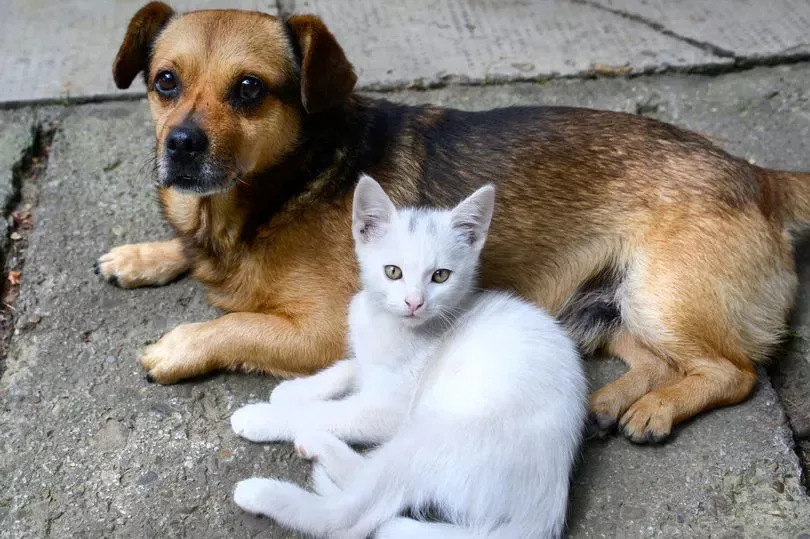
Are you thinking about adding a dog to your family but already have a cat at home? You might be wondering which dog breeds could cause trouble with your feline friend.
Not all dogs get along well with cats, and choosing the wrong breed could lead to stress and chaos for both pets—and for you. Understanding which dog breeds tend to clash with cats can save you from headaches and heartache down the road.
Keep reading to discover the breeds that might not be the best fit if you want peace between your dog and cat. This guide will help you make the right choice for your furry family members.

Credit: uk.news.yahoo.com
Traits That Trigger Cat Aggression
Not all dogs are good with cats. Some traits can trigger aggression. Understanding these traits helps maintain peace at home.
Prey Drive And Hunting Instincts
Dogs with strong prey drives may see cats as targets. Breeds like Greyhounds and Terriers are known for this. Their instinct to chase is hard to resist. Cats may feel threatened by these sudden pursuits.
Territorial Behavior
Some dogs guard their space fiercely. Breeds like Rottweilers and Dobermans can be territorial. They may not welcome a cat’s presence in their domain. Cats may react defensively to such behavior.
Lack Of Socialization
Dogs without early socialization may struggle with cats. They might not understand boundaries. This can lead to aggressive encounters. Breeds not exposed to cats early may face challenges cohabiting.
Top Dog Breeds Often Hostile To Cats
Some dog breeds naturally show more hostility toward cats than others. Understanding which breeds tend to have difficulties can help you make safer choices for your household. It’s not about labeling any dog as “bad,” but knowing their instincts helps you protect both your pets.
Terriers And Their Chase Instincts
Terriers are known for their strong chase instincts. Many terriers were bred to hunt small animals, which can make cats seem like prey to them. If you have a terrier, you might notice your dog’s intense focus whenever a cat is around.
These dogs are energetic and persistent. Without proper training, their natural urge to chase can lead to conflicts with your feline friends. Have you observed your terrier fixating on small moving creatures? That’s their hunting drive kicking in.
Hunting Breeds And High Prey Drive
Hunting breeds like Greyhounds, Weimaraners, and Beagles have an especially high prey drive. They are wired to track and pursue animals, including cats. If you own one of these breeds, you’ll need to be extra cautious when introducing a cat to your home.
These dogs often react quickly to sudden movements, making it hard for cats to feel safe. Training and controlled exposure can help reduce tension, but you should always supervise their interactions. Would you be comfortable letting a high-prey drive dog roam freely around your cat?
Guard Dogs And Protective Nature
Guard dog breeds such as Rottweilers, Dobermans, and German Shepherds have a strong protective instinct. They may perceive cats as a threat to their territory or family. This can lead to aggressive or defensive behavior toward your cat.
While these dogs can be loyal and loving, their natural suspicion means they often don’t get along well with smaller animals initially. You’ll need patience and consistent socialization to help these breeds accept cats in their space. Could your guard dog’s protective nature be a challenge to peaceful pet coexistence?
Why Some Breeds Struggle With Cats
Some dog breeds struggle with cats due to differences in their natural instincts, behaviors, and past experiences. Understanding these challenges can help you decide if a particular dog breed fits well with your feline friends. Let’s look at some key reasons why certain breeds may have a harder time living peacefully with cats.
Energy Levels And Play Styles
Dogs with very high energy levels often want to chase and play rough, which can overwhelm cats. Breeds like Border Collies or Jack Russell Terriers have intense play styles that might scare or annoy a cat. If your dog’s idea of fun involves chasing or pouncing, your cat may feel stressed or threatened.
On the other hand, more relaxed breeds tend to coexist better with cats since they don’t push boundaries as much. Think about your dog’s energy and how it matches with your cat’s personality before bringing them together.
Communication Differences
Dogs and cats communicate very differently, and some breeds have a harder time reading a cat’s signals. For example, a dog that interprets a cat’s hiss as an invitation to play might escalate tensions. Certain breeds are naturally more assertive or excitable, making it tough for them to back off when a cat wants space.
Have you noticed how your dog reacts to a cat’s body language? Observing this closely can help you understand if your dog respects your cat’s boundaries or unintentionally provokes conflict.
Past Training And Experiences
A dog’s history plays a big role in how they interact with cats. Dogs raised around cats from a young age often learn to be gentle and respectful. Conversely, dogs with little exposure to cats or those trained to chase small animals might struggle to adjust.
When I introduced a rescue dog with a strong prey drive to my calm cat, early training focused on control and positive reinforcement made a huge difference. Your approach to socialization and training can change how your dog behaves with cats, regardless of breed.

Credit: www.reddit.com
Signs A Dog May Not Get Along With Cats
Not all dogs get along with cats. Some dogs may show signs that they feel uneasy or aggressive around cats. Recognizing these signs early helps prevent stress and possible harm to both pets. Watch closely for changes in your dog’s behavior and body language near cats. Understanding these signals lets you act before problems start.
Body Language To Watch For
- Stiff posture or tense muscles
- Raised hackles along the back
- Intense staring at the cat
- Growling or low, rumbling sounds
- Tail held high and stiff or wagging rapidly
- Snapping or lunging motions
These signs show the dog may feel threatened or excited in a negative way. Calm, relaxed body language often means the dog is comfortable.
Behavioral Red Flags
- Chasing or stalking the cat persistently
- Excessive barking or whining when near cats
- Refusing to calm down around cats
- Destroying items or showing frustration after seeing a cat
- Sudden aggressive acts like biting or scratching
These behaviors suggest the dog struggles to coexist peacefully with cats.
Testing Compatibility Safely
Introduce dogs and cats slowly in a controlled space. Use a leash on the dog to keep control. Allow the cat to move freely and escape if needed. Watch both pets closely for any signs of stress or aggression.
Keep initial meetings short and positive. Reward calm behavior with treats and praise. Increase time together gradually if both stay relaxed. Stop immediately if either pet shows fear or aggression.
Tips To Introduce Cats To Potentially Aggressive Dogs
Introducing cats to dogs that have a history of aggression or strong prey drive can be challenging. However, with patience and the right approach, you can help them coexist peacefully. These tips focus on managing initial interactions carefully while building trust between your pets.
Controlled Initial Meetings
Start by keeping your dog on a leash and your cat in a secure carrier or behind a baby gate. This setup prevents direct contact but allows them to see and smell each other safely.
Observe their body language closely. If your dog shows signs of aggression like growling or lunging, calmly remove them and try again later.
Short, frequent sessions work better than long meetings. This helps both animals adjust without feeling overwhelmed.
Positive Reinforcement Techniques
Reward your dog for calm and gentle behavior around the cat with treats and praise. This teaches them that good things happen when the cat is nearby.
Similarly, encourage your cat to explore the dog’s scent by placing items like blankets or toys near the dog’s resting area. Reward your cat when they approach these items calmly.
Remember, patience is key. Avoid punishing your dog for reactive behavior; instead, redirect their attention to positive activities.
Gradual Exposure Strategies
Increase the time your pets spend near each other slowly. Start with a few minutes and add more time as they get comfortable.
Try feeding your dog and cat in the same room but at a distance. This creates a positive association with each other’s presence.
Ask yourself: How does each pet react to the other’s movement or noise? Use those cues to adjust the pace of exposure. Moving too fast can cause setbacks.
Breeds Known For Cat-friendly Temperaments
Finding a dog breed that gets along well with cats can make your home much more peaceful. Some breeds naturally have gentler, more tolerant temperaments, which helps them coexist happily with feline friends. Understanding which breeds tend to be more cat-friendly can save you from future headaches and help your pets build a positive relationship.
Labrador Retrievers And Golden Retrievers
Labradors and Golden Retrievers are often praised for their friendly and patient nature. These dogs usually display calm behavior around cats, avoiding aggressive or overly energetic reactions. Their social and easygoing personalities make them great companions for multi-pet households.
If you have a playful cat, these breeds often match that energy without overwhelming them. Their willingness to please also means they can be trained to respect a cat’s boundaries quickly. Have you noticed how your Labrador gently sniffs a cat instead of chasing it? That natural patience is a huge plus.
Basset Hounds And Cavalier King Charles Spaniels
Basset Hounds and Cavalier King Charles Spaniels have a reputation for being laid-back and affectionate. They tend to show less prey drive and more interest in forming gentle bonds with cats. Their calm demeanor helps create a stress-free environment for both pets.
These breeds usually don’t see cats as competition or threats, which reduces conflicts. Their slower pace means they won’t overwhelm shy or older cats. Could their easygoing attitude be the key to a harmonious home?
Mixed Breeds With Balanced Traits
Mixed breed dogs can combine the best traits from various breeds, sometimes resulting in a well-balanced temperament ideal for living with cats. These dogs might inherit calmness, patience, or low prey drive, making them more adaptable to feline companions.
Pay attention to a mixed breed’s individual personality rather than just its breed mix. Meeting the dog and observing how it reacts to cats can reveal more than any breed label. Have you considered how a dog’s unique behavior might make them the perfect match for your cat?
When To Avoid Certain Dog Breeds With Cats
Deciding when to avoid certain dog breeds with cats can save you from future stress and protect both your pets. Not every dog fits well into a home with a cat, especially if specific conditions make interactions risky or difficult. Understanding these conditions helps you make smart choices for a peaceful household.
Household Dynamics And Space
Space plays a huge role in how dogs and cats get along. Smaller homes with limited room can increase tension, especially with high-energy or territorial dog breeds.
If your dog breed tends to chase or herd, tight spaces leave cats nowhere to escape, raising the chance of conflict. You might want to avoid breeds like Siberian Huskies or Jack Russell Terriers if your home is small and you have cats.
Presence Of Young Or Vulnerable Cats
Young kittens or elderly cats need extra protection from energetic or dominant dogs. Some breeds have strong prey drives that can unintentionally harm fragile cats.
Dogs like Greyhounds or certain terriers may not mean harm but can be too rough. If your cat is vulnerable, consider a breed known for calmness and patience instead.
Owner Experience And Training Commitment
Your experience with dog training hugely affects whether a dog breed can live well with cats. Some breeds require consistent, firm training to manage their instincts around smaller animals.
If you’re new to dog ownership or have limited time for training, avoid breeds with high prey drives or stubborn personalities like Huskies or Dachshunds. Can you commit to daily training and supervision to keep peace?
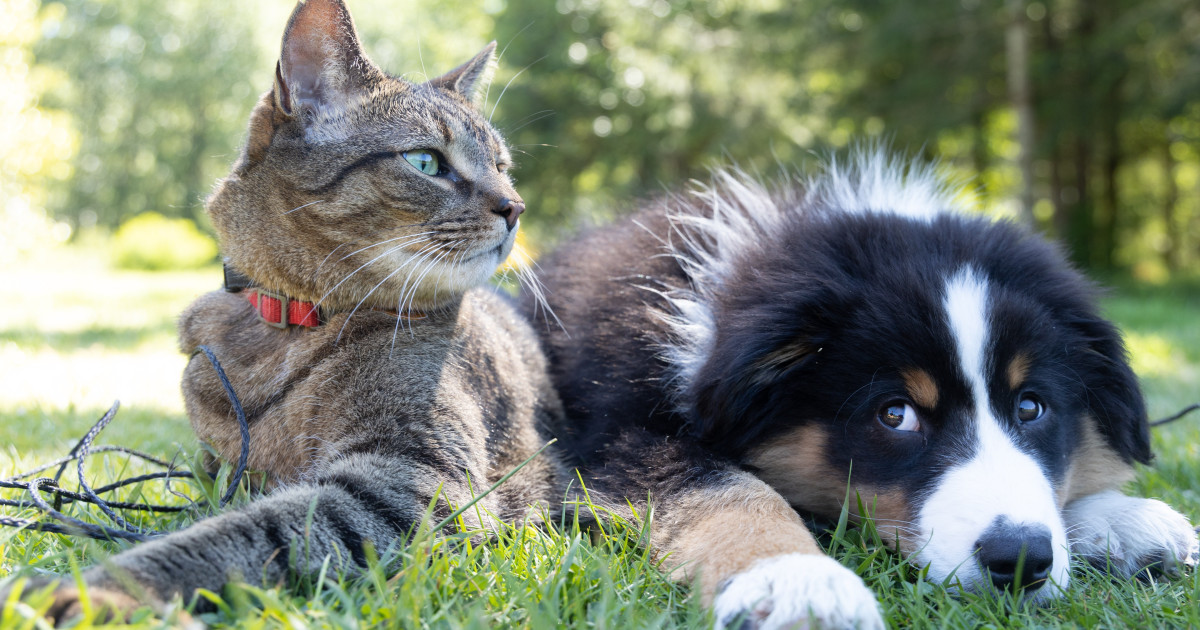
Credit: pethelpful.com
Frequently Asked Questions
Which Dog Breeds Are Aggressive Towards Cats?
Breeds like terriers, hounds, and some retrievers often show high prey drive. This can make them aggressive towards cats. Proper training and socialization are crucial to prevent conflicts. Always monitor interactions between these dogs and cats carefully.
Why Do Some Dogs Dislike Cats?
Dogs may dislike cats due to instinct, lack of socialization, or territorial behavior. High prey drive breeds are more prone to chase cats. Early introduction and positive reinforcement help improve dog-cat relationships.
Can Aggressive Dog Breeds Live With Cats?
Aggressive breeds can live with cats if trained well. Early socialization and supervision are key. Without these, conflicts may arise, risking harm to both pets. Consulting a professional trainer is recommended.
How To Introduce Dogs Bad With Cats?
Introduce dogs to cats slowly and in controlled settings. Use leashes and barriers initially. Reward calm behavior with treats. Gradually increase interaction time to build trust and reduce tension.
Conclusion
Some dog breeds may not get along well with cats. This often depends on their natural instincts and energy levels. Careful introductions and training can help improve their relationship. Always watch their behavior closely to keep both pets safe. Remember, patience and understanding make a big difference.
Choosing the right dog breed matters if you have cats at home. Each pet deserves a happy and calm environment to live in.




Leave a Reply