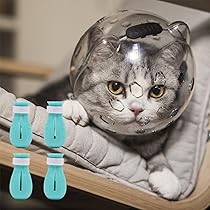
Is your cat spending too much time licking or biting its fur? Over grooming can cause painful bald spots, skin irritation, and even infections.
If you’ve noticed your furry friend obsessively grooming, it’s important to act quickly to keep them healthy and happy. You’ll discover simple, effective ways to stop your cat’s over grooming before it worsens. Keep reading to learn how to protect your pet and restore their comfort.
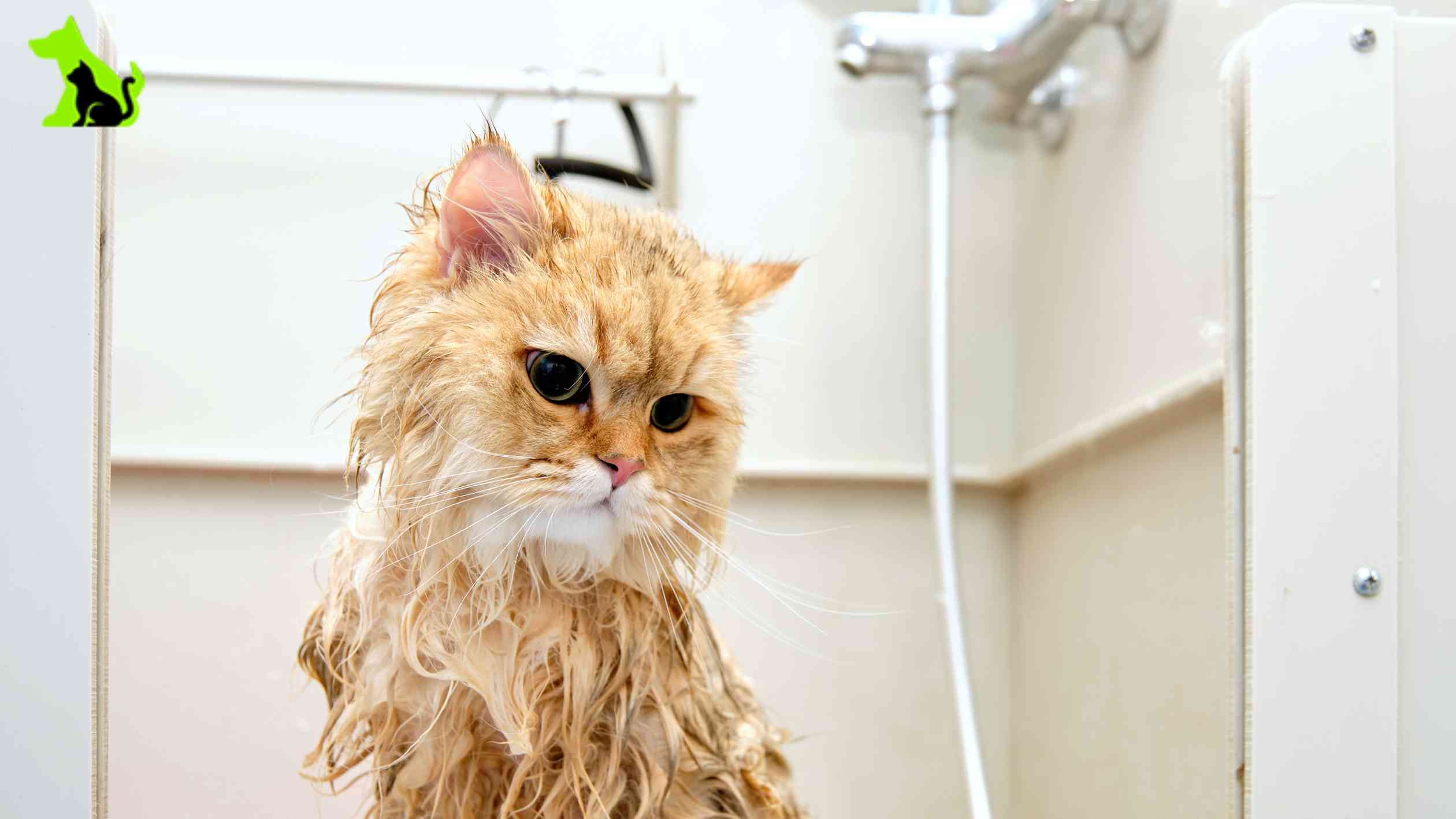
Credit: hellopetsinc.com
Causes Of Over Grooming
Over grooming in cats can be puzzling and worrying. Understanding the causes behind this behavior helps you address it effectively. Cats groom to stay clean, but when it turns excessive, something is off balance.
Stress And Anxiety
Stress is a common trigger for over grooming. Cats may lick or chew their fur to soothe themselves during stressful events like moving homes or changes in family routine. Have you noticed your cat grooming more after a loud noise or when left alone?
Repeated over grooming acts like a coping mechanism, similar to how some people bite their nails. Reducing your cat’s stress by creating a calm, predictable environment can help stop this behavior.
Allergies And Skin Issues
Skin allergies often cause itching, which leads to over grooming. Your cat might react to food ingredients, pollen, dust, or even certain cleaning products. Identifying these allergens can be tricky but is crucial to stop the cycle.
Look for redness, bumps, or hair loss on your cat’s skin. If you spot these signs, a visit to the vet can confirm if allergies or skin infections are the root cause.
Parasites And Infections
Fleas, mites, and other parasites make cats itch intensely. Even if you don’t see fleas, your cat might still be reacting to bites or skin irritation caused by microscopic parasites. This constant discomfort leads to over grooming.
Regular parasite prevention and thorough vet checks are essential. If your cat is scratching and grooming too much, could parasites be the hidden culprit?
Boredom And Lack Of Stimulation
Sometimes, over grooming is a sign of boredom. Cats need mental and physical activities to stay happy. Without enough playtime or stimulation, they may groom excessively just to fill time.
Have you tried adding interactive toys or new play sessions to your cat’s day? Keeping your cat engaged can reduce over grooming by channeling their energy into positive outlets.
Signs Of Over Grooming
Noticing signs of over grooming in your cat early can save them from discomfort and health issues. Over grooming often signals underlying problems like stress, allergies, or skin infections. By recognizing these signs, you can take action before the behavior worsens.
Hair Loss Patterns
Look closely at where your cat is losing fur. Over grooming usually causes hair loss in specific spots rather than all over the body.
- Bald patches or thinning fur on the belly, legs, or around the neck are common.
- Uneven hair loss often means your cat is licking or biting one area repeatedly.
- Compare both sides of your cat’s body to spot unusual patterns.
Have you ever noticed your cat’s fur disappearing in strange shapes? That’s a strong hint they might be over grooming.
Redness And Irritation
Check your cat’s skin for redness, swelling, or scabs near the over groomed areas. These signs show irritation from constant licking or biting.
- Skin may look inflamed or raw in severe cases.
- Small sores or crusty spots can develop if the behavior continues unchecked.
- Your cat might also scratch these areas, making the irritation worse.
Does your cat flinch or pull away when you touch certain spots? That could indicate painful irritation caused by over grooming.
Behavioral Changes
Over grooming often ties to stress or anxiety, so watch for shifts in your cat’s behavior. Changes can be subtle or obvious.
- Your cat might become more withdrawn or hide more than usual.
- They could also show increased restlessness or irritability.
- Sometimes, over grooming replaces playtime or social interactions.
Ask yourself if your cat has faced any recent changes at home. New pets, loud noises, or moving furniture can all trigger behavioral shifts linked to over grooming.
Veterinary Diagnosis
Veterinary diagnosis is crucial when your cat is over grooming. Identifying the root cause helps you address the problem effectively. Ignoring it can lead to skin infections, hair loss, and ongoing discomfort for your cat.
Physical Examination
Your vet will start with a thorough physical examination. They look for signs like redness, swelling, or wounds on your cat’s skin. This helps determine if the over grooming is due to pain, irritation, or another visible issue.
During the exam, the vet may gently palpate your cat’s skin and coat. This step reveals hidden problems you might not notice at home. Have you ever seen your cat licking one spot more than others? The vet will check that area carefully.
Allergy Testing
Allergies often cause cats to over groom. Your vet may recommend allergy testing to find out if your cat reacts to food, pollen, dust, or other triggers. Pinpointing the allergen allows you to change your cat’s diet or environment accordingly.
Allergy tests can be done through blood samples or skin tests. Both methods help identify specific substances causing irritation. Have you considered what in your home might be bothering your cat?
Parasite Screening
Parasites like fleas or mites are common reasons for excessive grooming. Your vet will check your cat for these tiny pests using skin scrapings or combing methods. Even if you don’t see fleas, they might be hiding in your cat’s fur.
Detecting parasites early prevents further skin damage and discomfort. If parasites are found, your vet will guide you through effective treatments. Do you regularly check your cat for these invisible irritants?
Environmental Adjustments
Environmental adjustments play a crucial role in helping your cat stop over grooming. Cats often respond to their surroundings, so changing a few things around your home can make a big difference. These small changes can lower your cat’s stress and keep them happily distracted.
Reducing Stress Triggers
Stress is a common cause of over grooming in cats. Identify what might be stressing your cat, such as loud noises, other pets, or changes in routine. Try to minimize these triggers by keeping a calm atmosphere and sticking to a regular schedule.
If your cat reacts to visitors, create a quiet retreat where they can relax away from the commotion. Sometimes, simple things like closing windows during thunderstorms or playing soft music can reduce anxiety. Have you noticed any specific events that upset your cat? Watch closely and adjust accordingly.
Enriching The Cat’s Environment
A bored cat is more likely to groom excessively. Add toys, scratching posts, and climbing trees to keep your cat entertained. Rotate toys regularly to keep their interest fresh and avoid boredom.
Interactive playtime with you also helps redirect energy and attention away from over grooming. Puzzle feeders or treat-dispensing toys can provide mental stimulation. Would your cat enjoy chasing a feather wand or solving a treat puzzle more?
Providing Safe Spaces
Cats need places where they feel safe and secure. Create cozy nooks with soft bedding in quiet corners for your cat to retreat to. These safe spaces reduce anxiety and help your cat feel more in control.
Consider using cat tunnels, boxes, or even a dedicated cat tree with hiding spots. When your cat has a place to escape stress, they are less likely to over groom. Is there a spot in your home your cat already prefers? Enhance it to make it even more comforting.
Diet And Nutrition
Diet and nutrition play a key role in managing cats that over groom. What your cat eats can directly affect their skin health and comfort. Adjusting their diet could be the missing piece to stop excessive licking and itching.
Hypoallergenic Diets
Food allergies often cause skin irritation leading to over grooming. Switching to a hypoallergenic diet can reduce allergic reactions. These diets avoid common triggers like beef, dairy, or fish.
Many cat owners notice improvement within weeks after changing to a limited ingredient diet. Have you tried a novel protein source like duck or rabbit? These options can calm your cat’s immune response and ease itching.
Consult your vet before making drastic diet changes. They might suggest a food trial to pinpoint the exact allergen. This targeted approach helps you avoid guesswork and gives your cat relief faster.
Supplements For Skin Health
Adding supplements to your cat’s meals can boost skin repair and reduce inflammation. Omega-3 fatty acids, found in fish oil, are known to improve coat shine and soothe irritated skin.
Vitamin E and zinc supplements also support skin healing. These nutrients strengthen the skin barrier, making it less prone to damage from licking. Have you noticed if your cat’s skin looks dry or flaky? That’s often a sign they need extra nutrients.
Always check with your vet before adding supplements. They will recommend safe doses and reliable brands. Small changes in your cat’s diet could make a big difference in stopping over grooming.
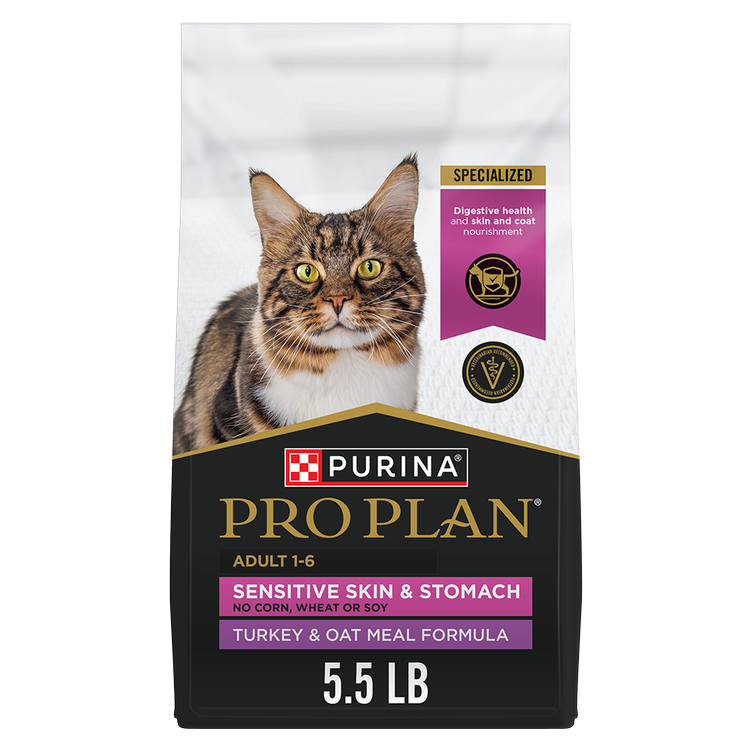
Credit: www.purina.com
Medications And Treatments
Medications and treatments play a key role in helping cats that over groom. Over grooming can cause skin damage and discomfort. Treating the root cause often requires targeted therapies. These treatments calm the skin, reduce anxiety, and control parasites. Understanding the options helps you choose the best care for your cat.
Topical Therapies
Topical therapies soothe irritated skin and promote healing. These include medicated shampoos, creams, and sprays. They often contain ingredients like hydrocortisone or antibacterial agents. These treatments reduce redness and itching. Applying them as directed helps protect the skin from further damage.
Anti-anxiety Medications
Stress can cause cats to over groom. Anti-anxiety medications help calm nervous cats. Vets may prescribe drugs like fluoxetine or buspirone. These medicines reduce obsessive licking caused by anxiety. They work best combined with environmental enrichment and behavior changes.
Parasite Control
Parasites like fleas can trigger over grooming. Regular parasite control stops infestations and relieves itching. Flea preventatives include topical drops, collars, and oral tablets. Treating the home and other pets is vital too. Keeping parasites away helps break the over grooming cycle.
Behavioral Training
Cats that over groom may suffer from stress or boredom. Redirect their attention with toys and gentle distractions. Consistent positive reinforcement helps reduce excessive licking habits.
Behavioral training is a powerful way to help your cat stop over-grooming. Understanding your cat’s habits and using strategic techniques can make a big difference. Let’s dive into some effective methods that have worked for many cat owners.Distraction Techniques
Distracting your cat from over-grooming can be surprisingly simple. Introduce toys that engage their curiosity, like feather wands or laser pointers. Rotate these toys regularly to maintain their interest. Consider placing scratch posts or cat trees near their favorite grooming spots. This provides an alternative activity when they feel the urge to groom excessively. Sometimes, a simple change in environment can redirect their focus.Positive Reinforcement
Rewarding your cat for good behavior is crucial. When they stop over-grooming, offer them a treat or affectionate petting. This reinforces the idea that not grooming excessively leads to positive outcomes. Create a reward system that they understand. Use consistent cues, like a specific word or sound, to signal that a reward is coming. Your consistency will help them associate stopping over-grooming with rewards.Interactive Play
Engaging your cat in interactive play can work wonders. Set aside time each day for activities that stimulate their mind and body. Use toys that mimic prey, encouraging them to chase and pounce. Interactive play not only distracts them but also helps burn off excess energy. A tired cat is less likely to over-groom. Wouldn’t it be great to see your cat happy and relaxed instead of obsessively grooming?When To Seek Professional Help
Identifying when to seek professional help for a cat that over grooms is crucial in ensuring your feline friend’s health and well-being. While some grooming is natural, excessive grooming can lead to severe skin issues and might indicate underlying behavioral problems. Knowing the signs of when to consult a veterinarian can make all the difference in your cat’s comfort and happiness.
Signs Of Severe Skin Damage
Excessive grooming can result in bald patches, redness, or even open sores on your cat’s skin. These are clear indicators that your cat’s grooming habits have escalated into a problem that requires professional attention. If you notice any of these signs, it’s time to schedule a vet visit.
Another sign of severe skin damage is persistent scabs or crusty areas. These could be a result of your cat’s constant licking or biting, which can introduce bacteria and cause infections. Don’t wait for the problem to worsen; early intervention can prevent further complications.
Persistent Behavioral Issues
Sometimes, over grooming is a sign of stress or anxiety in cats. If your cat’s grooming habits are accompanied by other behavioral changes, such as hiding, aggression, or loss of appetite, professional help might be needed. Addressing these issues with a vet can uncover the root cause and help develop a treatment plan.
If you’ve tried changing your cat’s environment or routine without success, it might be time to consult a behavioral specialist. Persistent grooming can be a complex issue, and a specialist can provide insights and strategies that you might not have considered.
Have you ever had to seek professional help for your cat’s grooming habits? What did you learn from the experience? Share your thoughts in the comments below.
:strip_icc()/the-kitty-1011094438-5c3d1af5c9e77c00015e66a6.jpg)
Credit: www.thesprucepets.com
Frequently Asked Questions
Why Do Cats Over Groom Themselves?
Cats over groom due to stress, allergies, or skin irritations. It can also signal boredom or underlying health issues. Identifying the cause is key to stopping excessive grooming and protecting your cat’s skin and fur.
How Can I Reduce My Cat’s Over Grooming?
Provide mental stimulation, regular playtime, and a calm environment. Address allergies or skin problems with a vet’s help. Use calming sprays or pheromone diffusers to ease stress and reduce excessive grooming behaviors.
When Should I See A Vet For Over Grooming?
If your cat has bald patches, sores, or constant licking, visit a vet. Persistent over grooming might indicate allergies, parasites, or anxiety needing professional treatment. Early intervention prevents further skin damage.
Can Diet Affect Cat Over Grooming?
Yes, poor diet or food allergies can cause skin irritation leading to over grooming. Switching to a hypoallergenic or high-quality diet often helps reduce symptoms. Consult your vet for the best dietary options.
Conclusion
Stopping cats from over grooming takes patience and care. Watch your cat closely to catch signs early. Provide a calm space and reduce stress around them. Use vet advice to treat any health issues. Offer distractions like toys to keep them busy.
Remember, gentle care helps your cat feel safe. Over time, these steps can bring your cat comfort. Your cat will thank you with better health and happiness. Keep trying and stay kind to see good results.




Leave a Reply