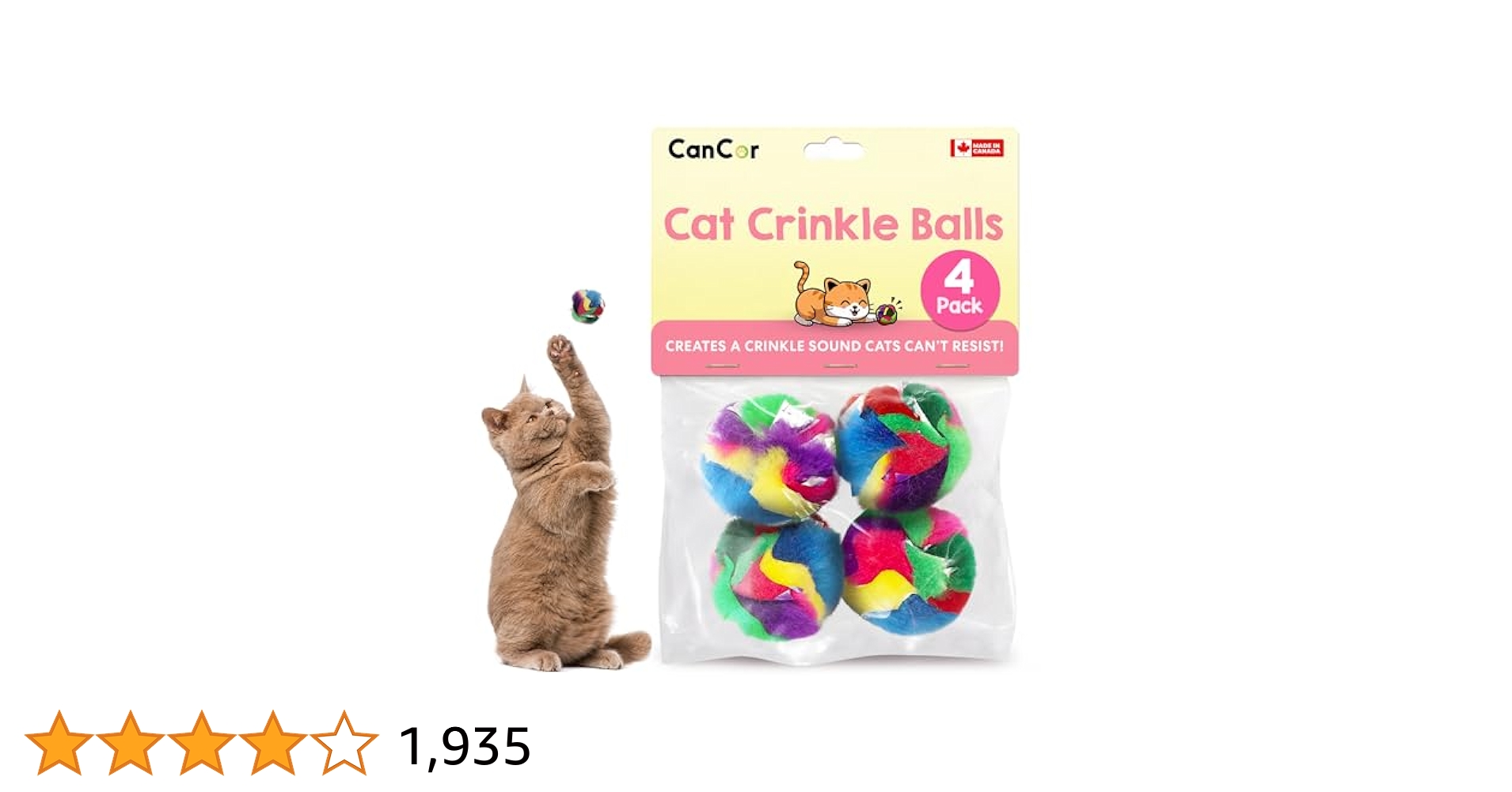
Have you ever wondered why your cat goes wild over toys that make a crinkle sound? That little noise isn’t just random—it’s something that grabs your cat’s attention and keeps them entertained for hours.
If you’ve noticed your furry friend pouncing, batting, or rolling around with those crinkly toys, you’re about to discover the fascinating reason behind it. Understanding what makes that crinkle sound so irresistible will help you choose the best toys that keep your cat happy and active.
Keep reading to uncover the secret behind the crinkle and how it sparks your cat’s natural instincts.
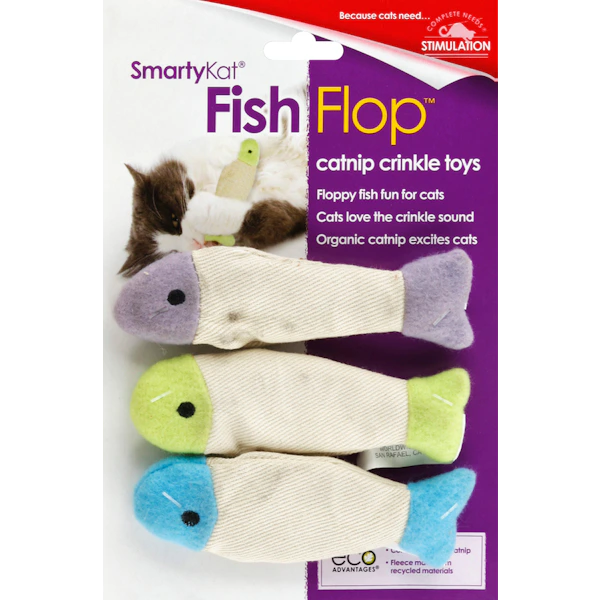
Credit: www.gianteagle.com
Crinkle Sound Origins
The crinkle sound in cat toys isn’t just a random noise; it plays a key role in capturing your cat’s attention. This distinctive rustling can spark curiosity and encourage playful behavior. But what exactly creates that irresistible crinkle your cat loves?
Materials Behind The Noise
The crinkle sound usually comes from thin, flexible materials inside the toy. Mylar, a type of polyester film, is a common choice because it’s lightweight and makes a sharp, crisp noise when bent.
Other materials include cellophane and certain plastic films that produce similar sounds. These materials are often layered or sealed inside fabric to protect your cat from chewing hazards while still making noise.
Have you noticed how some toys produce louder crinkles than others? That difference often comes down to the thickness and type of the crinkle material used.
How Crinkle Sheets Work
Crinkle sheets create sound through the friction of their surface layers rubbing together. When your cat paws or bites the toy, the sheets flex and slide against each other, producing that signature rustling.
This simple mechanical action is effective because it mimics natural sounds that intrigue cats, like leaves rustling or small prey moving. The sound triggers their hunting instincts, making playtime more engaging.
Next time your cat goes wild over a crinkle toy, watch closely how they interact with it. Their excitement is directly tied to the sensory feedback from these cleverly designed sheets.

Credit: www.amazon.ca
Why Cats Love Crinkle Sounds
Cats find crinkle sounds fascinating and hard to ignore. These noises spark their natural curiosity and excitement. The unique texture and sound mimic real prey movements, which triggers their hunting instincts. This makes crinkle toys a favorite among many cats.
Appeal To Cat Instincts
Crinkle sounds resemble the noise made by small animals in leaves or grass. This similarity captures a cat’s attention quickly. Their sharp ears detect subtle rustling sounds in nature to locate prey. Crinkle toys simulate this effect, making cats feel like they are hunting. This taps into their natural behavior and keeps them alert.
Stimulating Play Behavior
The unpredictable noise of crinkle toys encourages cats to pounce and swipe. It adds excitement to their playtime, preventing boredom. Cats enjoy toys that provide mental and physical challenges. Crinkle sounds create an interactive experience that stimulates their senses. This leads to longer and more energetic play sessions.
Common Crinkle Materials In Toys
Cat toys often have a special crinkle sound that attracts cats. This sound comes from certain materials inside the toys. These materials create a unique noise when touched or squeezed. Understanding these materials helps explain why cats love these toys so much.
Plastic Films
Plastic films are thin layers of plastic used in many cat toys. They make a sharp, crackling sound when bent or pressed. These films are lightweight and flexible, which helps produce the crisp crinkle noise. Many toys include plastic films because they are safe and easy to shape.
Foil Layers
Foil layers are thin sheets of metal, often aluminum. They create a loud, rustling sound when moved. Foil is shiny and can be folded many times, which adds to the crinkle effect. Toys with foil layers grab a cat’s attention due to their sound and texture.
Paper Components
Paper components add a soft crinkle sound to toys. The noise is quieter but still interesting to cats. Paper is easy to tear and fold, giving a natural rustling feel. Many eco-friendly toys use paper to create sound without plastic.
Manufacturing Secrets
The crinkle sound in cat toys isn’t just a happy accident; it comes from careful choices made during manufacturing. These toys are designed to catch your cat’s attention instantly, and the sound plays a huge role in that. Understanding what goes into creating that signature noise can give you a better idea of why your cat loves these toys so much.
Design Techniques
Manufacturers use special materials that create the crinkle noise when pressed or bitten. Thin layers of plastic film or foil are often sandwiched between fabric layers. This setup allows the material to bend and produce that distinctive crackling sound.
Size and shape also affect the sound. Smaller pockets of crinkle material can make sharper noises, while larger ones offer a softer rustle. Have you noticed how some toys sound more exciting than others? That’s the design at work.
Sound Amplification Methods
Simply having crinkle material isn’t enough; the sound needs to carry well to catch your cat’s ear. Manufacturers often use lightweight fabrics like nylon or polyester that don’t absorb sound. This helps the crinkle noise travel further and stay clear.
Some toys include air pockets or extra layers to amplify the sound. These pockets trap air and make the crinkle louder when compressed. Think about how a balloon sounds when you squeeze it—that’s a similar principle.
Next time you pick up a crinkle toy, try gently squeezing different parts. You might notice how the sound changes depending on the toy’s construction. This hands-on test can reveal a lot about the manufacturing secrets behind your cat’s favorite noise.
Safety Aspects Of Crinkle Toys
Understanding the safety aspects of crinkle toys is crucial for every cat owner. These toys are designed to stimulate your cat’s senses, but if safety is overlooked, they can pose risks. Let’s look closely at what makes crinkle toys safe for your feline friend, so you can choose wisely and keep playtime fun and worry-free.
Non-toxic Materials
Not all crinkle toys are created equally, especially when it comes to materials. Toys made from non-toxic fabrics and fillers ensure your cat won’t be exposed to harmful chemicals. Look for products labeled as BPA-free, phthalate-free, or specifically designed for pets.
I once bought a cheap crinkle toy without checking the label. My cat showed unusual sneezing and irritation, which stopped when I removed the toy. That taught me to always prioritize non-toxic materials for safety.
- Check for certifications or safety standards on the packaging.
- Avoid toys with strong chemical smells as they may contain harmful substances.
- Natural fabrics like cotton or recycled PET are often safer choices.
Durability And Wear
Durability directly impacts safety. A toy that falls apart easily can release small pieces your cat might swallow. Inspect crinkle toys for strong seams and sturdy materials before buying.
Think about how your cat plays—if they are aggressive chewers, a flimsy toy won’t last and could become a choking hazard. Regularly check your cat’s toys for signs of wear and replace them if you see holes or loose parts.
- Choose crinkle toys with reinforced stitching or double layers.
- Consider toys that can be machine-washed to keep them clean and safe.
- Keep an eye on toys after rough play and discard damaged ones immediately.
How often do you inspect your cat’s toys for safety? Making this a habit can prevent many accidents and ensure your cat enjoys their crinkle toys without risks.

Credit: www.amazon.com
Diy Crinkle Toys For Cats
Creating your own crinkle toys for cats is a fun and rewarding way to keep your feline friend entertained. These toys stimulate your cat’s natural hunting instincts with the intriguing crinkle sound that mimics rustling leaves or prey movement. Making DIY crinkle toys allows you to customize shapes, sizes, and materials to suit your cat’s preferences and safety.
Materials Needed
- Cellophane or crinkle paper – for the signature noise
- Fabric scraps (cotton or felt) – soft and durable outer layers
- Needle and thread or fabric glue – to assemble the toy
- Scissors – for cutting materials
- Optional: catnip – to make the toy more enticing
- Stuffing material – such as polyester fiberfill or cotton
Choosing safe and non-toxic materials is important because your cat will likely chew and bite the toy. Crinkle paper inside fabric keeps the sound contained and prevents mess. You might want to experiment with different fabrics to find what your cat enjoys the most.
Step-by-step Creation
Start by cutting two identical shapes from your fabric. Simple shapes like squares, circles, or fish work well for easy sewing. Place a layer of crinkle paper between the two fabric pieces to create that irresistible rustling sound.
Secure the edges with either stitching or fabric glue, leaving a small opening to add stuffing. Add a pinch of catnip inside before fully closing the toy for added excitement. Sew or glue the opening shut carefully to keep everything inside.
Test the toy by gently squeezing it to hear the crinkle noise. If the sound isn’t loud enough, try adding more crinkle paper or adjusting the fabric layers. Does your cat react more to certain shapes or fabric textures? Observing their preferences can help you improve your homemade toys.
Future Trends In Cat Toy Sounds
Crinkle sounds in cat toys often come from materials like cellophane or mylar. These materials mimic the noise of small prey. Cats find this irresistible, enhancing their playtime experience.
The future of cat toy sounds is rapidly evolving as manufacturers tap into innovative technologies and materials to captivate both cats and their owners. As we move forward, the emphasis is on creating an engaging auditory experience that mimics natural sounds, while ensuring safety and sustainability. These trends are not just about entertaining your feline friends but also enhancing their overall well-being and happiness.Innovative Materials
Manufacturers are constantly exploring new materials to enhance the sound quality of cat toys. Eco-friendly materials, such as recycled paper and biodegradable plastics, are gaining popularity. These materials not only produce a satisfying crinkle sound but also reduce environmental impact. Have you ever noticed how cats are drawn to the sound of a rustling bag? Using materials that mimic these natural sounds can make toys more enticing. Imagine a toy that mimics the crunch of fallen leaves, sparking your cat’s hunting instincts.Tech-enhanced Sound Features
Technology is making its way into cat toys, offering more dynamic and interactive sound features. Some toys now include microchips that can produce a variety of sounds, from chirping birds to scampering mice. This variety keeps your cat intrigued and mentally stimulated. Smart toys can even connect to your smartphone, allowing you to control the sounds remotely. Imagine being at work and activating your cat’s toy to keep them entertained while you’re away. Wouldn’t it be amazing if you could also track which sounds your cat responds to most, customizing their playtime experience? As you consider the future of cat toys, think about how these advancements can fit into your lifestyle. Are you excited about the prospect of more interactive and eco-friendly toys? The possibilities are endless, and the innovations are sure to keep both you and your feline friend delighted.Frequently Asked Questions
What Causes The Crinkle Sound In Cat Toys?
The crinkle sound in cat toys is made by thin, flexible plastic or foil layers inside. When pressed or squeezed, these layers produce a distinctive crinkling noise that attracts cats and stimulates their hunting instincts.
Why Do Cats Love Crinkle Sounds In Toys?
Cats love crinkle sounds because they mimic prey movements. The noise stimulates their curiosity and hunting instincts, making playtime more engaging and interactive. Crinkle sounds can keep cats entertained and mentally active.
Are Crinkle Sounds Safe For Cats?
Yes, crinkle sounds are safe when toys are made from non-toxic, durable materials. Always check for small parts that could pose choking hazards. Supervise your cat during play to ensure safety.
How Do Crinkle Sounds Enhance Cat Toy Appeal?
Crinkle sounds attract cats by simulating natural prey noises. This sensory stimulation encourages active play and exercise. Toys with crinkle sounds can reduce boredom and promote healthy behavior in cats.
Conclusion
Crinkle sounds in cat toys come from special materials inside. These sounds catch cats’ attention and make playtime fun. Cats like the noise because it feels like hunting. The crunchy sound helps keep them active and happy. Choosing toys with crinkle sounds can boost your cat’s play.
It makes their playtime more exciting and natural. Understanding this helps you pick better toys for your pet. Keep your cat entertained with toys that make crinkle sounds. Play is important for a cat’s health and mood.




Leave a Reply