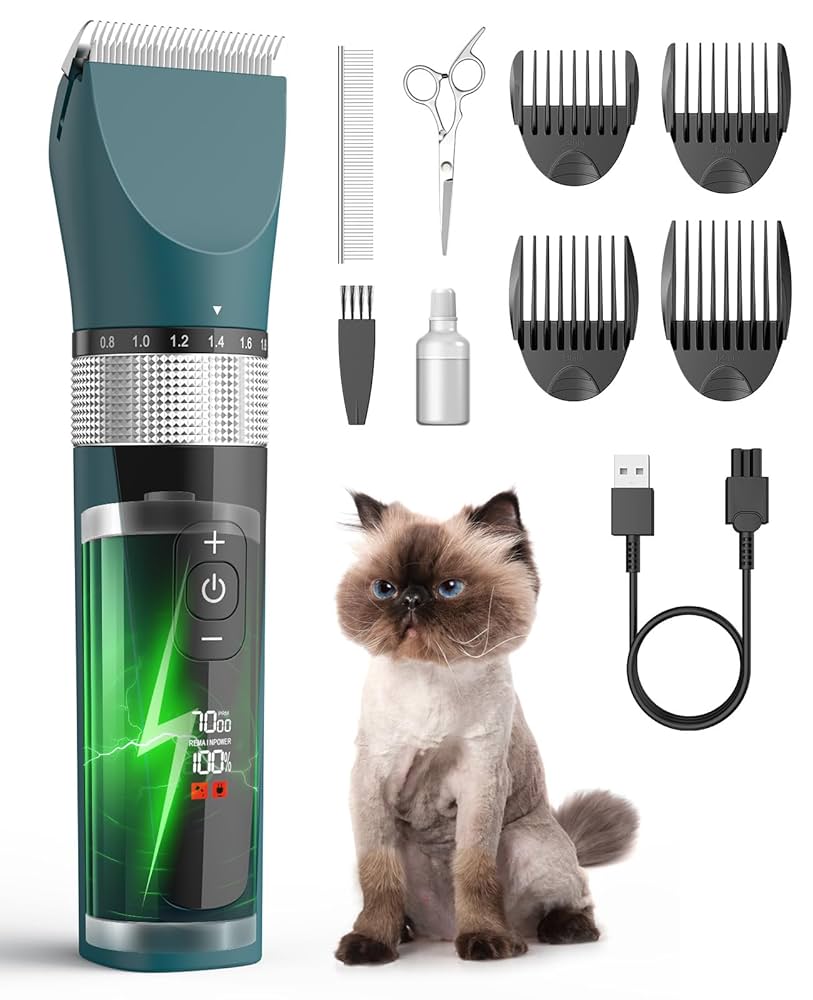
If you want your cat to look and feel their best, choosing the right grooming tool is key. But with so many options out there, how do you know which one really works?
You might be wondering which tool will make brushing easier for you and more comfortable for your furry friend. You’ll discover the best cat grooming tools that save time, reduce shedding, and keep your cat’s coat healthy. Keep reading to find the perfect grooming tool that suits both you and your cat’s needs.

Credit: www.floppycats.com
Essential Cat Grooming Tools
Grooming your cat is more than just a routine. It keeps their coat healthy and shiny. Using the right tools makes grooming easier and more effective. Different cats need different tools based on their fur type and personality. Understanding essential grooming tools helps you care for your cat better.
Brushes For Different Fur Types
Brushes come in many styles. Each style suits a different fur type. Short-haired cats need soft bristle brushes. They remove loose fur gently without hurting the skin. Long-haired cats benefit from slicker brushes. These brushes detangle knots and remove mats. For thick or curly fur, a pin brush works well. It reaches deep into the coat to remove dirt and loose hair.
Combs And Their Uses
Combs help in detailed grooming. Wide-toothed combs detangle fur without pulling. Fine-toothed combs remove small debris and fleas. Use combs after brushing to catch missed knots. Combing also helps check the skin for problems. It improves blood flow and distributes natural oils evenly.
Nail Clippers And Trimmers
Keeping your cat’s nails short prevents scratching. Use nail clippers designed for pets. They are sharp and safe for small nails. Trim nails carefully to avoid the quick. The quick is the sensitive part inside the nail. Regular trimming stops nails from growing too long and causing pain.
Grooming Gloves Benefits
Grooming gloves are soft and flexible. They feel like petting but remove loose hair. Cats that dislike brushes often accept gloves. Gloves also massage the skin, improving circulation. Hair sticks to the gloves, making cleanup easy. They are perfect for sensitive or shy cats.
Top Brushes For Perfect Fur
Choosing the right brush helps keep your cat’s fur smooth and healthy. Different brushes serve various purposes. Some remove loose hair, while others detangle or add shine. Using the right tool makes grooming easier for both you and your cat.
Slicker Brushes
Slicker brushes have fine, short wires close together. They work well on thick or long fur. These brushes remove mats, knots, and loose hair gently. They also help reduce shedding by catching dead hair.
Bristle Brushes
Bristle brushes have soft or medium bristles. They smooth the fur and spread natural oils. These brushes are good for short-haired cats. They add shine and keep the coat looking healthy.
Pin Brushes
Pin brushes have long, flexible pins with rounded tips. They detangle fur without hurting the skin. These brushes work best on medium to long fur. They help keep the coat fluffy and free of knots.
Deshedding Tools
Deshedding tools remove loose undercoat hair effectively. They reduce shedding around the house. These tools work well for cats that shed a lot. Using them regularly keeps your cat’s fur neat and clean.
Choosing The Right Tool By Fur Type
Choosing the right grooming tool depends heavily on your cat’s fur type. Different coats need different care to stay healthy and tangle-free. Using the wrong tool can irritate your cat’s skin or leave mats behind, so knowing what suits your cat’s fur is key.
Short-haired Cats
Short-haired cats usually have smooth, sleek coats that don’t tangle easily. A rubber brush or a grooming glove works well because it removes loose hair without scratching the skin. These tools help reduce shedding and keep your cat’s coat shiny.
If your cat tends to shed a lot, consider a fine-toothed comb to catch loose hairs. You want something gentle since short-haired cats don’t need heavy grooming sessions. Have you noticed how a simple grooming glove can make your short-haired cat more relaxed?
Long-haired Cats
Long-haired cats need more attention because their fur can easily knot and mat. A slicker brush is ideal for loosening tangles and removing dead hair. It’s important to brush regularly to prevent painful mats from forming.
Try pairing the slicker brush with a wide-toothed comb to gently work through stubborn knots. Patience is key here—rushing can hurt your cat and make grooming stressful. Ever tried brushing your long-haired cat only to find a stubborn mat? The right tools make all the difference.
Double-coated Cats
Double-coated cats have two layers of fur: a soft undercoat and a coarser topcoat. They need a tool that can reach both layers without damaging the fur. An undercoat rake or a de-shedding tool is perfect for this job.
These tools help remove loose undercoat hair that causes shedding and keeps the topcoat smooth. Don’t overlook grooming frequency; these cats benefit from grooming at least once a week. How often do you groom your double-coated cat to keep shedding under control?

Credit: www.walmart.com
Maintaining And Cleaning Grooming Tools
Maintaining and cleaning your cat grooming tools is essential for their performance and your pet’s health. Dirty tools can spread germs and cause skin issues. Clean tools work better and make grooming easier. Regular care keeps your tools safe and effective for every use.
Cleaning Techniques
Start by removing loose hair from brushes and combs. Use a comb or your fingers to pull out stuck fur. Wash tools with warm water and mild soap. Avoid harsh chemicals that may irritate your cat’s skin. Use a soft brush to clean hard-to-reach spots.
Rinse tools thoroughly to remove all soap. Dry them completely with a clean towel or air dry. For metal tools, wipe with a cloth dipped in rubbing alcohol. This kills bacteria and prevents rust. Clean tools after each grooming session to stay hygienic.
Tool Longevity Tips
- Store tools in a dry, cool place to avoid damage.
- Keep blades sharp to ensure smooth grooming.
- Avoid dropping tools to prevent breaks or misalignment.
- Check for loose parts or rust regularly and fix them quickly.
- Replace worn-out parts to keep tools working well.
Caring for your grooming tools extends their life. Well-maintained tools save money and improve your cat’s comfort during grooming.
Tips For Stress-free Grooming Sessions
Choosing the right cat grooming tool makes sessions calm and easy. Soft brushes or combs help remove loose fur gently. Patience and quiet help your cat stay relaxed during grooming.
Tips for Stress-Free Grooming Sessions Grooming your cat should be a pleasant experience for both of you. The right approach can make a big difference. Here are some tips to make grooming sessions stress-free.Creating A Calm Environment
Cats feel stress easily. Create a quiet space for grooming. Choose a time when the house is calm. Play soft music to soothe your cat. Ensure the grooming area is clean and comfortable. Keep grooming tools handy for easy access.Grooming Frequency
Regular grooming is essential for your cat’s health. Brush short-haired cats once a week. Long-haired cats need daily grooming. Regular grooming reduces shedding and prevents matting. It also helps you bond with your cat.Handling Difficult Cats
Some cats dislike grooming. Be patient and gentle. Start with short grooming sessions. Use treats to reward good behavior. Speak softly to reassure your cat. If your cat becomes aggressive, stop and try later. Consistency and patience will improve the experience over time.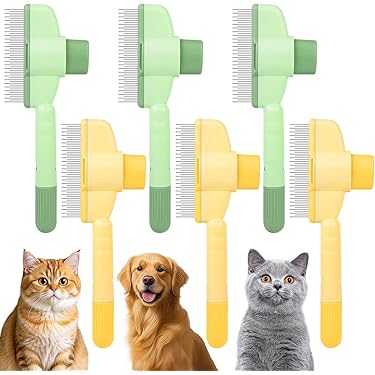
Credit: www.amazon.com
Frequently Asked Questions
What Is The Best Grooming Tool For Cats?
The best grooming tool depends on your cat’s coat type. Slicker brushes work well for long hair, while rubber grooming gloves suit short-haired cats. Choose tools that remove loose fur, prevent mats, and massage your cat gently for comfort and effectiveness.
How Often Should I Groom My Cat?
Grooming frequency depends on your cat’s coat. Long-haired cats need daily brushing to prevent tangles. Short-haired cats benefit from weekly grooming to reduce shedding. Regular grooming keeps your cat’s coat healthy and reduces hairballs.
Can Grooming Tools Reduce Cat Shedding?
Yes, grooming tools like deshedding brushes effectively reduce shedding. They remove loose undercoat fur before it falls off. Regular use minimizes hair around your home and prevents hairballs in cats.
Are Grooming Gloves Better Than Brushes For Cats?
Grooming gloves are ideal for cats sensitive to brushes. They provide gentle massage and remove loose fur effectively. Brushes may clean deeper but gloves offer comfort and ease, especially for shy or anxious cats.
Conclusion
Choosing the best cat grooming tool depends on your cat’s needs. Each tool has a special use. Some work well for long hair, others for short hair. Consider your cat’s comfort and grooming habits. Regular grooming helps keep your cat healthy and happy.
A good tool makes grooming easier for both of you. Take time to find the right one. Happy grooming means a happy cat.




Leave a Reply