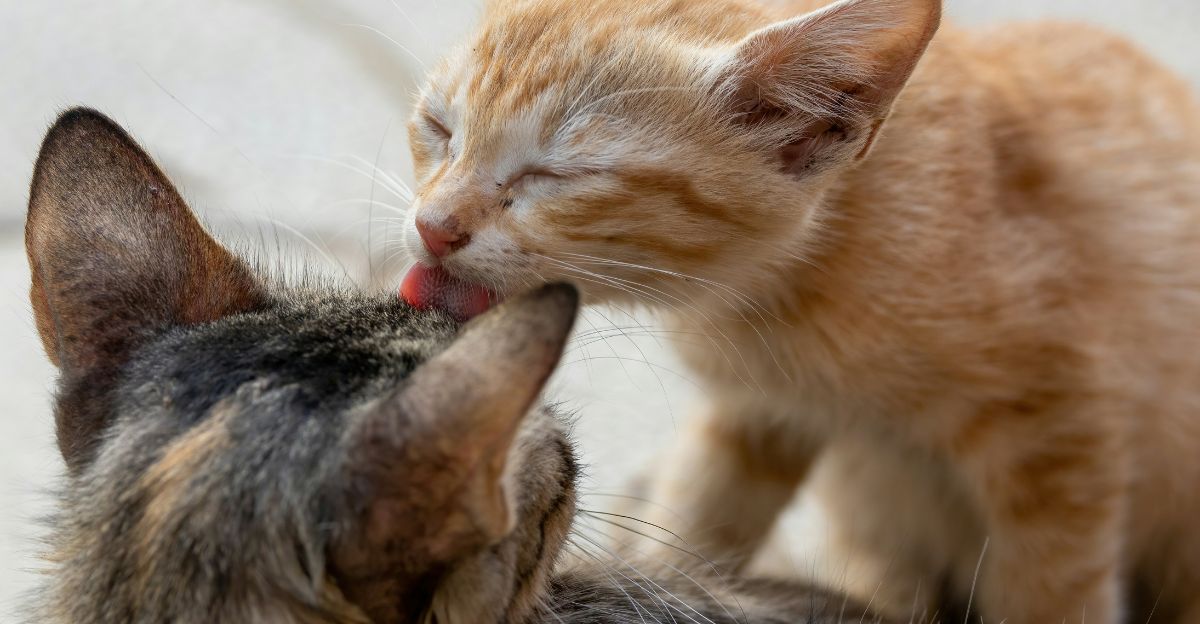
Have you ever watched two cats gently licking each other and wondered what it really means? When cats groom each other, they’re not just cleaning fur—they’re sharing a special bond.
This simple act tells you a lot about their feelings and relationships. If you want to understand your feline friends better and discover the hidden messages behind their grooming habits, keep reading. You’ll soon see your cats in a whole new light.
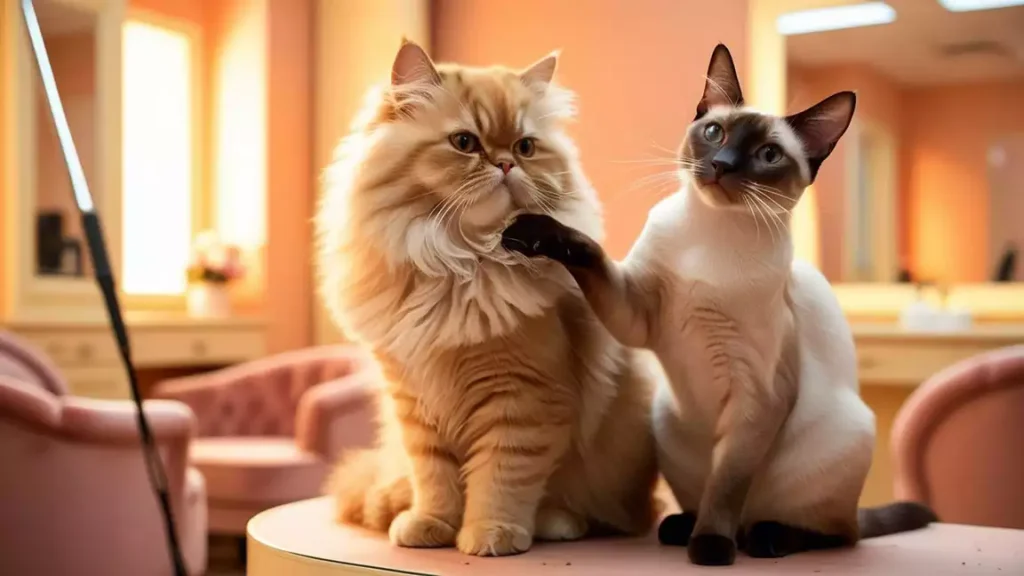
Credit: catgroomerla.com
Reasons Cats Groom Each Other
Understanding why two cats groom each other offers a fascinating glimpse into their behavior and relationships. Grooming between cats is not just about cleanliness; it carries deeper meanings tied to their social structure, emotional well-being, and physical health. Let’s dive into the key reasons behind this common feline interaction.
Social Bonding
When cats groom each other, they are strengthening their social ties. This behavior, often called allogrooming, helps build trust and reinforce friendships within their group.
Have you noticed your cats grooming each other right after a play session or a nap? This shows they feel safe and connected. Grooming can even reduce the chances of fights and help maintain peace in multi-cat households.
Stress Relief
Grooming acts as a calming ritual for cats. It lowers their stress and anxiety levels, especially when they are in unfamiliar environments or facing changes.
If your cats groom each other during stressful moments, it’s their way of comforting one another. You might see this behavior increase after visits to the vet or when introducing a new pet.
Health Benefits
Beyond emotional reasons, grooming also serves practical health purposes. Cats help each other remove dirt, loose fur, and parasites from hard-to-reach areas like the head and neck.
This mutual grooming boosts their hygiene and can prevent skin problems. Plus, it stimulates blood circulation, which keeps their skin healthy and fur shiny.
Grooming And Cat Hierarchy
Grooming between cats is not just about cleanliness. It also shows their social order and relationships. Through grooming, cats communicate trust and respect. This behavior reflects their position in the group and helps maintain harmony.
Dominance And Submission
One cat grooming another often shows a power balance. The cat doing the grooming usually holds a higher rank. The cat being groomed accepts this and shows submission. This act helps reduce fights and stress between cats. Grooming acts like a peaceful handshake in the cat world.
Role Of Age And Status
Older cats often groom younger ones to teach and comfort them. Age can give a cat more authority in the group. Younger cats groom older cats to show respect and gain approval. Status in the group is clear through who grooms whom. This creates a calm and stable cat family.
Signs Of Affection In Grooming
Grooming between cats is more than just cleaning. It shows care, trust, and strong bonds. When two cats groom each other, it signals affection and friendship. Understanding these signs helps you see how cats express love and comfort. Their grooming rituals reveal deep social connections and respect.
Mutual Grooming Rituals
Mutual grooming happens when cats lick and clean each other. They often focus on hard-to-reach spots like the head and neck. This behavior strengthens their relationship. It lowers stress and builds trust. Grooming sessions usually happen quietly and gently. Cats take turns, showing fairness and cooperation.
Body Language Cues
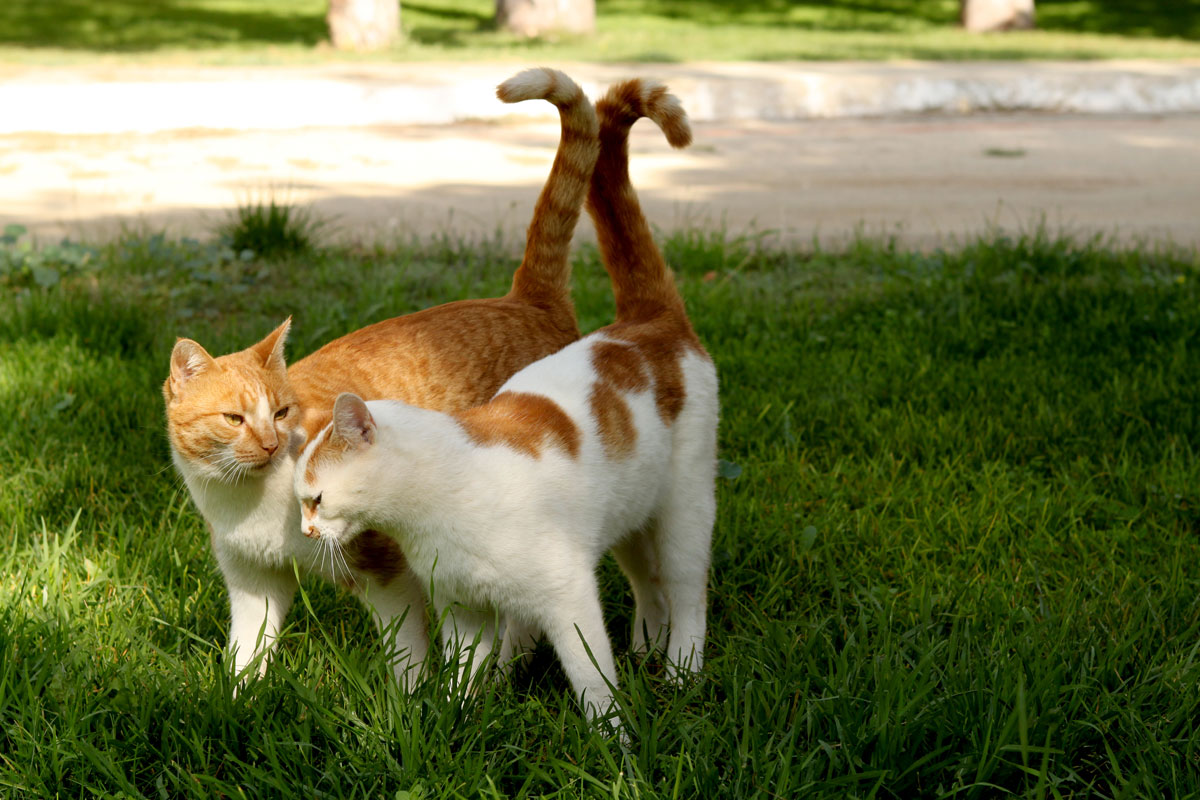
Body language adds meaning to grooming. Relaxed ears and soft eyes show comfort. Cats may purr or knead while grooming. Tail position matters too; a gently waving tail means calm. If cats lean into each other, it signals closeness. Sudden movements or hissing could mean discomfort or tension.
Credit: www.companionanimalpsychology.com
When Grooming Becomes Excessive
Cats grooming each other is a common sight for cat owners. This behavior is known as allogrooming. It strengthens the bond between the cats. But, what if grooming becomes excessive? This can be a sign of underlying issues. Understanding these signs can help address any problems early.
Potential Anxiety Indicators
Excessive grooming might indicate anxiety. Cats can feel stressed for various reasons. Changes in their environment can cause anxiety. New pets or family members may also contribute. Over-grooming can lead to bald patches or skin irritation. These are clear signs something is wrong.
How To Intervene
Intervention is necessary when grooming becomes excessive. Start by observing their behavior. Identify any changes in their surroundings or routine. Provide a safe, quiet space for them to relax. Consider using pheromone diffusers to calm anxious cats. If the problem persists, consult a veterinarian. They can offer advice or treatments to help.
Grooming Differences In Multi-cat Homes
In homes with multiple cats, grooming takes on unique meanings. It is not just about cleaning but about relationships. Cats use grooming to show feelings and build bonds. Each cat may groom differently depending on their role and personality. Observing these differences helps understand the group dynamics better.
Building Trust Among Strays
Stray cats often enter a new home feeling unsure. Grooming helps them feel safer and accepted. When one cat grooms another, it shows trust. This act reduces fear and stress in shy cats. Regular grooming sessions create a sense of security. It helps new cats adapt and join the group.
Maintaining Group Harmony
In multi-cat homes, grooming keeps peace among cats. Cats groom to calm tensions and prevent fights. It signals friendship and respect between cats. Grooming helps balance social order without loud conflicts. Cats that groom each other often share a strong bond. This habit supports a calm and happy home.
Tips To Encourage Grooming Between Cats
Encouraging grooming between cats helps build strong bonds. It shows trust and friendship. Cats feel safe and happy when they groom each other. You can help them start this positive habit with simple steps. These tips create a peaceful space and reward good behavior.
Creating A Comfortable Environment
Make sure both cats have quiet, safe areas. Soft bedding and hiding spots reduce stress. Keep their food and water bowls separate but close. This lowers competition and helps them relax. Spend time near your cats to calm them. Gentle voices and slow movements invite trust. Avoid loud noises or sudden changes in their space.
Positive Reinforcement Techniques
Reward your cats when they show friendly behavior. Use treats or gentle petting as a reward. Praise them softly to create good feelings. Introduce short play sessions to reduce tension. Offer toys that both cats enjoy together. Never punish your cats for not grooming. Patience and kindness help them learn faster.

Credit: catgroomerla.com
Frequently Asked Questions
What Does Mutual Grooming Mean Between Cats?
Mutual grooming shows trust and bonding between cats. It helps strengthen their social connection and reduces stress. Cats groom each other to share scents and show affection.
Why Do Cats Groom Each Other’s Heads?
Cats often can’t reach their heads well. Grooming each other’s heads is a way to help and bond. It signals friendship and comfort between the cats.
Is Grooming A Sign Of Cat Friendship?
Yes, grooming is a clear sign of friendship. Cats groom to build trust, show care, and maintain social harmony. It helps keep their relationship strong.
Can Grooming Reduce Cat Stress Or Anxiety?
Yes, grooming is calming and reduces stress. It releases endorphins that help cats relax. Grooming also creates a safe, comforting environment for both cats.
Conclusion
Cats grooming each other shows trust and friendship. It helps them feel safe and calm. This behavior also keeps their fur clean and healthy. Watching cats groom can teach you how they bond. It means they enjoy each other’s company.
Next time you see this, remember it’s a sign of love. Cats use grooming to connect without words. This simple act says a lot about their feelings. Understanding this helps you know your cats better. It’s a small but meaningful way they show care.




Leave a Reply