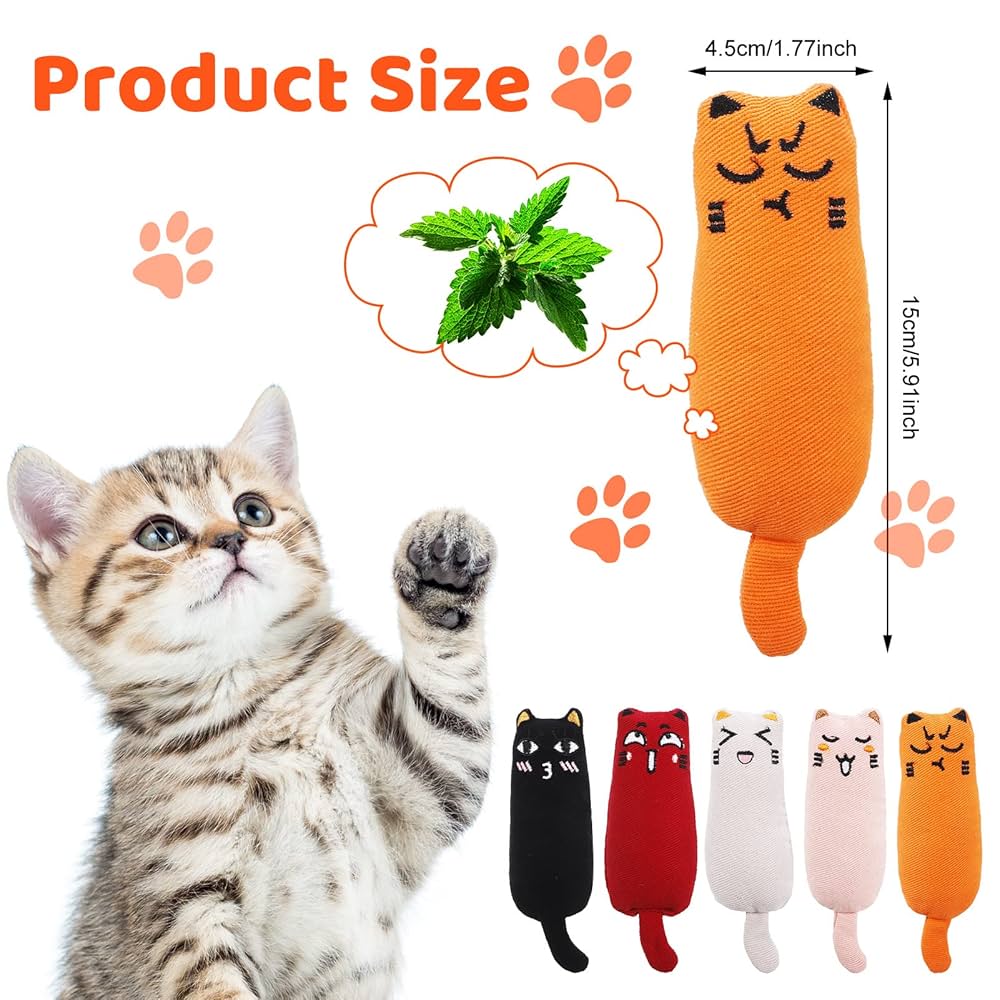
Have you ever wondered what makes your cat go wild for certain toys? What exactly is inside those little playthings that catch your furry friend’s attention so quickly?
Knowing what cat toys are filled with can help you choose the safest and most exciting options for your pet. You’ll discover the secret ingredients that make cat toys irresistible and learn how they stimulate your cat’s natural instincts. Keep reading to unlock the mystery behind your cat’s favorite toys and make playtime even more fun and safe for your companion.
Credit: www.chewy.com
Common Fillings In Cat Toys
Cat toys often contain special fillings that attract and entertain cats. These fillings stimulate a cat’s natural instincts and encourage playful behavior. Many cat toys use natural or synthetic materials to engage cats in different ways. Understanding these fillings helps pet owners pick the right toys for their furry friends.
Catnip And Its Effects
Catnip is a popular filling made from the leaves and stems of the Nepeta cataria plant. It contains a compound called nepetalactone. This compound triggers a temporary, happy reaction in many cats. Cats may roll, rub, or pounce on toys filled with catnip. The effect usually lasts about 10 to 15 minutes before fading.
Silvervine And Alternative Herbs
Silvervine is another natural herb that excites cats. It comes from a plant native to Asia. Some cats that do not respond to catnip react to silvervine. Toys filled with silvervine offer a different scent and experience. Other herbs like matatabi are also used to attract cats. These alternatives provide variety for cats with different preferences.
Valerian Root Benefits
Valerian root is a plant root that has a calming and stimulating effect on cats. It produces a scent that some cats find irresistible. Toys filled with valerian root can help reduce stress and encourage play. This root is often used for cats that do not respond to catnip or silvervine. It adds another option for interactive cat toys.
Synthetic Scents And Their Role
Synthetic scents mimic the natural compounds found in catnip and other herbs. These scents are added to toys to replicate the effects of natural fillings. They offer a consistent and long-lasting aroma. Some cats respond well to synthetic scents, while others prefer natural materials. Synthetic fillings provide an affordable and durable alternative for cat toys.
Natural Vs Synthetic Ingredients
Cat toys often contain fillings that attract and entertain pets. These fillings can be natural or synthetic. Choosing between natural and synthetic materials affects safety, durability, and enjoyment for your cat. Understanding the differences helps you pick the best toys for your furry friend.
Pros And Cons Of Natural Fillings
Natural fillings come from plants or animals. Common examples include catnip, wool, cotton, and feathers.
- Pros:Natural fillings are usually safer and non-toxic.
- They often smell appealing to cats, increasing playtime.
- Biodegradable and eco-friendly, they reduce waste.
- Cons:They may wear out faster than synthetic ones.
- Can attract pests or mold if not stored properly.
- Some cats may be allergic to certain natural materials.
Risks Associated With Synthetic Materials
Synthetic fillings include polyester, plastic beads, and foam. These materials aim to be durable and cheap.
- They may contain chemicals that irritate cats’ skin or stomach.
- Small parts can break loose and cause choking hazards.
- Non-biodegradable, they contribute to environmental pollution.
- Some cats may avoid synthetic smells or textures.
- Better resistance to wear but less safe if ingested.
Unusual Fillings Found In Cat Toys
Cat toys often contain surprising fillings that catch a cat’s attention. These unusual materials can make toys more fun and interesting. They stimulate a cat’s senses, encouraging play and exercise. Some fillings add texture, sound, or scent to the toy. This variety keeps cats curious and engaged for longer periods.
Crinkle Paper And Noise Makers
Crinkle paper inside toys makes a loud, crackling sound. Cats love this noise because it mimics the sounds of prey. Noise makers like tiny plastic beads or foil pieces add extra excitement. These sounds trigger a cat’s hunting instincts and encourage playful behavior. The noise also makes the toy more interactive and fun.
Bell And Rattles
Many cat toys include small bells or rattles. These create jingling sounds when the toy moves. The sound attracts a cat’s attention and keeps it interested. Bells and rattles add an element of surprise during play. Cats enjoy chasing toys that make noise, increasing their activity levels.
Organic Materials Like Wool And Cotton
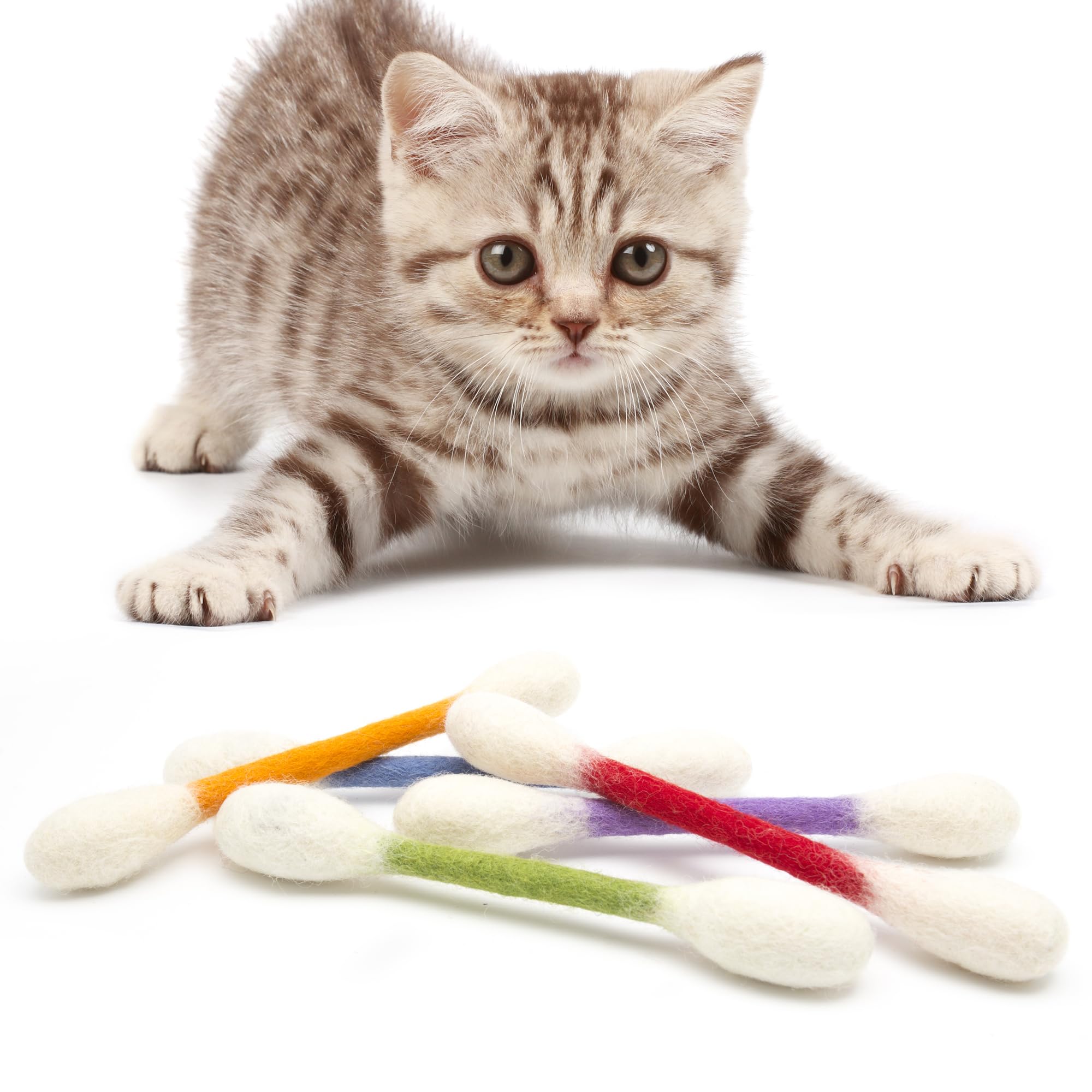
Some toys use natural fillings such as wool or cotton. These materials are soft and safe for cats to bite and chew. Organic fillings add a comforting texture that cats like to knead or cuddle with. Wool and cotton are eco-friendly and often hypoallergenic. They offer a natural alternative to synthetic stuffing.
Credit: www.amazon.com
Safety Concerns And Toxicity
Cat toys offer entertainment and exercise for our feline friends. But safety concerns and toxicity are crucial considerations. Pet owners should be aware of what goes into these toys. Understanding potential risks ensures a safe playtime.
Common Allergens In Toy Fillings
Some cat toys contain common allergens. Wool, feathers, and certain synthetic fibers can cause reactions. Cats with sensitivities might experience sneezing or skin irritations. Always check toy labels for these materials.
Avoiding Harmful Chemicals
Choose toys without harmful chemicals. Avoid toys with lead, phthalates, or BPA. These chemicals can harm cats if ingested. Opt for toys labeled as non-toxic and pet-safe.
Signs Of Toy-related Reactions
Watch for signs of reactions to toys. Common signs include excessive scratching, sneezing, or lethargy. Changes in behavior might indicate an issue. If symptoms persist, consult a veterinarian.
How Fillings Affect Cat Behavior
The fillings inside cat toys play a key role in shaping a cat’s behavior. These fillings trigger different reactions, from excitement to calmness. Understanding how fillings affect cats helps pet owners choose the right toys.
Stimulating Play And Hunting Instincts
Many cat toys contain herbs like catnip or silvervine. These scents activate a cat’s natural hunting instincts. Cats become more playful and alert. They chase, pounce, and bat at toys. This mimics real hunting behavior and keeps cats mentally sharp.
Calming Effects Of Certain Ingredients
Some toy fillings have calming herbs such as valerian root or chamomile. These help reduce anxiety and stress in cats. Cats may knead or gently chew the toy. This soothes them and encourages rest. These toys are great for nervous or shy cats.
Encouraging Exercise And Mental Health
Fillings that attract cats motivate them to move more. Active play improves their physical health. It also prevents boredom and destructive behavior. Toys with interesting textures or scents keep cats engaged longer. This supports overall mental well-being and happiness.
Choosing The Right Toy Filling For Your Cat
Choosing the right filling for your cat’s toys can make a big difference in how much your furry friend enjoys playtime. The texture, scent, and safety of the filling all affect your cat’s interaction with the toy. Paying attention to these details helps you pick something that entertains and comforts your cat without any risks.
Age And Sensitivity Considerations
Young kittens tend to prefer soft, lightweight fillings that are gentle on their developing teeth and gums. Older cats, on the other hand, might enjoy toys with a bit more texture or firmness to satisfy their stronger bite.
If your cat has allergies or skin sensitivities, avoid synthetic fillings that may cause irritation. Natural options like organic cotton or wool can be kinder to sensitive cats. Always check for any reactions after introducing a new toy.
Preferences Based On Cat Personality
Is your cat a hunter or a cuddler? Active cats often like toys filled with materials that make noise, such as crinkly paper or small bells, to mimic prey sounds. Laid-back cats might prefer plush, soft fillings that feel cozy and comforting.
Some cats enjoy catnip-filled toys for stimulation, while others prefer non-scented ones to avoid overstimulation. Observe your cat’s behavior with different toys to understand what truly excites or soothes them.
Diy Toy Filling Ideas
Making your own cat toys can be fun and lets you control what goes inside. Use dried lavender or chamomile for a calming effect, or add a pinch of catnip for playful energy.
- Uncooked rice or dried beans for a gentle weight and texture
- Scraps of fleece or soft fabric for a plush feel
- Crumpled paper for a noisy, engaging filling
Remember to sew your DIY toys securely to prevent your cat from swallowing the filling. Have you tried making a toy yourself? It might just become your cat’s new favorite plaything.

Credit: www.amazon.com
Frequently Asked Questions
What Materials Are Commonly Inside Cat Toys?
Cat toys often contain materials like catnip, silvervine, or valerian root. They may also have crinkly paper, feathers, or soft stuffing for texture and engagement.
Why Is Catnip Used In Cat Toys?
Catnip stimulates a cat’s senses and encourages playful behavior. It contains a compound called nepetalactone, which creates excitement and fun for many cats.
Are Cat Toy Fillings Safe For Cats?
Yes, reputable cat toy fillings are non-toxic and safe. Manufacturers use pet-safe materials to ensure cats can play without health risks.
Do All Cats React To Catnip In Toys?
No, about 30% to 50% of cats do not respond to catnip. Sensitivity depends on genetics and age, so reactions vary widely.
Conclusion
Cat toys often contain materials that attract and entertain cats. Common fillings include catnip, soft stuffing, or crinkly paper. These fillings help stimulate your cat’s senses and encourage play. Choosing toys with safe and natural fillings keeps cats healthy and happy.
Watching your cat enjoy their toy is a simple joy. Knowing what’s inside helps you pick the best toys for your pet. Playtime is important for your cat’s mood and health. Keep their toys clean and replace them when worn out.
Happy cats make happy homes.




Leave a Reply