Have you ever watched your cat spend a long time licking its fur and wondered, “What does it mean when a cat is grooming?” Grooming is more than just a way for your cat to stay clean.
It’s a powerful form of communication and self-care that tells you a lot about your furry friend’s health and emotions. Understanding why your cat grooms can help you connect with your pet on a deeper level and ensure they’re happy and comfortable.
Keep reading to discover the surprising reasons behind your cat’s grooming habits and what they really mean for your bond.

Credit: www.latimes.com
Reasons Cats Groom Themselves
Cats grooming themselves is more than just a cute behavior. It’s a vital part of their daily routine with several important reasons behind it. Understanding why your cat grooms can help you better care for their health and happiness.
Maintaining Cleanliness
Cats are naturally clean animals. They use their tongues to remove dirt, loose fur, and parasites from their coats.
This keeps their fur smooth and free from tangles. Have you noticed how your cat spends a good chunk of the day licking itself? That’s their way of staying spotless without any help.
Regulating Body Temperature
Grooming helps cats control their body temperature, especially in warm weather. When they lick their fur, the saliva evaporates, creating a cooling effect similar to sweating.
Have you ever seen your cat groom more during hot days? This natural cooling system is crucial since cats don’t sweat like humans do.
Reducing Stress And Anxiety
Grooming also acts as a calming mechanism. Cats often lick themselves to soothe their nerves when they feel stressed or anxious.
Think about times when your cat grooms excessively after a loud noise or a change in the environment. This behavior helps them regain a sense of control and comfort.
Social Grooming Among Cats
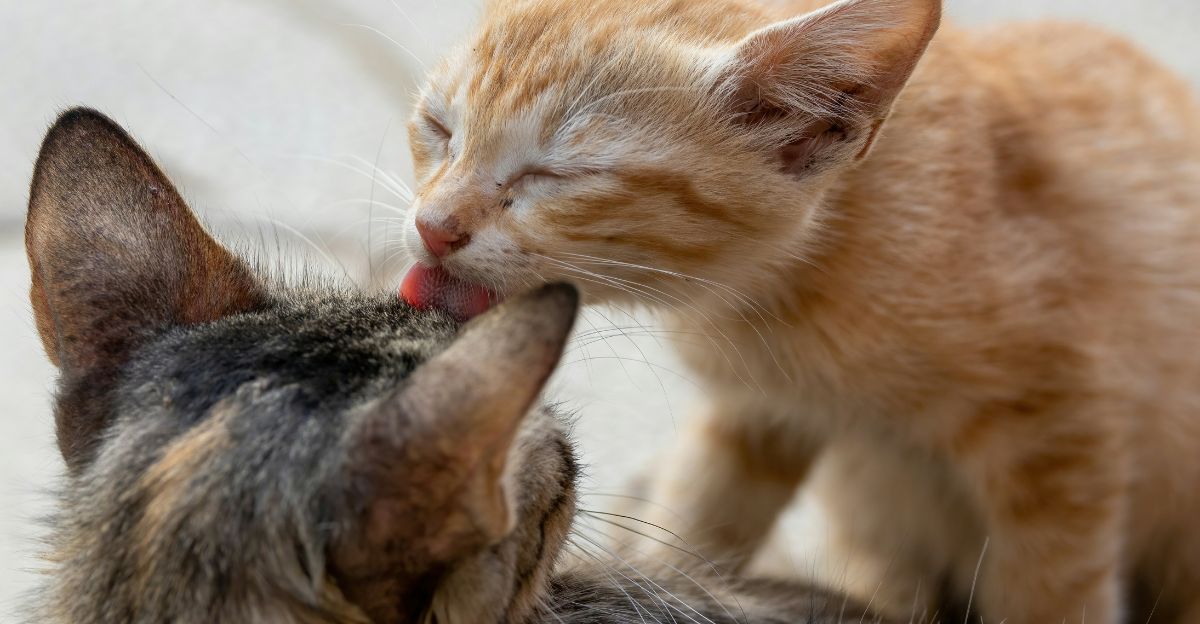
Cats groom each other not just to stay clean, but to build social ties. This behavior is called social grooming or allogrooming. It shows trust and friendship among cats. Social grooming helps cats live peacefully together and feel safe.
Strengthening Bonds
Grooming helps cats form close relationships. When cats lick each other, they share a moment of calm. This creates trust and friendship. Cats that groom often stay closer and play together more. It is a way to show care and love without words.
Establishing Hierarchy
Grooming also shows who is in charge. Higher-ranking cats may groom lower-ranking ones more often. This helps keep order in the group. It is a gentle way to show respect and keep peace. Each cat knows its place through these grooming sessions.
Mutual Comfort
Grooming brings comfort to both cats. It reduces stress and calms nerves. Cats feel safer and happier when groomed by friends. This mutual care helps cats relax and enjoy each other’s company. It is a simple way to share comfort and love.
Grooming And Health Indicators
Grooming is more than just a way for cats to keep clean; it’s a vital indicator of their overall health. By observing your cat’s grooming habits, you can catch early signs of health issues before they become serious. Understanding these signals helps you support your feline friend better and ensures they stay happy and healthy.
Signs Of Illness
Changes in grooming behavior often point to underlying health problems. If your cat suddenly stops grooming, it might be feeling pain or discomfort, such as arthritis or dental issues. Conversely, a cat that grooms less might be struggling with obesity or skin infections.
Watch for:
- Patchy fur or bald spots
- Red, inflamed, or scaly skin
- Unusual odors or discharge
Have you noticed your cat avoiding certain areas while grooming? This could be a sign of localized pain or irritation worth checking with a vet.
Overgrooming Concerns
While grooming is natural, excessive licking or biting can harm your cat’s skin and fur. Overgrooming often signals stress, allergies, or parasites like fleas.
Look for:
- Raw or bleeding spots
- Constant licking or chewing in one area
- Hair loss around specific regions
If your cat is overgrooming, try to identify any recent changes in environment or diet. Sometimes, simple adjustments can ease their anxiety or irritation.
Under-grooming Risks
When cats groom less than usual, their fur can become matted and dirty. This can lead to skin infections and discomfort, especially for older or overweight cats.
Signs include:
- Greasy, tangled fur
- Unpleasant smell
- Visible dirt or debris stuck in the coat
If you notice under-grooming, encourage your cat by brushing them gently and checking for any mobility issues that might limit their ability to groom.
Credit: www.latimes.com
Grooming Behavior And Emotional State
Cats grooming themselves or others is more than just a cleaning routine—it reveals a lot about their emotional state. Watching a cat carefully lick its fur or gently groom a feline friend can tell you if it feels calm, affectionate, or even stressed. Understanding these subtle cues helps you connect with your cat on a deeper level and respond to its needs better.
Calming Mechanism
Grooming acts like a natural stress reliever for cats. When your cat starts licking itself, it’s often trying to soothe anxiety or nervousness. Have you noticed your cat grooming more after a loud noise or a visit to the vet? This behavior helps it regain a sense of control and calm down.
Expressing Affection
Grooming isn’t always about hygiene; it’s a powerful way cats show love. When your cat licks you or another pet, it’s a sign of trust and bonding. Think about the last time your cat gently groomed your hand—didn’t it feel like a unique moment of connection?
Response To Environmental Changes
Changes in your cat’s surroundings often affect its grooming habits. If a cat suddenly starts grooming excessively, it might be reacting to something new or unsettling in its environment. Pay attention to these shifts; they can signal that your cat is trying to cope with stress or discomfort.
How Owners Can Support Healthy Grooming
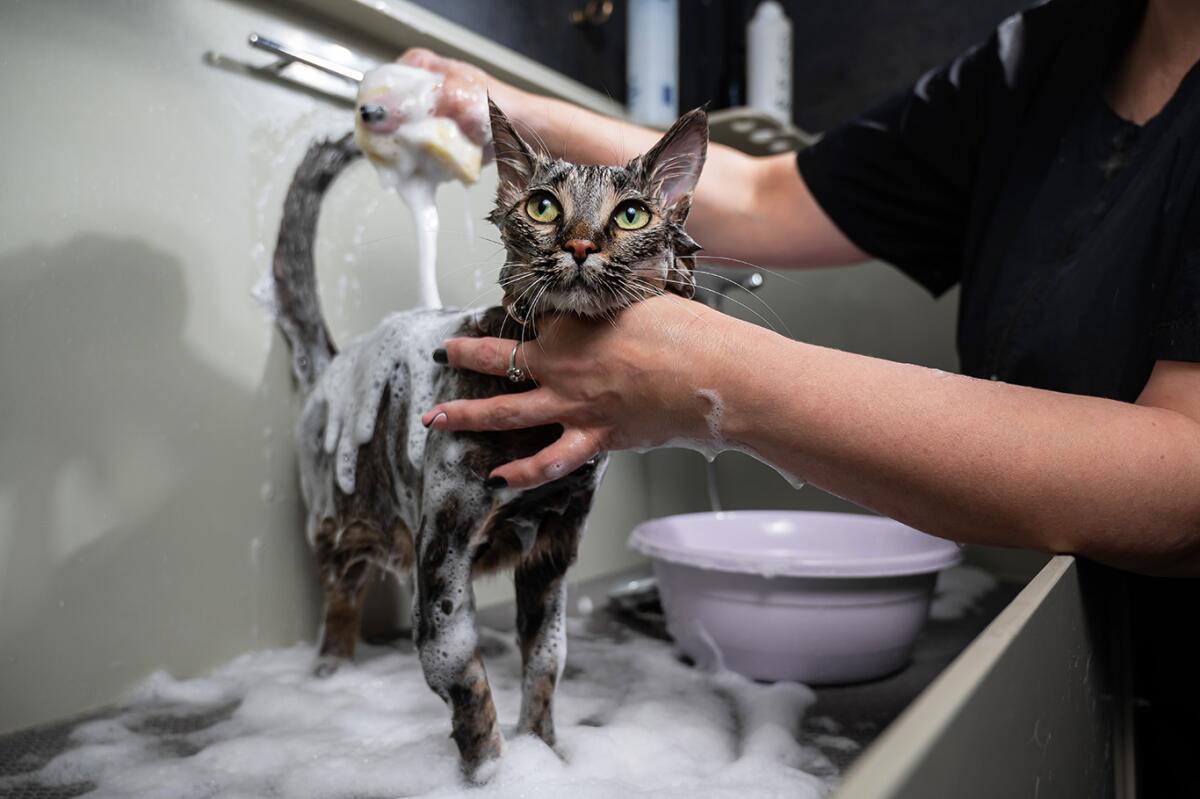
Cats groom to keep their fur clean and to feel comfortable. Owners can help by brushing their cat regularly and checking for any skin problems. Providing a calm space encourages healthy grooming habits.
Supporting your cat’s grooming habits is essential for their health and happiness. When you understand and facilitate their grooming, you can help prevent health issues and ensure your feline friend stays comfortable. This section will guide you on how to support healthy grooming practices for your cat.Regular Brushing Tips
Brushing your cat regularly helps reduce shedding and prevents hairballs. Choose a brush that suits your cat’s fur type—long-haired cats need a different brush than short-haired ones. Make brushing a bonding activity; gently talk to your cat and offer treats to create a positive experience.Monitoring Grooming Patterns
Pay attention to how often and how intensely your cat grooms itself. Notice any changes, such as over-grooming or neglecting certain areas. These shifts can be indicators of stress, allergies, or other health concerns that may need addressing.When To Consult A Vet
If you observe excessive grooming, bald spots, or skin irritation, it may be time to seek professional advice. A vet can identify underlying medical conditions or behavioral issues causing these symptoms. Don’t wait—early intervention can prevent more significant problems down the line. Supporting your cat’s grooming routine is a small effort that yields significant rewards. How will you enhance your cat’s grooming habits today?
Credit: weareallaboutcats.com
Frequently Asked Questions
Why Do Cats Groom Themselves Frequently?
Cats groom to clean fur, remove dirt, and control body temperature. Grooming also reduces stress and strengthens bonds with other cats.
Is Cat Grooming A Sign Of Health Or Stress?
Regular grooming shows a healthy cat. Excessive grooming or lack of it may signal stress or health issues needing attention.
What Does It Mean When A Cat Grooms Another Cat?
When cats groom each other, it indicates affection and social bonding. This behavior helps strengthen friendships and reduce tension.
Can Grooming Help A Cat Feel Comfortable?
Yes, grooming soothes cats and helps them relax. It releases endorphins, which reduce anxiety and improve their mood.
Conclusion
Cats groom for many reasons. It helps them stay clean and healthy. Grooming also shows comfort and trust. Sometimes, cats groom to calm themselves. Watching a cat groom tells you how it feels. Pay attention to changes in grooming habits.
They can signal health or emotional issues. Understanding grooming helps you care better for your cat. It builds a stronger bond between you both. Keep your cat happy by noticing its grooming behavior. Simple but important.




Leave a Reply